
Dawn Richard, known for her innovative blend of R&B and electronic music, has garnered attention for her artistic evolution and commitment to independent artistry. Notably, Valerie June, a celebrated singer-songwriter, brings her unique blend of folk, blues, and soul, further enriching the event’s lineup. Their performances are expected to draw significant attention, reflecting the growing influence of indie artists in mainstream music.
In addition to the performances, the Libera Indie Awards will also serve as a platform for discussions around key issues facing the music industry today. The event will address topics such as artist representation, financial sustainability, and the impact of digital streaming on independent musicians.
Furthermore, Universal Music Group has announced an expansion of its mental health initiatives, aiming to provide greater support for artists and industry professionals. This move highlights the increasing recognition of mental health challenges within the music community, emphasizing the need for resources and support systems for those in the industry.
The significance of the Libera Indie Awards in the music industry
The Libera Indie Awards have emerged as a pivotal event in the music industry, celebrating independent artists and their contributions to the cultural landscape. Established to recognize the creativity and innovation that often flourishes outside the mainstream music sector, the awards provide a platform for artists who may not receive the same level of visibility as those signed to major labels. This recognition is crucial in an industry that has historically favored commercial success over artistic merit.

In recent years, the landscape of the music industry has shifted dramatically due to the rise of digital platforms and social media, which have democratized music distribution. Independent artists now have unprecedented access to audiences, allowing them to cultivate dedicated fan bases without the backing of major record labels. The Libera Indie Awards serve as a testament to this evolution, highlighting the importance of independent voices in a rapidly changing industry.
Key Milestones in Indie Music
Several key milestones have shaped the growth of the independent music scene. The emergence of platforms like Bandcamp and SoundCloud in the early 2000s allowed artists to share and sell their music directly to fans, bypassing traditional distribution channels. Additionally, the rise of streaming services has altered consumption patterns, enabling indie artists to gain visibility on playlists and charts that were once dominated by major label acts.
Furthermore, events like the Libera Indie Awards have fostered a sense of community among indie artists, encouraging collaboration and support. This collective spirit is exemplified by the participation of artists like Dawn Richard and Valerie June, who not only showcase their talents but also inspire a new generation of musicians to pursue their artistic visions.
As the industry continues to evolve, initiatives aimed at supporting artists’ mental health, such as those recently expanded by Universal Music, are becoming increasingly vital. The pressures of the music business can take a toll on artists, making it essential for organizations to prioritize well-being alongside commercial success. This holistic approach to artist support reflects a broader understanding of the complexities involved in navigating the music industry today.
Understanding the impact of mental health initiatives by Universal Music
The recent expansion of mental health initiatives by Universal Music highlights a significant shift in the music industry towards prioritizing the well-being of artists and employees. This move is not only a response to the increasing awareness of mental health issues but also reflects the growing demand from artists for support systems that address their unique challenges.
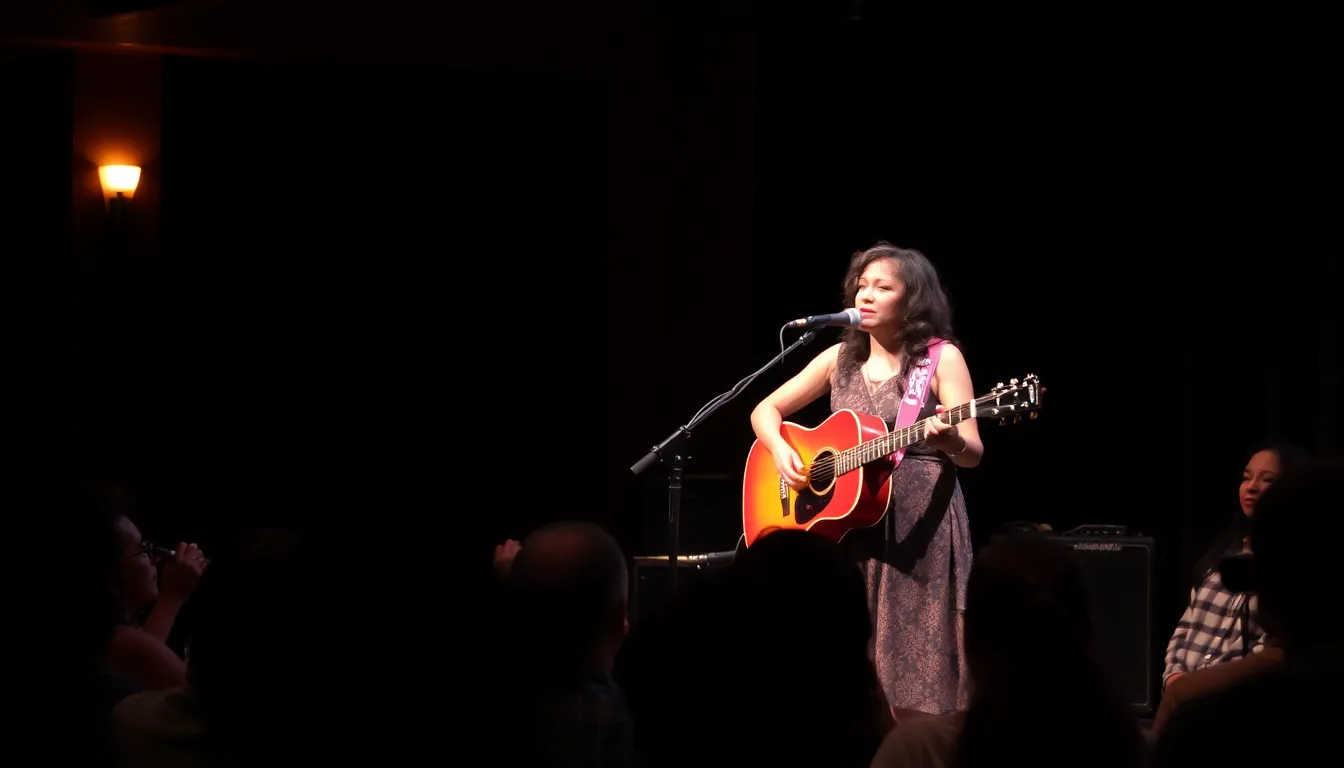
Key stakeholders in this initiative include Universal Music Group, artists such as Dawn Richard and Valerie June, mental health professionals, and advocacy organizations. Each of these actors has distinct interests: Universal Music aims to enhance its reputation and retain talent, while artists seek supportive environments that foster their creativity and well-being.
However, the implementation of mental health initiatives is not without its challenges. Conflicts may arise between the commercial interests of record labels and the personal needs of artists. For instance, while Universal Music may prioritize profitability, artists might require more flexible schedules or mental health days that could impact productivity.
- Economic implications: Investing in mental health programs may lead to increased costs for Universal Music, but could result in long-term benefits through enhanced artist retention and productivity.
- Legal considerations: There may be legal obligations for companies to provide mental health support, raising questions about compliance and liability.
- Trade-offs: Balancing the demands of the market with the need for mental health support may require difficult decisions, particularly in high-pressure environments.
As the music industry evolves, the integration of mental health initiatives will likely be a critical factor in shaping the future landscape. The actions taken by major players like Universal Music could set a precedent for the entire industry, influencing how artists are supported and valued in their creative endeavors.
How these events affect artists and the music community
The upcoming performances by Dawn Richard and Valerie June at the Libera Indie Awards highlight the growing recognition of independent artists within the music industry. This shift not only elevates the profiles of these artists but also creates a ripple effect across the indie music community, encouraging more musicians to pursue their craft outside traditional label structures.
Universal Music’s expansion of mental health initiatives is another significant development, aiming to provide support for artists and industry professionals facing mental health challenges. This move is likely to foster a healthier work environment, reducing burnout and promoting well-being among artists, which can lead to increased creativity and productivity in the long run.

Short-term impacts may include a surge in attendance and visibility for indie artists at events like the Libera Indie Awards, while mid-term effects could see a shift in how record labels approach artist management and support. The emphasis on mental health could lead to new policies within music companies, encouraging a more holistic approach to artist development.
- Increased visibility for independent artists.
- Enhanced mental health support within the industry.
- Potential policy changes in artist management practices.
- Opportunities for collaboration among indie musicians.
However, there are risks associated with these changes. As the focus on mental health grows, there could be pressure on artists to openly discuss their struggles, which may not be comfortable for everyone. Additionally, the indie music scene may face challenges in scaling its operations to meet the increased demand for performances and support services.
Ultimately, these developments present a unique opportunity for artists and the broader music community to redefine success and well-being in an industry that has historically prioritized commercial viability over personal health and artistic integrity.
A: The Libera Indie Awards are scheduled for next month, though the exact date has yet to be announced. A: Universal Music’s mental health initiatives aim to provide support and resources for artists and employees to promote mental well-being. A: Artists can submit their work for consideration through the official Libera Indie Awards website before the submission deadline. A: Mental health awareness is crucial in the music industry due to the unique pressures artists face, and initiatives help create a supportive environment. A: Besides Dawn Richard and Valerie June, several other notable indie artists are expected to perform, showcasing diverse talent.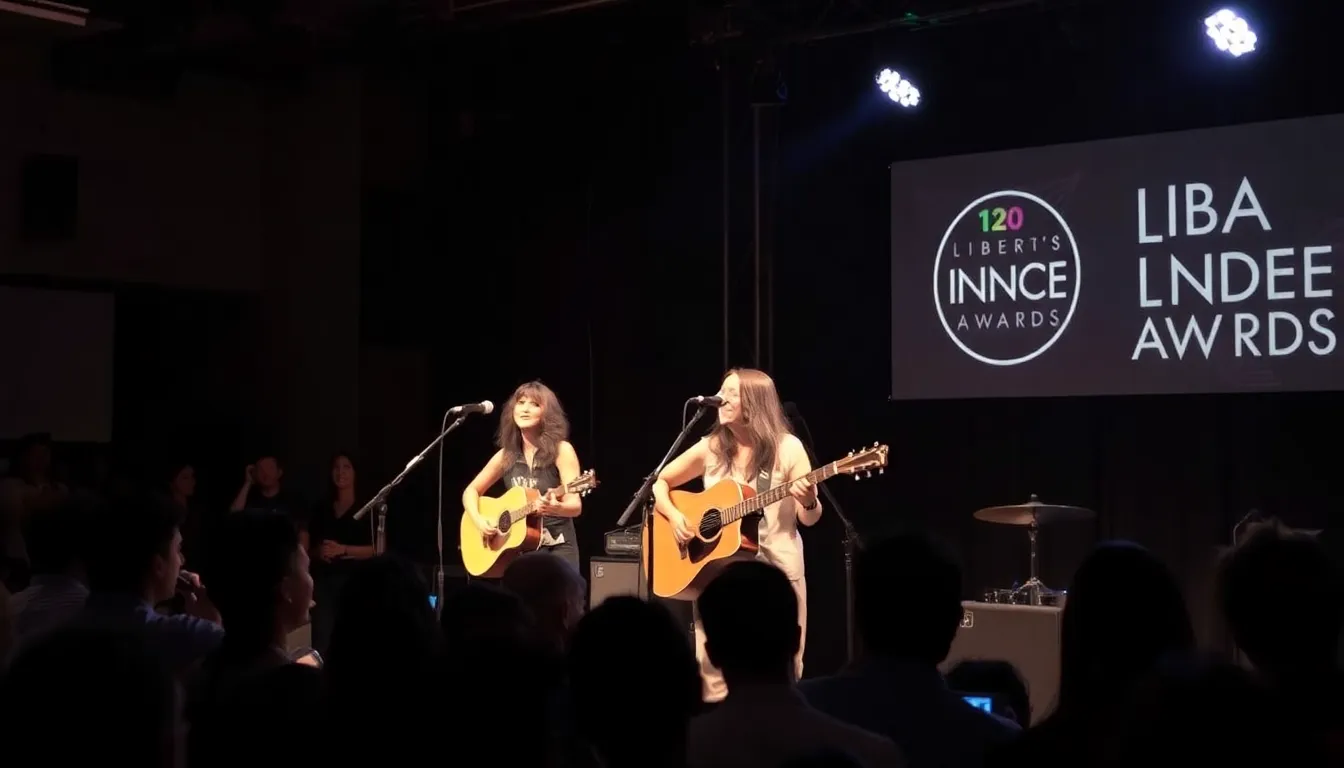
Frequently Asked Questions about the Libera Indie Awards and Mental Health Initiatives
Key takeaways and future outlook for the music industry
The upcoming performances by Dawn Richard and Valerie June at the Libera Indie Awards highlight a growing trend towards celebrating independent artistry within the music industry. This shift not only acknowledges the diverse voices in music but also emphasizes the importance of community support for artists outside major label structures. Additionally, Universal Music’s expansion of mental health initiatives signals a crucial recognition of the psychological challenges faced by artists, suggesting that mental well-being is becoming a priority in industry discussions.
As these developments unfold, the industry may see a more collaborative and inclusive environment that prioritizes artist welfare and embraces a wider array of musical expressions. The focus on mental health could lead to innovative support systems for artists, ultimately fostering a healthier creative landscape.
- The rise of independent artists is reshaping the music landscape, encouraging more platforms that amplify diverse voices.
- Increased attention to mental health initiatives may lead to improved support structures for artists, enhancing their overall well-being.
- Collaboration between independent artists and major labels could become more common, creating new opportunities for growth and innovation.
- Expect a shift in industry standards as mental health becomes a key consideration in artist management and promotion.
- Watch for the emergence of new awards and recognitions that celebrate the contributions of indie artists and their impact on the music scene.