
For instance, during the ongoing conflict in Eastern Europe, military forces have been reported to target datacenters to disrupt communication networks and information flows. This tactic was notably observed in early 2023 when attacks on data facilities in Ukraine aimed to cripple the country’s ability to coordinate defense efforts. You can learn more about military operations in different contexts in our article on US military operation in Ecuador.
Moreover, the rise of cyber warfare has further complicated the situation. Cyberattacks on datacenters not only aim to steal sensitive information but also to incapacitate critical services, as seen in incidents involving ransomware that paralyzed operations in various sectors. The implications of such attacks extend beyond immediate damage, potentially affecting global supply chains and economic stability, similar to the tensions described in Understanding the Conflict Between Afghanistan and Pakistan.
The increasing targeting of datacenters highlights the intersection of technology and warfare, raising urgent questions about cybersecurity and the protection of digital infrastructure. Governments and private sector entities are now compelled to invest more heavily in safeguarding these assets, as their vulnerability could be exploited in future conflicts.
Understanding the rise of datacenters in military strategies
In recent years, the importance of datacenters has surged, transforming them into critical assets not only for businesses but also for national security. As the digital landscape evolves, datacenters have become the backbone of information technology, housing vast amounts of data and facilitating communication and operations across various sectors. This growing reliance on digital infrastructure has led to a paradigm shift in military strategies, where datacenters are now viewed as strategic targets in warfare, similar to the focus on infrastructure in healthcare initiatives like the New Maternal Hospital in Sierra Leone.
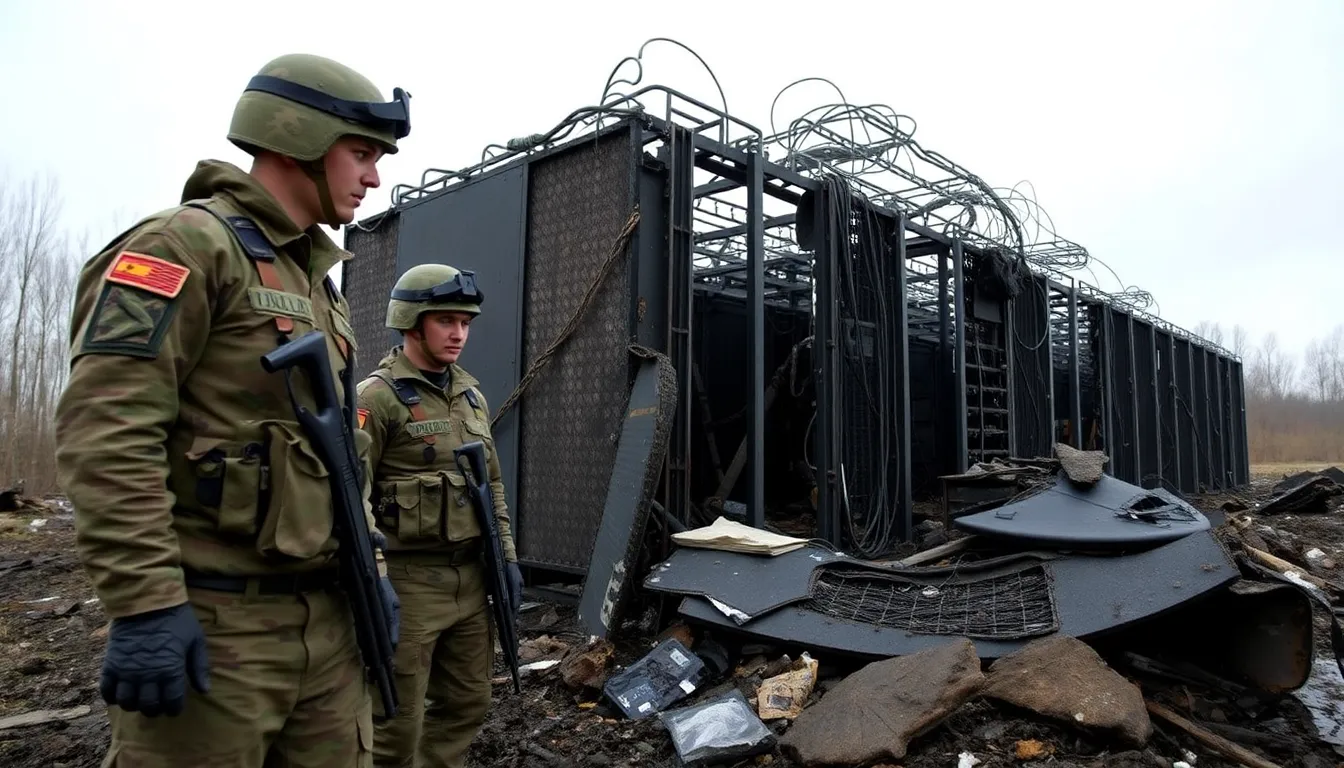
The historical context of this shift can be traced back to the increasing digitization of military operations. As nations have adopted advanced technologies such as artificial intelligence, cloud computing, and big data analytics, the military’s dependence on data-driven decision-making has intensified. This trend was notably accelerated during conflicts where cyber warfare emerged as a new front, leading to a recognition that disrupting an enemy’s data capabilities could yield significant strategic advantages.
Key Milestones in Cyber Warfare
One of the pivotal moments in this evolution was the Stuxnet attack in 2010, which demonstrated the potential for cyber operations to achieve military objectives without traditional kinetic warfare. This incident highlighted the vulnerabilities of critical infrastructure, including datacenters, and set a precedent for future conflicts where cyber tactics could be employed to undermine an adversary’s capabilities.
Moreover, the rise of non-state actors and terrorist organizations has further complicated the landscape. These groups often exploit digital infrastructures for propaganda, recruitment, and coordination of attacks. As a result, governments have recognized the necessity of protecting their own datacenters while also considering them as potential targets in countering threats from these entities.
Economically, the significance of datacenters has led to substantial investments in their security and resilience. Nations are now prioritizing the safeguarding of these facilities, understanding that their disruption can lead to widespread chaos, affecting not just military operations but also civilian life and the economy. This realization has prompted a shift in defense strategies, incorporating cyber defense as a fundamental component of national security planning.
Key stakeholders and their interests in datacenter warfare
The emergence of datacenters as strategic targets in warfare has introduced a complex web of stakeholders, each with distinct interests and motivations. Governments, private corporations, and non-state actors are all involved in this evolving landscape, where the implications of cyber and physical attacks on data infrastructure can have far-reaching consequences.
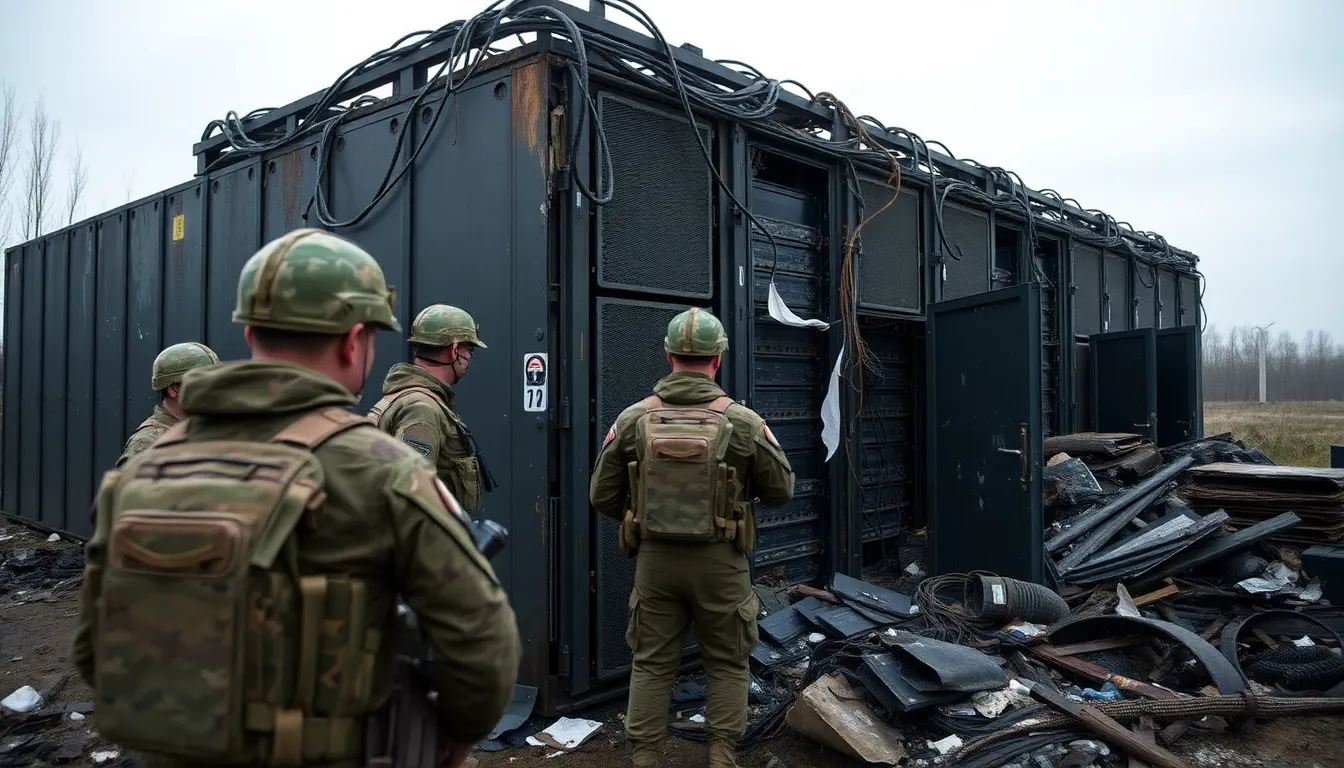
Governments are primarily concerned with national security and the protection of critical infrastructure. The vulnerability of datacenters can lead to disruptions in essential services, including communication, finance, and defense operations. As such, state actors may seek to enhance their cybersecurity measures while also considering offensive capabilities to deter or respond to threats.
Private corporations that own and operate datacenters have a vested interest in safeguarding their assets against potential attacks. These companies often face significant economic repercussions from data breaches or service disruptions, which can erode consumer trust and lead to financial losses. Additionally, they may lobby for regulatory frameworks that support their security initiatives while balancing the need for innovation and competition.
- National Security Agencies: Focused on protecting the state from cyber threats and potential espionage.
- Private Sector Operators: Aiming to secure their infrastructure and maintain operational integrity.
- Hacktivist Groups: Seeking to exploit datacenters for political or ideological purposes.
- International Organizations: Working to establish norms and regulations governing cyber warfare and data protection.
- Civil Society: Concerned about privacy, data protection, and the implications of warfare on personal information.
Conflicts arise when the interests of these stakeholders diverge. For instance, while governments may prioritize national security, private corporations may resist extensive regulatory measures that could hinder their operational flexibility. Moreover, the rise of non-state actors complicates the landscape, as they may engage in cyber warfare for reasons that do not align with traditional state interests, potentially leading to unpredictable consequences.
Key legal issues also emerge as datacenters become battlegrounds. The application of international law in cyberspace remains ambiguous, raising questions about accountability and the legality of attacks on civilian infrastructure. As the stakes escalate, the need for clear legal frameworks that define acceptable conduct in cyberspace becomes increasingly critical to mitigate conflicts and protect stakeholders’ interests.
The implications for businesses and national security
The increasing targeting of datacenters in warfare signifies a shift in the landscape of conflict, impacting various groups and industries. Tech companies, data-driven businesses, and critical infrastructure sectors are particularly vulnerable, as their operations rely heavily on the integrity and availability of data stored in these facilities. Moreover, regions with a high concentration of datacenters, such as North America and parts of Europe and Asia, face heightened risks as geopolitical tensions escalate.
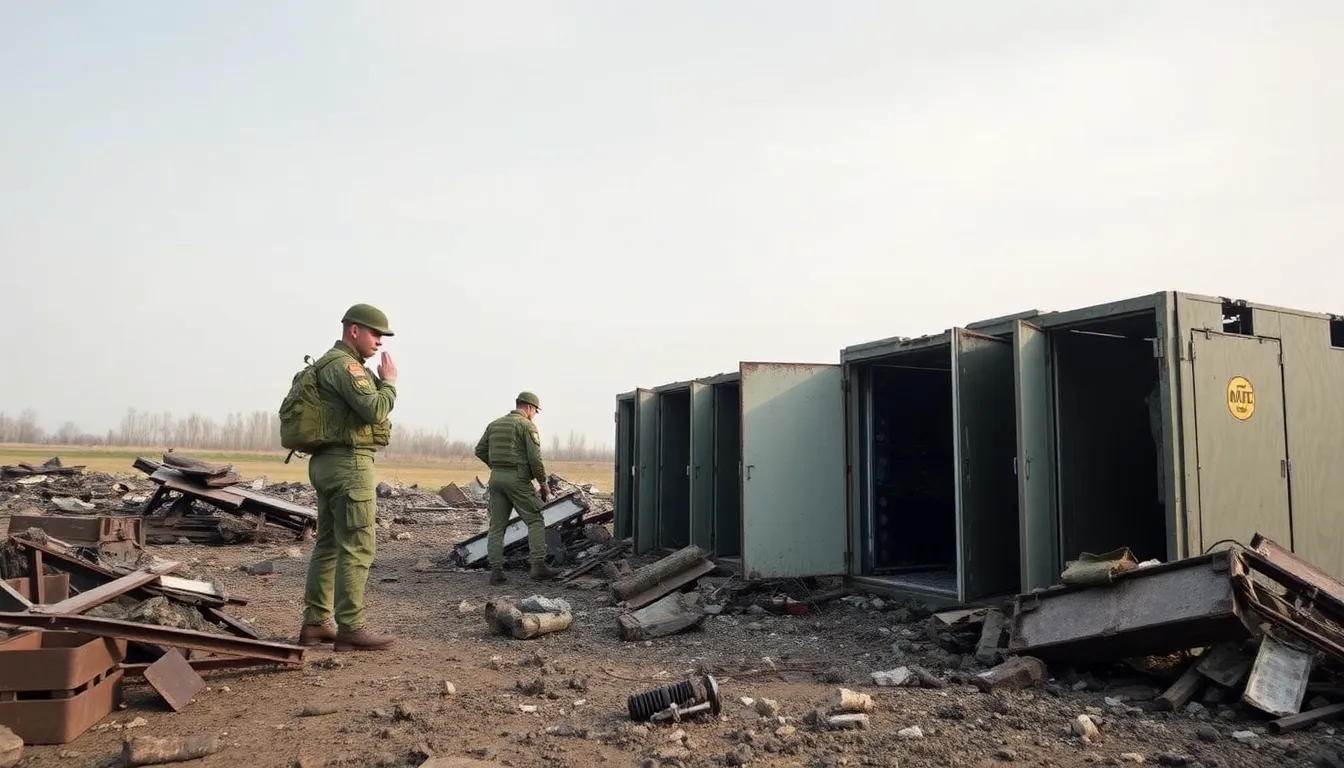
In the short term, businesses may experience disruptions in services, leading to financial losses and a decline in consumer trust. Companies that rely on cloud services or data storage may find themselves scrambling to secure their operations, which can divert resources from innovation and growth initiatives. Additionally, governments may be compelled to implement stricter regulations to protect critical data infrastructure, potentially leading to increased compliance costs for businesses.
Mid-term impacts could include a reevaluation of supply chains and data management strategies. Organizations may invest in more robust cybersecurity measures and consider diversifying their data storage locations to mitigate risks. This shift could spur growth in the cybersecurity industry, as businesses seek to fortify their defenses against potential attacks on datacenters.
- Increased cybersecurity investments: Organizations may prioritize security solutions to protect their data assets.
- Regulatory changes: Governments may introduce new policies to safeguard critical infrastructure, potentially reshaping industry standards.
- Market shifts: Companies may explore alternative data storage solutions or locations, impacting real estate and tech sectors.
While the risks are significant, there are also opportunities for innovation. The demand for advanced data protection technologies and resilient infrastructure could lead to the emergence of new startups and solutions. Additionally, collaboration between the private sector and government agencies may foster a more secure digital environment, ultimately benefiting society as a whole.
A: Datacenters are critical for communication and data storage, making them strategic assets in modern conflicts. Disrupting these facilities can cripple an enemy’s operational capabilities. A: Cyberattacks, physical assaults, and even drone strikes are being employed to target datacenters. These methods can lead to significant data loss and operational downtime. A: Implementing robust cybersecurity measures, regular audits, and physical security protocols can help safeguard datacenters. Collaboration with government agencies is also crucial. A: An attack can lead to data breaches, loss of sensitive information, and disruption of services. This can have lasting effects on customer trust and business continuity. A: Yes, international humanitarian law applies to cyber warfare, including attacks on civilian infrastructure like datacenters. However, enforcement and accountability remain complex issues.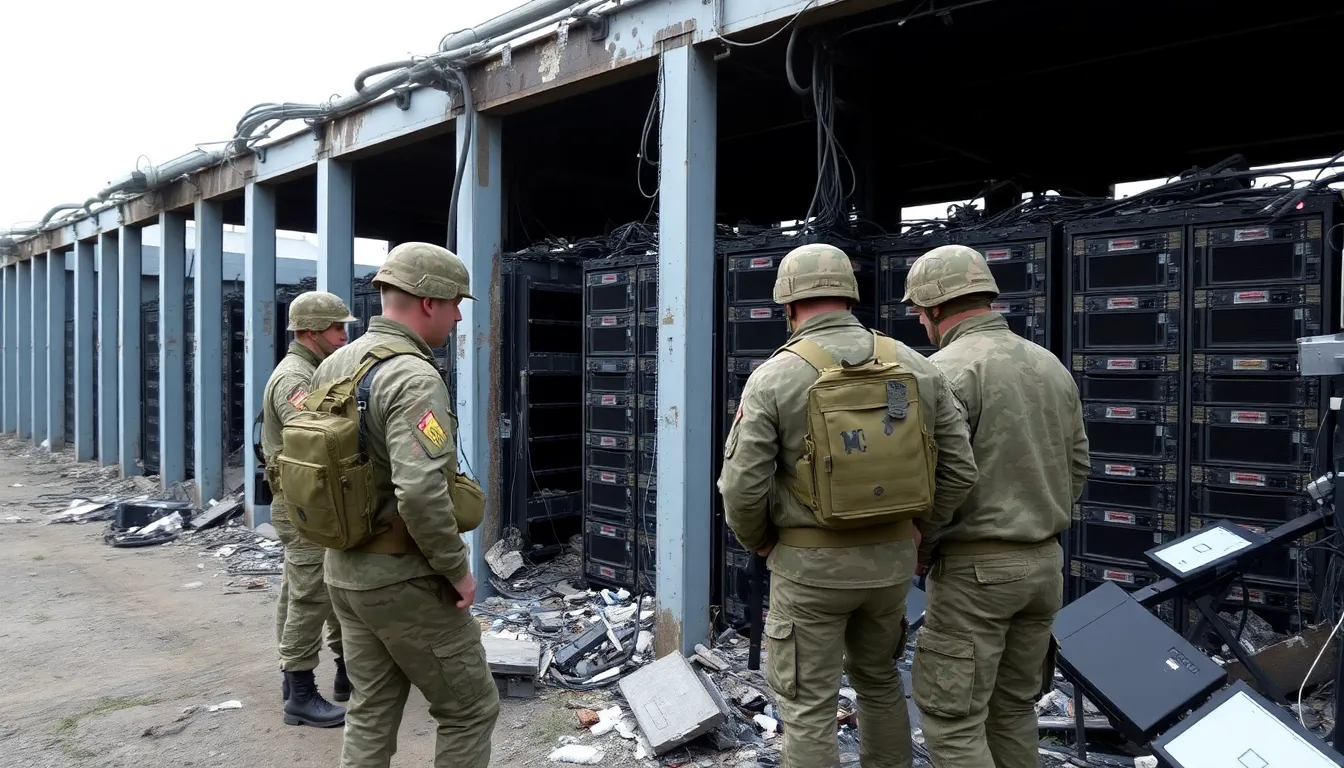
Frequently asked questions about datacenter warfare
Looking ahead: the future of datacenters in warfare
The increasing recognition of datacenters as strategic assets in modern warfare marks a significant shift in military tactics and cyber operations. As nations become more reliant on digital infrastructure, the potential for datacenters to be targeted in conflicts raises critical questions about cybersecurity, data sovereignty, and the resilience of technological frameworks. This evolving landscape necessitates a proactive approach to safeguarding these vital resources.
Stakeholders must prepare for a future where datacenters are not only pivotal in supporting civilian life but also become focal points in military strategies. The implications of this shift extend beyond immediate operational concerns to broader societal impacts, including the protection of sensitive data and the continuity of services essential for daily functioning.
- Invest in robust cybersecurity measures: Organizations must enhance their defenses against potential cyber-attacks aimed at datacenters, focusing on both physical and digital security protocols.
- Develop contingency plans: Businesses and governments should create comprehensive disaster recovery plans that address the potential fallout from attacks on datacenters.
- Monitor geopolitical developments: Keeping an eye on international relations and conflicts can provide insights into potential threats to datacenter operations.
- Emphasize data sovereignty: Companies must prioritize data protection strategies that comply with local laws and regulations, especially in conflict-prone regions.
- Foster collaboration: Encourage partnerships between the private sector and government agencies to share intelligence and resources for better protection of critical infrastructure.