
The sonifications transform scientific data into sound, offering a new perspective on the moon’s environment. By translating the electromagnetic signals into audible frequencies, NASA helps the public visualize and understand the complexities of lunar activity, including the interactions of solar winds with the moon’s surface. This innovative approach not only enhances educational outreach but also deepens our understanding of celestial bodies, making projects like Crew to Witness Solar Eclipse on Moon’s Far Side more accessible.
Recent releases of these sonifications have sparked interest among both scientists and the general public. The initiative aligns with NASA’s broader mission to make space science more accessible and engaging. As of October 2023, the agency continues to explore ways to utilize sound as a tool for scientific communication, potentially paving the way for future projects involving other celestial bodies.
These efforts underscore the importance of interdisciplinary approaches in space exploration, blending art, science, and technology. By engaging the public’s imagination through sound, NASA fosters a greater appreciation for space research and its implications for humanity. As the project evolves, it could lead to new insights into not only the moon but also the fundamental nature of sound in space.
Understanding the significance of lunar sound data
The exploration of the moon has captivated humanity for decades, not only as a frontier of scientific inquiry but also as a cultural touchstone. The idea of the “dark side of the moon,” a term that refers to the side of the moon that is always facing away from Earth, has sparked imagination and curiosity. Historically, this area was shrouded in mystery, leading to numerous myths and artistic interpretations. However, advances in technology have allowed scientists to study this enigmatic region in unprecedented ways, including through the medium of sound.
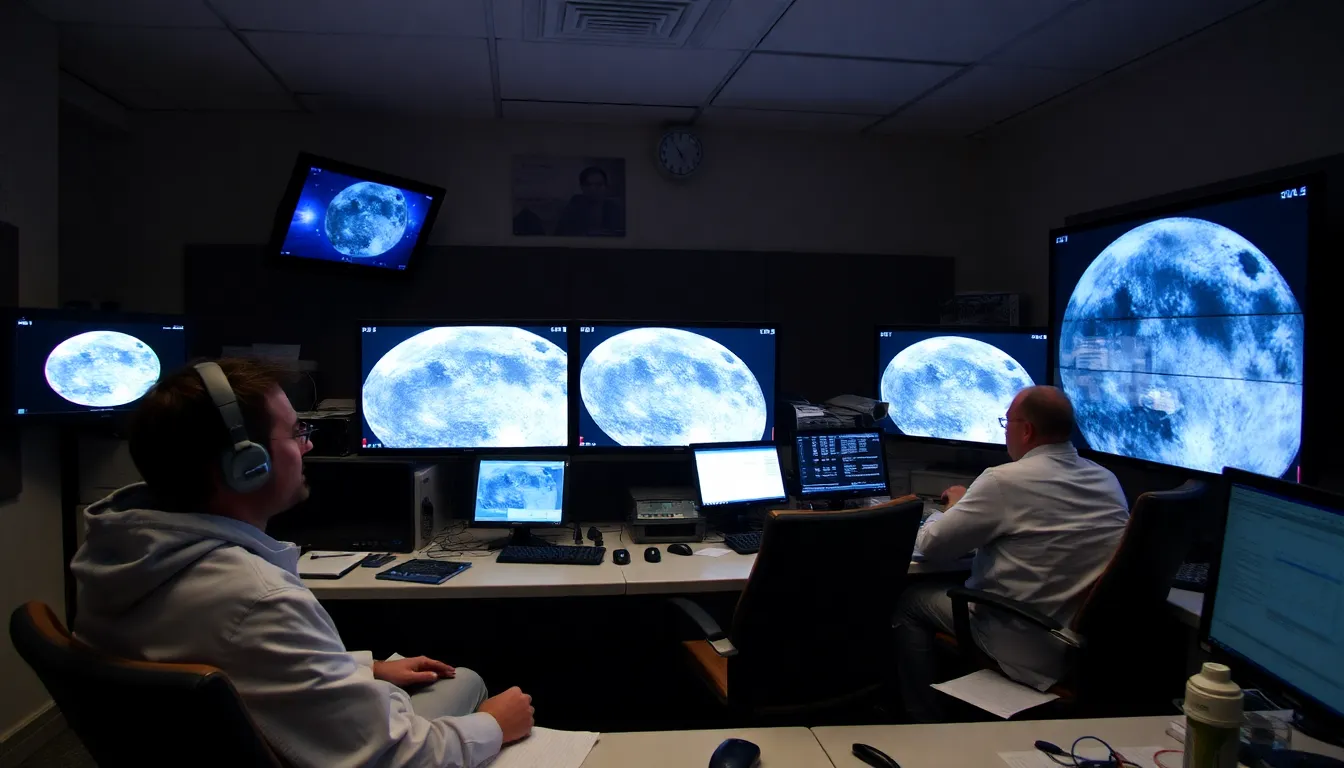
NASA’s recent efforts to sonify lunar data represent a significant milestone in our understanding of the moon. By converting data collected from lunar missions into sound, researchers are able to create an auditory experience that brings the moon’s environment to life. This innovative approach not only enhances scientific comprehension but also provides a unique way for the public to engage with space exploration, much like the Exploring the Depths of BBC Inside Science series that sheds light on remarkable scientific endeavors.
The evolution of lunar exploration
The journey of lunar exploration began with the Soviet Union’s Luna program in the 1950s, which aimed to send robotic missions to the moon. This was followed by NASA’s Apollo program, culminating in the historic Apollo 11 mission in 1969, when humans first set foot on the lunar surface. Over the decades, various missions have contributed to our understanding of the moon’s geology, atmosphere, and potential for future exploration. The recent resurgence of interest in lunar studies, driven by both scientific and economic factors, has seen nations and private companies alike invest in lunar missions, further expanding our knowledge.
As technology evolves, so too does our ability to gather and interpret data from celestial bodies. The use of sonification in lunar studies is a prime example of how interdisciplinary approaches can yield new insights. By translating data into sound waves, scientists can analyze patterns that might be overlooked in visual data alone, inviting everyone to connect with the moon in a more visceral way and prompting reflections akin to those found in Exploring the Teens of The Testaments in Relation to The Handmaid’s Tale on interpretation and understanding.
Key stakeholders and their roles in lunar sonification
In the exploration of the dark side of the moon and its sonifications, several key stakeholders play vital roles. NASA, as the primary organization behind lunar exploration, is at the forefront of these initiatives. Their interest lies in enhancing our understanding of the moon’s environment and translating scientific data into accessible formats for the public.
Another significant actor is the scientific community, including researchers and astronomers who utilize the sonifications to study the moon’s geology and seismic activity. Their goal is to interpret the data to gain insights into the moon’s formation and evolution, which can also inform future missions.
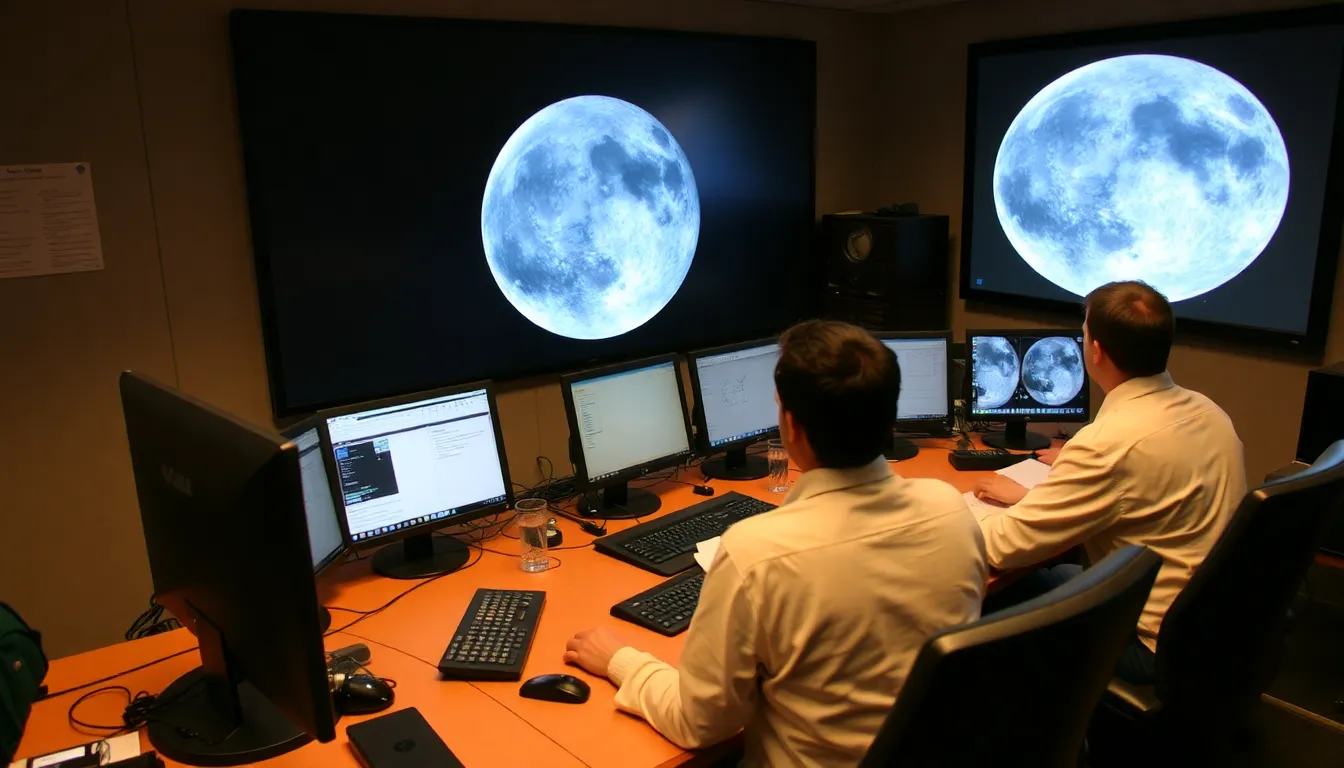
Private companies involved in space technology and communication also have a stake in lunar sonification. These organizations aim to develop innovative tools and platforms that can process and disseminate the data effectively, potentially leading to commercial opportunities in space exploration and tourism.
- NASA: Focused on scientific discovery and public engagement through innovative data presentation.
- Scientific Community: Interested in understanding lunar phenomena and contributing to academic research.
- Private Companies: Seeking to leverage lunar data for technological advancements and commercial ventures.
- Governments: May support initiatives for international collaboration in space exploration and research.
While these stakeholders share a common interest in lunar exploration, conflicts may arise regarding funding, data ownership, and the commercialization of space. Balancing public access to scientific data with proprietary interests is a key legal and economic issue that needs careful consideration as lunar sonification projects progress.
How lunar sounds influence scientific research and public interest
The recent sonifications released by NASA, which translate data from the Moon into sound, have the potential to impact various groups, including scientists, educators, and the general public. Researchers in the fields of astrophysics and planetary science can utilize these auditory experiences to enhance their understanding of lunar phenomena, while educators can incorporate these sounds into their curricula to spark interest in space exploration among students.
In the short term, the accessibility of lunar sounds can significantly boost public interest in space missions and scientific research. This heightened interest may lead to increased attendance at planetarium shows, science fairs, and public lectures, ultimately fostering a culture of curiosity and learning. As more people engage with the content, there is a potential rise in funding and support for space-related initiatives.
Mid-term impacts may include shifts in policy as governments and organizations recognize the value of public engagement in science. Increased advocacy for funding in space exploration and education could emerge, leading to more resources allocated to research and outreach programs. Additionally, industries such as tourism may see opportunities for lunar-themed experiences, further intertwining public interest with economic growth.
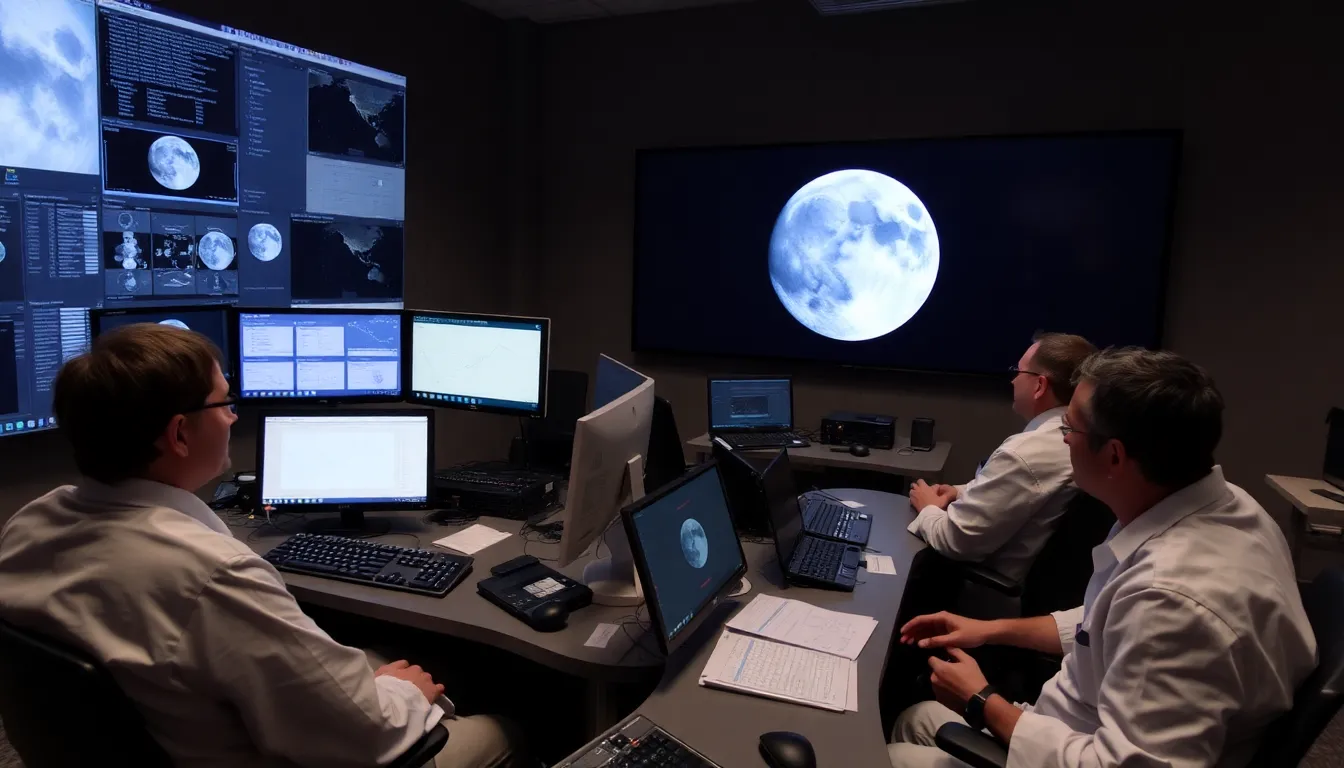
- Scientific Research: Enhanced understanding of lunar phenomena.
- Education: Increased engagement with STEM subjects.
- Public Interest: Growth in attendance at space-related events.
- Policy Changes: Potential for increased funding for space initiatives.
- Tourism Opportunities: Development of lunar-themed experiences.
However, there are risks associated with this newfound interest. As public fascination with space grows, there may be unrealistic expectations regarding the pace of space exploration and discovery. Additionally, the commercialization of lunar sounds could lead to oversaturation of the market, diluting the scientific value of these sonifications. It is crucial for stakeholders to balance enthusiasm with responsible communication about the realities of space research.
A: Sonifications are the conversion of data into sound. NASA uses them to help visualize and understand complex data from space missions. A: The dark side of the moon is significant because it remains largely unexplored and can provide insights into the moon’s geology and history. A: NASA provides access to these sounds through their official website and various media platforms, allowing the public to experience lunar sonifications. A: The sounds represent various lunar phenomena, including seismic activity and interactions with solar wind, helping scientists understand the moon’s environment. A: Yes, these sounds can be used in educational settings to engage students in astronomy and space science, making complex concepts more accessible.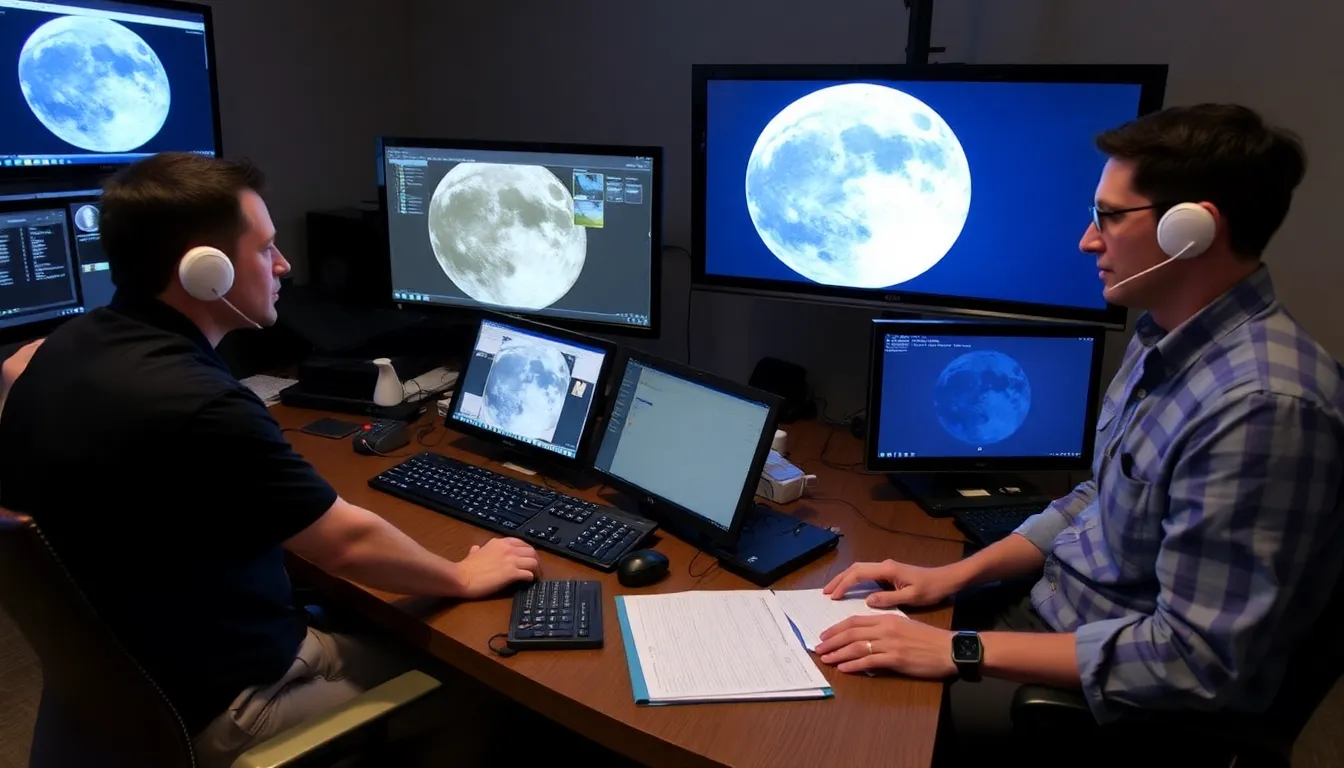
Frequently Asked Questions about lunar sonifications
Key takeaways and future directions in lunar exploration
The recent sonifications by NASA provide a unique auditory glimpse into the dark side of the moon, transforming the way we perceive lunar environments. By translating data into sound, these innovations not only enhance our understanding of the moon’s surface and its geological activity but also open new avenues for public engagement and scientific inquiry.
As we look ahead, the integration of sound data into lunar exploration could lead to more immersive experiences for researchers and enthusiasts alike. This approach may pave the way for further advancements in how we collect and interpret extraterrestrial data, potentially influencing future missions and our understanding of other celestial bodies.
- Enhanced public engagement: Sonifications can foster a deeper connection between the public and space exploration, making scientific data more accessible and relatable.
- New research methodologies: The use of sound data may encourage interdisciplinary approaches, combining art, science, and technology in innovative ways.
- Future mission planning: Insights gained from these sonifications could inform the design and objectives of upcoming lunar missions, focusing on areas of interest identified through auditory data.
- Potential applications beyond the moon: Techniques developed for lunar sonification could be adapted for other planetary bodies, expanding our understanding of the solar system.