
As of October 15, 2023, the tanker has been adrift for several days after losing power, prompting international maritime authorities to monitor its trajectory closely. The Libyan Coast Guard has expressed its readiness to intervene if the vessel poses a threat to local waters or shipping lanes. The entry of the tanker into Libyan waters has sparked discussions about the safety protocols in place for damaged vessels in busy maritime corridors.
The presence of the “Mikhail Ulyanov” in Libyan waters is significant not only due to its cargo but also because it highlights the vulnerabilities of maritime operations in the region. With Libya’s ongoing political instability and the history of foreign intervention in its affairs, the situation could potentially escalate if not managed properly. Observers are particularly concerned about how this incident might affect regional security and energy supply chains.
In light of these developments, various stakeholders, including the Libyan government and international shipping companies, are closely watching the situation. The potential for environmental damage and disruption to maritime traffic emphasizes the need for a coordinated response to ensure both safety and stability in the area. As the situation unfolds, further updates will be critical in understanding the broader implications of this maritime incident.
Recommended Articles
Understanding the background of the tanker incident
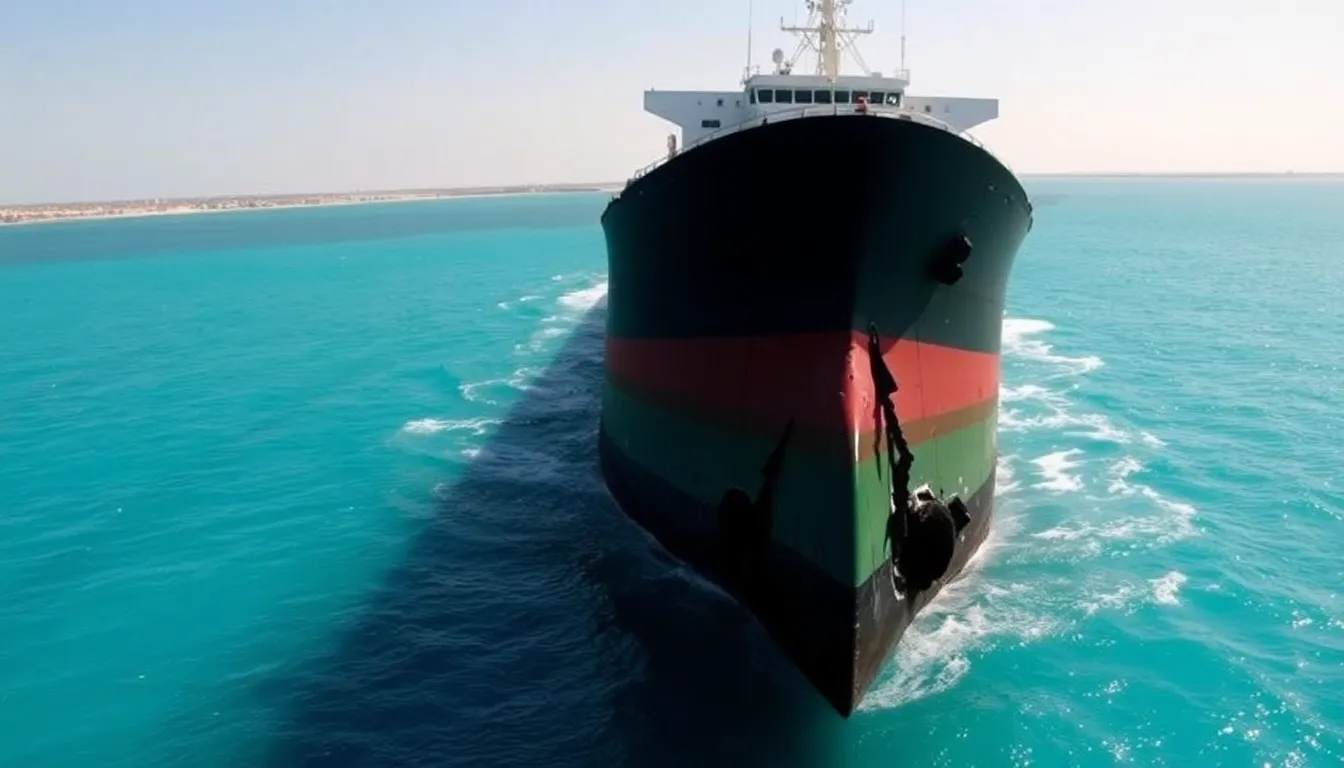
The recent incident involving a damaged Russian tanker carrying natural gas drifting into Libyan waters highlights the complex interplay of geopolitical tensions, energy security, and maritime law. This situation can be traced back to the broader context of international sanctions imposed on Russia following its actions in Ukraine, which have significantly impacted its energy exports. As a result, Russian vessels have increasingly sought alternative routes and markets, leading to heightened scrutiny and risks in international waters.
Historically, Libya has been a key player in the global energy market, possessing vast reserves of oil and natural gas. However, the country has faced years of political instability since the fall of Muammar Gaddafi in 2011. The ongoing civil conflict has created a fragmented political landscape, making it difficult for the Libyan government to effectively manage its resources and maritime borders. This instability has attracted foreign interests, complicating the situation further as various factions vie for control over lucrative energy assets.
The Role of Maritime Law
Maritime law plays a crucial role in incidents like the one involving the Russian tanker. According to the United Nations Convention on the Law of the Sea (UNCLOS), nations have jurisdiction over their territorial waters, but the situation becomes murky in cases of distress or damage. The legal implications of a foreign vessel entering Libyan waters, especially one carrying a controversial cargo like natural gas, raise questions about responsibility, liability, and the potential for diplomatic fallout between Russia and Libya.
Furthermore, the economic implications of this incident are significant. As global energy markets continue to fluctuate, the presence of a Russian tanker in Libyan waters could affect local dynamics, potentially leading to increased tensions among competing factions within Libya. Additionally, this event underscores the broader challenges facing energy security in the Mediterranean region, where geopolitical rivalries often intersect with economic interests.
In summary, the drifting of the damaged Russian tanker into Libyan waters is not just an isolated incident but rather a reflection of ongoing geopolitical tensions, economic interests, and the complexities of maritime law that define the contemporary energy landscape. Understanding these factors is essential to grasp the potential ramifications of this event on both regional stability and global energy markets.
Analyzing the stakeholders involved in the tanker situation
The incident of the damaged Russian tanker carrying natural gas drifting into Libyan waters has brought various stakeholders into the spotlight. These include the Russian government, the Libyan authorities, international shipping companies, environmental organizations, and local communities. Each of these actors has distinct interests and concerns regarding the situation.
The Russian government is primarily interested in protecting its economic interests, particularly in the energy sector. The tanker, which is carrying a valuable cargo, poses a risk of environmental contamination and potential loss of revenue. Additionally, Russia’s geopolitical interests in the Mediterranean region may be affected by how the situation unfolds.
On the other hand, the Libyan authorities face a complex challenge. They must address the potential environmental hazards posed by the tanker while also considering the implications for national security and maritime sovereignty. The presence of a foreign vessel in their waters raises questions about jurisdiction and the ability to manage the situation effectively.
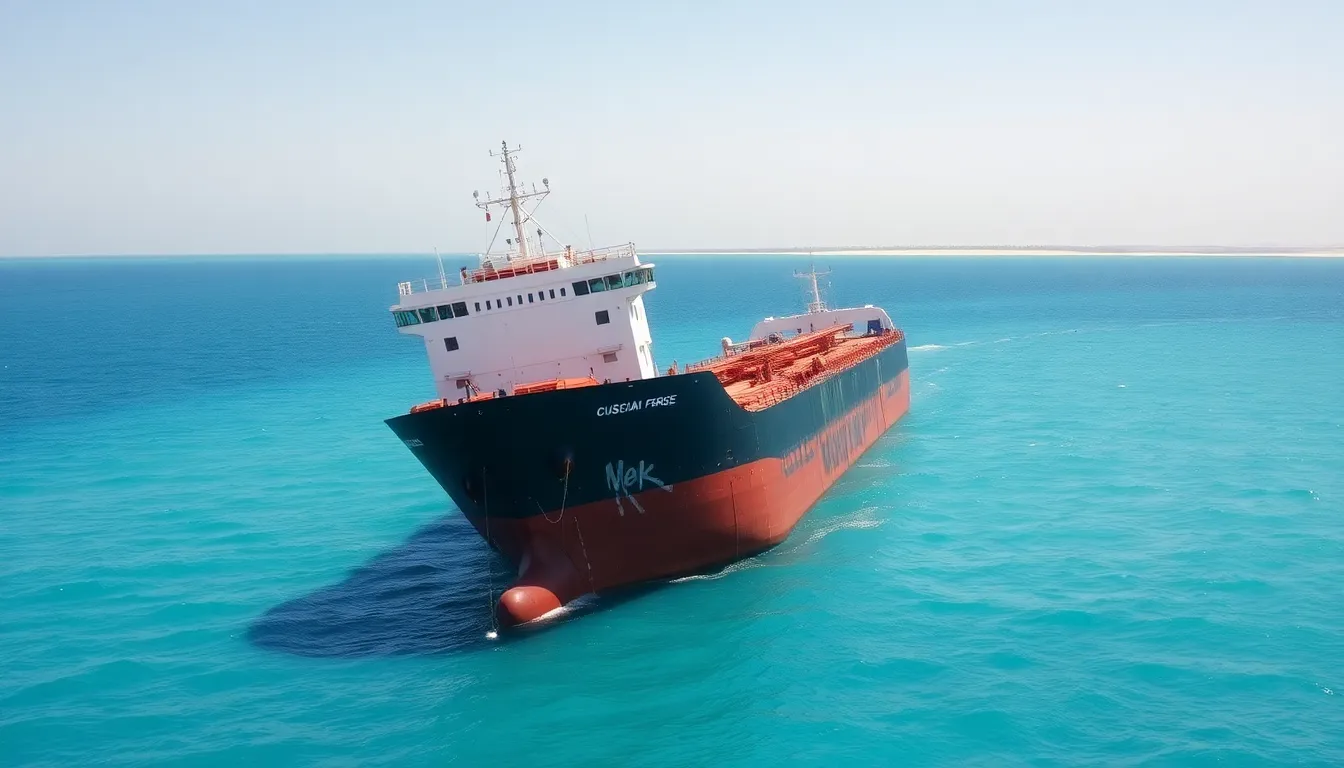
- Environmental Concerns: The risk of natural gas leaks or spills could have devastating effects on marine ecosystems.
- Economic Implications: Both Russia and Libya stand to lose financially if the tanker is unable to offload its cargo safely.
- Legal Issues: The situation raises questions regarding international maritime law and the responsibilities of the ship’s owners and operators.
- Geopolitical Tensions: The incident may exacerbate existing tensions in the region, particularly involving NATO and other Western interests.
- Local Community Impact: Coastal communities in Libya may be affected by environmental risks and economic disruptions.
International shipping companies are also stakeholders, as the incident could impact shipping routes and insurance rates. The outcome may influence future operational protocols in the region, especially concerning the transportation of hazardous materials. Environmental organizations are likely to advocate for protective measures to mitigate ecological risks, while local communities will be concerned about the immediate and long-term effects on their livelihoods and health.
The potential impact on local communities and markets
The recent incident involving a damaged Russian tanker carrying natural gas drifting into Libyan waters poses significant risks and opportunities for various groups and industries. Local communities, fishermen, environmentalists, and the energy sector are among those most affected by this event.
In the short term, there are concerns about environmental hazards, including potential gas leaks or spills that could threaten marine life and local fishing industries. Fishermen in the region may experience immediate disruptions to their livelihoods, as contaminated waters could render fishing unsafe or unviable. Additionally, local tourism could suffer if beaches and coastal areas are impacted by pollution.
Mid-term impacts may include shifts in energy markets, particularly if the tanker’s cargo is deemed unsafe or if cleanup efforts delay its delivery. This could lead to fluctuations in natural gas prices, affecting consumers and businesses reliant on stable energy costs. Moreover, local governments may need to implement stricter regulations regarding maritime safety and environmental protection, which could reshape policy frameworks in the region.
- Risk of environmental contamination affecting marine ecosystems
- Short-term economic losses for local fishermen and tourism
- Potential volatility in natural gas prices impacting businesses
- Increased regulatory scrutiny on maritime operations
On the flip side, this incident may present opportunities for local governments and organizations to enhance their emergency response strategies and environmental protections. Collaborations between local authorities and international bodies could lead to improved maritime safety standards, benefiting the region in the long run. Additionally, investment in clean-up and restoration efforts might stimulate local economies and create jobs in the environmental sector.
A: The tanker reportedly sustained damage due to rough weather conditions while navigating through the Mediterranean Sea. A: There are significant risks of natural gas leakage, which could harm marine life and local ecosystems in Libyan waters. A: The responsibility lies with the shipping company that owns the tanker, as well as the flag state under which the vessel is registered. A: The Libyan government is currently assessing the situation and may take measures to secure the tanker and prevent environmental damage. A: Authorities may deploy response teams to monitor the situation and implement containment strategies to prevent any potential spills.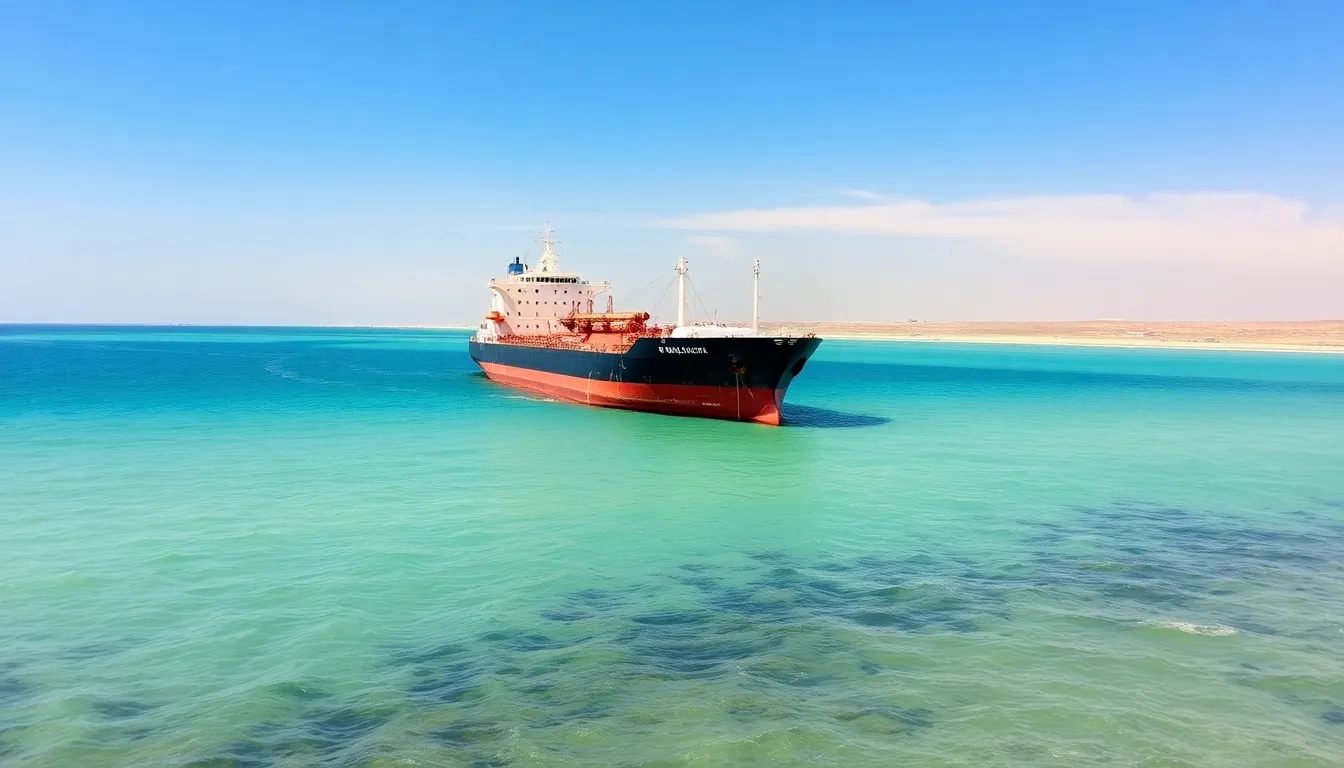
Frequently asked questions about the tanker incident
Key takeaways and future outlook on the situation
The recent incident involving a damaged Russian tanker carrying natural gas drifting into Libyan waters raises significant concerns about maritime safety, geopolitical tensions, and environmental risks. As the situation develops, it is crucial to monitor the implications for regional stability and international energy markets.
Stakeholders should remain vigilant about the potential for increased scrutiny on maritime operations in the Mediterranean, as well as the responses from both Libyan authorities and international maritime organizations. The incident could serve as a catalyst for renewed discussions on maritime security protocols and environmental safeguards in the region.
- Potential for environmental impact: The risk of a gas leak or spill may lead to environmental degradation, prompting urgent response measures.
- Geopolitical ramifications: Increased tensions between Russia and Western nations may arise, affecting diplomatic relations and energy supply chains.
- Maritime security focus: This incident may lead to enhanced maritime patrols and regulations in the Mediterranean to prevent similar occurrences.
- Market fluctuations: Natural gas prices could be influenced by the perceived risks associated with supply routes and geopolitical stability.
- International cooperation: The situation may encourage collaborative efforts among nations to address maritime safety and environmental protection.