
The Board of Control for Cricket in India (BCCI) and the Bangladesh Cricket Board (BCB) have exchanged heated statements regarding the perceived lack of sportsmanship during matches. Notably, a crucial ODI match on September 15, 2023, ended in a disputed finish that sparked allegations of unfair play, further complicating diplomatic ties between the two nations. Such incidents highlight the importance of sportsmanship in international relations.
As both countries prepare for the 2024 Olympics, the breakdown in cricket relations could have ripple effects on India’s sporting reputation and its ability to foster collaboration with neighboring countries. Analysts warn that unresolved issues in cricket could hinder India’s efforts to secure support and partnerships in other sports, potentially affecting its overall Olympic strategy, which has become increasingly intertwined with global political landscapes.
The situation has prompted calls for dialogue between the two cricket boards to mend fences and restore goodwill. With the cricketing calendar packed and the Olympics on the horizon, stakeholders are urging both sides to prioritize constructive engagement to avoid further deterioration of relations.
Historical context of cricket relations in South Asia
The relationship between cricketing nations in South Asia has been shaped by a complex interplay of historical, political, and social factors. Cricket, often referred to as a religion in this region, serves not only as a sport but also as a significant cultural touchstone that reflects national pride and identity. The rivalry and camaraderie among nations like India, Pakistan, and Bangladesh have evolved over decades, influenced by their shared colonial past and subsequent independence movements.
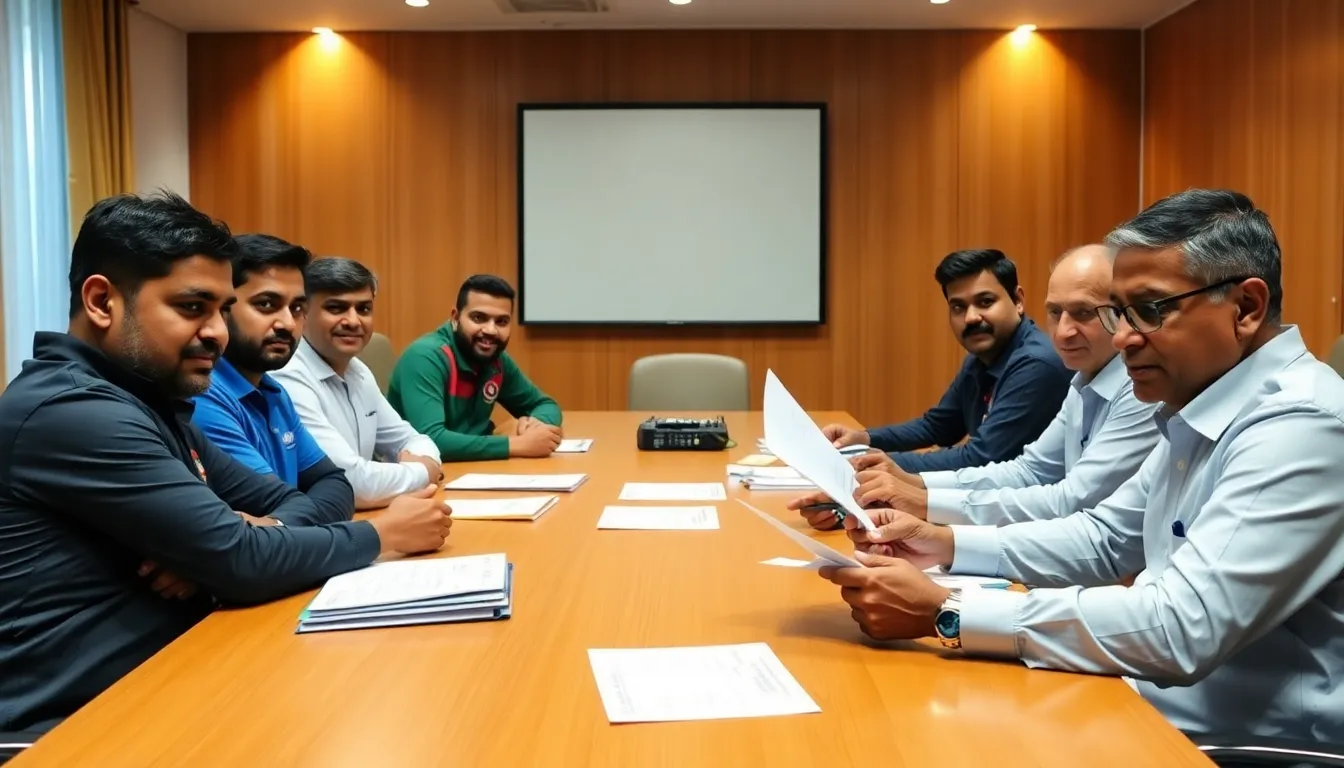
Bangladesh’s cricketing journey began post-independence in 1971, but it wasn’t until the late 1990s that the nation gained full Test status. This marked a significant milestone in its cricketing history, allowing Bangladesh to compete at the highest level. The early years were challenging, with the team struggling to find its footing. However, the 1999 Cricket World Cup, where Bangladesh achieved a historic victory over Pakistan, ignited a newfound passion for the sport within the country and laid the groundwork for its cricketing ambitions.
In recent years, the cricketing ties between India and Bangladesh have seen both collaboration and friction. The bilateral series and tournaments have fostered goodwill, but incidents such as controversies over player selections and match outcomes have occasionally strained relations. The political landscape, including diplomatic ties and trade agreements, has further influenced these dynamics, creating an environment where sports can serve as a barometer for broader geopolitical relations.
Key milestones in cricket relations
Several key milestones have defined the cricketing relationship between India and Bangladesh. The inaugural Test match between the two nations in 2000 set the stage for future encounters, while the 2015 World Cup match, which saw Bangladesh defeat India, marked a turning point, showcasing Bangladesh’s growing prowess in the sport. Additionally, India’s support for Bangladesh’s cricketing infrastructure and development has been a significant aspect of their relationship, highlighting the potential for cricket to bridge gaps even amidst political tensions.
Key stakeholders and the implications of the breakdown
The recent deterioration in cricket relations between India and Bangladesh has raised significant concerns among various stakeholders, including national cricket boards, athletes, and governmental bodies. The Board of Control for Cricket in India (BCCI) and the Bangladesh Cricket Board (BCB) are at the forefront of this issue, as their collaboration is vital for fostering cricketing ties and ensuring mutual benefits through bilateral series and tournaments.
One of the primary interests of the BCCI is to maintain its dominance in the cricketing world while expanding its influence in neighboring countries. Conversely, the BCB seeks recognition and opportunities for growth in international cricket, which can be jeopardized by strained relations. The breakdown not only affects cricketing events but also has broader implications for India’s bid to host the Olympics, as sporting diplomacy plays a crucial role in international relations.
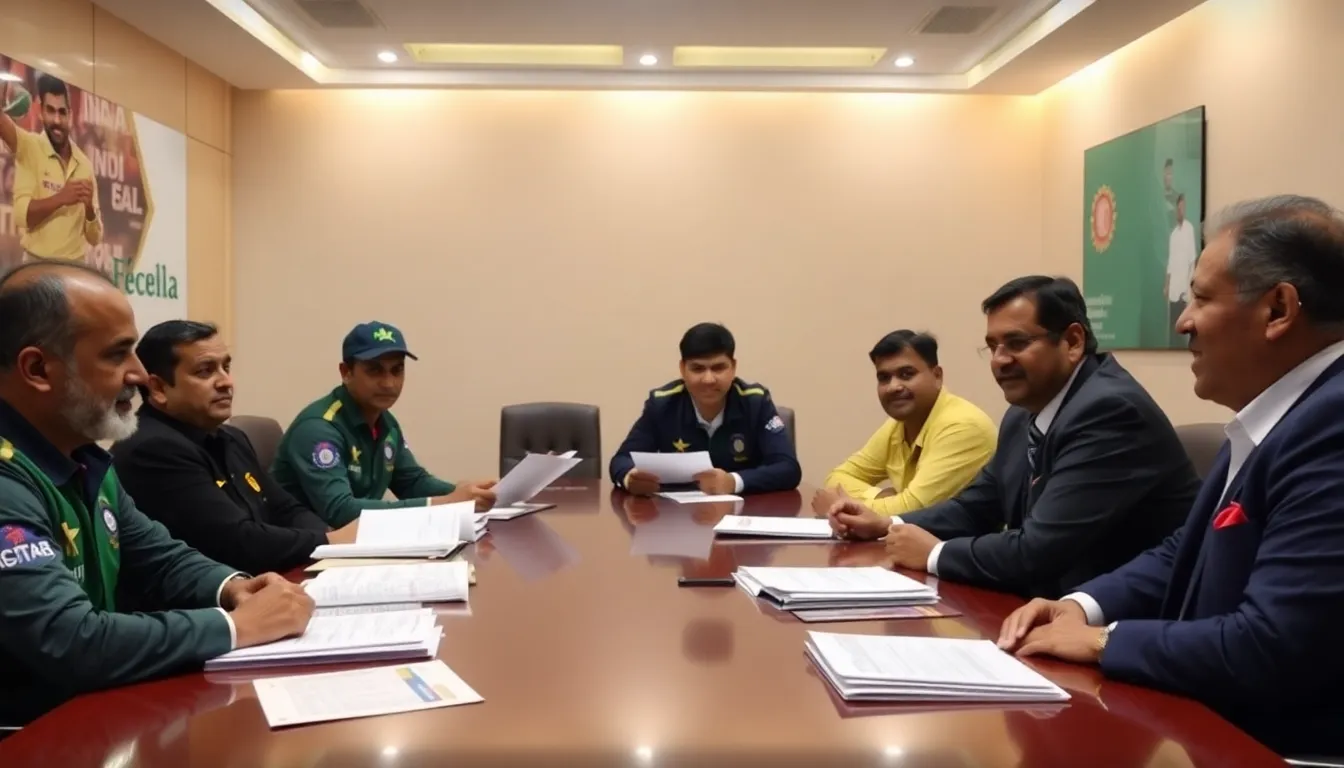
Key issues arising from this breakdown include:
- Economic Impact: Financial losses from canceled matches or diminished sponsorships can adversely affect both boards.
- Legal Concerns: Potential disputes over contracts and agreements related to series and sponsorships may arise.
- Diplomatic Relations: The fallout could strain diplomatic ties, impacting other areas of cooperation between India and Bangladesh.
- Player Opportunities: Cricketers from both nations may miss out on valuable playing experiences and exposure.
Furthermore, the implications extend beyond cricket; they touch on national pride and regional stability. The Indian government, alongside cricketing authorities, must navigate these tensions carefully to ensure that the broader objectives of sporting unity and international collaboration are not compromised. The outcome of this situation could significantly influence India’s Olympic aspirations, as a united front in sports often translates to enhanced international standing and support.
Potential impact on India’s Olympic bid and regional sports
The recent breakdown in cricket relations between India and Bangladesh has raised significant concerns, particularly regarding India’s aspirations for hosting the Olympic Games. This situation primarily affects several groups, including sports federations, athletes, and local businesses tied to the sporting industry. The ripple effects are felt not just in cricket but across various sports disciplines that rely on international cooperation and goodwill.
In the short term, the fallout from this breakdown may lead to a decrease in collaborative sports initiatives, affecting training and development programs for athletes. Additionally, local businesses that benefit from cricket-related tourism and events may experience a decline in revenue. Stakeholders in the sports industry, including sponsors and advertisers, might reconsider their investments due to the uncertainty surrounding international matches and events.
In the mid-term, the strained relations could impact policy decisions related to sports diplomacy. The Indian government may need to reassess its approach to fostering relationships with neighboring countries, which could influence future Olympic bids. The potential for reduced visibility and support for Indian athletes in international competitions poses a risk to their performance and morale.
- Decline in sports tourism: Reduced attendance at matches and events could hurt local economies.
- Investment hesitancy: Sponsors may withdraw or reduce funding for sports initiatives.
- Policy shifts: Changes in diplomatic strategies may alter the landscape of sports collaborations.
- Opportunities for new partnerships: Other nations may step in to fill the void left by strained relations.
Despite the challenges, there are potential opportunities for India to strengthen ties with other countries, fostering new partnerships that could enhance its Olympic bid. By focusing on building relationships with nations that share similar sporting goals, India could create a more inclusive and diverse sporting environment, ultimately benefiting its athletes and the broader sports community.
A: The breakdown is attributed to recent disagreements over scheduling and management of cricket tours, which have escalated tensions between the two nations. A: The strained relations may hinder India’s diplomatic efforts in securing support from Bangladesh, which is crucial for a successful Olympic campaign. A: India and Bangladesh have a long-standing cricket rivalry, but their relationship has often been marked by both competitive spirit and diplomatic cooperation. A: Yes, the breakdown could impact various sports collaborations and events between the two countries, affecting athletes and fans alike. A: Diplomatic dialogue and a commitment to mutual respect in scheduling and management could help restore cricket relations between India and Bangladesh.
Frequently asked questions regarding the cricket relations issue
Future outlook on cricket diplomacy and Olympic prospects
The recent deterioration in cricket relations between India and Bangladesh raises significant concerns for India’s aspirations in securing a successful Olympic bid. The interdependence of sports diplomacy and international relations is becoming increasingly evident, and the breakdown in this particular area could hinder India’s broader goals on the global stage. As both nations navigate their respective interests, the need for strategic engagement and dialogue will be paramount.
Looking ahead, the implications of this rift extend beyond cricket, potentially affecting other collaborative efforts in sports and cultural exchanges. It is essential to monitor how these developments unfold, as they may influence India’s standing within the Olympic community and its ability to host future events.
- India should prioritize rebuilding cricket relations with Bangladesh to strengthen bilateral ties.
- Monitoring diplomatic engagements between sports authorities will provide insights into future collaborations.
- India’s Olympic bid may require enhanced international partnerships to offset any fallout from cricket tensions.
- Public sentiment around cricket and sports diplomacy could impact India’s image leading up to the Olympics.
- Engagement strategies should consider leveraging other sports to foster goodwill and cooperation.