
Immediately following the incident, law enforcement responded swiftly, securing the area and ensuring the safety of those present. Fortunately, no injuries were reported, but the incident raised significant concerns about security at high-profile events. Eyewitness accounts described a chaotic scene as attendees sought shelter and information amid the unfolding crisis.
In the days that followed, social media platforms became inundated with rumors and conspiracy theories regarding the motives behind the shooting. Various narratives emerged, some suggesting political motivations, while others speculated about potential links to broader societal issues. This online discourse has sparked intense debates about the role of misinformation in shaping public perception during crises, similar to discussions raised in the article Reporters React to Shooting Incident at White House Correspondents’ Dinner.
The incident has prompted discussions among lawmakers and security experts about the adequacy of current safety measures at public gatherings. As the investigation continues, officials are working to determine the source of the gunfire and whether any individuals were specifically targeted. The implications of this event extend beyond the immediate aftermath, raising questions about the safety of public events in an increasingly polarized environment.
Understanding the Background of the Correspondents Dinner
The White House Correspondents’ Dinner, an annual event held since 1920, serves as a gathering for journalists, politicians, and celebrities. Traditionally, it aims to celebrate the work of the press and promote the importance of a free media in a democratic society. Over the years, the dinner has evolved from a simple banquet into a high-profile gala featuring comedy, speeches, and awards, often drawing significant media attention.
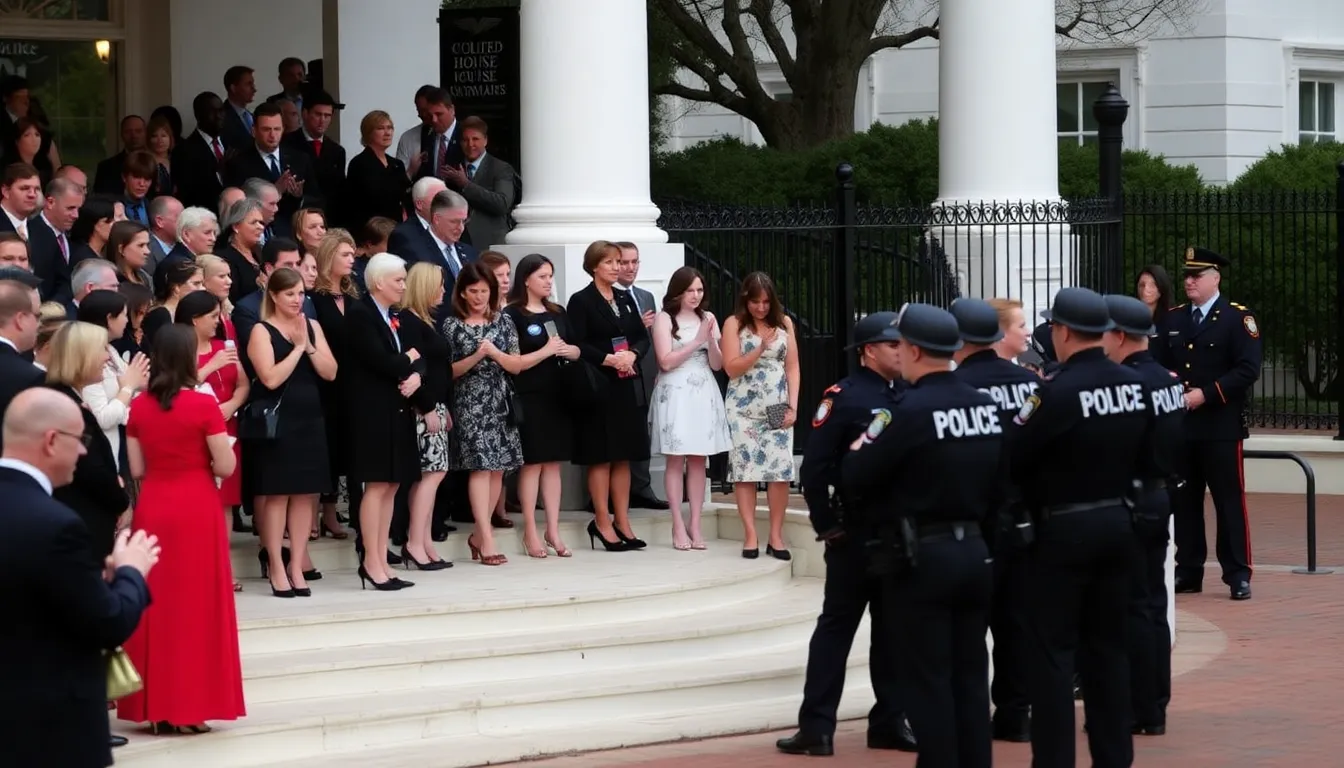
Historically, the dinner has been a platform for the sitting president to engage with the press and the public in a light-hearted manner. However, it has also been a stage for political commentary and satire, reflecting the tense relationship between the media and the government. The event’s tone has shifted depending on the political climate, with some years marked by camaraderie and others by sharp criticism of the administration’s policies and actions.
Recent Incidents and Rising Tensions
In recent years, the Correspondents’ Dinner has faced scrutiny amid increasing polarization in American politics. The relationship between the media and the government has become increasingly fraught, with accusations of “fake news” and hostility toward journalists becoming commonplace. This environment has heightened tensions surrounding the event, leading to a more cautious approach by some attendees and organizers.
The recent shooting incident during the dinner has intensified these concerns, prompting a flurry of rumors and conspiracy theories online. The chaotic nature of social media allows misinformation to spread rapidly, complicating public understanding of the event and its implications. As people seek answers, the blending of fact and speculation has created a challenging landscape for both journalists and the public, echoing themes found in the article High Street mini-marts involved in drug sales revealed by BBC investigation.
Understanding the historical context of the Correspondents’ Dinner is crucial to grasping the current situation. The event’s legacy of promoting press freedom and accountability is now overshadowed by fears of violence and misinformation, raising questions about the future of such gatherings in a deeply divided society.
Examining the Stakeholders and Key Issues Surrounding the Incident
The recent shooting incident at the Correspondents Dinner has drawn significant attention from various stakeholders, each with distinct interests and concerns. Among the primary actors are the media organizations, government officials, law enforcement agencies, and the general public. Each of these groups plays a crucial role in shaping the narrative and response to the event.
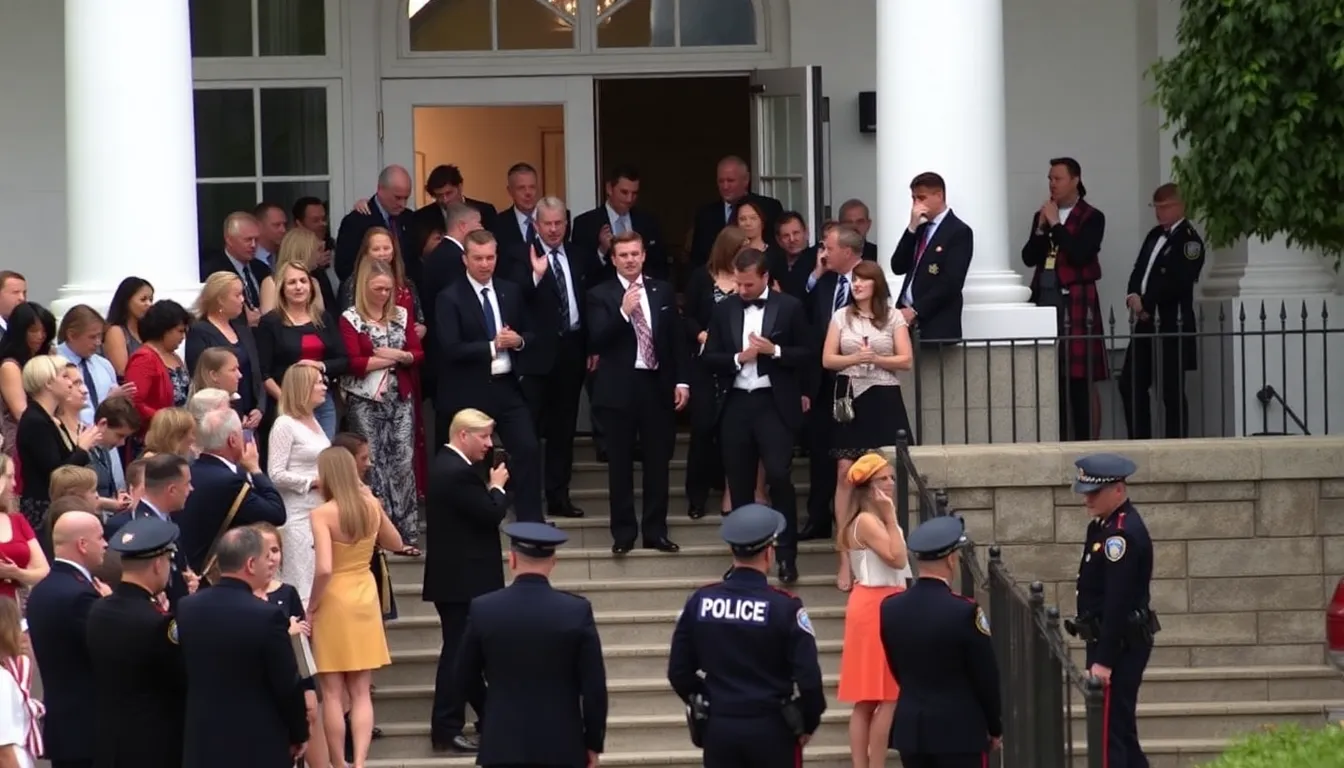
Media organizations are particularly invested in this incident, as it raises questions about press freedom and the safety of journalists. Their interests lie in ensuring that such events are covered comprehensively while advocating for the protection of their reporters. This incident may also lead to discussions about the responsibilities of media outlets in reporting on sensitive issues, especially when conspiracy theories begin to proliferate.
Government officials and law enforcement agencies are focused on maintaining public safety and restoring order. Their interests include investigating the shooting thoroughly to prevent future occurrences and addressing any public fears that arise from the incident. Additionally, they must navigate the complexities of legal implications surrounding the shooting, including potential charges against the perpetrator and the impact on public policy regarding gun control and event security.
The general public, particularly those attending the event, has a vested interest in understanding the motives behind the shooting and the subsequent rumors and conspiracy theories that have emerged online. Misinformation can lead to heightened anxiety and distrust in institutions, making it essential for credible sources to provide accurate information. The spread of conspiracy theories can also detract from the seriousness of the incident and complicate the investigation, which also relates to the tragic story of Dylan Carter from The Voice.
- Media’s role in shaping public perception and accountability.
- Government’s responsibility for public safety and legal ramifications.
- Impact of misinformation on public trust and safety.
- The potential for increased security measures at future events.
- Long-term implications for press freedom and journalist safety.
Impact on Public Perception and Media Landscape
The recent shooting at the Correspondents Dinner has sent shockwaves through various sectors, particularly affecting the media, public safety organizations, and political circles. Journalists and media outlets are grappling with the rising tide of misinformation and conspiracy theories that have proliferated online since the incident. This has led to a growing mistrust among the public, who are increasingly questioning the credibility of news sources.
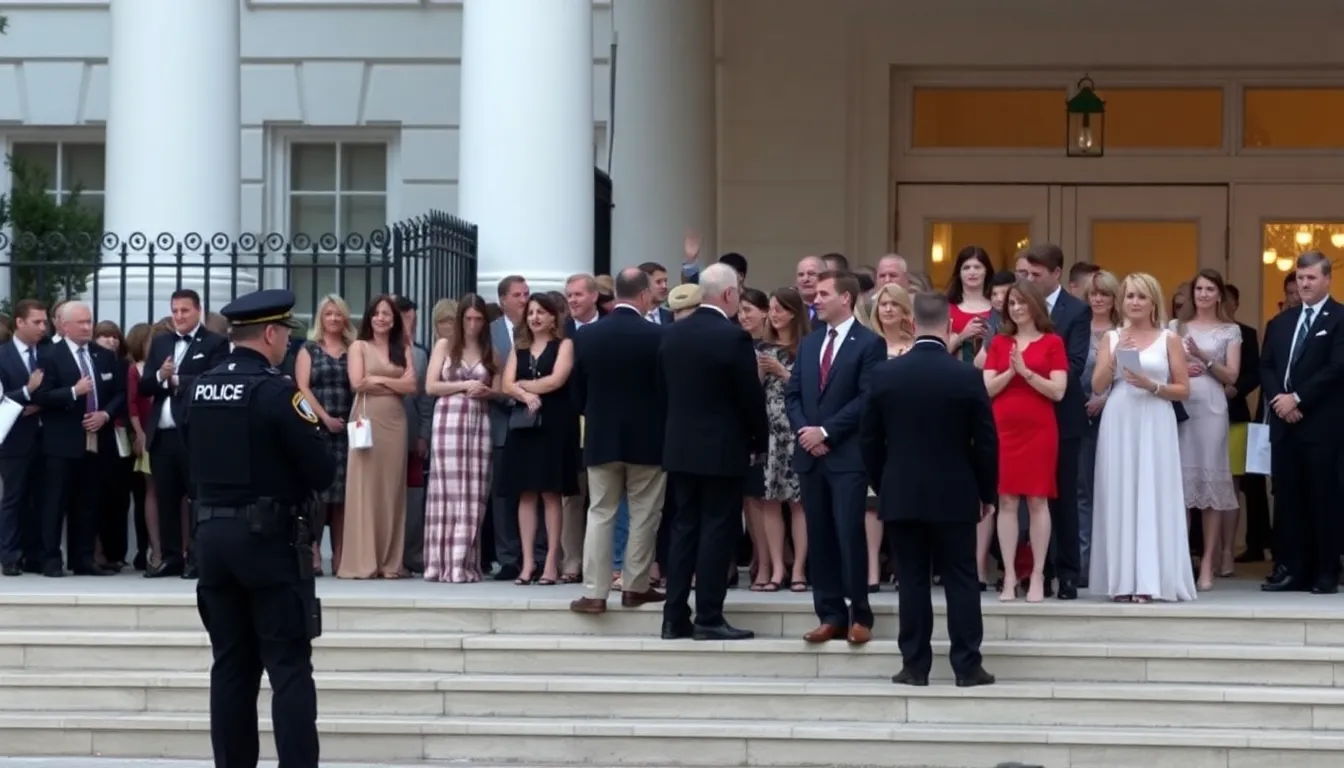
In the short term, media organizations are likely to experience heightened scrutiny and pressure to provide accurate reporting. This could lead to increased operational costs as they invest in fact-checking resources and security measures to protect their personnel. Additionally, public events may see stricter security protocols, which could alter the dynamics of how journalists engage with the public.
In the mid-term, the impact on public perception may lead to significant changes in policy regarding media coverage of sensitive events. Policymakers might push for regulations aimed at curbing the spread of misinformation, which could affect the freedom of expression. Furthermore, industries related to event management and public relations may need to adapt their strategies to navigate the new landscape of heightened awareness and concern over safety.
- Media Industry: Increased scrutiny and operational costs.
- Public Safety Organizations: Enhanced security measures at events.
- Political Circles: Potential policy changes affecting media freedom.
- Public Trust: Growing skepticism toward news sources.
While the risks are pronounced, there are also opportunities for media outlets to establish themselves as trusted sources of information. By prioritizing transparency and accuracy, they can differentiate themselves in a crowded marketplace. Additionally, organizations that specialize in crisis management and misinformation mitigation may find a surge in demand as public concern over safety and truth in media continues to rise.
A: The shooting occurred during the annual Correspondents Dinner, causing chaos and concern among attendees. Details are still emerging as investigations continue. A: High-profile events often attract speculation and conspiracy theories, especially when details are unclear. This incident has been no exception. A: Social media platforms allow for rapid sharing of information, which can lead to the quick spread of both accurate news and misinformation. A: News organizations and social media platforms are working to fact-check claims and provide accurate information to counteract false narratives. A: The shooting may lead to increased scrutiny of security at public events and a heightened awareness of the dangers of misinformation.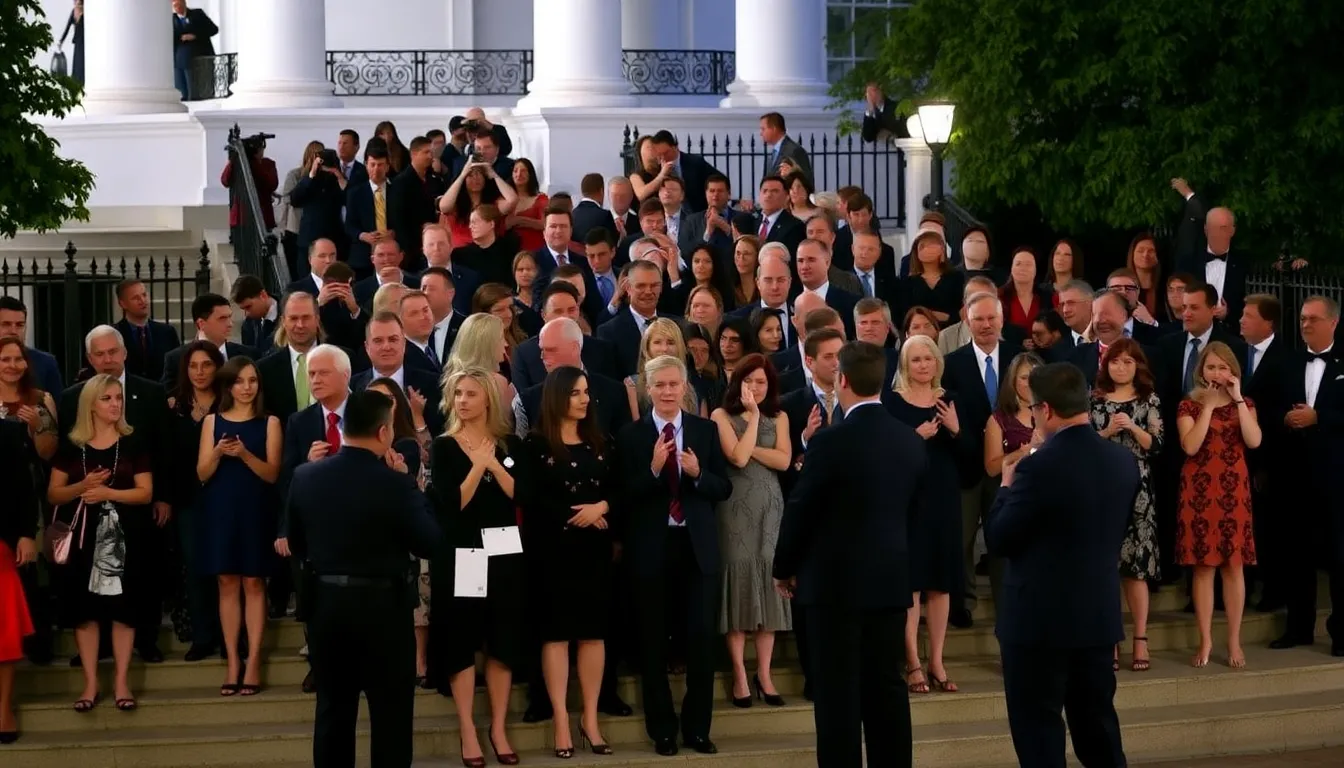
Frequently Asked Questions About the Shooting and Its Aftermath
Key Takeaways and Future Implications
The recent shooting incident following the Correspondents Dinner has not only raised immediate concerns about public safety but has also ignited a wave of speculation and conspiracy theories across various online platforms. The rapid dissemination of informationoften unverifiedhighlights the challenges faced by both authorities and the public in discerning fact from fiction in today’s digital landscape.
Moving forward, it will be crucial to monitor how these narratives evolve and the potential impact they may have on public perception and policy. As more details emerge, the interplay between media coverage, social media discourse, and governmental response will shape the broader conversation surrounding safety and accountability in public events.
- Watch for increased scrutiny on security measures at public events, as stakeholders demand greater accountability.
- Monitor the role of social media platforms in managing misinformation and the effectiveness of their response strategies.
- Consider the potential for long-term changes in public sentiment regarding safety and trust in media reporting.
- Be aware of the emergence of grassroots movements or advocacy groups that may arise in response to the incident.