
On the night of October 10, 2023, a meteor shower, known as the Draconids, peaked, providing a spectacular show for stargazers. This annual event is characterized by its unpredictability, with some years yielding hundreds of visible meteors per hour. This year, reports indicated a significant increase in visibility, attributed to favorable weather conditions and the moon’s phase. Many enthusiasts took to social media to share their experiences and findings, encouraging others to also explore the wonders of the night sky.
Simultaneously, meteorological phenomena have also been observed, including sun rays breaking through clouds after rainstorms. These rays, often referred to as “crepuscular rays,” occur when sunlight streams through gaps in clouds, creating a beautiful visual effect. The occurrence of these rays has been particularly notable in regions experiencing transitional weather, where storm systems are frequent.
The convergence of these celestial and meteorological events is significant for several reasons. It serves as a reminder of the intricate relationship between celestial mechanics and atmospheric conditions, and it encourages public interest in both astronomy and meteorology. Additionally, social media platforms have seen an influx of shared images, fostering a community of enthusiasts eager to document and discuss these breathtaking moments.
The Science Behind Meteor Showers and Sun Rays
Meteor showers have captivated humanity for centuries, often interpreted as celestial events with significant cultural and spiritual implications. Historically, these phenomena occur when Earth passes through the debris left by comets, resulting in a dazzling display of shooting stars. The most well-known meteor showers, such as the Perseids and the Geminids, have been documented since ancient times, with references found in various cultures, from the Babylonians to the Chinese. For those interested in learning more about specific meteor showers, there are numerous resources available online.
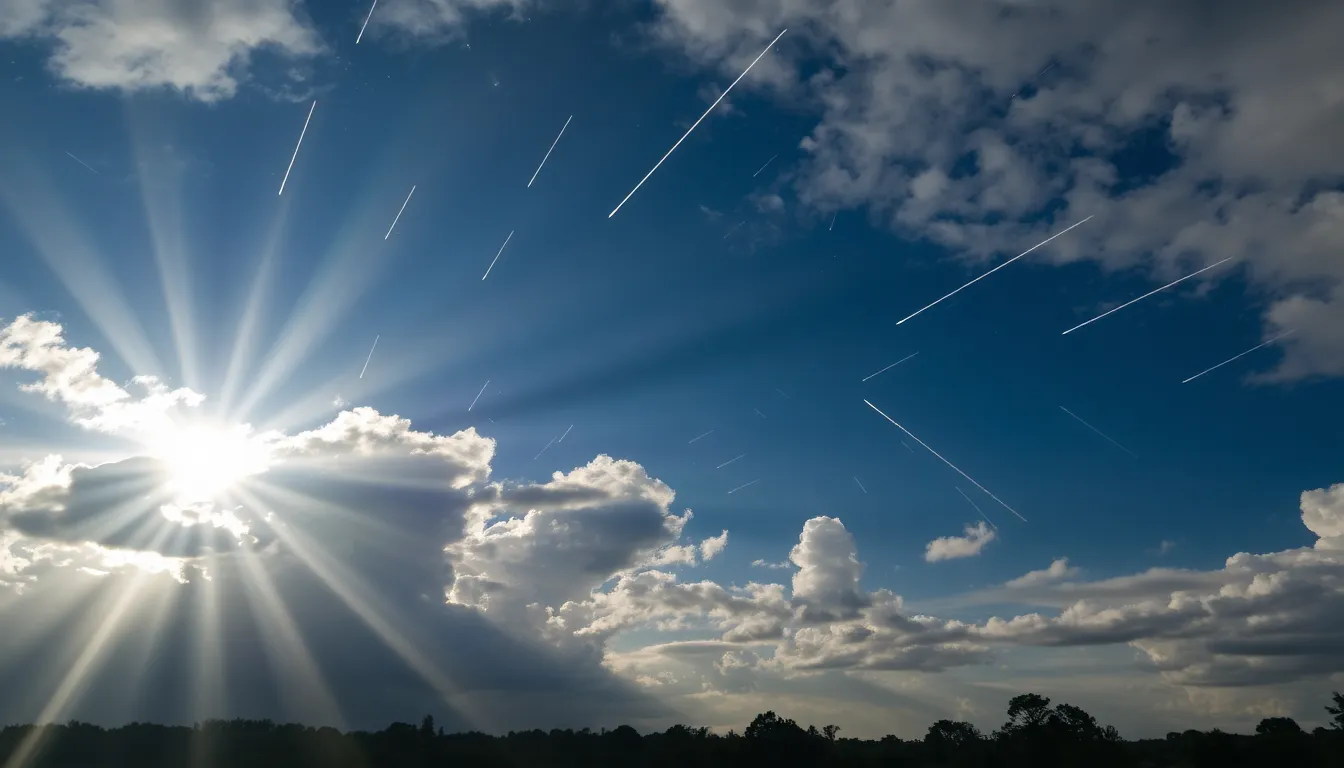
On the other hand, sun rays, particularly those that break through clouds in a dramatic fashion, have also held a prominent place in human experience and artistic expression. The phenomenon of crepuscular rays, which are rays of sunlight that appear to radiate from the sun, can create breathtaking visuals at dawn and dusk. This natural spectacle has inspired countless artists and photographers, symbolizing hope and new beginnings. The interplay of light and shadow in the sky has been a subject of fascination throughout history, often used to convey deeper meanings in literature and art.
The Intersection of Science and Art
The relationship between meteor showers and sun rays exemplifies the intersection of science and art. As scientific understanding of these phenomena has evolved, so too has their representation in various forms of media. Advances in photography and technology have enabled enthusiasts to capture stunning images of meteor showers and sun rays, allowing for a broader appreciation of these natural wonders. This fascination is reflected in various articles and studies that delve into the beauty of our changing skies.
In recent years, the rise of environmental awareness has also influenced how we perceive and document these celestial events. As climate change continues to alter weather patterns, the visibility and frequency of meteor showers and sun rays may change, prompting a renewed interest in their documentation. This shift not only highlights the importance of scientific observation but also emphasizes the role of individual experiences in shaping our understanding of the natural world.
Ultimately, the fascination with changing skies serves as a reminder of the beauty and complexity of our universe. Whether through the lens of a camera or the strokes of a paintbrush, the documentation of meteors and rays reflects humanity’s enduring quest to connect with the cosmos and find meaning in the ephemeral moments of life.
Key Stakeholders in Sky Observation and Photography
The observation and photography of the sky, particularly in relation to phenomena such as meteors and atmospheric rays, involve a diverse range of stakeholders. These include amateur and professional astronomers, environmental organizations, government agencies, and the general public. Each of these groups has distinct interests and motivations that influence their engagement with sky observation.
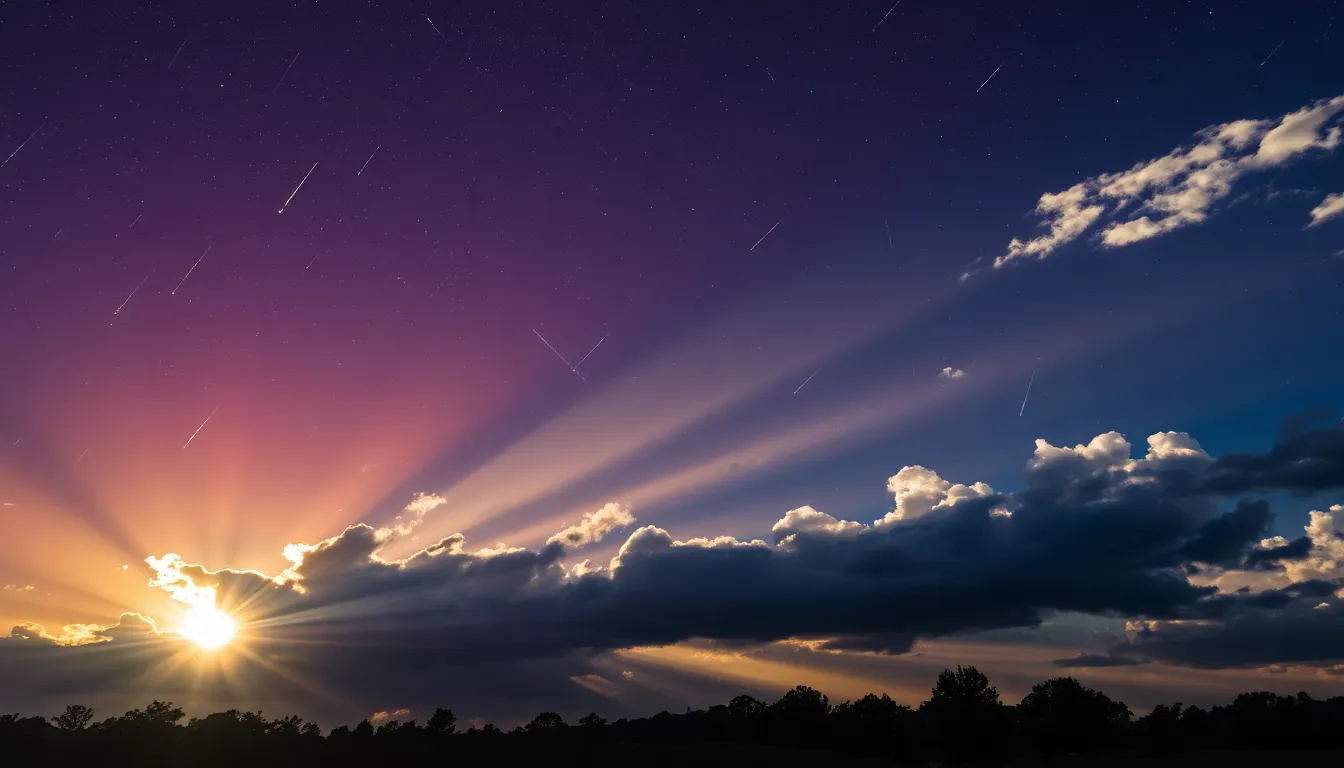
Amateur astronomers and photography enthusiasts are often driven by a passion for capturing the beauty of the night sky and a desire to share their experiences with others. They utilize social media platforms to showcase their work, fostering a community that values both artistic expression and scientific inquiry. However, the increase in light pollution from urban development poses a significant challenge to their ability to observe celestial events.
Professional astronomers and researchers, on the other hand, focus on the scientific aspects of sky phenomena. They are interested in collecting data on meteor showers, atmospheric conditions, and climate change impacts. Their work often requires collaboration with government and environmental organizations to secure funding and resources. Conflicts can arise when scientific interests clash with commercial activities, such as mining or construction, which may disrupt natural observation sites.
- Environmental Organizations: Advocate for policies that protect dark sky areas from light pollution and industrial encroachment.
- Government Agencies: Responsible for regulating air quality and light pollution, balancing economic development with environmental protection.
- Commercial Interests: Companies involved in tourism or technology may seek to capitalize on sky observation, leading to potential trade-offs with conservation efforts.
- Public Interest Groups: Raise awareness about the importance of preserving natural skies for both ecological and cultural reasons.
Legal and economic issues also play a crucial role in the dynamics of sky observation. Regulations surrounding light pollution vary significantly by region, impacting how stakeholders can interact with the night sky. Additionally, funding for astronomical research often competes with other budgetary priorities, leading to debates over resource allocation. Overall, the interplay between these stakeholders highlights the complexities of maintaining a balance between scientific exploration, environmental stewardship, and public enjoyment of the skies.
How Changing Skies Affect Communities and Enthusiasts
The phenomenon of changing skies, from meteor showers to dramatic rays of light, has a diverse impact on various groups, including astronomers, photographers, and local communities. Enthusiasts who capture these celestial events often share their experiences on social media, creating a ripple effect that engages a broader audience. This engagement can foster a sense of community and promote interest in astronomy and environmental awareness.
Industries such as tourism and outdoor recreation are particularly influenced by these atmospheric changes. Regions known for clear skies and optimal viewing conditions may see an influx of visitors during meteor showers or other celestial events. This can lead to increased business for local hotels, restaurants, and tour operators, providing a much-needed boost to the economy.
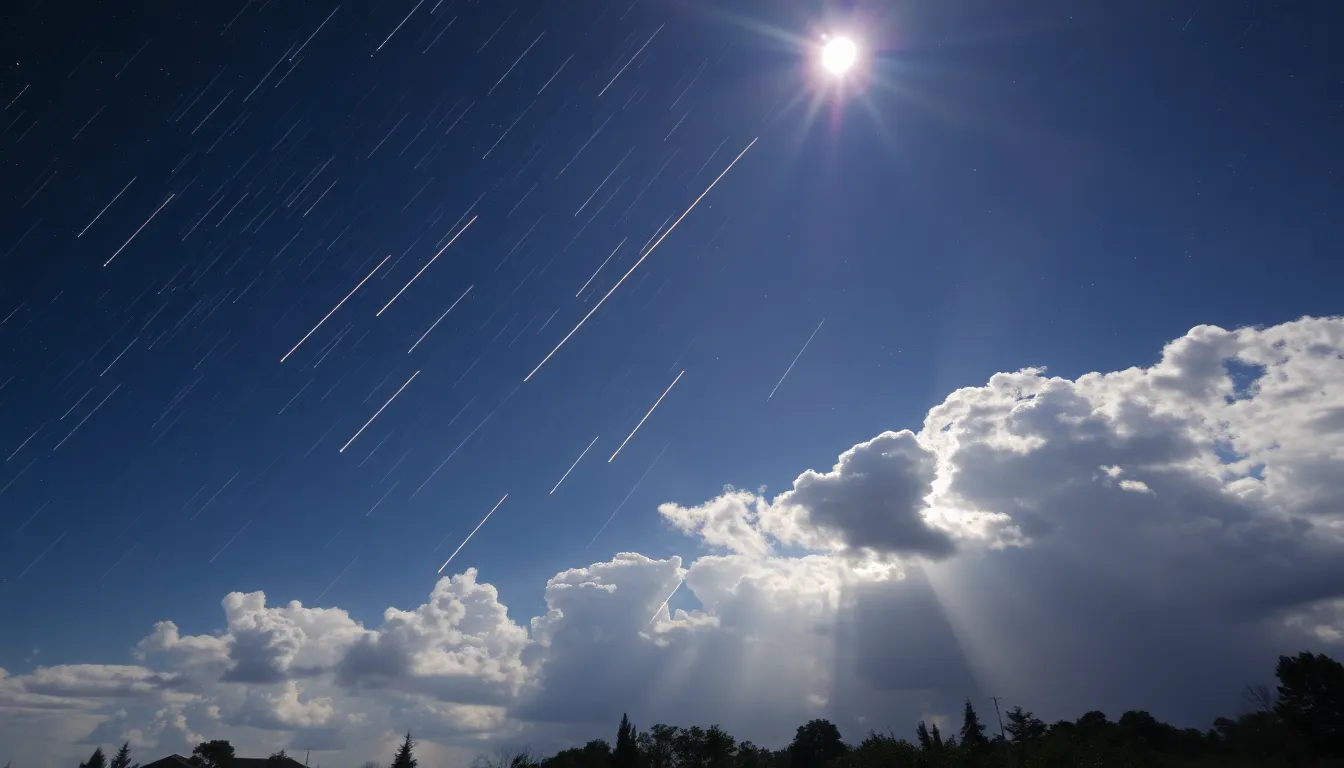
However, there are also risks associated with these phenomena. For instance, urban areas with high light pollution may miss out on the beauty of these events, potentially leading to a sense of disconnect for residents. Additionally, severe weather conditions can hinder visibility, impacting planned events and activities. In the short term, this can lead to disappointment and reduced participation in community gatherings.
- Short-term impacts: Increased tourism and local business revenue during celestial events.
- Mid-term impacts: Potential policy changes to improve light pollution regulations and promote stargazing opportunities.
- Risks: Disappointment due to weather conditions and light pollution in urban areas.
- Opportunities: Growth in educational programs and workshops focused on astronomy and environmental stewardship.
In summary, the changing skies present both challenges and opportunities for various sectors. By embracing these celestial events, communities can enhance their cultural identity while also promoting sustainable practices that benefit both the environment and local economies.
A: The best times to capture meteor showers are during peak activity periods, typically late at night until dawn. Clear skies and minimal light pollution also enhance visibility. A: To improve your sky photography skills, practice using long exposure settings and experiment with different angles. Joining local photography groups can also provide valuable tips and feedback. A: A DSLR or mirrorless camera with manual settings, a sturdy tripod, and a wide-angle lens are ideal for capturing meteor showers. Don’t forget extra batteries and memory cards. A: Yes, locations away from city lights, such as national parks or elevated areas, are recommended for sky photography. Researching local astronomy clubs can also lead to great spots. A: Weather conditions play a crucial role in sky photography. Clear skies are essential for visibility, while overcast conditions can obscure celestial events. Always check the forecast before heading out.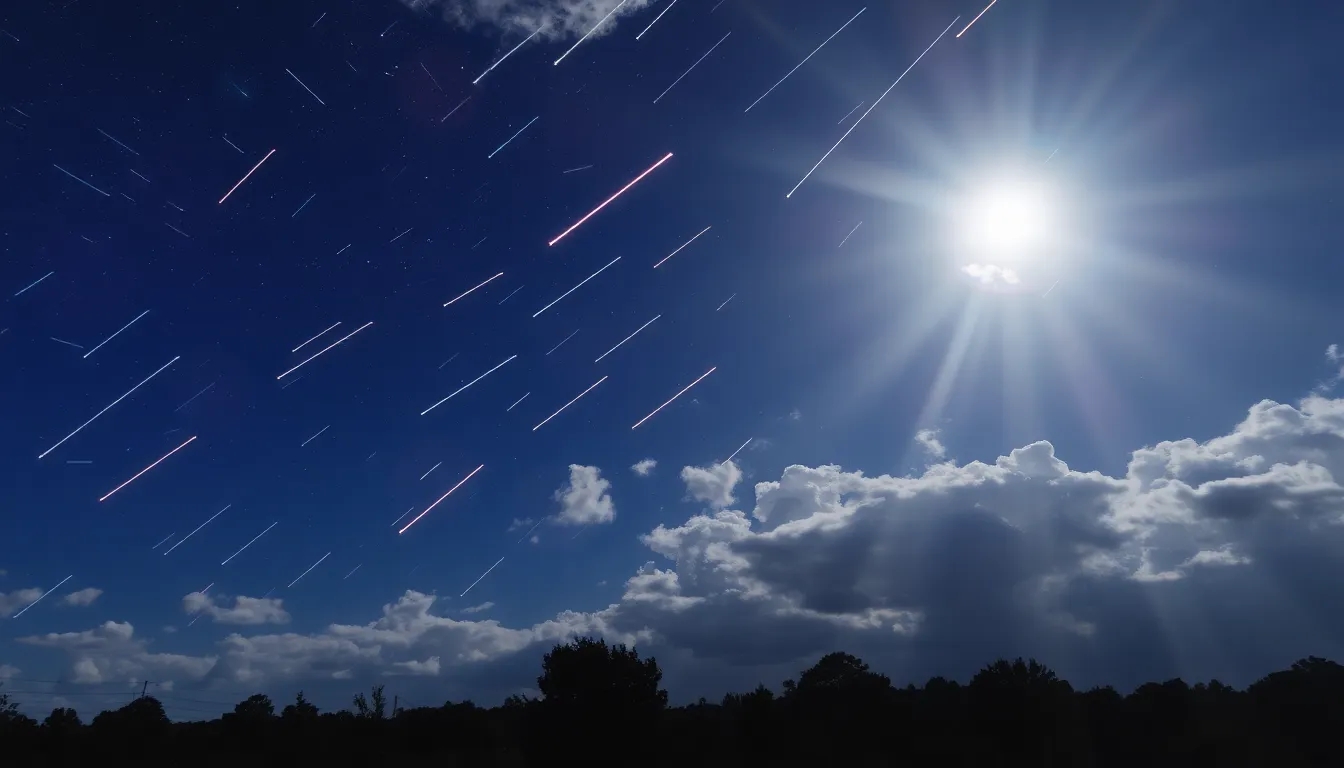
Frequently Asked Questions About Sky Photography
Looking Ahead: The Future of Sky Observations
The evolving landscape of sky observations, from mesmerizing meteor showers to the ethereal beauty of sun rays, presents unique opportunities for both amateur and professional astronomers. As technology advances, the ability to capture these fleeting moments becomes more accessible, allowing a broader audience to engage with the wonders of the universe. This democratization of sky watching fosters a deeper appreciation for celestial phenomena and encourages collaborative efforts in documenting and analyzing atmospheric changes.
Moreover, the integration of social media platforms in sharing these experiences not only amplifies the visibility of such events but also cultivates a community of enthusiasts who can contribute valuable data. As we look to the future, the potential for citizen science initiatives grows, promising to enhance our understanding of atmospheric conditions and their implications on climate and weather patterns.
- Invest in technology that enhances the quality of sky observations, such as high-resolution cameras and apps for tracking celestial events.
- Engage with local astronomy clubs or online communities to share experiences and insights on sky phenomena.
- Consider participating in citizen science projects that leverage public observations to contribute to scientific research.
- Stay informed about upcoming astronomical events and weather conditions to maximize observation opportunities.
- Document and share your observations to inspire others and contribute to a collective understanding of changing skies.