
This legal challenge comes as the New Zealand legal system grapples with the implications of such a high-profile case. The shooter, Brenton Tarrant, was convicted of 51 counts of murder, 40 counts of attempted murder, and one count of terrorism, making it one of the most serious criminal cases in the country’s history. For more about other significant criminal cases, check out this article.
The appeal process is expected to draw significant public attention, given the emotional impact of the attacks on the Muslim community and the broader New Zealand society. Tarrant’s actions resulted in widespread condemnation and a reevaluation of gun laws in New Zealand, highlighting the ongoing discourse surrounding hate crimes and public safety.
As the legal proceedings unfold, many are closely monitoring the situation, concerned about the potential implications for victims’ families and the precedent it may set for future cases. The outcome of this appeal could influence how similar cases are handled in the future, especially in terms of the legal rights of defendants and the responsibilities of the justice system.
Background of the Christchurch shooting and its aftermath
On March 15, 2019, New Zealand experienced one of its darkest days when a gunman opened fire at two mosques in Christchurch, resulting in the tragic deaths of 51 people and injuring dozens more. This act of terrorism shocked the nation and drew international condemnation, highlighting issues of hate, extremism, and gun control. The shooter, an Australian national, was motivated by far-right ideologies and sought to incite fear and division within the Muslim community.
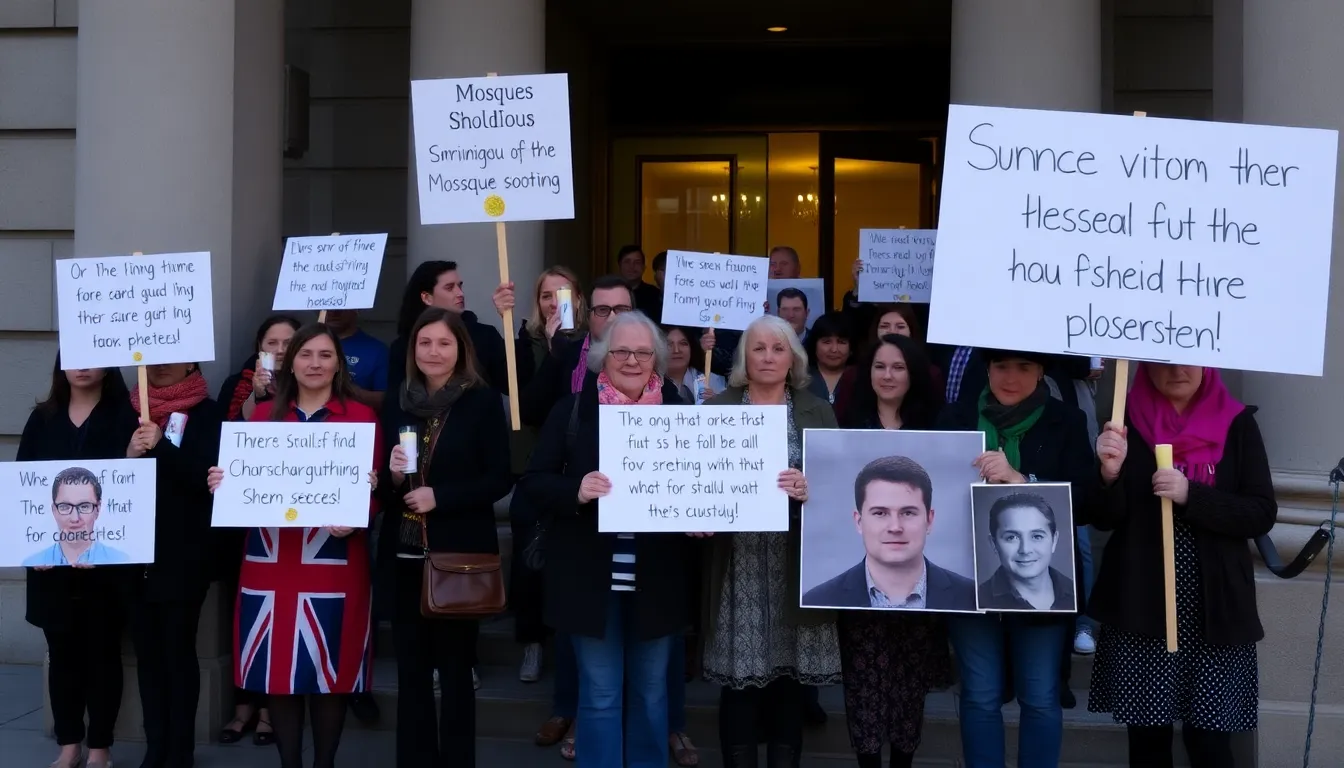
In the wake of the attack, New Zealand’s government took swift action to address gun violence. Just six days after the shooting, Prime Minister Jacinda Ardern announced a ban on semi-automatic weapons and assault rifles, a move that garnered widespread support from the public. This legislative change marked a significant shift in New Zealand’s gun laws, which had previously been considered some of the most relaxed in the world.
The shooter was arrested and charged with multiple counts of murder and attempted murder. In August 2020, he pleaded guilty to all charges, a decision that was met with relief by many in the community who sought closure. However, the recent developments regarding his request to overturn his guilty plea have reignited discussions about the legal system, mental health, and the implications of his actions on societal views towards extremism, much like what is explored in this discussion.
Legal Precedents and Implications
The Christchurch shooting case has drawn parallels to other high-profile terrorism cases globally, where defendants have sought to challenge their convictions or sentences. Such attempts raise important questions about the judicial process and the balance between ensuring justice for victims and the rights of the accused. The outcome of this case could set a significant precedent for how similar cases are handled in the future, especially in terms of public safety and the legal ramifications of hate crimes.
Key stakeholders and legal implications of the plea reversal
The case of the Christchurch shooter, who is seeking to overturn his guilty plea, involves several key stakeholders, each with distinct interests and concerns. The primary actor in this scenario is the shooter himself, who is attempting to change the outcome of his legal proceedings. His motivations may stem from a desire for a reduced sentence or to challenge the legal process that led to his conviction.
Another significant stakeholder is the legal system, particularly the judiciary and prosecution involved in the case. The courts must consider the implications of allowing a guilty plea to be overturned, which could set a precedent for future cases. This raises questions about the integrity of the judicial process and the potential for an influx of similar requests from other convicted individuals.
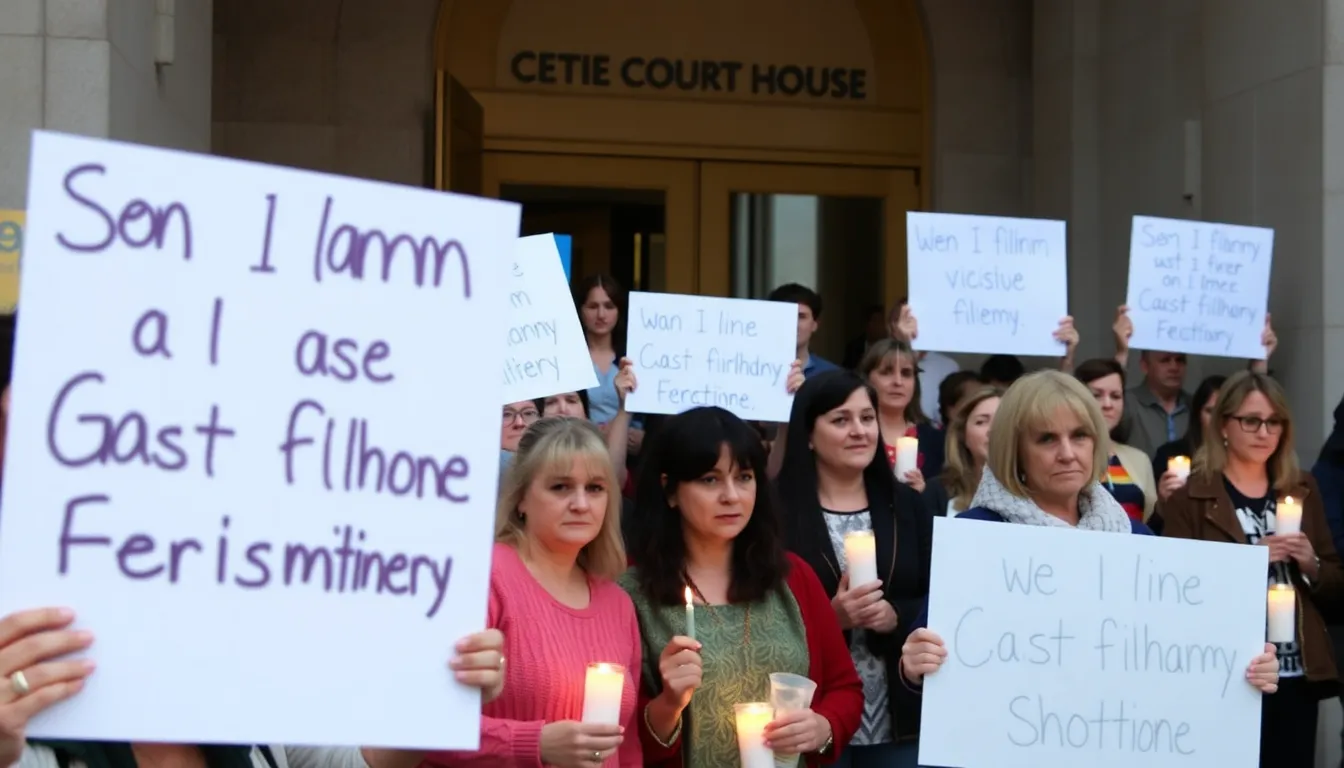
Victims’ families and the broader community of Christchurch are also crucial stakeholders. They have a vested interest in the outcome of the plea reversal, as it may reopen wounds from the tragic events of the shooting. The emotional and psychological impact on these individuals cannot be understated, and their voices are vital in discussions surrounding justice and accountability.
- Legal Precedent: Allowing the plea to be overturned could lead to challenges in other high-profile cases.
- Public Sentiment: The community’s reaction may influence public trust in the legal system.
- Victim Advocacy: Organizations representing victims’ rights may mobilize to oppose the plea reversal.
- Media Coverage: The case’s media portrayal could affect public opinion and the legal proceedings.
In addition, governmental bodies, including law enforcement and policy makers, are stakeholders as they must navigate the implications of this case on national security and public safety. The potential for a plea reversal could raise concerns about the efficacy of the legal system in handling cases of terrorism and hate crimes, prompting discussions about legislative changes or reforms, similar to those seen in other political contexts.
Potential effects on victims’ families and the community
The Christchurch shooter’s attempt to overturn his guilty plea has significant implications for the victims’ families and the broader community. This situation reopens wounds for those who have suffered from the tragedy, potentially causing renewed trauma and distress. Families may experience increased media scrutiny and public attention, which can exacerbate their grief.
In the short term, the ongoing legal proceedings may disrupt the healing process for victims’ families, leading to heightened emotional and psychological challenges. Communities that rallied together in the aftermath of the attack may find their unity tested as the case progresses, with differing opinions on justice and accountability emerging.
In the mid-term, the legal battle could influence local policies regarding security and community safety. Lawmakers may feel pressured to revisit gun control measures or hate crime legislation, aiming to prevent similar incidents in the future. This could result in a shift in public discourse around these issues, impacting how communities address violence and discrimination.
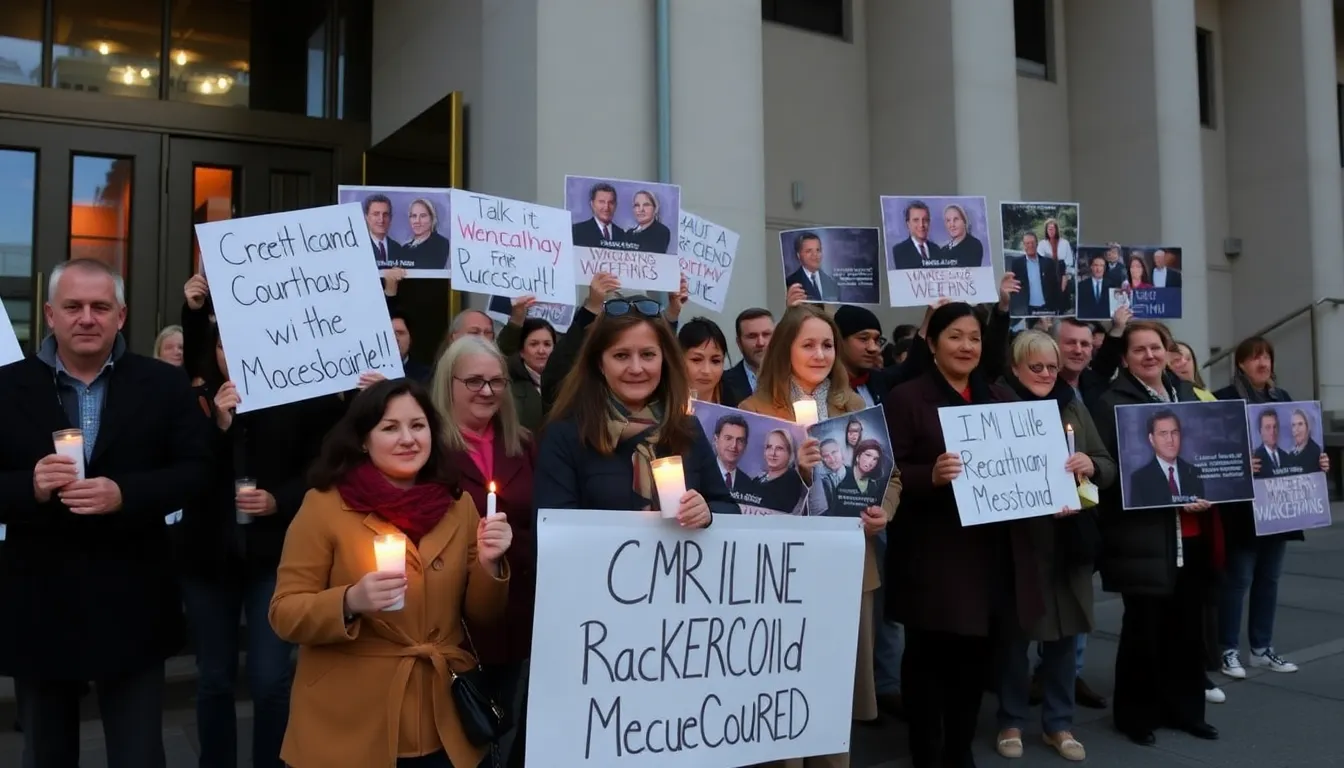
- Increased emotional distress for victims’ families and community members.
- Potential policy changes related to gun control and hate crimes.
- Media attention leading to public debate and division.
- Opportunities for community support initiatives and healing programs.
While the situation poses risks, it could also present opportunities for advocacy and awareness. Community organizations may seize this moment to push for changes that promote inclusivity and safety, fostering a dialogue that could lead to meaningful reforms. Engaging with the community on these issues may help to channel the collective grief into positive action.
A: The shooter claims that he was not fully aware of the implications of his plea at the time. He is arguing that new evidence may support his case for a different legal outcome. A: A guilty plea can be overturned if there is evidence of coercion, ineffective legal counsel, or if the defendant did not understand the charges. The court will evaluate these claims carefully. A: The attempt to overturn the plea may reopen wounds for the victims’ families, who have been seeking closure. It could also prolong the legal process and delay justice. A: The timeline can vary significantly based on court schedules and the complexity of the arguments presented. It may take several months before a decision is reached. A: Public reaction has been largely negative, with many expressing concern over the potential for the shooter to escape full accountability for his actions.
Frequently asked questions about the legal proceedings
Key takeaways and future outlook on the case
The recent developments in the Christchurch shooter’s attempt to overturn his guilty plea raise significant questions about the legal system’s handling of high-profile cases and the implications for victims and their families. This move not only reflects the complexities of the judicial process but also highlights the ongoing societal impact stemming from the tragedy. As the case progresses, it will be crucial to monitor how the courts respond to such appeals and the potential ramifications for public safety and community healing.
Furthermore, the outcome of this appeal could set a precedent for similar cases in the future, affecting how guilty pleas are perceived and challenged. Stakeholders, including legal experts, victims’ advocacy groups, and policymakers, will need to stay vigilant as the situation unfolds, ensuring that the voices of those affected remain central to the discourse.
- Watch for reactions from victims’ families and communities, as their perspectives will shape public sentiment and discourse.
- Legal experts will analyze the implications of this appeal on future cases involving guilty pleas, potentially influencing judicial practices.
- Monitor how the media covers this case, as it may affect public awareness and understanding of judicial processes.
- Consider the potential for legislative changes in response to high-profile cases and their appeals, aimed at enhancing victim rights.
- Stay informed about the broader societal impact, including discussions on hate crimes and community safety initiatives.