
During her testimony, Bondi revealed previously undisclosed details about the pressure she faced from various parties regarding Epstein’s prosecution. This included insights into how powerful figures may have influenced legal proceedings, raising concerns about accountability within the justice system. Her remarks have prompted calls for further investigation into how Epstein’s network operated and the extent of its reach, which echoes similar issues raised in her announcement regarding the Benghazi attack.
The implications of Bondi’s testimony extend beyond the courtroom, as it touches on the ongoing discourse about sexual abuse and exploitation. With Epstein’s case having exposed numerous high-profile individuals, the questions surrounding complicity and silence continue to resonate. Bondi’s revelations serve as a catalyst for discussions about the need for transparency and reform in handling such cases.
As the legal proceedings unfold, Bondi’s testimony is likely to influence public perception and policy regarding sexual violence and the protection of victims. The legal community and advocacy groups are closely monitoring the situation, eager to see how it may impact future cases and the treatment of survivors. The stakes are high as society grapples with the legacy of Epstein’s actions and the accountability of those associated with him.
Understanding the background of the Epstein case and its implications
The case of Jeffrey Epstein has captivated public attention for years, highlighting significant issues surrounding power, privilege, and the judicial system. Epstein, a financier with connections to many high-profile individuals, was arrested in July 2019 on federal charges of sex trafficking minors. This case unearthed a web of alleged criminal activities that spanned decades, raising questions about how such abuses could go unchecked for so long.
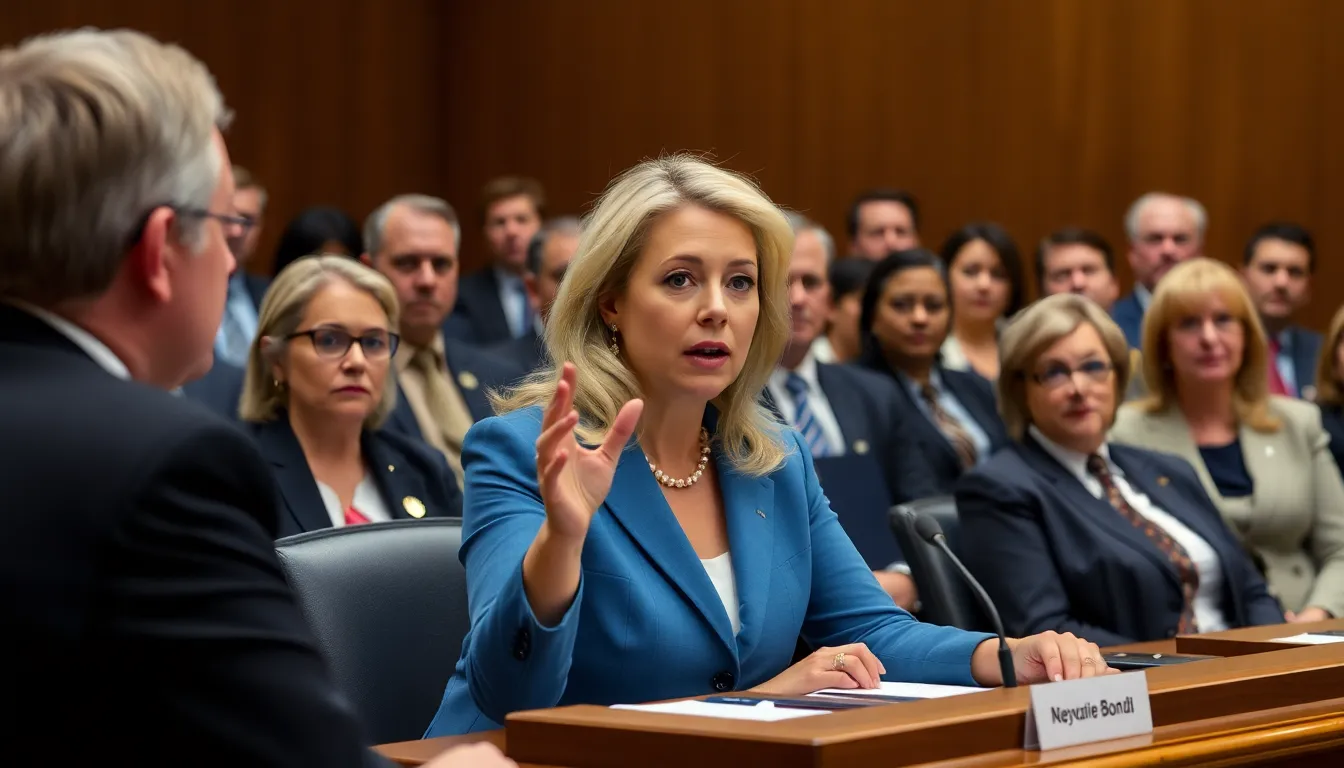
One pivotal moment in the Epstein saga was the controversial plea deal he secured in 2008, which allowed him to serve just 13 months in a county jail while registering as a sex offender. This deal, brokered by then-U.S. Attorney Alexander Acosta, has faced intense scrutiny and criticism, especially after it was revealed that many of Epstein’s victims were not informed or consulted during the negotiation process. The leniency of this agreement has since been viewed as emblematic of a broader systemic failure to protect vulnerable individuals from powerful predators, highlighting the issues faced by officials like Pam Bondi during her tenure in office.
The Role of Public Figures
Epstein’s connections to influential figures, including politicians, celebrities, and business leaders, have further complicated the narrative surrounding his case. These relationships have led to suspicions and conspiracy theories regarding the extent of his influence and the potential cover-ups that may have occurred to protect those involved. As testimonies and evidence continue to emerge, the public’s demand for accountability has intensified, making the stakes of the ongoing investigations even higher.
In the wake of Epstein’s death in August 2019, which was ruled a suicide, the case transitioned from a criminal trial to a broader examination of the societal implications of his actions. The fallout from this case has sparked a renewed conversation about sexual abuse, victim rights, and the responsibilities of those in power, leading to greater advocacy for reforms in how such cases are handled by law enforcement and the legal system.
Pam Bondi’s recent testimony has brought renewed focus to the Epstein case, particularly regarding the decisions made by officials during the initial investigation and the subsequent plea deal. As the public seeks to understand the complexities of this case, it serves as a reminder of the urgent need for transparency and justice in the face of systemic failures, much like the public’s response to recent events involving radicalization in Florida.
Analyzing the key stakeholders involved in the Epstein saga
The testimony of Pam Bondi regarding Jeffrey Epstein has brought several stakeholders into the spotlight, each with their own interests and motivations. Understanding these players is crucial to grasping the broader implications of the case and the ongoing discussions surrounding it.
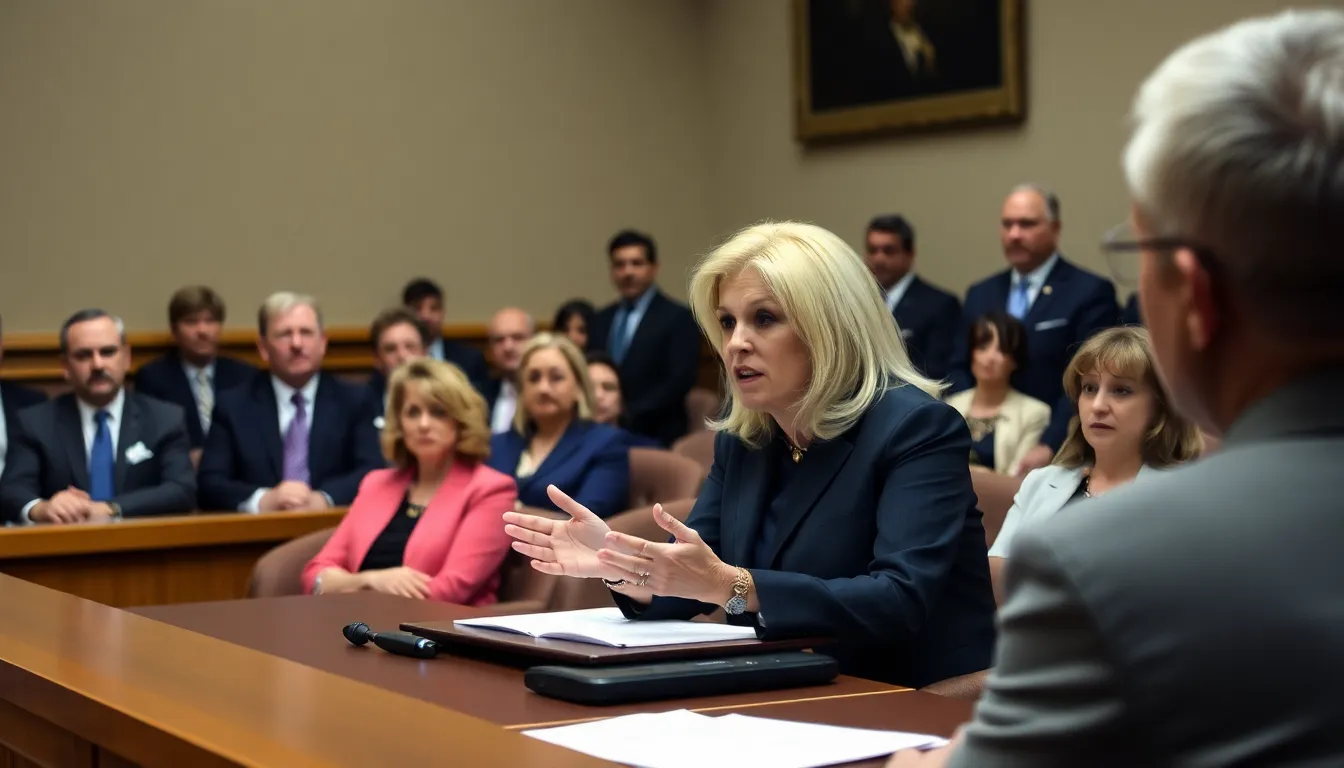
One of the primary stakeholders is the Florida State Government, represented by figures like Pam Bondi, who served as Attorney General during the time Epstein was charged. Their interest lies in addressing public outrage over the perceived leniency of Epstein’s initial plea deal, which has raised questions about the justice system’s handling of powerful individuals accused of serious crimes.
Another key actor is the victims of Epstein, many of whom are seeking justice and accountability for the abuses they suffered. Their interests are centered on ensuring that their voices are heard and that those who facilitated or ignored Epstein’s actions are held responsible. This also includes a desire for legislative changes to prevent similar cases in the future.
The media plays a significant role in shaping public perception of the Epstein saga. Their interest lies in uncovering the truth and providing comprehensive coverage of the case, which can influence public opinion and policy discussions. However, the media’s portrayal can also lead to sensationalism, complicating the narrative surrounding the stakeholders involved.
- Legal ramifications: The ongoing legal battles and potential changes in laws related to sex trafficking and abuse cases.
- Public trust: The impact of the testimony on public confidence in the legal system and its ability to protect victims.
- Political implications: The potential consequences for political figures involved in the Epstein case, including calls for accountability and reform.
Lastly, the Epstein estate and its legal representatives are crucial stakeholders, as they navigate the financial and legal fallout from the accusations against Epstein. Their interests include managing claims from victims and ensuring that the estate’s assets are handled appropriately, which can further complicate the quest for justice.
The potential impact of Bondi’s testimony on future legal actions
Pam Bondi’s testimony regarding Jeffrey Epstein’s case is poised to ripple across various sectors, particularly affecting legal professionals, victims of abuse, and advocacy groups. The testimony highlights systemic issues within the judicial process, which could lead to increased scrutiny of how similar cases are handled in the future.
In the short term, Bondi’s statements may embolden other victims to come forward, potentially leading to a surge in legal actions against not only Epstein’s estate but also any individuals or institutions that may have enabled his actions. This could significantly affect the legal landscape, prompting law firms to brace for an influx of cases related to sexual abuse and human trafficking.
In the mid-term, the testimony could catalyze legislative changes aimed at strengthening protections for victims and ensuring accountability for perpetrators. This may result in new policies that require more rigorous investigations into allegations of abuse, impacting law enforcement agencies and judicial bodies across the nation.
- Victims: Increased support and legal resources may become available.
- Legal Industry: A potential rise in cases related to abuse could create new business opportunities for law firms.
- Policy Makers: Pressure to enact reforms may lead to significant changes in laws regarding sexual abuse and trafficking.
However, there are risks involved as well. The heightened attention on Epstein’s case may lead to public backlash against institutions perceived as complicit, potentially damaging reputations and leading to financial losses. Furthermore, if the legal system fails to deliver justice, it could diminish public trust in legal institutions and deter future victims from coming forward.
A: Pam Bondi highlighted several key issues regarding Epstein’s connections and the implications for ongoing investigations. Her statements emphasized the need for accountability and transparency. A: Bondi’s testimony could significantly influence ongoing legal proceedings by providing new insights into Epstein’s operations and potential accomplices. A: This testimony is crucial as it sheds light on the intricate web of relationships surrounding Epstein, which may lead to further investigations and legal actions. A: Key stakeholders include law enforcement agencies, victims, and individuals connected to Epstein’s network, all of whom may play a role in the unfolding legal landscape. A: The implications for victims are significant, as Bondi’s testimony may lead to increased support and justice for those affected by Epstein’s actions.
Frequently asked questions about Pam Bondi’s testimony
Summarizing the main takeaways and future outlook
Pam Bondi’s recent testimony regarding Jeffrey Epstein has shed light on the complexities surrounding the legal and social implications of high-profile cases. Her statements not only highlight the challenges faced by law enforcement in addressing such crimes but also raise questions about accountability and systemic failures. As society grapples with these issues, it is crucial to consider the broader impact on public trust and the legal system.
Looking ahead, the discourse surrounding Epstein’s case and similar situations will likely influence policy changes and community awareness. Stakeholders, including lawmakers and advocacy groups, must remain vigilant to ensure that justice is served and that such egregious acts do not go unchecked in the future.
- Increased scrutiny on the legal processes surrounding high-profile cases may lead to reforms aimed at enhancing accountability.
- Public awareness and advocacy for victims’ rights are expected to grow, potentially influencing future legal frameworks.
- Law enforcement agencies may implement new training and protocols to better handle cases involving sexual exploitation and trafficking.
- The impact of Bondi’s testimony could encourage more survivors to come forward, fostering a culture of support and transparency.
- Ongoing media coverage will likely keep the conversation alive, pressuring officials to act decisively in similar cases.