
In September 2023, COMAC announced the completion of its first batch of C919 aircraft, designed to compete directly with the Boeing 737 and Airbus A320 families. This milestone marks a crucial step in China’s ambition to become a major player in the commercial aviation sector, which has traditionally been dominated by Western manufacturers.
The geopolitical context further complicates this competition. As tensions between the United States and China escalate, the aviation industry finds itself at the center of economic and political strategies. The U.S. has imposed restrictions on technology exports, which could impact Boeing’s operations, while COMAC benefits from substantial state backing, enabling it to invest heavily in research and development.
Moreover, as the global aviation market rebounds from the pandemic, the demand for new aircraft is surging. Analysts predict that the competition between COMAC, Boeing, and Airbus will intensify, particularly in emerging markets where price sensitivity is high. This environment may lead to increased innovation and lower costs for airlines, ultimately benefiting consumers, paralleling trends seen in other industries.
In summary, the emergence of COMAC as a competitor to Boeing and Airbus represents a pivotal moment in the aviation industry. As the company continues to develop its aircraft and expand its market presence, the dynamics of global aviation are likely to evolve, raising questions about the future of established players and the overall competitiveness of the industry.
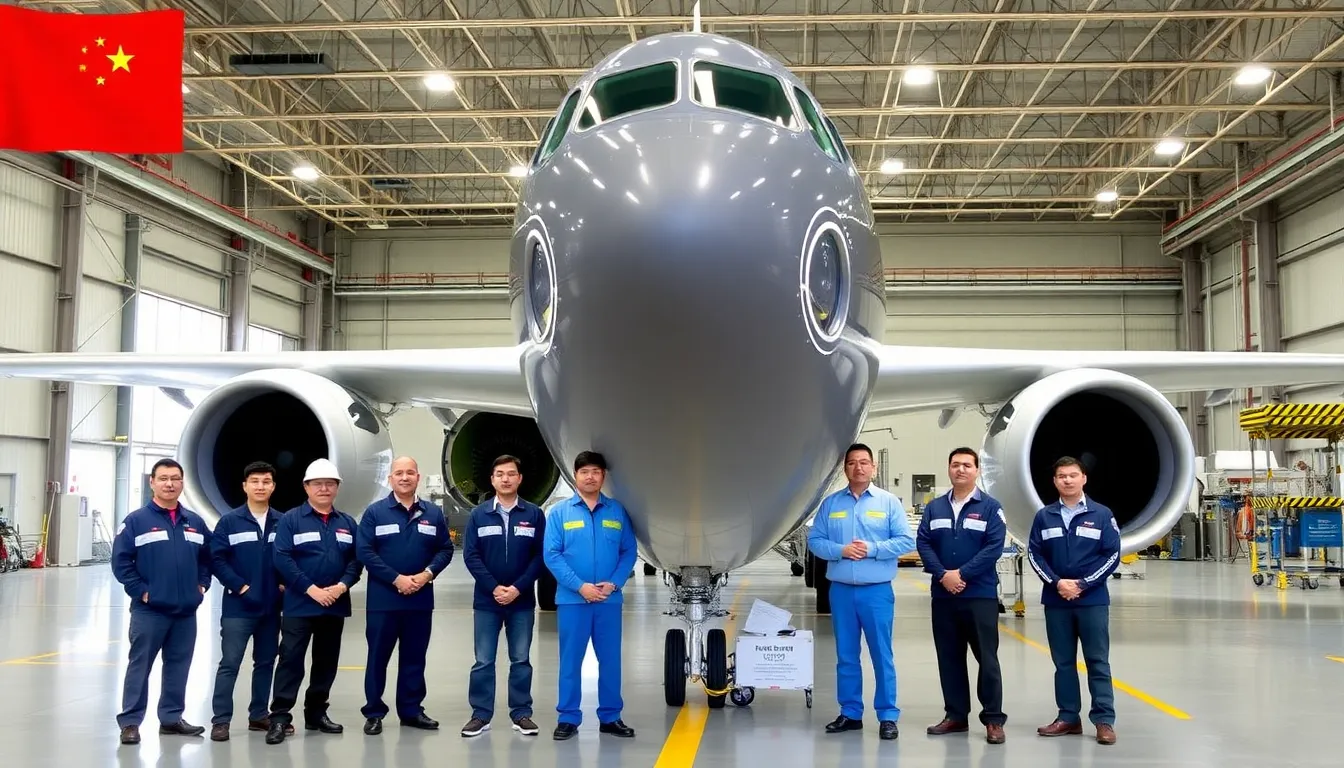
Exploring the background of China’s aviation ambitions
China’s aspirations in the aviation sector can be traced back to the late 20th century when the country began to recognize the importance of developing its own aerospace capabilities. Historically, the Chinese aviation industry was heavily reliant on foreign technology and expertise, primarily from the Soviet Union and later from Western nations. However, as China’s economy began to open up in the 1980s, the government initiated a series of reforms aimed at building a self-sufficient aerospace industry.
One of the key milestones in this journey was the establishment of the Commercial Aircraft Corporation of China (COMAC) in 2008. This state-owned enterprise was tasked with developing the country’s first indigenously produced commercial airliner, the C919. The C919 project symbolizes China’s determination to compete with established giants like Boeing and Airbus, reflecting a broader ambition to enhance its technological capabilities and reduce dependence on foreign aircraft.
Political and Economic Drivers
The push for a domestic aviation industry is not merely an economic endeavor; it is also deeply intertwined with national pride and political objectives. The Chinese government views aerospace as a strategic sector essential for national security and economic growth, mirroring the sentiments expressed in discussions about national interests in other contexts.
In recent years, China has made significant strides in aviation technology, including advancements in materials science and manufacturing processes. These developments have enabled COMAC to produce aircraft that meet international standards, allowing the company to begin securing orders from domestic airlines and even foreign markets. As China continues to invest heavily in research and development, the gap between its capabilities and those of Boeing and Airbus is gradually narrowing.
Overall, the rise of China’s aviation industry represents a significant shift in the global aerospace landscape. With a combination of government support, increased investment, and a growing domestic market, the Chinese planemaker is poised to challenge the long-standing duopoly of Boeing and Airbus, marking a new era in commercial aviation.
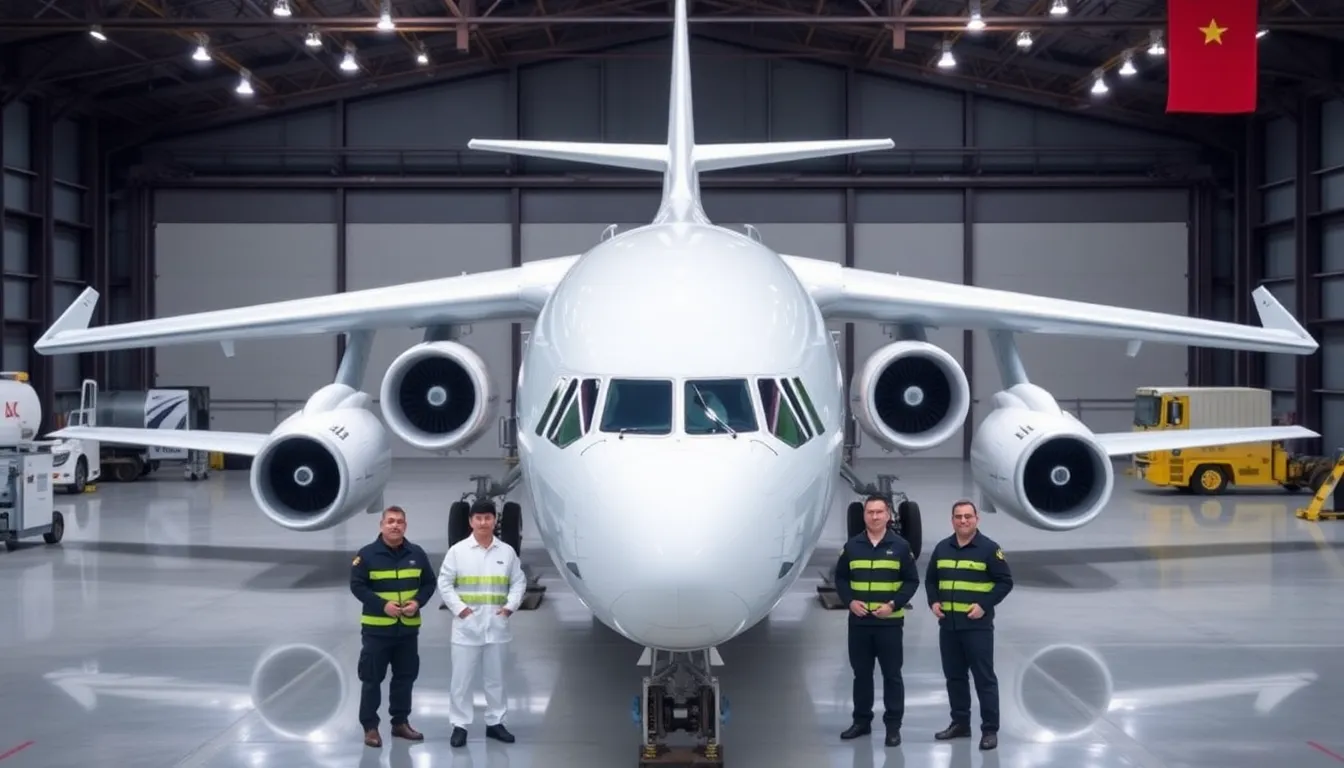
Analyzing key stakeholders and market dynamics
The aviation industry is witnessing a significant shift as the Chinese planemaker, Commercial Aircraft Corporation of China (COMAC), seeks to challenge the dominance of established giants Boeing and Airbus. This move has attracted a diverse array of stakeholders, each with their own interests and concerns. Understanding these dynamics is crucial for grasping the potential implications for the global aerospace market.
Key stakeholders in this scenario include the Chinese government, which supports COMAC as part of its broader strategy to enhance national technology capabilities and reduce reliance on foreign aircraft. The Chinese market, with its growing demand for air travel, presents a lucrative opportunity for COMAC to establish itself as a serious competitor. Meanwhile, Boeing and Airbus are not only defending their market share but are also concerned about the implications of a new competitor that could disrupt pricing and innovation in the sector.
Additionally, international regulatory bodies and trade organizations play a pivotal role in shaping the competitive landscape. Issues such as compliance with safety standards, intellectual property rights, and trade tariffs can significantly impact how COMAC navigates the global market. The ongoing tensions between the U.S. and China further complicate these dynamics, as they may lead to increased scrutiny of Chinese products and potential barriers to entry in Western markets.
- Government Interests: The Chinese government aims to bolster its domestic manufacturing capabilities and reduce dependency on foreign technology.
- Market Demand: With rising air travel in Asia, there is a pressing need for more aircraft, which COMAC aims to fulfill.
- Competitive Response: Boeing and Airbus are likely to respond with strategic pricing and innovation to maintain their market leadership.
- Regulatory Challenges: Compliance with international aviation standards will be crucial for COMAC’s acceptance in global markets.
- Geopolitical Factors: U.S.-China relations may influence trade policies that affect COMAC’s ability to compete internationally.
In summary, the interplay among these stakeholders reveals a complex landscape where economic ambitions, regulatory frameworks, and geopolitical tensions converge. As COMAC positions itself against Boeing and Airbus, the ramifications of this competition will extend beyond mere market share, potentially reshaping the future of global aviation.
Assessing the impact on global aviation markets
The rise of the Chinese planemaker, COMAC, poses significant implications for various stakeholders across the aviation industry. Airlines, suppliers, and even governments will feel the effects of increased competition in the market traditionally dominated by Boeing and Airbus. As COMAC expands its footprint, it challenges existing players to adapt or risk losing market share.
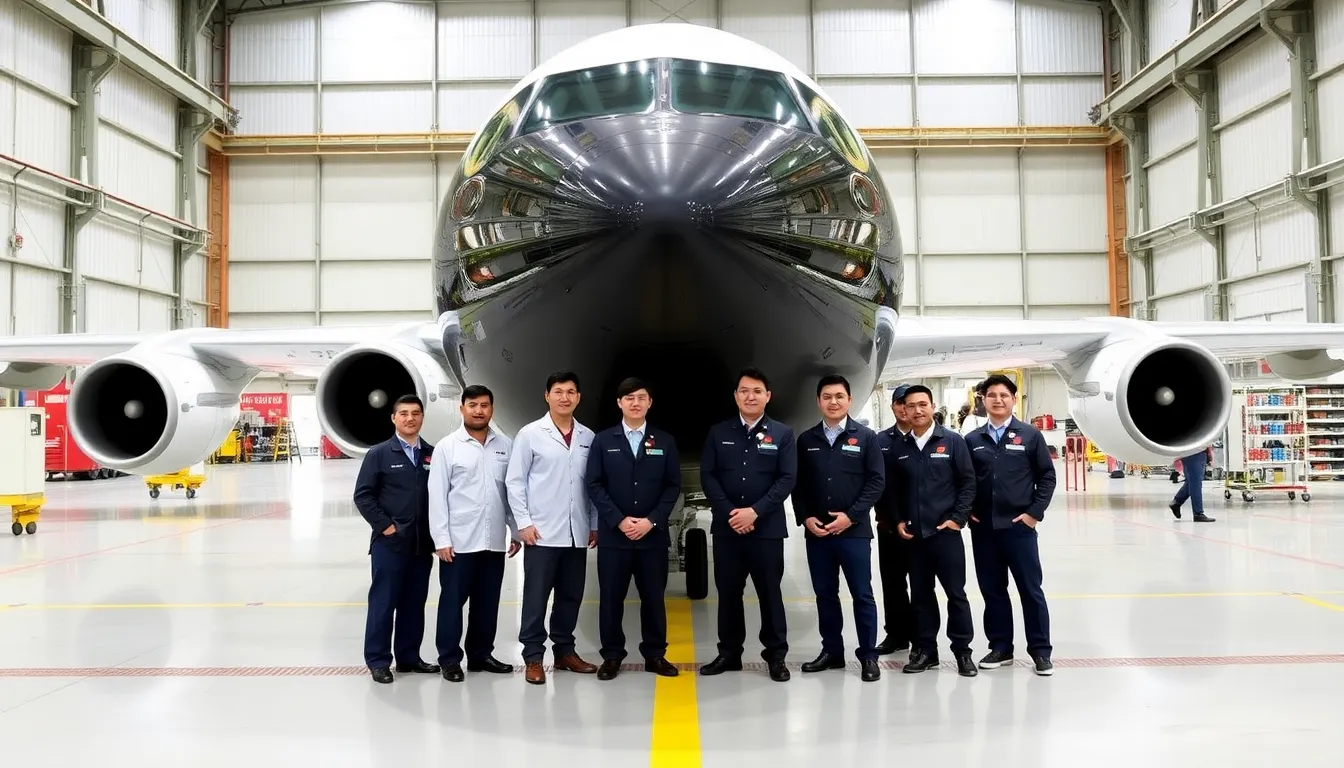
In the short term, airlines may benefit from increased options for aircraft procurement, potentially leading to lower prices and improved terms. This could allow airlines, especially those in emerging markets, to modernize their fleets without incurring prohibitive costs. However, the introduction of new aircraft types may also lead to operational challenges as airlines work to integrate unfamiliar technology into their operations.
In the mid-term, the competitive landscape could shift significantly. If COMAC successfully captures market share, it may lead to a re-evaluation of supply chains and partnerships within the aviation sector. Regions heavily reliant on Boeing and Airbus for economic activity, such as the United States and parts of Europe, may see a decline in local manufacturing jobs as production shifts or contracts.
- Airlines: Potential for cost savings and increased fleet diversity.
- Suppliers: Risk of disruption in established supply chains.
- Governments: Need for policy adjustments to accommodate new competitors.
- Passengers: Possible improvements in service and pricing due to competition.
While there are risks associated with increased competition, such as potential quality concerns with new entrants, there are also opportunities for innovation and collaboration. The emergence of COMAC may encourage established players to invest in research and development, ultimately leading to advancements in fuel efficiency and sustainability in aviation.
A: The Chinese planemaker is known as Comac, which stands for Commercial Aircraft Corporation of China. A: Comac is developing its own aircraft models, such as the C919, aimed at gaining market share in the commercial aviation sector. A: Comac faces challenges including regulatory hurdles, competition from established players, and the need for technological advancements. A: The Chinese government provides significant financial backing and policy support to help Comac grow and compete internationally. A: The C919 is significant as it represents China’s first large passenger aircraft, aimed at reducing reliance on foreign manufacturers.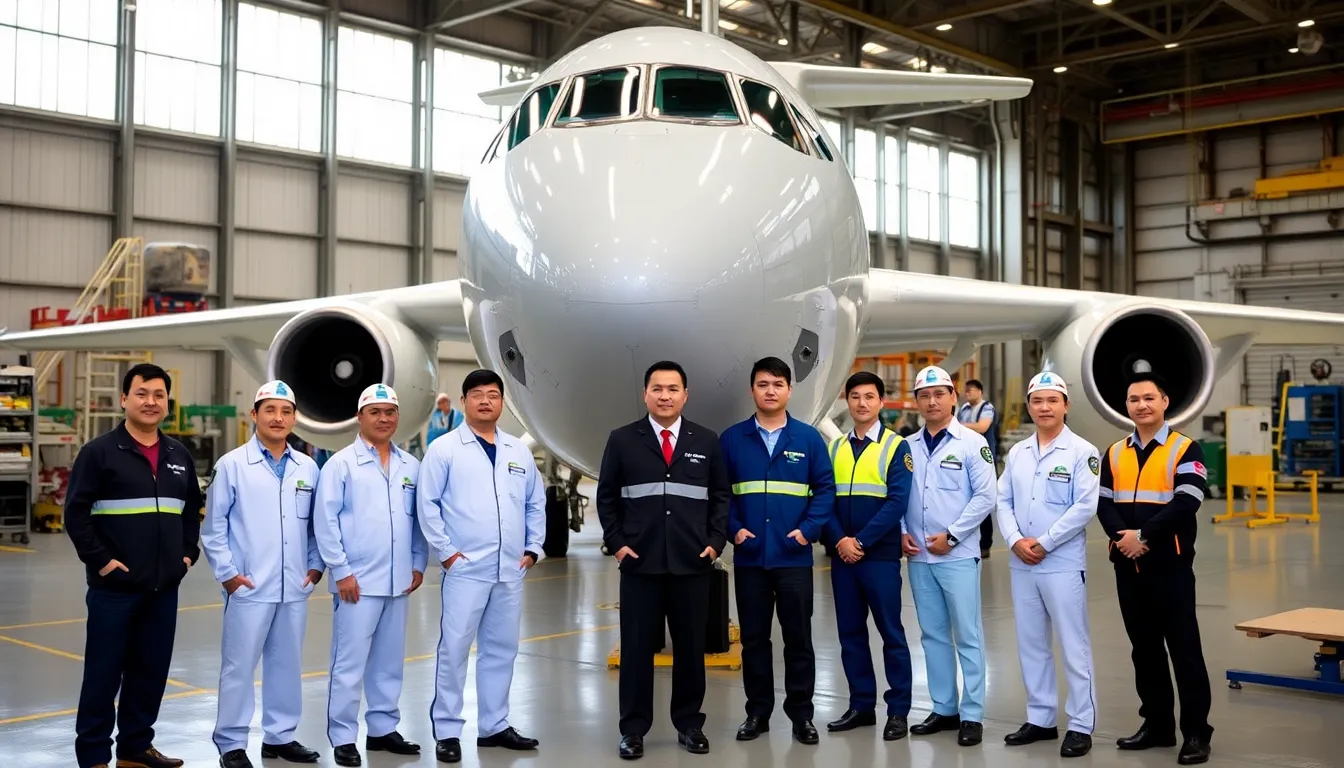
Frequently asked questions about the Chinese planemaker
Key insights and future outlook for the aviation industry
The emergence of the Chinese planemaker as a formidable competitor to Boeing and Airbus marks a significant shift in the global aviation landscape. As this new player gains traction, the dynamics of market competition and innovation are poised for transformation. The implications extend beyond mere market share; they encompass advancements in technology, shifts in supply chains, and evolving regulatory landscapes.
Stakeholders in the aviation industry should closely monitor the developments surrounding this competitor, as their strategies could redefine industry standards and consumer expectations. The potential for increased competition may drive innovation, leading to more efficient aircraft and potentially lower fares for consumers. However, it also raises questions about the sustainability of existing manufacturers and the geopolitical ramifications of a more diversified aviation market.
- Watch for advancements in technology that may emerge from increased competition, potentially enhancing fuel efficiency and passenger comfort.
- Monitor shifts in global supply chains as the Chinese planemaker establishes partnerships and local production capabilities.
- Consider the implications for regulatory frameworks as new entrants challenge established norms in safety and environmental standards.
- Anticipate changes in pricing strategies as competition intensifies, potentially benefiting consumers with lower fares.
- Keep an eye on geopolitical factors that may influence market access and collaboration between nations in the aviation sector.