
One notable project is being conducted by a team at the University of California, Davis, which has been experimenting with genetically modified hens to produce antibodies against various diseases. In 2022, the team reported promising results, demonstrating that egg whites could be engineered to contain high levels of therapeutic proteins. This breakthrough could significantly reduce the time and cost associated with traditional drug manufacturing processes, making it a pivotal development in biotechnology.
Moreover, the COVID-19 pandemic has underscored the urgency of developing rapid production methods for vaccines and treatments. The flexibility of using eggs as a production platform allows for a quicker response to emerging health threats. In 2023, several pharmaceutical companies are collaborating with academic researchers to scale up this technology, highlighting its potential to revolutionize the biopharmaceutical industry.
As the field evolves, regulatory bodies are beginning to take notice. The U.S. Food and Drug Administration (FDA) is exploring guidelines for the use of egg-based systems in drug production, which could pave the way for widespread adoption. This regulatory attention is crucial for ensuring safety and efficacy, as well as for gaining public trust in these novel production methods.
The Background of Using Eggs in Biotechnology
The use of chicken eggs in biotechnology can be traced back to the early 20th century when scientists began to explore the potential of avian embryos for various medical applications. The initial interest was primarily in vaccine development, as the egg’s natural environment provided an ideal setting for the growth of viruses. This laid the groundwork for significant advancements in immunization, with the production of vaccines for diseases such as influenza and measles being made possible through this method.
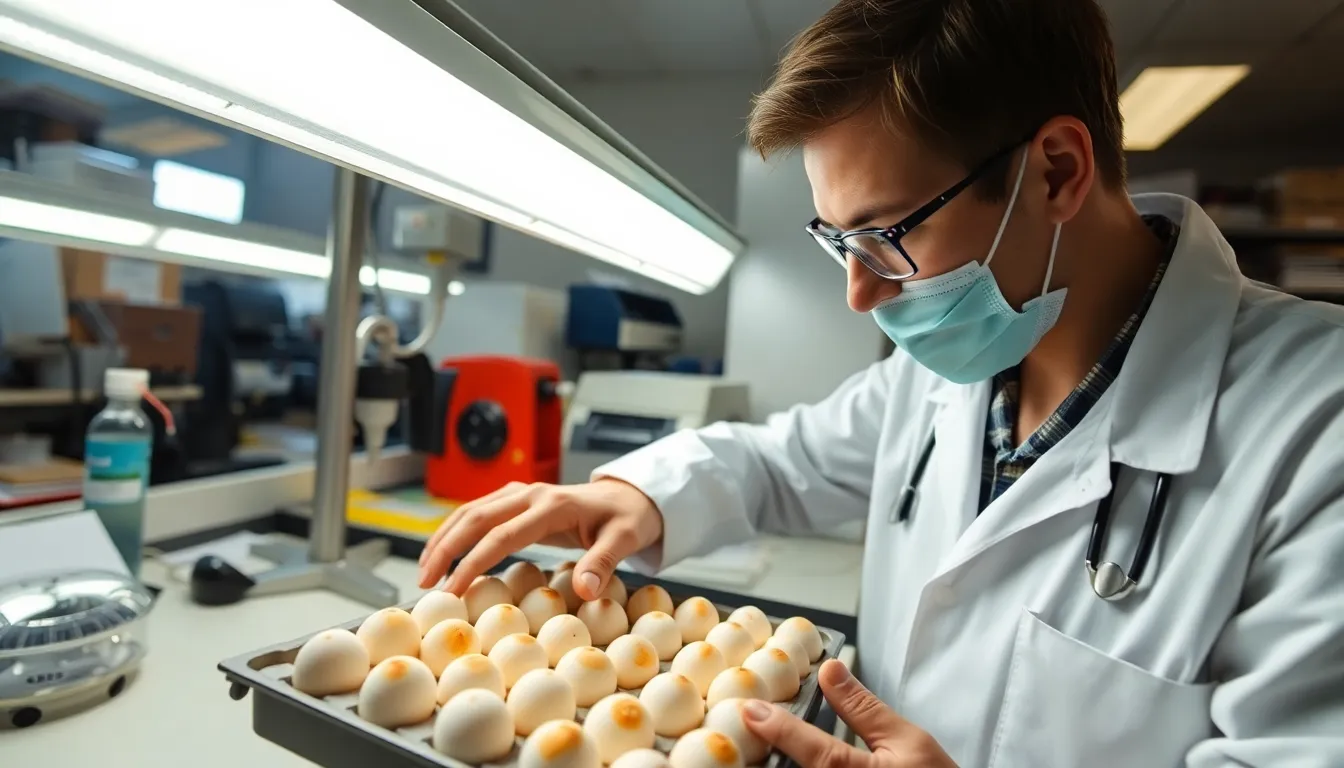
In the 1980s, the concept of using eggs as bioreactors gained traction as researchers discovered that the egg white, or albumen, could serve as a medium for producing proteins and enzymes. This breakthrough opened the door to the possibility of using chicken eggs not just for vaccines, but also for the production of therapeutic proteins, monoclonal antibodies, and even complex drugs, a shift that aligns with how biomanufacturing could be approached.
Key Milestones in Egg-Based Biotechnology
Several key milestones have marked the evolution of this field. For instance, in 1997, scientists successfully used chicken eggs to produce a recombinant version of the influenza vaccine, significantly reducing production costs and time. By the early 2000s, companies began to emerge that specialized in the use of eggs as a platform for drug production, leading to further innovations and partnerships with pharmaceutical companies. These developments highlighted the economic viability of egg-based biomanufacturing, making it an attractive alternative to traditional cell culture methods.
In recent years, the political landscape surrounding biotechnology has also influenced the use of eggs in drug production. Regulatory bodies have started to recognize the potential of this technology, leading to more streamlined approval processes for egg-derived therapeutics. As public interest in sustainable and cost-effective drug production grows, the chicken egg is being reimagined not just as a food source, but as a critical component in the future of medicine, paralleling discussions in pharmaceutical innovations.
Key Stakeholders and Issues in Egg-Derived Pharmaceuticals
The development of egg-derived pharmaceuticals involves a diverse array of stakeholders, each with distinct interests and concerns. Key actors include pharmaceutical companies, research institutions, regulatory agencies, and farmers involved in egg production. Understanding their roles and perspectives is crucial to grasp the broader implications of this innovative approach to drug manufacturing.
Pharmaceutical companies are primarily motivated by the potential for profit and the opportunity to develop new therapies. By utilizing chicken eggs as bioreactors, they can produce complex proteins and vaccines more efficiently and at a lower cost. However, they face challenges related to intellectual property rights and competition, as well as the need to navigate regulatory landscapes that vary by region.
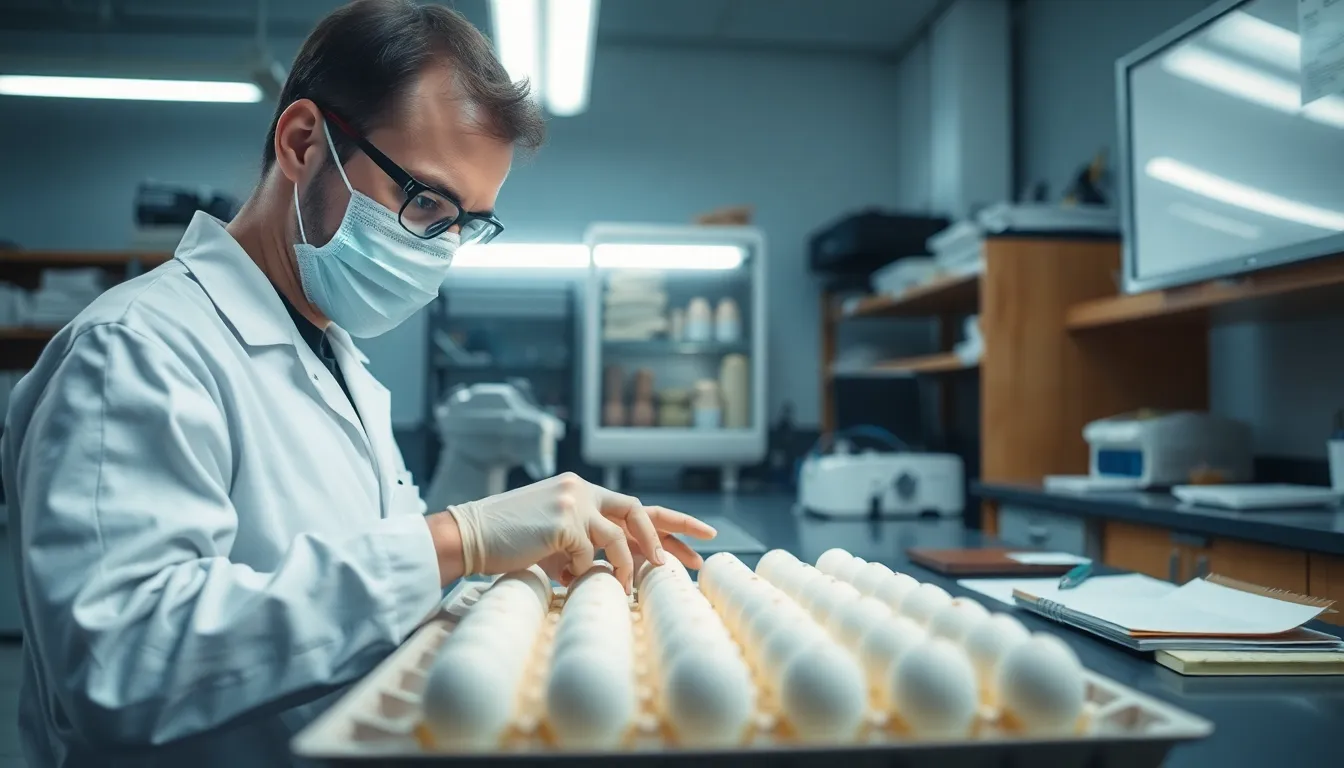
Research institutions play a critical role in advancing the science behind egg-derived drugs. Their interests lie in securing funding, publishing results, and translating research into viable products. Conflicts may arise between academic freedom and the proprietary interests of pharmaceutical companies, particularly when it comes to sharing data and findings.
- Regulatory agencies: These organizations ensure safety and efficacy standards are met, which can delay the approval process for new drugs.
- Farmers: Egg producers may benefit economically from partnerships with pharmaceutical firms but could face ethical dilemmas regarding animal welfare.
- Patients: Ultimately, the end-users of these drugs have a vested interest in access to affordable and effective treatments, which can be influenced by the pricing strategies of pharmaceutical companies.
Legal and economic issues also play a significant role in the landscape of egg-derived pharmaceuticals. Intellectual property laws can create barriers to innovation, while economic factors such as production costs and market demand will influence the viability of these products. Additionally, ethical considerations surrounding the use of animals in drug production are increasingly coming to the forefront, prompting debates that could shape future regulations and public perceptions.
Potential Impacts on Healthcare and the Pharmaceutical Market
The innovative approach of transforming chicken eggs into drug production facilities is poised to affect various groups and industries, particularly in the healthcare and pharmaceutical sectors. Researchers, pharmaceutical companies, and agricultural producers will find themselves at the forefront of this breakthrough technology. Additionally, regulatory bodies will need to adapt their policies to accommodate these new methods of drug manufacturing.
In the short term, the introduction of egg-based drug production could lead to significant changes in daily life, particularly in regions heavily reliant on traditional pharmaceutical manufacturing. The availability of affordable and rapidly produced medications may improve access to essential drugs, especially in underserved areas. However, the transition may also disrupt existing supply chains and employment in conventional pharmaceutical manufacturing.
Mid-term impacts could include a shift in business models within the pharmaceutical industry. Companies may begin to invest more heavily in biotechnological research and development, focusing on sustainable and cost-effective production methods. This could foster a competitive environment, driving innovation and potentially lowering drug prices for consumers.
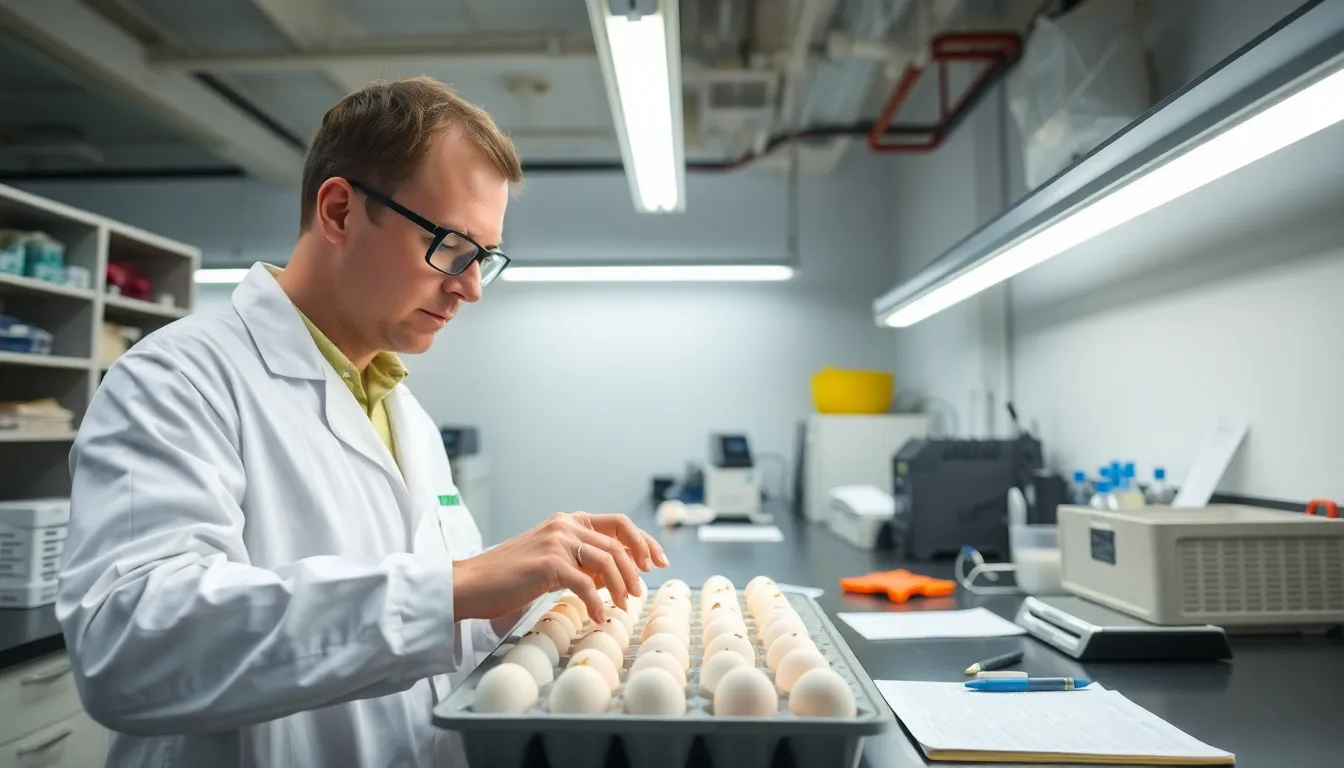
- Opportunities: Enhanced access to medications, reduced production costs, and increased investment in biotechnology.
- Risks: Disruption of existing jobs in traditional manufacturing, regulatory challenges, and potential public skepticism about egg-derived pharmaceuticals.
Regions with strong agricultural sectors may experience economic growth as they adapt to new production methods. Conversely, areas reliant on conventional pharmaceutical production may face challenges as the industry evolves. The overall impact on policy will depend on how quickly regulatory bodies can adapt to these innovations and ensure safety and efficacy in drug production.
A: Chicken eggs can be genetically modified to produce therapeutic proteins. This process involves inserting specific genes into the egg, allowing it to produce drugs during its development. A: Various drugs, including vaccines and antibodies, can be produced using this method. The eggs serve as a biofactory, creating complex biological molecules. A: Safety is a critical concern, and rigorous testing is conducted to ensure that the drugs produced are safe for human use. Regulatory bodies oversee these processes. A: Chicken eggs are cost-effective and can produce large quantities of proteins. They also provide a natural environment for complex protein folding, which is essential for drug efficacy. A: This technology offers a novel approach that could reduce costs and increase efficiency in drug production, potentially transforming the pharmaceutical industry.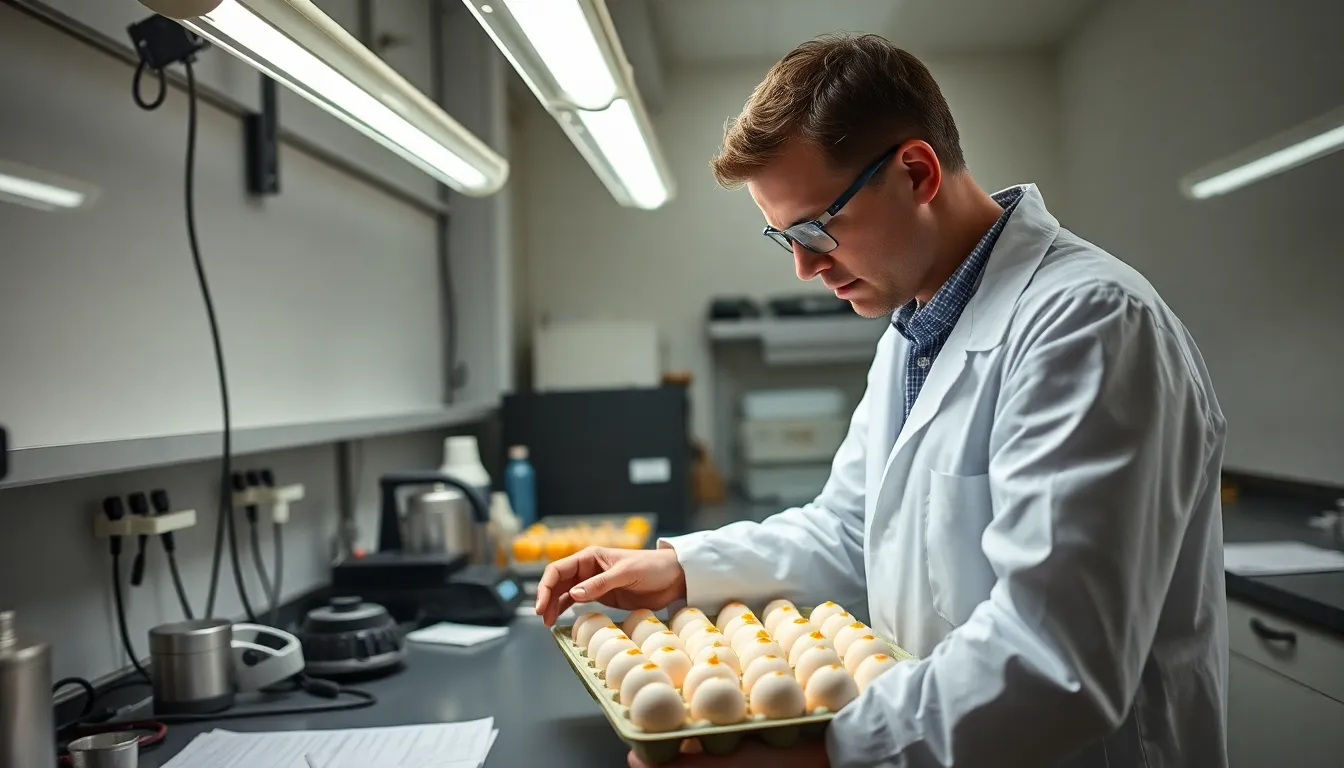
Frequently Asked Questions About Egg-Based Drug Factories
Future Prospects and Key Takeaways from Egg Biotechnology
The innovative approach of utilizing chicken eggs as a platform for drug production presents a transformative opportunity in biotechnology. As researchers continue to unlock the potential of this method, the implications for pharmaceuticals, vaccine development, and sustainable production methods become increasingly significant. This advancement not only promises to enhance the efficiency of drug manufacturing but also aims to reduce costs and improve accessibility to essential medicines.
Continuous investment in research and development will be crucial in overcoming existing challenges, such as scaling production and ensuring regulatory compliance. Stakeholders in the pharmaceutical industry should remain vigilant to leverage these advancements effectively, as the integration of egg biotechnology into mainstream drug production could redefine industry standards and practices.
- Increased Efficiency: The use of chicken eggs could significantly streamline the drug production process, leading to faster development times for new therapies.
- Cost Reduction: By utilizing a more sustainable and scalable production method, the overall costs of drug manufacturing may decrease, making treatments more affordable.
- Enhanced Vaccine Development: Egg-based systems could accelerate the production of vaccines, particularly in response to emerging infectious diseases.
- Regulatory Considerations: As this technology evolves, ongoing dialogue with regulatory bodies will be essential to ensure safety and efficacy standards are met.
- Market Adaptation: Pharmaceutical companies should remain adaptable to integrate these new technologies into their existing frameworks, positioning themselves competitively in a rapidly changing landscape.