
In addition to economic factors, recent surveys indicate a growing trend among younger generations to prioritize personal development and career advancement over early marriage. According to a study by the Pew Research Center, 35% of millennials and Gen Z respondents expressed that they prefer to focus on their careers before settling down. This evolving mindset is reshaping the landscape of relationships and marriage expectations.
Furthermore, the COVID-19 pandemic has left lasting impacts on social gatherings and relationship dynamics. With many couples having to navigate postponements and cancellations, a significant number are now opting for smaller, more intimate ceremonies or choosing to elope altogether. This shift not only alters the traditional wedding landscape but also reflects changing values around commitment and celebration.
As these trends unfold, the implications for the future of marriage are profound. Couples are increasingly redefining what commitment looks like in a modern context, often prioritizing cohabitation or long-term partnerships over formal marriage. This evolution raises questions about the relevance of traditional marriage in today’s society and how future generations will approach the institution.
Understanding the Background of Recent Events
The institution of marriage has long been a cornerstone of societal structure, traditionally viewed as a binding contract that signifies love, commitment, and family formation. However, recent trends indicate a decline in marriage rates, particularly among younger generations. This shift can be attributed to various socio-economic factors, including changing cultural norms, economic instability, and evolving gender roles. As society progresses, the perception of marriage is undergoing a transformation, leading many to question its relevance in contemporary life.
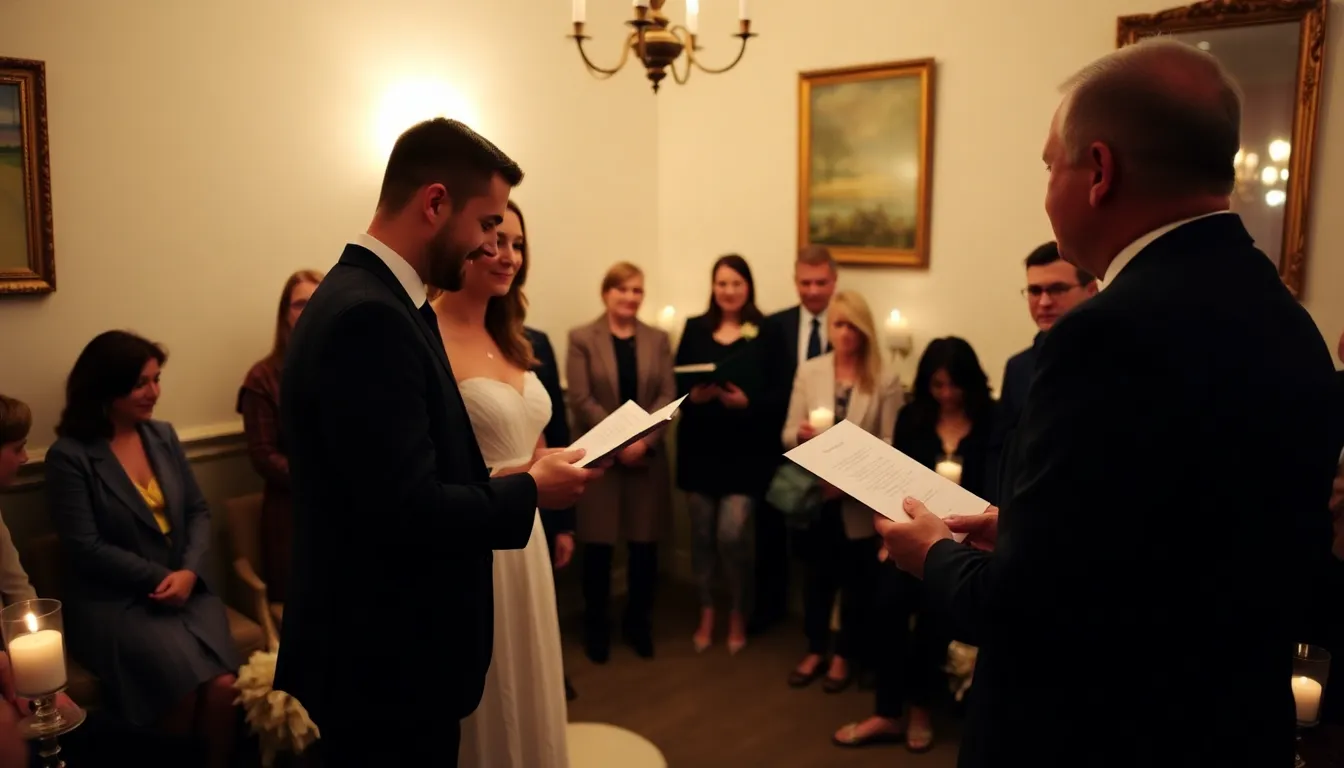
Historically, marriage was often seen as a necessity for economic stability and social status. In many cultures, it was a means to secure alliances and ensure the continuation of family lineage. The post-World War II era marked a peak in marriage rates, as returning soldiers sought to start families amidst a booming economy. However, the late 20th century brought significant changes, including the rise of feminism, which advocated for women’s independence and challenged traditional marital roles. This movement has contributed to a growing acceptance of singlehood and cohabitation without marriage.
Economically, the pressures of modern life have also played a critical role in declining marriage rates. With rising costs of living, student debt, and job instability, many young adults are prioritizing financial security over settling down. According to recent studies, individuals are delaying marriage until they feel financially stable, often leading to a significant gap between the age of first cohabitation and marriage. This trend reflects broader economic conditions that have reshaped priorities for a generation.
The Impact of Social Movements
Social movements advocating for LGBTQ+ rights and racial equality have further influenced perceptions of marriage. The legalization of same-sex marriage in various countries has redefined the institution, promoting inclusivity and challenging heteronormative standards. Meanwhile, movements addressing systemic inequalities have highlighted the need for alternative family structures, emphasizing that love and commitment can exist outside traditional marriage. These changes have prompted a reevaluation of what constitutes a family and the necessity of marriage in establishing one.
Analyzing Key Stakeholders and Issues at Play
The discussion surrounding the concept of marriage, particularly in the context of recent societal shifts, involves a variety of stakeholders, each with distinct interests and motivations. Among these actors are individuals contemplating marriage, advocacy groups promoting alternative relationship structures, and governmental bodies responsible for regulating marriage laws.
Individuals considering marriage often seek personal fulfillment and societal recognition, while advocacy groups may argue for the deconstruction of traditional marriage norms. These groups advocate for diverse relationship forms, emphasizing that the institution of marriage may not be necessary for all. This creates a tension between traditionalists who view marriage as a foundational element of society and progressives who prioritize personal choice and alternative arrangements.
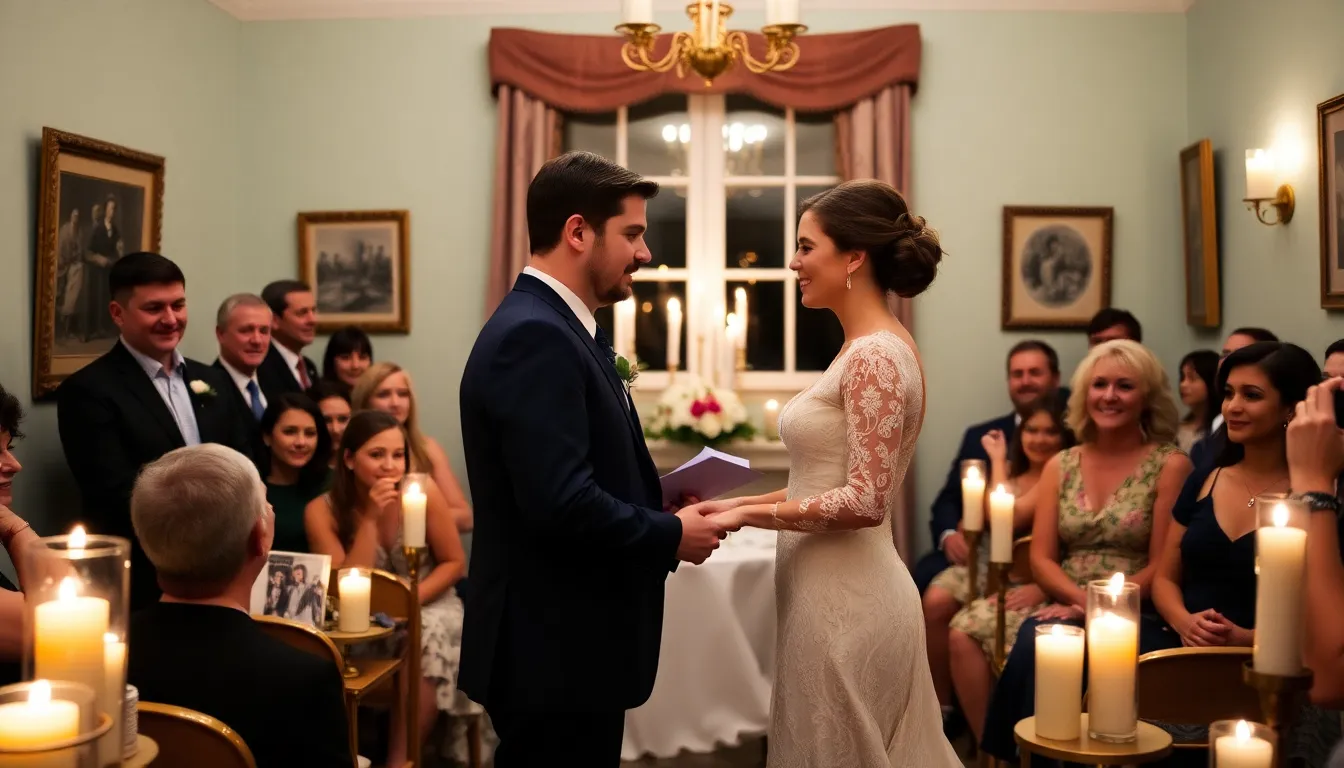
Governments play a critical role in this dynamic, as they establish legal frameworks that define marriage and its associated rights and responsibilities. Changes in marriage laws can have significant economic implications, affecting everything from taxation to inheritance rights. Additionally, the evolving conversation around marriage raises legal questions about recognition and protection for non-traditional relationships.
- Legal Implications: Changes in marriage laws can lead to disputes over rights and responsibilities, particularly for couples in non-traditional arrangements.
- Economic Considerations: The financial impact of marriage versus cohabitation can influence individual decisions and societal norms.
- Cultural Shifts: The changing perception of marriage reflects broader cultural trends, including the rise of individualism and shifting gender roles.
- Advocacy and Activism: Various groups are fighting for recognition of diverse relationship models, which can create friction with traditional views.
As these stakeholders navigate their interests, the potential for conflict remains high. The broader societal implications of these discussions can lead to significant shifts in how relationships are perceived and formalized, making it essential for all parties to engage thoughtfully in the ongoing dialogue.
Assessing the Impact on Individuals and Communities
The recent shifts in societal norms surrounding marriage have far-reaching implications for various groups and industries. Young adults, particularly those in urban areas, are increasingly questioning the traditional trajectory of marriage, which may lead to significant changes in family dynamics and social structures. This trend can be seen across diverse socioeconomic backgrounds, affecting both lower and middle-income families.
Industries that rely heavily on weddings and marriage-related services, such as event planning, catering, and bridal fashion, are likely to experience short-term disruptions. As fewer couples opt for traditional marriage ceremonies, businesses in these sectors may face declining revenues. Conversely, there may be a rise in alternative celebrations or gatherings that reflect changing values, creating new opportunities for innovative service providers.
- Decline in wedding-related spending impacting local economies.
- Increased demand for alternative relationship celebrations.
- Potential shifts in housing markets as cohabitation becomes more common.
In the mid-term, these changes could lead to evolving policies around family structures, taxation, and social services. Governments might need to reconsider benefits traditionally associated with marriage, such as tax breaks or health insurance, and adapt to the increasing number of non-traditional family units. This could foster a more inclusive environment for diverse relationship models, though it may also spark debates around the implications for societal values.
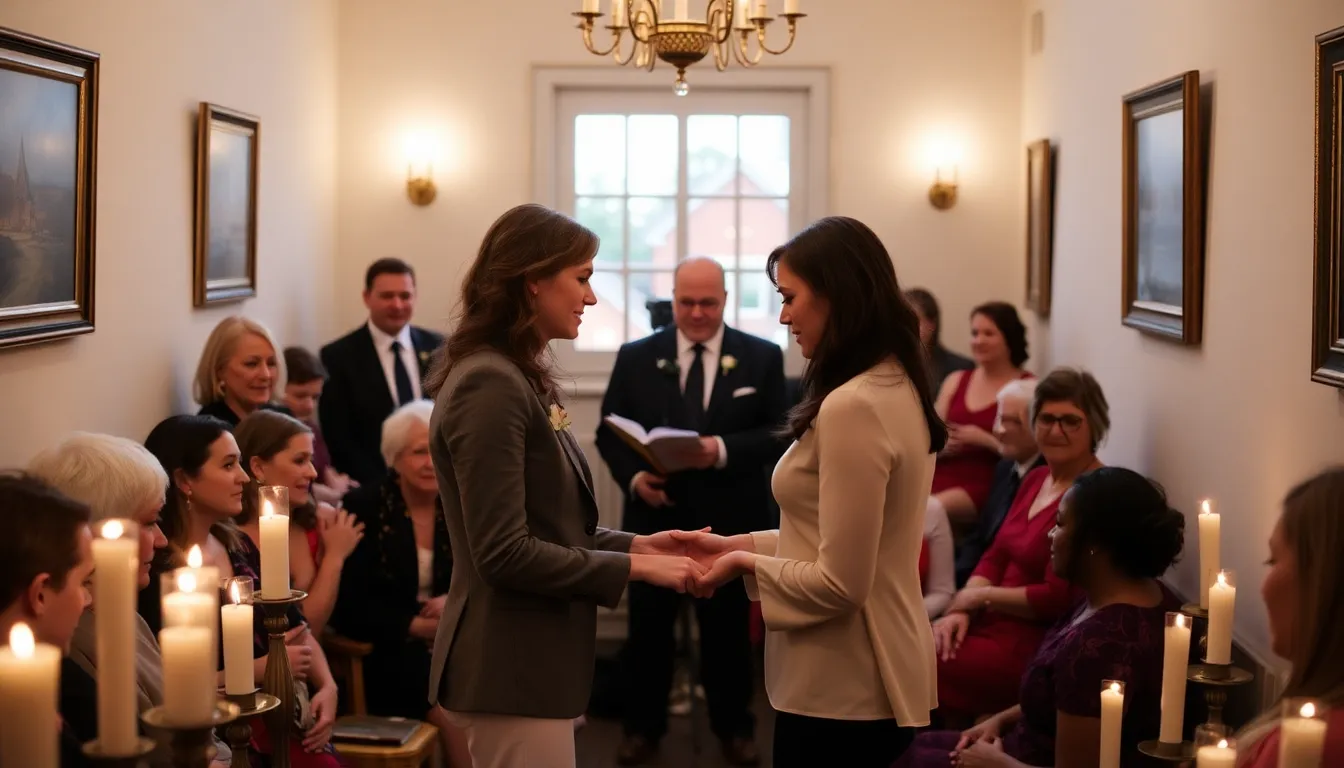
While there are risks associated with the decline of traditional marriage, such as potential isolation for individuals who do not form partnerships, there are also opportunities for fostering community connections in new ways. Organizations that promote social engagement and support networks may find increased relevance as people seek alternative forms of companionship and support. This shift could lead to a more interconnected society, albeit through different avenues than in the past.
A: The disruption was caused by a significant incident that has affected many individuals, leading to uncertainty in their personal lives and future plans. A: Many individuals are seeking support from friends, family, and professional counselors to navigate the emotional and practical challenges arising from the situation. A: While many hope to resume their marriage plans, the timeline will depend on the resolution of the underlying issues and the overall societal response. A: The situation may lead to changes in societal norms and expectations regarding marriage, as well as increased awareness of the challenges couples face. A: Yes, various organizations and support groups are offering resources and counseling to help individuals cope with the emotional and logistical challenges.
Frequently Asked Questions Regarding the Situation
Key Takeaways and Future Outlook on the Matter
The evolving landscape of relationships and societal expectations surrounding marriage reveals a complex interplay of personal choice and cultural shifts. While traditional marriage rates may decline, the implications of these changes extend beyond mere statistics, impacting emotional well-being, financial stability, and social structures. Understanding these dynamics is crucial as society navigates the future of partnerships.
As individuals prioritize personal fulfillment and redefine commitment, it is essential to consider how these shifts will influence future generations and societal norms. Observing emerging trends in cohabitation, alternative relationship models, and the role of technology will provide insights into the evolving nature of human connections.
- Emerging Relationship Models: Watch for an increase in cohabitation and alternative partnerships as individuals seek commitment without the traditional framework of marriage.
- Impact on Financial Stability: Consider how changing relationship dynamics may affect financial planning and economic stability for individuals and families.
- Cultural Shifts: Monitor societal attitudes towards marriage and long-term relationships, as these may influence policy changes and support systems.
- Emotional Well-being: Pay attention to the implications of relationship choices on mental health and emotional fulfillment in a society where marriage is no longer the default.
- Technology’s Role: Explore how advancements in technology are reshaping dating and relationship dynamics, potentially creating new avenues for connection.