
One of the key issues highlighted in the review is the portrayal of power dynamics, drawing parallels between the characters in the opera and contemporary political figures, including former President Donald Trump. Critics have pointed out that the opera’s themes of ambition and manipulation resonate with current events, prompting audiences to reflect on the nature of leadership and authority in both historical and modern contexts.
Additionally, the production’s creative direction has been a focal point of debate. With influences ranging from Sigmund Freud’s psychological theories to contemporary social commentary, the staging challenges traditional interpretations of the opera. This innovative approach has led to mixed reactions from audiences and critics alike, raising questions about the boundaries of artistic expression in classical music.
The Tamerlano review also emphasizes the importance of accessibility in the arts. As opera continues to evolve, there is a growing conversation about how to attract new audiences while preserving the integrity of the genre. This production aims to bridge that gap, making classical music more relatable to younger generations and those unfamiliar with the opera scene.
In summary, the review of Tamerlano not only showcases a significant artistic endeavor but also serves as a mirror reflecting contemporary societal issues. As the opera world navigates these challenges, the conversations sparked by this production may influence future performances and the direction of the genre as a whole.
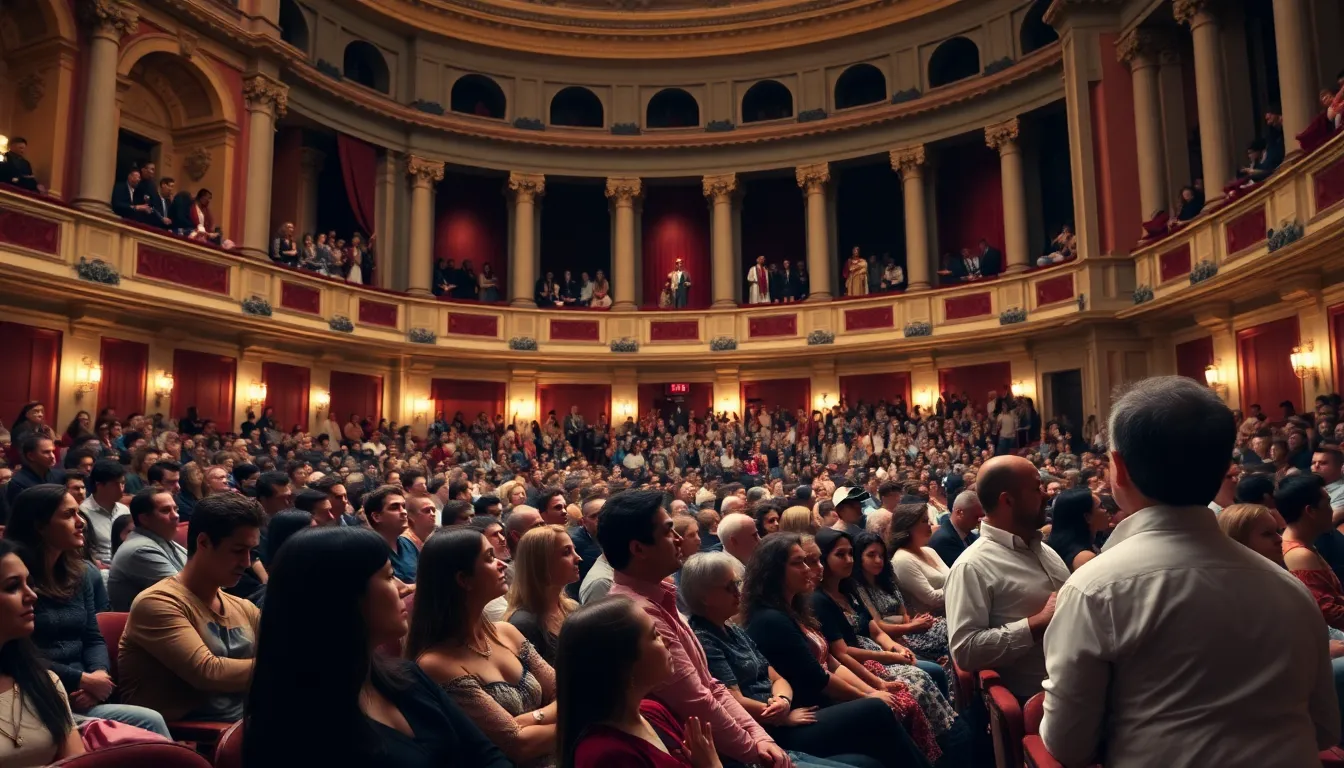
Understanding the historical and cultural context of Tamerlano
The opera Tamerlano, composed by George Frideric Handel in 1724, is rooted in the historical narrative of Timur, a 14th-century conqueror known for his military prowess and brutal campaigns. This historical figure, also known as Tamerlane, became a symbol of tyranny and ambition, which Handel’s opera explores through themes of power, love, and betrayal. The opera’s libretto, crafted by Nicola Francesco Haym, draws on the complex interplay of personal and political conflicts that characterized Timur’s reign, reflecting the tumultuous period in which Handel was composing.
In the early 18th century, Europe was undergoing significant political changes, with the rise of nation-states and the decline of feudalism. This backdrop of shifting power dynamics influenced the way operas were received by audiences. Tamerlano was performed during a time when the public was increasingly fascinated by the lives of historical figures, particularly those whose stories involved dramatic twists and moral dilemmas. Handel’s choice to depict such a controversial character as Timur resonated with contemporary themes of authority and the human condition.
The Influence of Freudian Concepts
In the modern context, the opera has also been examined through the lens of Freudian psychology, particularly in terms of its exploration of desire and the subconscious. The characters in Tamerlano grapple with their innermost motivations and fears, a reflection of the complexities of human emotion that Freud later articulated in his theories. This psychological dimension adds depth to the opera, inviting audiences to consider not only the historical implications of Timur’s actions but also the personal struggles that drive individuals to seek power and control.
Furthermore, the contemporary interpretation of Tamerlano has been influenced by the cultural phenomena surrounding popular series like Bridgerton, which reimagines historical narratives through a modern lens. This connection highlights how the themes of ambition, romance, and societal expectations continue to resonate with audiences today, bridging the gap between the past and present. As a result, productions of Tamerlano often incorporate elements that reflect current societal issues, making the opera relevant to today’s viewers.
Overall, understanding the historical and cultural context of Tamerlano enriches the experience of the opera. By examining the interplay of historical events, psychological theories, and contemporary cultural influences, audiences can gain a deeper appreciation for Handel’s work and its enduring impact on the operatic landscape.
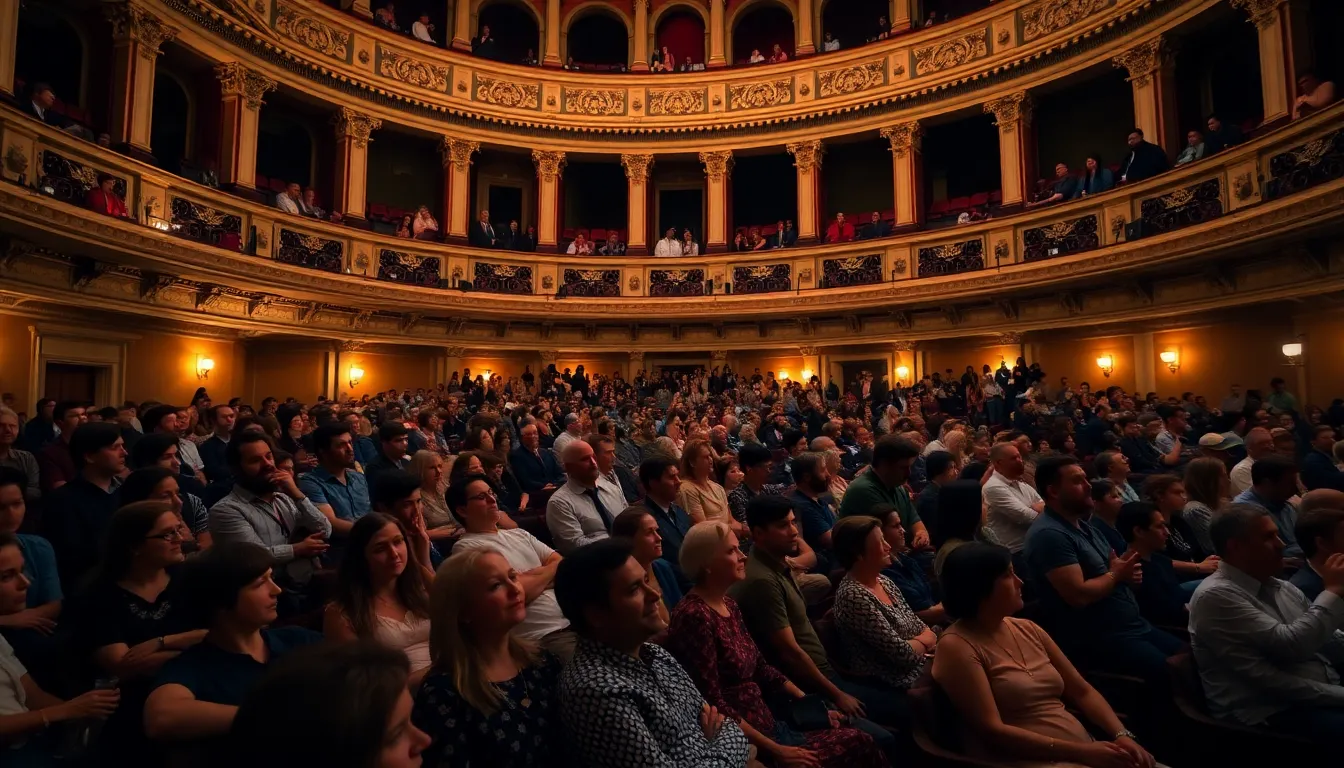
Key issues and performances in the Tamerlano review
The recent review of ‘Tamerlano’ has brought together a diverse group of stakeholders, each with their own interests and perspectives. Among the most notable figures are former President Donald Trump, renowned psychoanalyst Sigmund Freud, and a prominent actor from the popular series Bridgerton. Their involvement highlights the intersection of politics, psychology, and entertainment in contemporary cultural discussions.
One of the primary conflicts arising from this review is the differing interpretations of Handel’s work. Trump, known for his controversial views, may seek to leverage the opera’s themes for political gain, while Freud’s analytical approach could challenge the emotional and psychological undercurrents of the piece. The Bridgerton actor, meanwhile, represents a modern audience’s appetite for drama and spectacle, potentially clashing with more traditional interpretations.
Key issues surrounding this production include:
- Interpretative Conflicts: The varying perspectives on Handel’s intentions and the opera’s relevance today.
- Audience Engagement: Balancing the expectations of a contemporary audience with classical opera’s historical context.
- Political Implications: How the involvement of political figures like Trump may influence public perception and discourse.
- Cultural Commentary: The role of art in reflecting and shaping societal values, as highlighted by Freud’s theories.
- Economic Factors: The financial viability of staging such a production amidst competing entertainment options.
As these stakeholders navigate their interests, the review of ‘Tamerlano’ serves as a microcosm of larger societal debates. The interplay between politics, psychology, and popular culture raises important questions about the role of art in contemporary discourse and the ways in which it can be both a mirror and a mold for society.
Impact of the Tamerlano review on audiences and critics
The recent review of ‘Tamerlano’ has sparked significant interest across various groups, particularly among theatergoers, critics, and the broader arts community. Audiences who appreciate opera and classical music may find themselves drawn to the production, influenced by the unique blend of elements from Trump, Freud, and the Bridgerton aesthetic. This fusion of themes could attract a diverse demographic, ranging from traditional opera enthusiasts to younger viewers seeking contemporary interpretations.
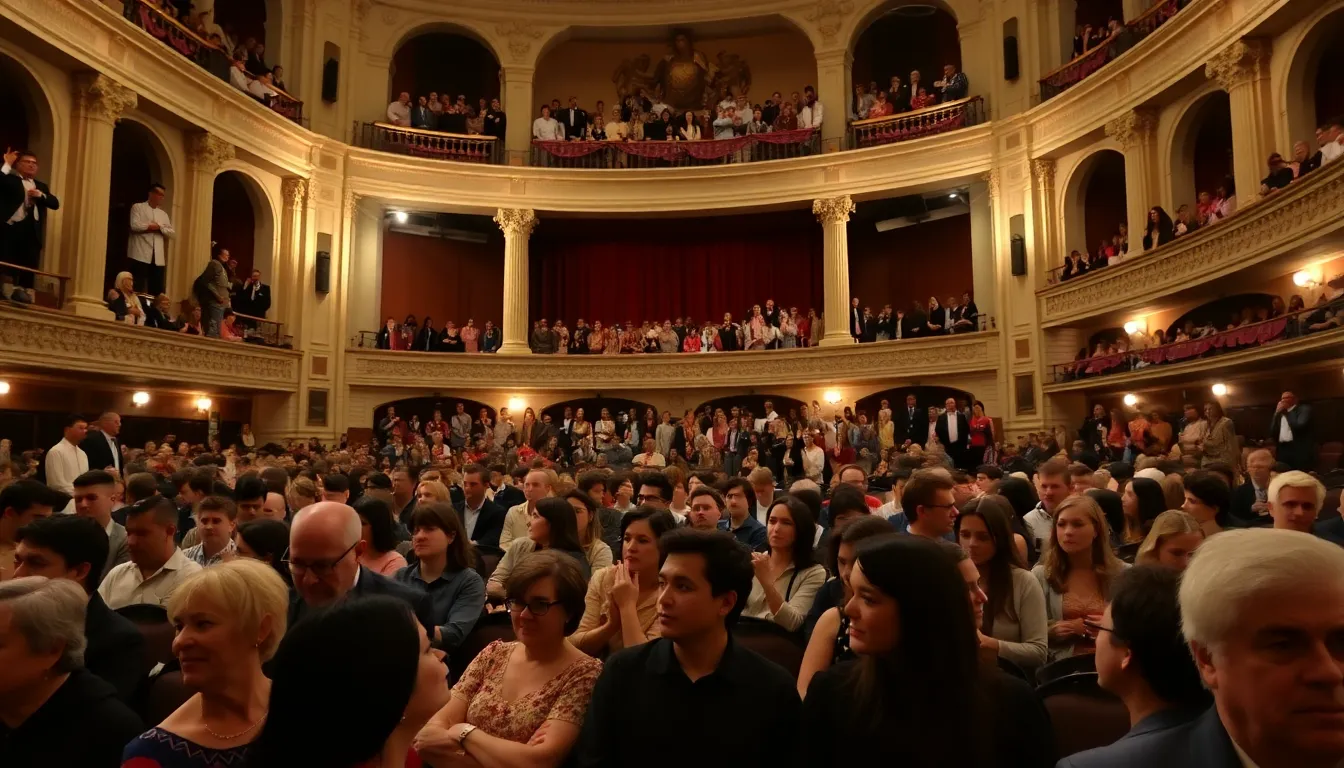
In the short term, the review is likely to boost ticket sales and increase foot traffic to theaters hosting ‘Tamerlano’. Businesses in the vicinity, such as restaurants and bars, may experience a surge in customers before and after performances, leading to an uptick in local economic activity. Additionally, media coverage surrounding the review could enhance the visibility of the production, encouraging more people to engage with the arts.
However, there are risks associated with the polarized reception of the review. Critics may debate the artistic choices made in the production, potentially alienating certain audience segments. This backlash could lead to a decline in attendance if negative sentiments gain traction. Furthermore, the intertwining of controversial figures like Trump with classical themes may provoke discussions that distract from the artistic merit of the work.
In the mid-term, the impact on arts policy could be significant. If the review leads to increased funding for innovative productions, it may encourage more experimental works that challenge traditional narratives. This could result in a richer cultural landscape, fostering creativity and diversity within the arts. However, if the production fails to resonate with audiences, it might deter investors from supporting similar projects in the future.
- Increased ticket sales and local business revenue.
- Potential polarization of audience opinions and attendance.
- Influence on future arts funding and production styles.
A: The Tamerlano review explores the complexities of power and identity through the lens of historical figures like Trump and Freud, juxtaposed with modern interpretations. A: The performance draws parallels between the historical context of Handel’s work and current societal challenges, making it relevant to today’s audiences. A: The review features a talented cast, including a notable Bridgerton escapee, who brings a fresh perspective to the characters. A: Critics have praised the innovative approach and the way it challenges traditional interpretations of Handel’s work. A: While it appeals to a broad audience, some themes may resonate more with those familiar with the historical context.
Frequently asked questions about the Tamerlano review
Key takeaways and future outlook for Tamerlano
The performance of Tamerlano highlights the intricate interplay between historical context and contemporary interpretation, particularly as it relates to figures like Trump and Freud. The challenges faced by the cast, including the notable Bridgerton escapee, reflect broader themes in modern society, where the past continuously informs present narratives. As audiences engage with this complex tapestry, the implications for future productions and adaptations become increasingly relevant.
Looking ahead, the reception of Tamerlano may influence how operatic works are approached, particularly in terms of character development and thematic exploration. The blending of historical and modern elements could pave the way for innovative storytelling that resonates with today’s audiences.
- Monitor audience reactions to the integration of modern themes in classical works.
- Consider the impact of star power on the success of operatic performances.
- Observe the evolution of character portrayals in adaptations of historical narratives.
- Evaluate how contemporary issues are addressed in traditional art forms.
- Anticipate potential shifts in operatic production styles as a response to audience expectations.