
The discussion gained momentum following a series of high-profile controversies involving Prince Andrew, particularly his connection to convicted sex offender Jeffrey Epstein. As public sentiment shifts regarding the monarchy’s role and accountability, Carney’s statement reflects a growing demand for reform within royal traditions.
Carney’s comments are particularly significant given Canada’s historical ties to the British monarchy. As a member of the Commonwealth, Canada often looks to its leaders for guidance on matters of royal representation, making this statement a potential catalyst for broader discussions about the monarchy’s future in Canada.
As of now, there has been no official response from Buckingham Palace regarding Carney’s remarks. However, the dialogue surrounding Prince Andrew’s position raises important questions about the relevance of the royal family and the expectations of public figures in the modern era.
Recommended Articles
- The connection between Andrew and Jeffrey Epstein's third man
- Urgent action required for student loans in England
- India and Canada strengthen relations with significant nuclear energy agreement
- China removes three retired generals from national advisory body
- Exploring the Depths of BBC Inside Science
- The connection between Andrew and Jeffrey Epstein's third man
- Urgent action required for student loans in England
- India and Canada strengthen relations with significant nuclear energy agreement
- China removes three retired generals from national advisory body
- Exploring the Depths of BBC Inside Science
Understanding the background of Prince Andrew’s controversies
The controversy surrounding Prince Andrew, Duke of York, has persisted for several years, primarily due to allegations of sexual misconduct and his association with convicted sex offender Jeffrey Epstein. These allegations have not only tarnished his personal reputation but have also raised significant questions about his position within the British royal family and the monarchy as a whole. As public sentiment shifts towards accountability and transparency, calls for Andrew’s removal from the royal line of succession have gained traction, culminating in remarks from figures like Canadian Prime Minister Mark Carney.
Historically, the British royal family has been a symbol of continuity and tradition, but it has also faced scrutiny during times of scandal. The monarchy’s relationship with the public is delicate; incidents involving its members can lead to widespread public backlash. The fallout from Prince Andrew’s associations and the subsequent legal challenges he faced have highlighted the tension between royal privilege and the demands for accountability, particularly in a modern context where social media amplifies public discourse.
In 2019, Prince Andrew’s disastrous interview with the BBC regarding his ties to Epstein further exacerbated the situation. His attempts to distance himself from the allegations were met with skepticism, leading to increased pressure from both the media and the public. As a result, he stepped back from royal duties, a significant move that underscored the severity of the allegations against him. This shift marked a pivotal moment in the royal family’s approach to addressing controversies involving its members.
The Role of Public Opinion
Public opinion plays a crucial role in shaping the monarchy’s future. As societal norms evolve, the expectations placed upon royal family members have become more stringent. The #MeToo movement has particularly influenced perceptions of accountability, pushing for a reassessment of figures like Prince Andrew. The growing sentiment that individuals in positions of power should be held accountable for their actions has led to a reevaluation of Andrew’s place within the royal hierarchy, prompting discussions about his potential removal from the line of succession.
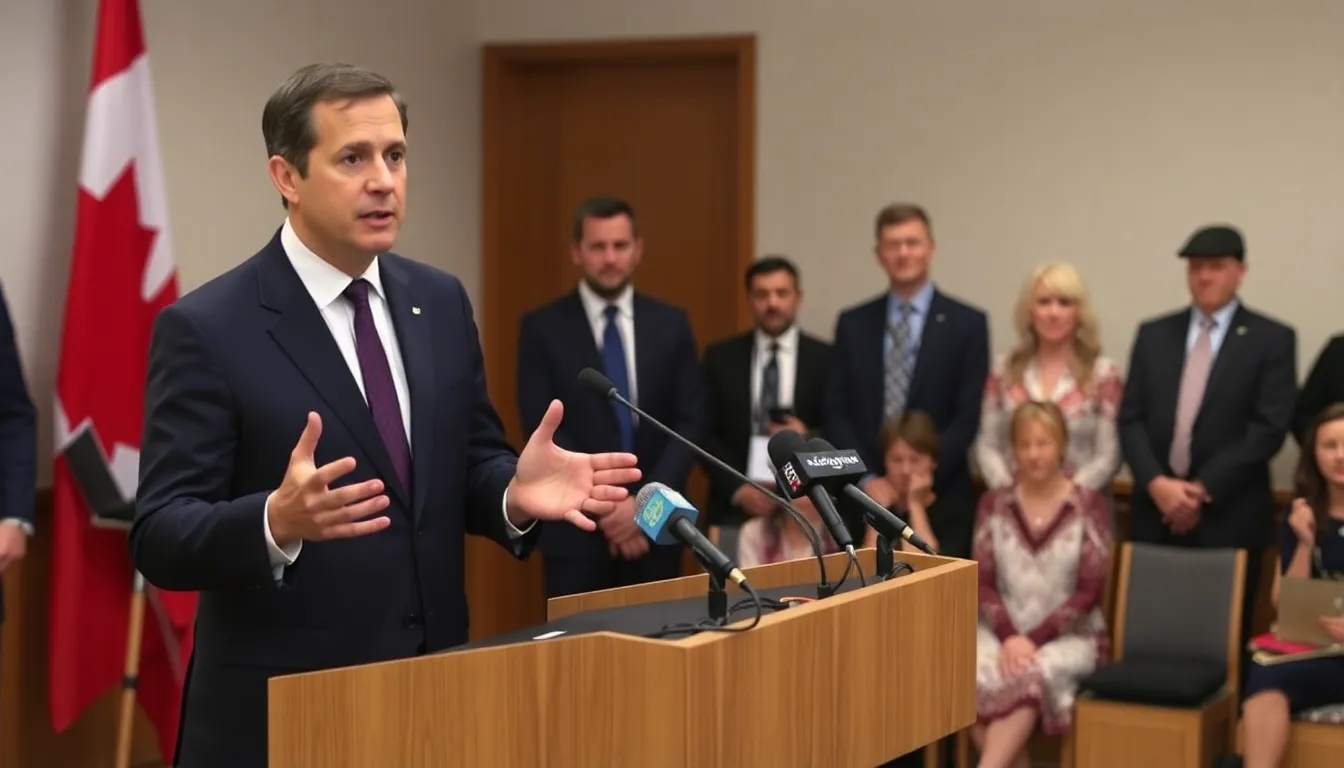
Key stakeholders and issues surrounding the royal succession debate
The debate surrounding the royal succession has gained renewed attention following Canadian Prime Minister Mark Carney’s remarks suggesting that former Prince Andrew should be removed from the royal line of succession. This statement has implications for various stakeholders, including the British royal family, the Canadian government, and the general public.
One of the primary actors in this situation is the British royal family, particularly King Charles III, who has the authority to influence the royal succession laws. The royal family’s reputation and public perception are at stake, especially given the controversies surrounding Prince Andrew’s past, including allegations of sexual misconduct. The royal family’s interest lies in maintaining its legitimacy and public support, which could be jeopardized by retaining a controversial figure in the line of succession.
The Canadian government, represented by Prime Minister Carney, also plays a crucial role. Canada’s constitutional ties to the monarchy mean that any changes to the royal succession have implications for Canadian governance and identity. Carney’s comments reflect a growing sentiment among some Canadians who question the relevance of the monarchy in a modern democratic society. This raises the issue of whether Canada should continue to recognize the British monarchy or seek a more independent path.
- Public Sentiment: Many Canadians are increasingly critical of the monarchy, questioning its role and relevance.
- Legal Implications: Changes to the royal line of succession involve complex legal frameworks that govern the monarchy’s relationship with Commonwealth nations.
- Economic Considerations: The royal family’s presence can attract tourism and investment, but scandals may deter public interest.
- International Relations: The monarchy’s status affects diplomatic relations, particularly with other Commonwealth countries.
- Cultural Identity: The debate touches on broader issues of national identity and the role of historical institutions in contemporary society.
As the discussion unfolds, the interests of these stakeholders will need to be carefully balanced against the backdrop of public opinion and the evolving nature of governance in Canada and the Commonwealth. The outcome of this debate may set a precedent for future discussions about the monarchy’s role in modern society.
Potential impacts on the monarchy and public perception
The statement by Canadian Prime Minister Mark Carney regarding former Prince Andrew’s position in the royal line of succession has implications for various groups, including the British royal family, the Commonwealth nations, and the general public. This move may resonate particularly in Canada, where the monarchy holds a symbolic yet significant role in national identity and governance.
In the short term, the public reaction may lead to a shift in sentiment towards the monarchy. Those who support the removal of Prince Andrew may see it as a step towards accountability and modernization of the royal family, while critics may view it as an unnecessary intervention in royal affairs. This divergence in public opinion can create a divide among citizens, influencing discussions about the relevance of the monarchy in contemporary society.
In the mid-term, businesses and industries related to tourism, especially those that promote royal heritage and events, could face challenges. A potential decline in public interest in royal engagements may affect ticket sales for royal tours and events, impacting local economies that rely on tourism. Conversely, this situation could also open opportunities for new narratives and experiences that promote a more modern image of the monarchy, attracting a different demographic.
- Short-term risks: Decreased public support for the monarchy, potential backlash from royalists.
- Mid-term risks: Economic impact on tourism and royal-related businesses.
- Opportunities: New marketing strategies for royal tourism, potential for increased engagement with younger audiences.
Additionally, the political implications may lead to discussions about the monarchy’s role in governance, especially in Commonwealth countries. Leaders may feel compelled to reassess the relevance of the monarchy in their political systems, potentially influencing future policies and public sentiment towards royal institutions.
Frequently asked questions about the royal succession issue
A: Mark Carney believes that Prince Andrew’s past controversies have damaged the reputation of the royal family, making it necessary to reconsider his place in the succession line.
A: Prince Andrew has faced allegations of sexual misconduct and has been linked to Jeffrey Epstein, which has led to significant public and media scrutiny.
A: Carney’s statement adds pressure on the royal family to address the issues surrounding Prince Andrew and could influence public opinion regarding the monarchy’s future.
A: As of now, the royal family has not issued a formal response to Carney’s remarks, but discussions regarding Prince Andrew’s role continue.
A: If Prince Andrew is removed from the succession line, it could set a precedent for how the monarchy handles members involved in scandals.
Key insights and future outlook on the royal succession debate
The statement by Canadian PM Mark Carney regarding Prince Andrew’s position in the royal line of succession has ignited discussions about the relevance and integrity of the monarchy in contemporary society. As public sentiment shifts, the implications of such a move could resonate beyond the British royal family, impacting perceptions of royal privileges and responsibilities in Commonwealth nations.
Moving forward, stakeholders will need to consider how this debate reflects broader societal values and the expectations placed on public figures. The potential removal of Prince Andrew from the succession line may signal a willingness to address accountability within the monarchy, reinforcing the idea that royal status is not immune to scrutiny.
- Monitor public opinion trends regarding the monarchy, especially in Commonwealth countries.
- Watch for potential legislative or constitutional changes that may arise from this debate.
- Consider the impact on royal family dynamics and future succession planning.
- Evaluate how this situation may influence the royal family’s approach to transparency and accountability.
- Observe reactions from other Commonwealth leaders and how they may align with or diverge from Carney’s stance.