
The anniversary has reignited discussions about the original incident, with witnesses recounting their experiences and researchers delving into the implications of the sightings. For more on similar phenomena, check the latest updates on current events. Local authorities and UFO enthusiasts have organized events to commemorate the date, drawing attention from both national and international media.
In recent weeks, the Brazilian government has also faced increased pressure to disclose information regarding unidentified aerial phenomena, following global trends toward transparency in UFO reporting. This situation underscores the ongoing intrigue surrounding UFOs and the potential implications for science, defense, and public interest.
As Varginha prepares for commemorative activities, the community reflects on its unique position in the global UFO narrative. The anniversary serves not only as a reminder of past events but also highlights the enduring fascination with the possibility of life beyond Earth.
The historical background of the alien encounter
In the early 1990s, the small town of Varginha in Brazil gained international attention after a series of reported UFO sightings and alleged alien encounters. This period marked a significant moment in the town’s history, transforming it into what many now refer to as the “UFO capital” of Brazil. The events surrounding the so-called “Varginha Incident” began in January 1996, when residents claimed to have spotted unusual lights in the sky and a strange creature in the vicinity.

The Varginha Incident was characterized by multiple eyewitness accounts, including those of three young women who reported seeing a being described as having a large head, big eyes, and a scaly body. These sightings prompted a flurry of media coverage and speculation, leading to investigations by both local authorities and UFO enthusiasts. The Brazilian military’s involvement further fueled theories regarding government cover-ups and the existence of extraterrestrial life, similar to recent events like the journalists’ strike in Australia, which also raised questions about government transparency.
Economically, the incident had a profound impact on Varginha, transforming it into a tourist destination for those intrigued by the paranormal. The town capitalized on its newfound fame, hosting UFO festivals and attracting researchers, tourists, and curious visitors from around the globe. This shift not only boosted local businesses but also fostered a unique cultural identity centered around UFO phenomena.
The political landscape and its influence
Politically, the Varginha Incident occurred during a time of significant change in Brazil, as the country was transitioning from military rule to a more democratic government. This atmosphere of newfound freedom allowed for greater public discourse on topics previously considered taboo, including UFOs and extraterrestrial life. To understand more about shifting narratives, you can read about what occurred just before the Air Canada plane crash at LaGuardia, which involved discussions about safety and public interest.
As the 30th anniversary of the Varginha Incident approaches, the legacy of that fateful January continues to resonate, serving as a reminder of humanity’s enduring fascination with the unknown and the search for answers beyond our planet.
Key stakeholders and issues surrounding UFO sightings
The phenomenon of UFO sightings in Brazil, particularly in the town of Varginha, has drawn attention from various stakeholders, each with distinct interests and perspectives. These include local residents, government authorities, scientific communities, and media organizations. Each group plays a role in shaping the narrative surrounding these sightings and the implications they carry.
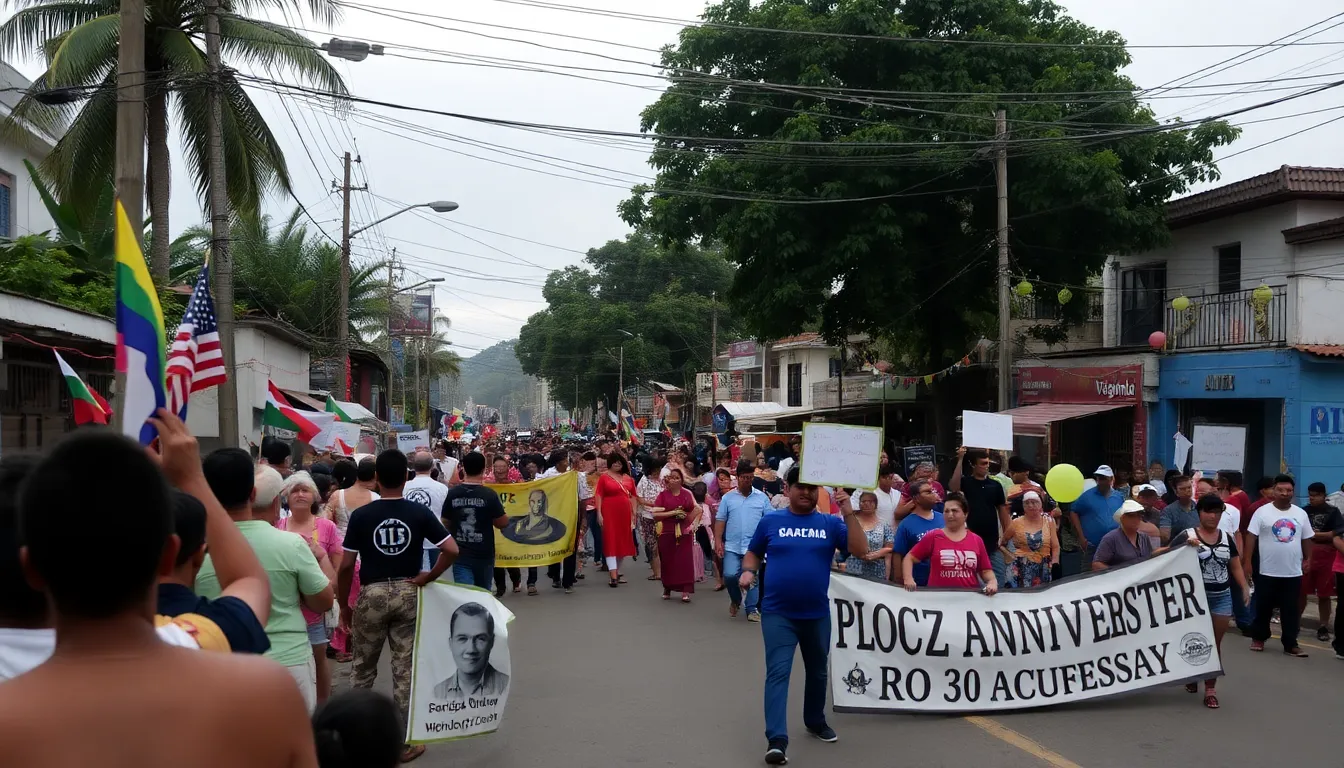
Local residents often express a mix of curiosity and fear regarding UFO sightings. Many believe that such encounters could lead to tourism opportunities, boosting the local economy. However, there are also concerns about safety and the potential for increased scrutiny from outside entities. This duality creates a complex dynamic within the community, where the allure of fame clashes with apprehension about the unknown.
Government authorities, including local and national agencies, have a vested interest in managing public perception and maintaining order. They face the challenge of balancing public interest with scientific skepticism. The Brazilian government has historically been involved in investigating UFO sightings, which raises questions about transparency and the allocation of resources. This involvement can lead to conflicts, particularly when official narratives do not align with local beliefs or experiences.
The scientific community also plays a crucial role in analyzing UFO phenomena. Researchers aim to approach sightings with a rational lens, seeking to debunk myths while also considering the implications of unidentified aerial phenomena. However, their findings can sometimes conflict with popular beliefs, leading to tensions between scientific inquiry and public fascination.
- Economic Interests: Local businesses may benefit from increased tourism related to UFO lore.
- Public Safety: Residents may worry about the implications of potential alien encounters.
- Government Transparency: Questions arise regarding how much information authorities share with the public.
- Scientific Integrity: Researchers strive to maintain objectivity in the face of sensationalism.
- Media Influence: The portrayal of UFO sightings can shape public perception and reaction.
The effects of the alien encounter on local culture and tourism
The 30th anniversary of the renowned alien encounter in Brazil has significant implications for various groups and industries, particularly in the realms of tourism, local businesses, and cultural identity. Residents of the small town, which has become a focal point for UFO enthusiasts, experience both the excitement and challenges that come with being labeled the ‘UFO capital’ of the country.
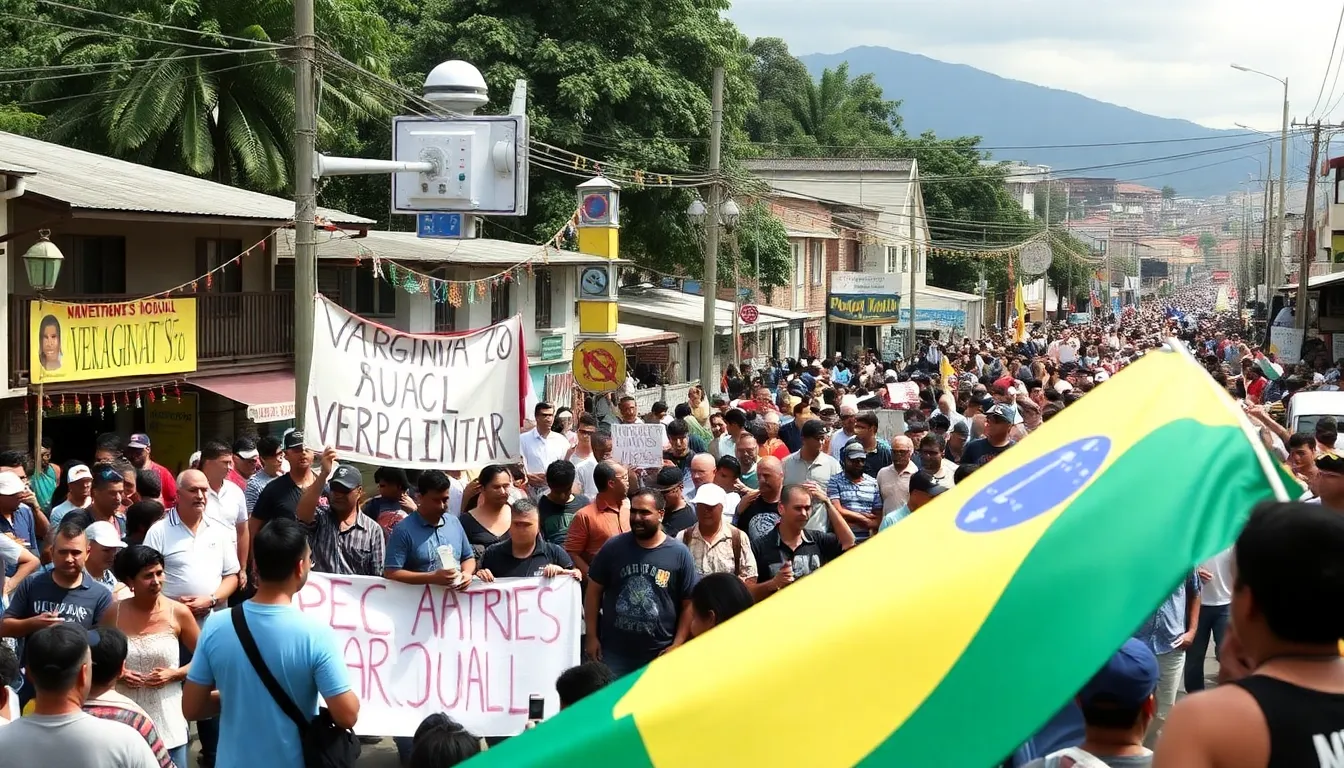
In the short term, local businesses, including hotels, restaurants, and souvenir shops, are likely to see a surge in visitors as media coverage increases around the anniversary. This influx can revitalize the local economy, providing much-needed revenue and job opportunities for residents. However, the sudden rise in tourism may also strain local resources and infrastructure, leading to potential challenges in managing the increased foot traffic.
Over the mid-term, the ongoing fascination with the alien encounter may lead to the development of new attractions, such as themed festivals or educational exhibits, which can further enhance the town’s reputation. This can create opportunities for local artists and entrepreneurs to capitalize on the unique cultural narrative surrounding the event. However, there are risks associated with commodifying the experience, as some locals may feel that the authenticity of their culture is being overshadowed by commercial interests.
- Tourism Growth: Increased visitors can boost local economy.
- Infrastructure Strain: Higher foot traffic may challenge local services.
- Cultural Identity: Risk of commercialization affecting local traditions.
- Business Opportunities: New attractions and events can emerge.
Moreover, the narrative surrounding the alien encounter can influence regional policies, as local governments may seek to promote the town as a tourist destination. This can lead to investments in infrastructure and marketing efforts, but it also raises questions about the sustainability of such initiatives and their long-term impact on the community’s identity and values.
A: The alien encounter in Brazil involved multiple eyewitness reports of UFO sightings and strange phenomena, leading to widespread media coverage and public intrigue. A: Brazil is deemed a UFO capital due to its high frequency of reported sightings and the cultural significance of these events in the region. A: The alien encounter has boosted local tourism, attracting enthusiasts and researchers interested in UFO phenomena and the area’s history. A: Yes, various organizations and researchers continue to investigate UFO sightings in Brazil, seeking to uncover more about these mysterious occurrences. A: The anniversary celebration includes conferences, exhibitions, and community gatherings focused on the history and impact of the alien encounter.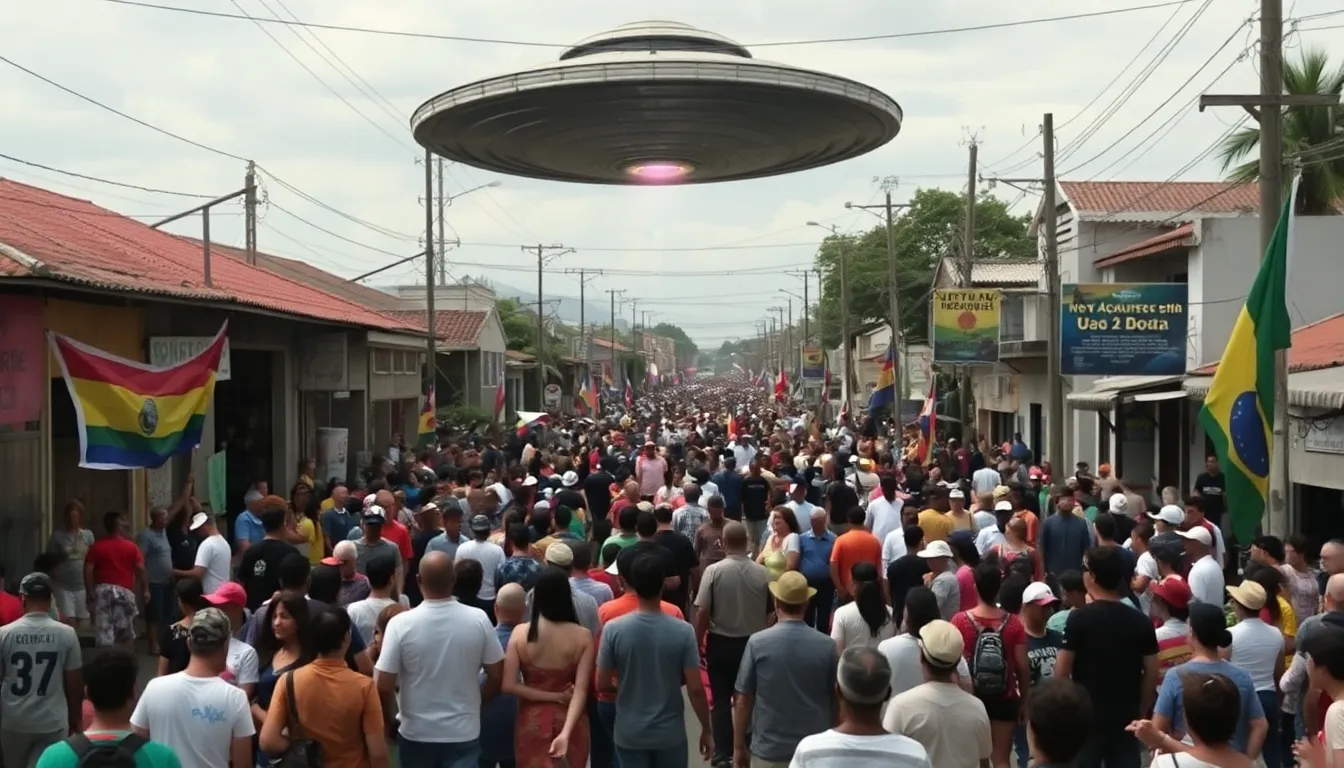
Frequently asked questions about the alien encounter
Looking ahead: insights from the anniversary celebration
The 30th anniversary of the renowned UFO encounter in Brazil serves as a reminder of the ongoing fascination with extraterrestrial life and the cultural significance of such events in shaping local identity. As the community reflects on its past and embraces its role as a hub for UFO enthusiasts, several implications arise for both the local economy and broader discussions about the nature of unexplained phenomena.
As interest in UFOs continues to grow globally, Brazil’s UFO capital stands poised to attract tourists, researchers, and media attention. This trend could lead to increased investment in local infrastructure and tourism initiatives, while also fostering a deeper dialogue about the intersection of science and folklore in understanding our universe.
- Monitor the potential economic boost from increased tourism linked to UFO-related events and festivals.
- Observe how local authorities leverage the anniversary to promote scientific research and community engagement.
- Watch for developments in public interest and governmental transparency regarding UFO sightings and investigations.
- Consider the implications of cultural narratives surrounding extraterrestrial encounters on community identity and cohesion.
- Evaluate the role of social media in shaping perceptions and spreading information about UFO phenomena in Brazil and beyond.