
The decision to strike follows failed negotiations between the ABC management and the MEAA, which represents journalists and other media professionals. Union representatives have expressed concerns about the erosion of job security and the need for fair compensation amid rising living costs, emphasizing the importance of sustainable employment in public broadcasting. For more on related labor dynamics, see the article on Trump’s negotiations with Iran.
This strike not only highlights the challenges faced by journalists in Australia but also raises questions about the future of public media. With the ABC being a key source of news and information for Australians, the disruption in operations could impact the delivery of crucial news coverage during a critical period leading up to the federal elections. As public interest grows, following the evolving situation surrounding media funding and governance will be essential.
The action has garnered support from various media organizations and advocates for press freedom, who view it as a pivotal moment for journalistic integrity and independence. As the strike continues, the outcome may set a precedent for labor relations within the media industry in Australia.
Understanding the background of the strike
The recent strike by journalists at Australia’s national broadcaster, the Australian Broadcasting Corporation (ABC), marks a significant moment in the history of media labor relations in the country. This is the first time in two decades that ABC journalists have taken such action, reflecting growing tensions over pay and working conditions. The strike is rooted in a broader context of economic challenges, including budget cuts and the increasing pressures on public broadcasting in an era dominated by commercial media.
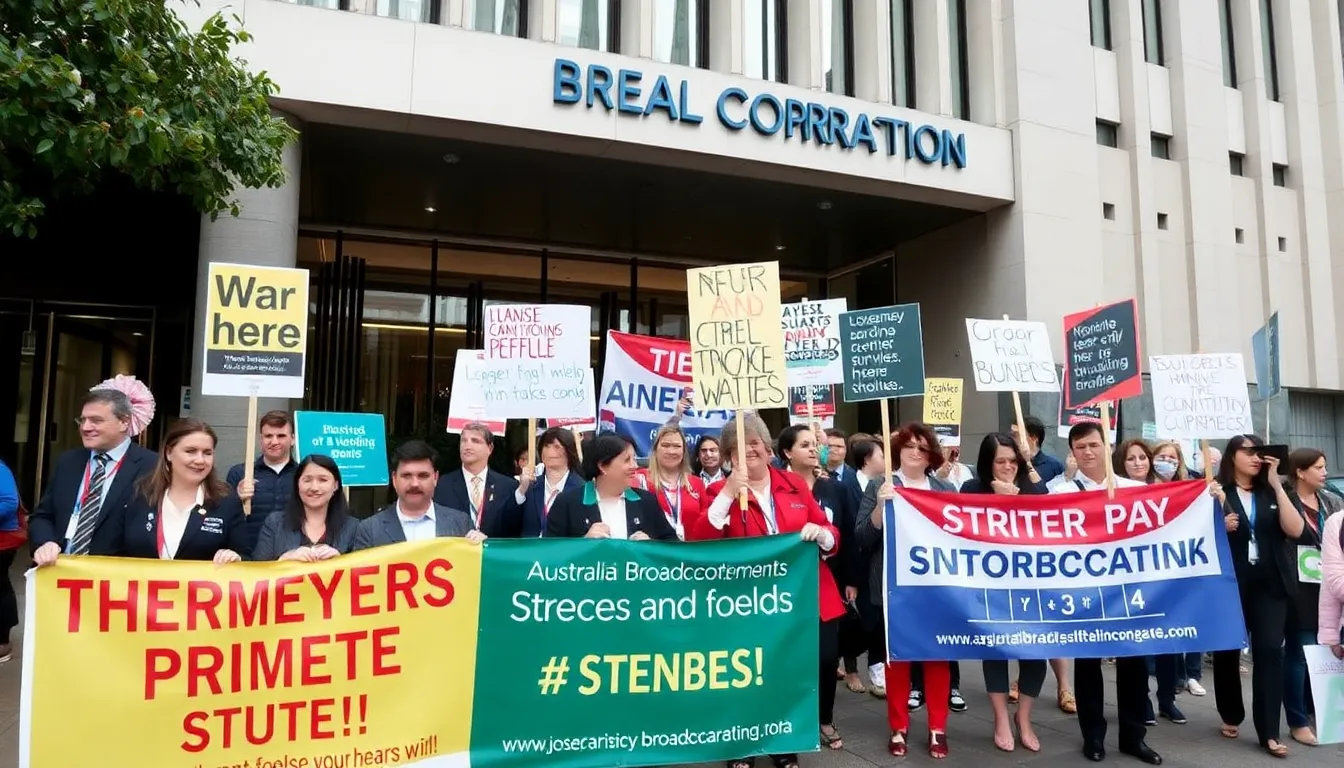
Historically, the ABC has been a cornerstone of Australian media, providing independent and impartial news coverage. However, over the past decade, the organization has faced severe funding cuts from successive governments, leading to staff layoffs and increased workloads for remaining employees. These changes have raised concerns about the quality and integrity of journalism at the ABC, prompting journalists to demand better pay and job security. This echoes the broader issues seen recently in the news, such as the tragic incidents stemming from governance failures.
Key milestones leading to the strike
In recent years, key events have highlighted the precarious state of journalism in Australia. The 2014 budget cuts, which saw a reduction of $254 million from the ABC’s funding over five years, set a precedent for ongoing financial strain. Furthermore, the introduction of the “sackings and cuts” policy in 2020 exacerbated the situation, leading to a significant decline in morale among journalists. The current strike can be seen as a culmination of these grievances, as journalists seek to reclaim their rights and advocate for a sustainable future in public broadcasting.
In addition to financial pressures, the political landscape has also played a role in shaping the current environment for journalists. The increasing influence of social media and the rise of misinformation have created an urgent need for reliable journalism, yet the ABC has struggled to maintain its capacity to deliver high-quality news. As journalists unite in their strike, they are not only fighting for their own rights but also for the future of public broadcasting in Australia and the vital role it plays in a democratic society.
Key issues and stakeholders involved in the strike
The recent strike by journalists at Australia’s national broadcaster, the Australian Broadcasting Corporation (ABC), marks a significant moment in the landscape of media labor relations. This action, the first of its kind in two decades, has brought to the forefront various stakeholders, each with distinct interests and concerns regarding the future of journalism in Australia.
At the heart of the strike are the journalists and staff of the ABC, represented by their union, the Media, Entertainment & Arts Alliance (MEAA). These journalists are advocating for better pay, job security, and improved working conditions. Their interests are driven by a desire to maintain journalistic integrity and independence, which they believe are threatened by budget cuts and increasing workloads.
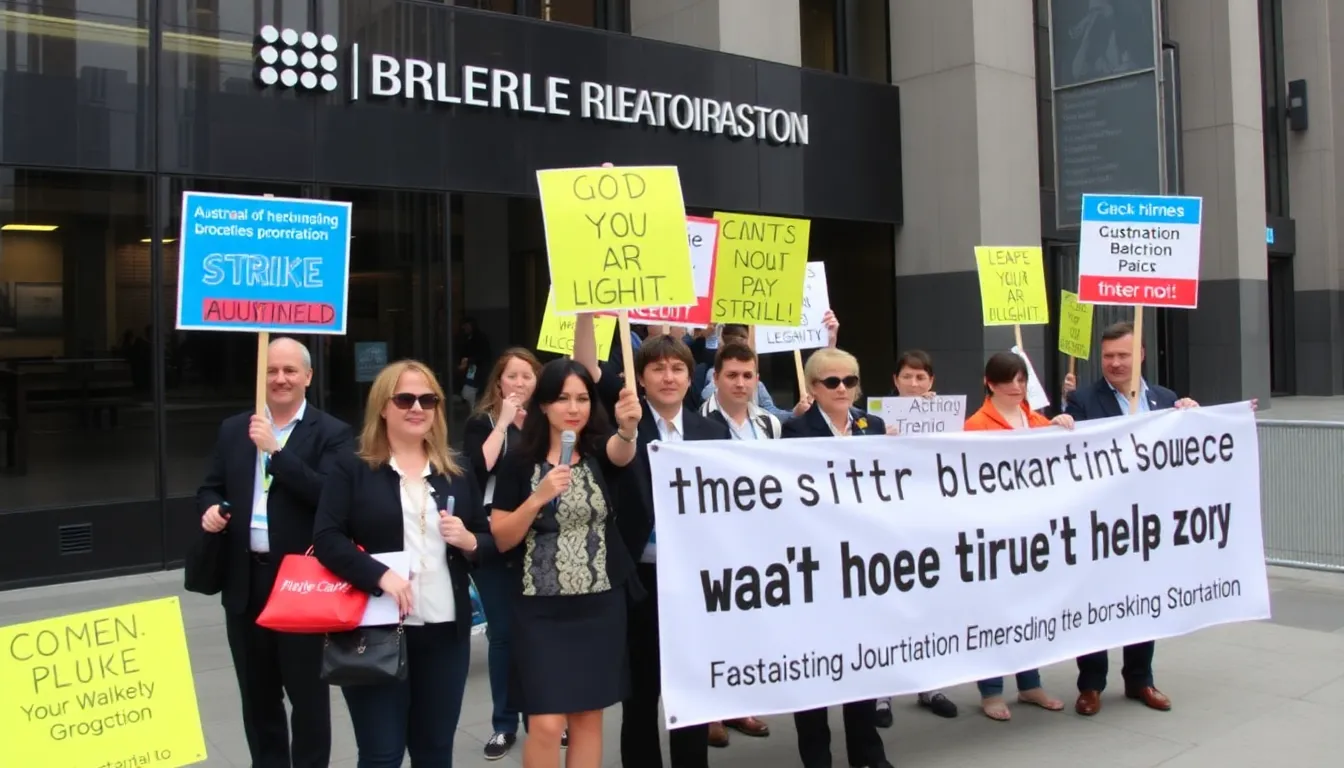
On the other side, the ABC management and the Australian government play crucial roles in this scenario. The ABC, funded partly by taxpayer money, faces financial pressures and must balance its budget while fulfilling its mandate to provide quality public broadcasting. The government, which oversees the ABC’s funding, has to consider public opinion and the potential backlash from a dissatisfied workforce and audience. This creates a complex dynamic where financial constraints can conflict with the need for robust journalism.
Several key issues arise from this situation:
- Budget Cuts: Ongoing financial constraints are leading to reduced resources for journalism, impacting the quality and quantity of news coverage.
- Job Security: Journalists are increasingly concerned about job losses and the precarious nature of their employment, which can undermine the independence of the media.
- Public Interest: The role of the ABC as a public broadcaster raises questions about its responsibilities to the Australian public and how its funding affects its operations.
- Union Representation: The MEAA’s involvement highlights the importance of collective bargaining in protecting workers’ rights within the media sector.
- Political Influence: The relationship between the government and the ABC can lead to tensions, especially when political agendas may influence editorial decisions.
This strike not only reflects the immediate concerns of ABC journalists but also raises broader questions about the future of public broadcasting in Australia and the role of media in a democratic society. As the situation unfolds, the interactions between these stakeholders will be crucial in shaping the outcome of this labor dispute and the future of journalism in the country.
Impact of the strike on media and public
The strike by journalists at Australia’s national broadcaster, the ABC, marks a significant moment for the media landscape in the country. This action affects not only the journalists themselves but also the broader public who rely on the ABC for news and information. Key stakeholders include media professionals, audiences, advertisers, and policymakers who engage with or depend on the content produced by the broadcaster.
In the short term, the strike may lead to disruptions in news coverage, resulting in fewer reports on critical issues such as politics, health, and environmental concerns. This could create an information vacuum, particularly in remote areas where the ABC serves as a primary news source. The absence of comprehensive news reporting may also affect public discourse and awareness on pressing societal matters.

In the mid-term, the impacts could extend to the advertising market, with businesses potentially reconsidering their investments in ABC advertising due to uncertainty about audience reach and engagement. Additionally, the strike could prompt policymakers to re-evaluate funding and support for public broadcasting, as the situation highlights the vulnerabilities within the media sector.
- Risks: Decreased public access to reliable news, potential loss of advertising revenue, and shifts in public trust towards media institutions.
- Opportunities: Increased awareness of the importance of journalism, potential for new funding models for public broadcasting, and a chance for journalists to advocate for better working conditions.
Overall, the ramifications of the strike are likely to resonate across various sectors, prompting discussions about the future of journalism in Australia and the essential role of public broadcasting in a democratic society.
A: Journalists are striking primarily due to disputes over pay and working conditions that they believe are not sustainable. A: The duration of the strike is uncertain and will depend on negotiations between the journalists and the broadcaster. A: The main demands include better pay, improved job security, and enhanced working conditions to ensure fair treatment. A: Public reaction has been mixed, with some supporting the journalists’ cause while others express concern over potential disruptions to news coverage. A: This strike marks the first time in 20 years that journalists at the national broadcaster have taken such action, highlighting ongoing issues in the media industry.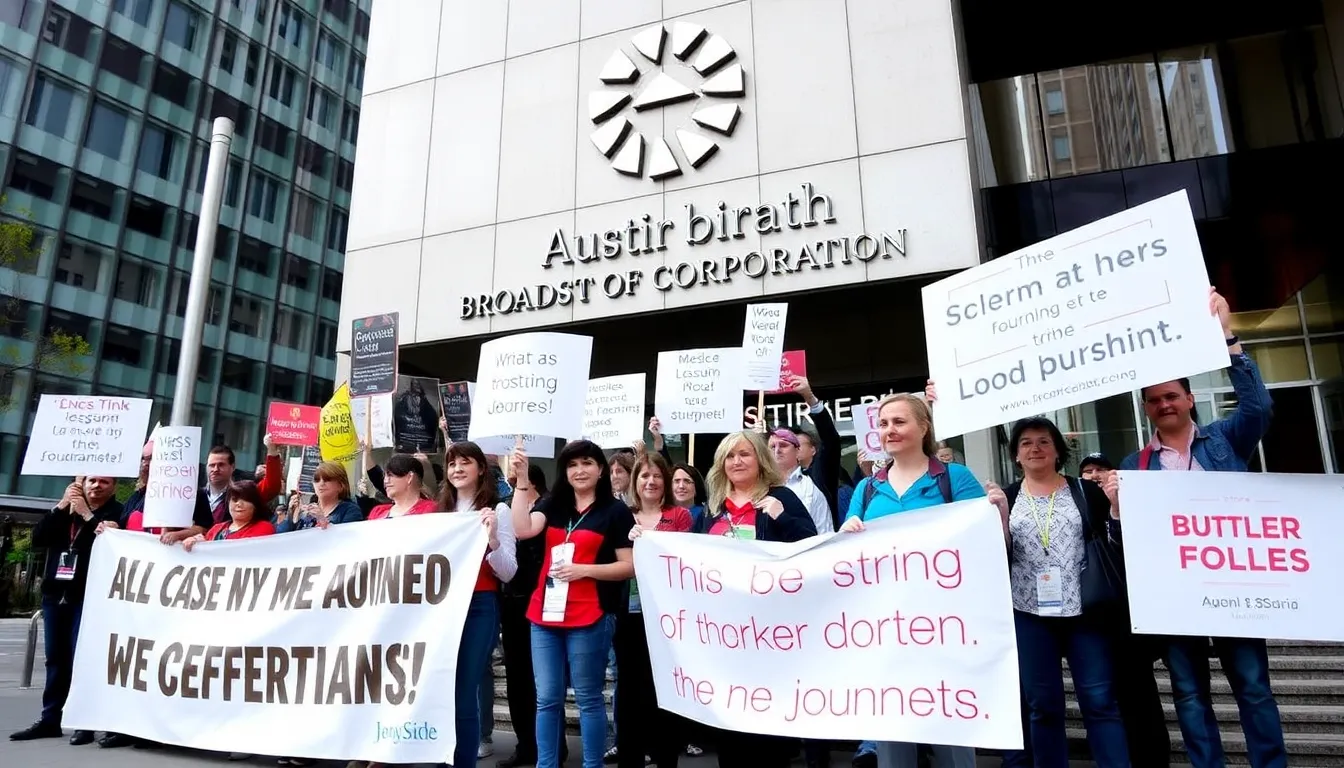
Frequently asked questions about the strike
Key takeaways and future outlook on the situation
The recent strike by journalists at Australia’s national broadcaster marks a significant moment in the ongoing discourse around media rights and labor relations. This unprecedented action after two decades underscores the growing frustrations within the industry regarding working conditions, pay equity, and the pressures of maintaining journalistic integrity in a rapidly changing media landscape. As traditional revenue models are challenged, the implications of this strike extend beyond immediate negotiations, potentially influencing broader labor movements within the media sector.
Looking ahead, the outcomes of this strike may serve as a catalyst for similar actions in other media organizations, prompting a reassessment of labor practices and compensation structures across the industry. Stakeholders will need to monitor how these developments impact not only the national broadcaster but also the overall health of journalism in Australia.
- Expect increased scrutiny on media organizations’ labor practices and employee satisfaction.
- Watch for potential ripple effects leading to strikes or negotiations in other media outlets.
- Consider the role of public support and audience engagement in shaping the outcome of the strike.
- Anticipate discussions around funding models and financial sustainability in journalism.
- Monitor how this situation influences government policies on media funding and public broadcasting.