
Witnesses reported seeing the plane descend rapidly and veer off its intended flight path shortly before touchdown. Preliminary investigations suggest that a combination of adverse weather conditions and potential miscommunication with ground control may have contributed to the incident.
The Federal Aviation Administration (FAA) has since launched a thorough investigation into the crash, focusing on the actions of the flight crew and the air traffic controllers involved. The National Transportation Safety Board (NTSB) is also participating in the inquiry, underscoring the significance of this event in understanding aviation safety standards.
This incident has prompted discussions within the aviation community regarding the need for improved training for pilots and air traffic controllers, particularly in high-pressure situations. As the investigation unfolds, the implications for regulatory changes in the industry remain a key point of interest for stakeholders and the general public alike.
Recommended Articles
- LaGuardia crash that killed two pilots now under investigation
- Two pilots killed in Air Canada jet collision at LaGuardia in New York
- London Arson Attack on Jewish Ambulance Service Investigated as Hate Crime
- Concerns About the Safety of Plasma Donation in Canada
- MDMA Therapy Shows Promise for PTSD Patients in Australia
- LaGuardia crash that killed two pilots now under investigation
- Two pilots killed in Air Canada jet collision at LaGuardia in New York
- London Arson Attack on Jewish Ambulance Service Investigated as Hate Crime
- Concerns About the Safety of Plasma Donation in Canada
- MDMA Therapy Shows Promise for PTSD Patients in Australia
Background on Air Canada and LaGuardia Airport
Air Canada, the country’s largest airline, has a long-standing history that dates back to 1937. Initially a subsidiary of Canadian National Railway, it has grown to become a major player in the North American aviation industry. Over the decades, Air Canada has expanded its operations, connecting various destinations across the globe. Its reputation has been shaped by both its commitment to safety and the challenges it has faced, including economic downturns and increased competition in the airline sector.
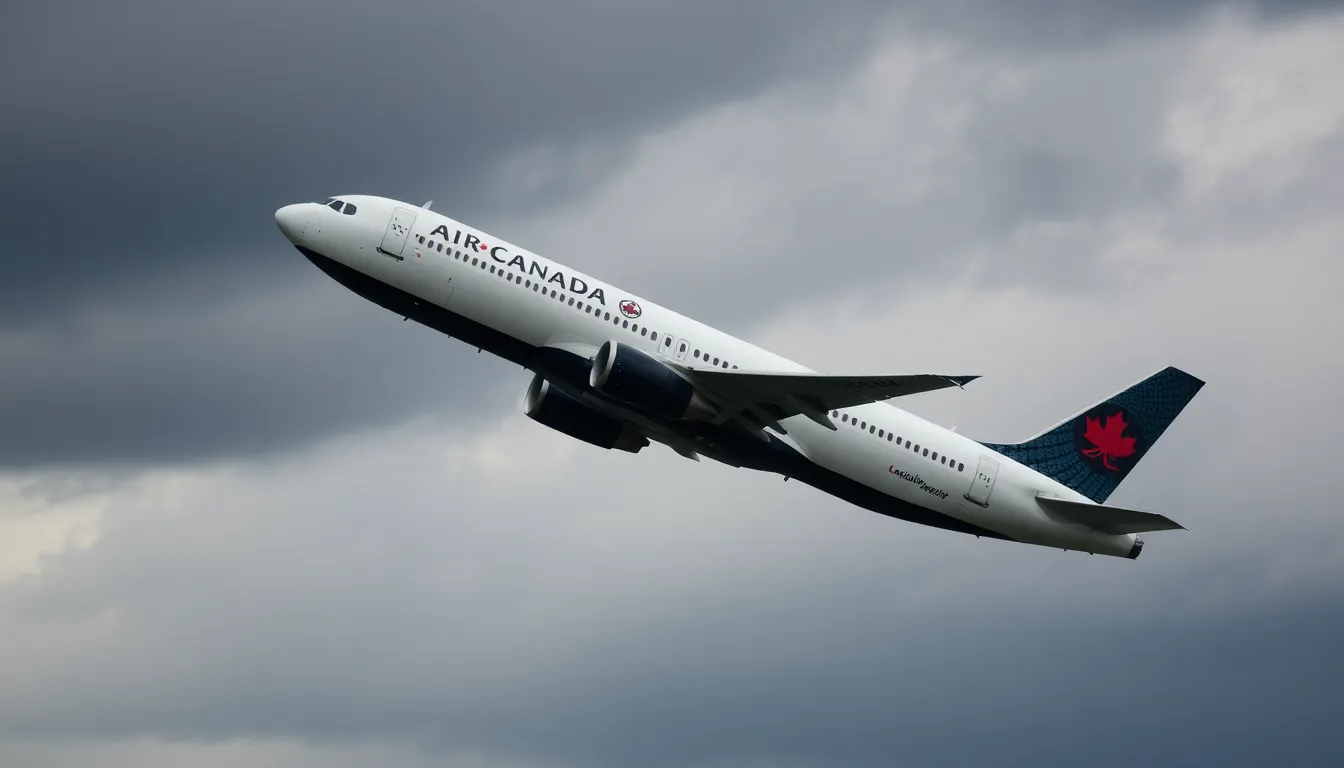
LaGuardia Airport, located in New York City, has been a key hub for domestic flights since its opening in 1939. Known for its proximity to Manhattan, it has historically been a vital point of entry for travelers. However, LaGuardia has also faced criticism over the years for its aging infrastructure and congestion issues. Recent efforts to modernize the airport have been underway, but these changes have not fully alleviated the operational challenges faced by airlines operating there.
Historical Incidents in Aviation Safety
The aviation industry has seen its share of tragedies that have shaped safety regulations and protocols. Notable incidents, such as the 1982 Air Florida Flight 90 crash and the 2001 American Airlines Flight 587 disaster, have led to a reevaluation of safety measures and pilot training programs. These events underscore the importance of adherence to safety protocols, especially in busy airports like LaGuardia, where environmental factors and high traffic volumes can complicate flight operations.
In recent years, Air Canada has also been involved in discussions surrounding safety and operational efficiency, particularly in light of increasing air travel demand. The airline has implemented new technologies and training programs aimed at preventing accidents and ensuring passenger safety. However, incidents like the recent crash serve as a stark reminder of the complexities and risks inherent in aviation, particularly in challenging environments such as LaGuardia.
The combination of Air Canada’s operational history and LaGuardia’s unique challenges provides a critical context for understanding the events leading up to the recent crash. The intersection of these factors highlights the ongoing need for vigilance and improvement in aviation safety practices as the industry continues to evolve.
Key issues surrounding the crash and stakeholder responses
The recent crash of an Air Canada plane at LaGuardia Airport has raised numerous questions regarding safety protocols, regulatory oversight, and the responsibilities of various stakeholders involved in aviation. The incident has prompted reactions from multiple parties, each with distinct interests and concerns.
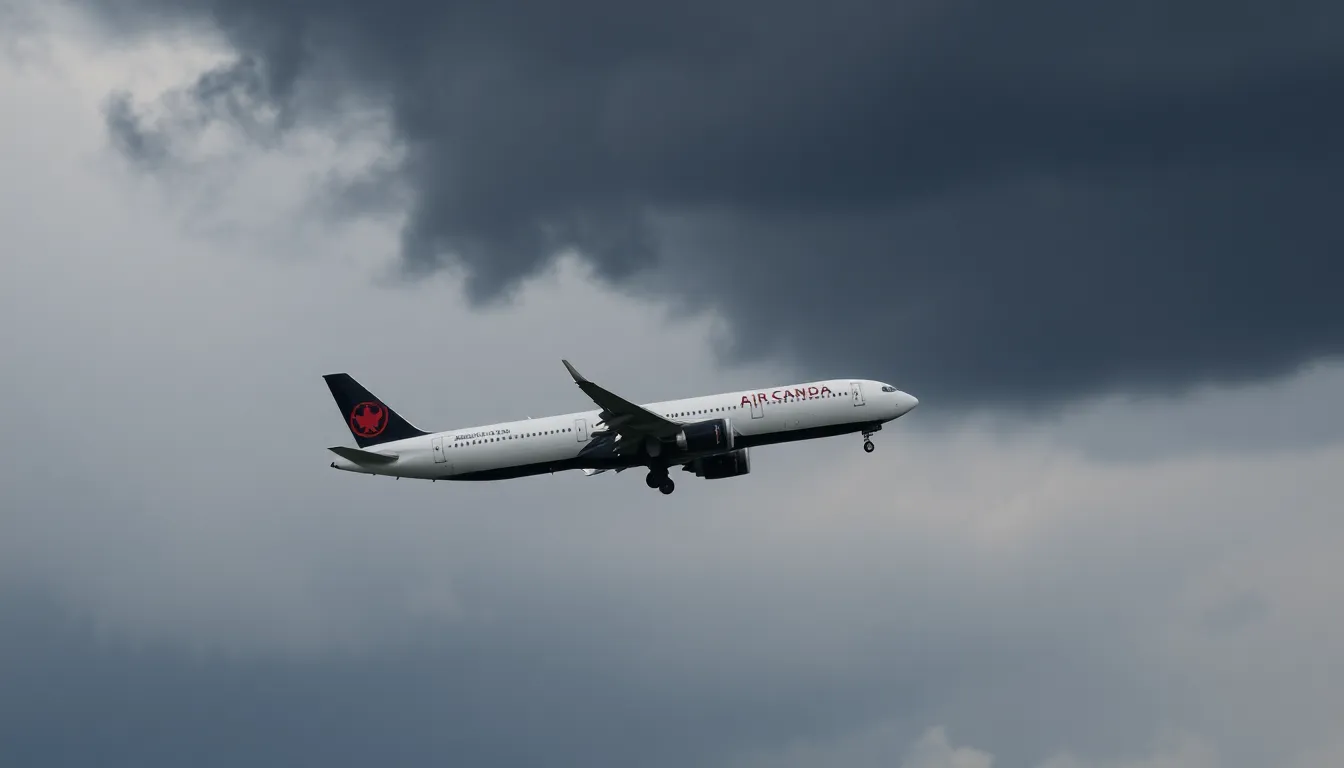
Key actors in this scenario include the Federal Aviation Administration (FAA), Air Canada, airport management, and the passengers aboard the flight. The FAA is primarily interested in ensuring aviation safety and compliance with federal regulations, while Air Canada is focused on maintaining its reputation and addressing the needs of affected passengers. Airport management is tasked with facilitating safe operations and responding to the incident’s impact on airport traffic.
Several conflicts and trade-offs emerge from this situation. For instance, the balance between operational efficiency and safety measures is often a contentious issue. Airlines may prioritize on-time performance, which can lead to rushed decisions, while regulatory bodies emphasize thorough safety checks. This tension can result in lapses that compromise passenger safety.
- Regulatory compliance: Ensuring that all safety protocols are adhered to by airlines and airports.
- Public perception: How the incident affects public trust in Air Canada and the aviation industry as a whole.
- Legal implications: Potential lawsuits from passengers or families affected by the crash.
- Economic impact: The financial repercussions for Air Canada and LaGuardia Airport stemming from the incident.
- Operational changes: Possible revisions to flight protocols or airport procedures in response to the crash.
In addition to these issues, the incident has sparked discussions about the adequacy of current training programs for pilots and ground staff. Stakeholders are now reassessing whether existing training sufficiently prepares personnel for emergency situations and unexpected events, which could be crucial in preventing future accidents.
Impact on passengers, crew, and aviation safety regulations
The crash of the Air Canada plane at LaGuardia has significant implications for various stakeholders in the aviation industry. Passengers and crew members directly involved in the incident are facing immediate consequences, including physical and emotional trauma. Furthermore, the incident raises concerns about the overall safety standards within the aviation sector.
In the short term, passengers traveling through LaGuardia may experience increased delays and heightened security measures as authorities investigate the crash. Airlines operating in the region could see a temporary decline in passenger confidence, leading to reduced bookings. The aviation industry as a whole may face scrutiny from regulators and the public, prompting a call for stricter safety protocols.
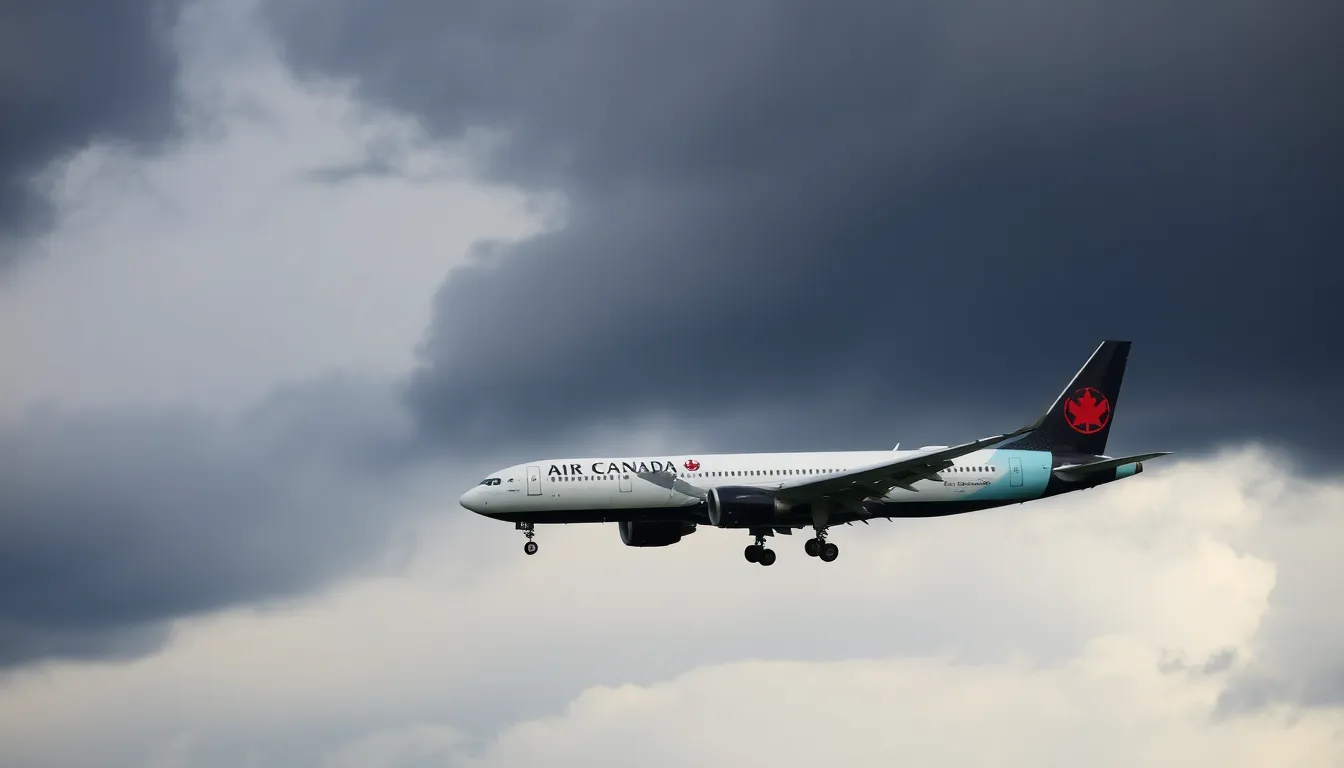
In the mid-term, airlines may need to invest in additional training for crew members and upgrade safety equipment to restore public trust. This situation could also lead to policy changes, as regulatory bodies reassess existing safety regulations and implement new standards to prevent similar incidents in the future.
- Passengers: Increased anxiety and potential changes in travel plans.
- Aviation industry: Possible financial repercussions and shifts in operational procedures.
- Regulatory bodies: Potential for new safety regulations and oversight measures.
While the crash poses significant risks to the aviation sector, it also presents opportunities for innovation in safety technology and training programs. Companies that specialize in aviation safety solutions may see increased demand for their products and services as airlines and regulators seek to enhance safety measures. Additionally, this incident could spark a broader conversation about the importance of passenger safety, leading to more robust advocacy for improved aviation practices.
A: The investigation is ongoing, but preliminary reports suggest a combination of mechanical failure and human error may have contributed to the crash. A: Fortunately, there were no fatalities reported, but several passengers sustained injuries and required medical attention. A: Air Canada is currently reviewing its safety protocols and has temporarily grounded similar aircraft for inspections. A: Regulatory bodies are likely to implement stricter safety measures and conduct thorough reviews of existing protocols following this incident. A: Passengers are advised to familiarize themselves with safety procedures and remain calm during emergencies, following crew instructions.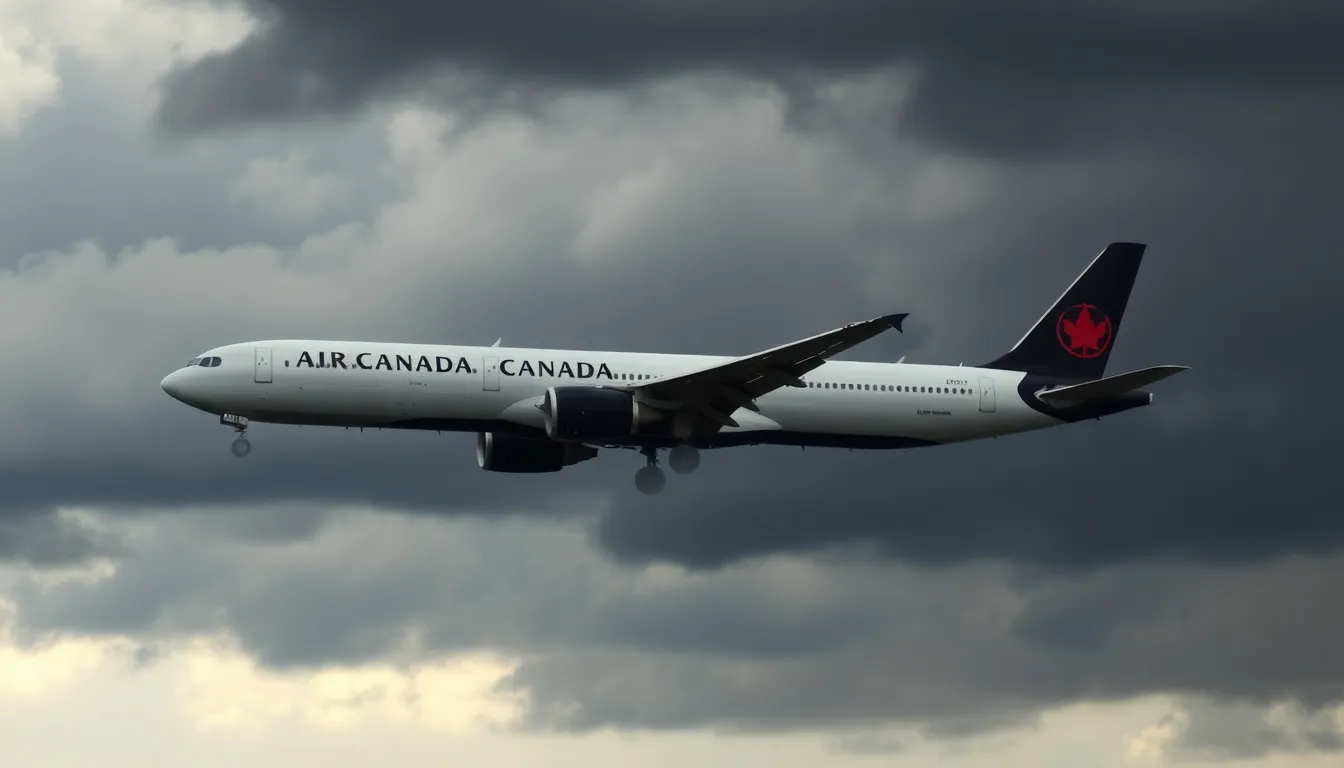
Frequently asked questions about the crash
Key takeaways and future outlook on aviation safety
The tragic incident involving the Air Canada plane at LaGuardia serves as a crucial reminder of the complexities and challenges in aviation safety. As investigations unfold, it is essential to analyze the factors that contributed to the crash and how they might influence future safety protocols and regulations. This incident underscores the importance of continuous improvement in pilot training, air traffic control communication, and aircraft technology.
Moving forward, stakeholders in the aviation industry must remain vigilant and proactive in addressing potential vulnerabilities. The lessons learned from this incident will likely prompt a reevaluation of existing safety measures, ensuring that similar occurrences are prevented in the future.
- Enhanced training programs for pilots focusing on emergency response and situational awareness.
- Improved communication protocols between pilots and air traffic control to minimize misunderstandings.
- Investment in advanced technology that aids in real-time decision-making during critical moments.
- Regular audits and updates of safety regulations to adapt to evolving aviation challenges.
- Increased collaboration among airlines, regulatory bodies, and safety experts to foster a culture of safety.