
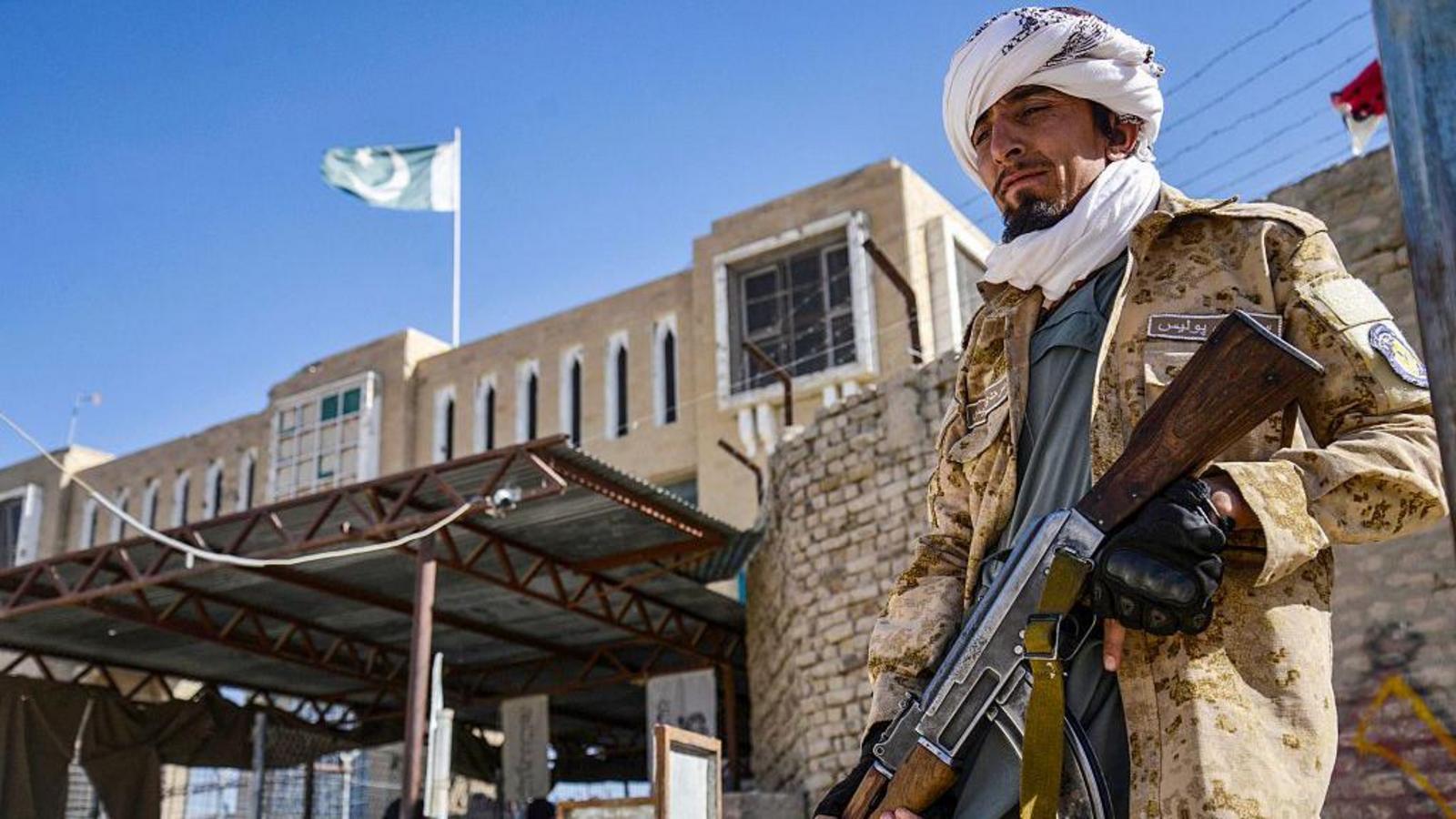

Understanding the historical context of the border conflict
This latest outbreak of violence is rooted in a long-standing history of conflict between Pakistan and Afghanistan, which dates back decades. The Durand Line, established in 1893, remains a contentious boundary that neither nation fully recognizes. This dispute has often led to military confrontations and skirmishes.
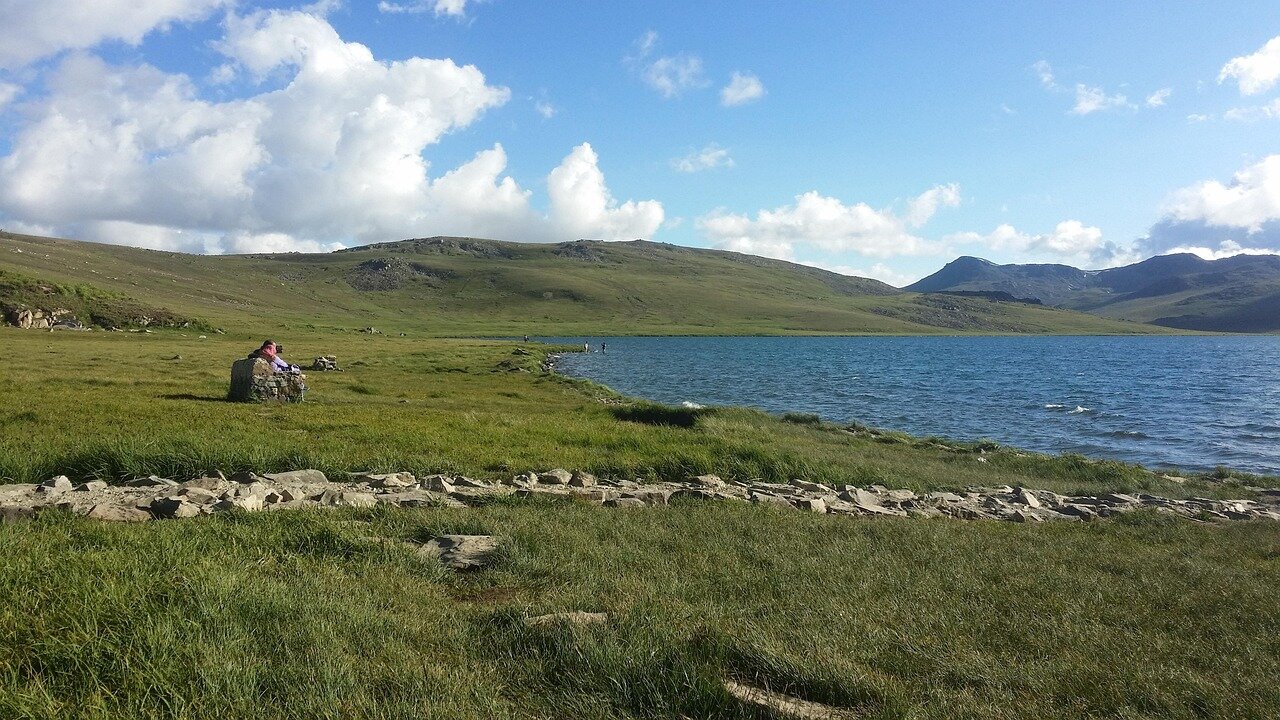
Historical grievances fueling current tensions
- Disagreements over the legitimacy of the Durand Line
- Accusations of cross-border terrorism
- Refugee crises resulting from previous conflicts
Recent incidents highlighting the severity of the clashes
In the past week alone, border guards from both countries exchanged gunfire, resulting in fatalities. Reports indicate the use of heavy artillery in certain areas, exacerbating the situation. Local reports suggest that at least two Pakistani soldiers and several Afghan forces were killed during these exchanges.
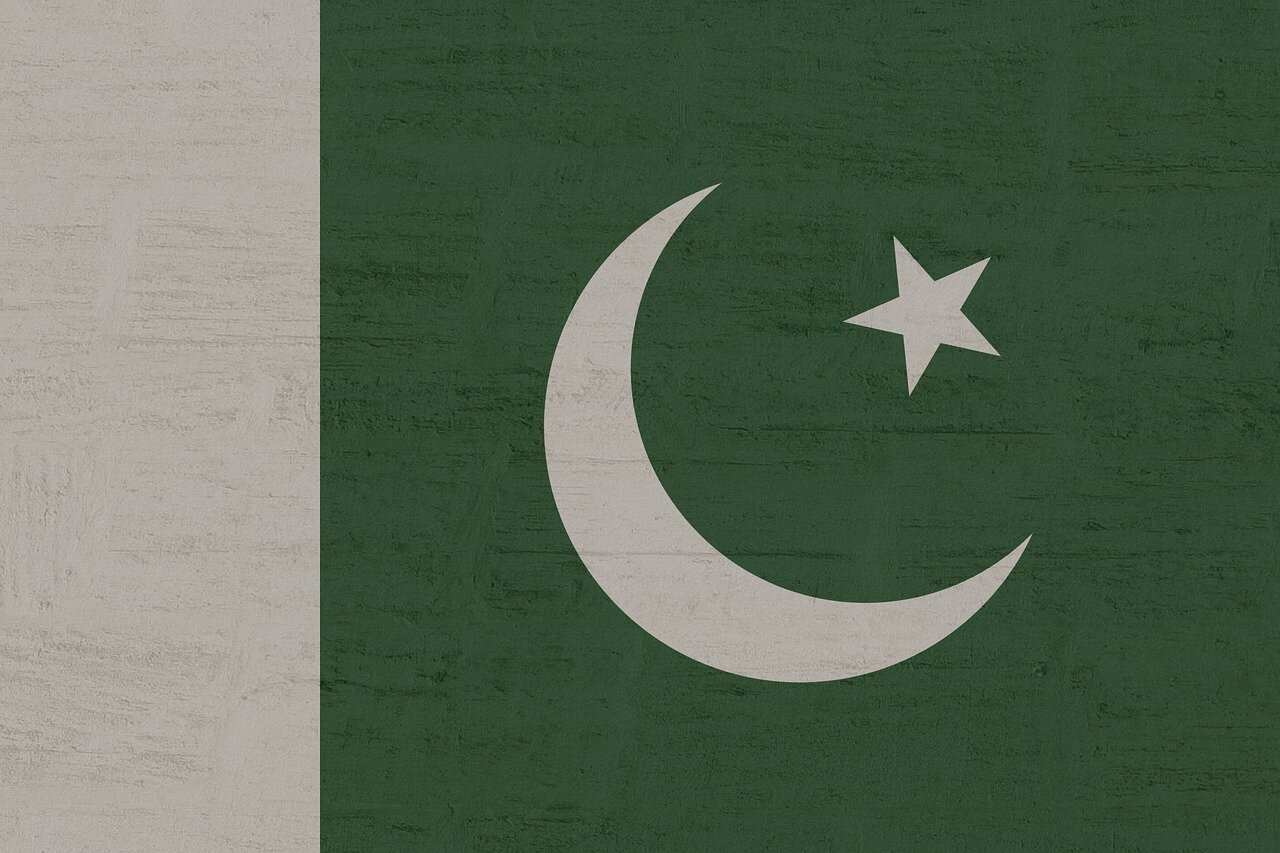
Specific examples of deadly encounters
- Heavy fighting near the Chaman border crossing
- Skirmishes reported in the Kunar province
- Increased military presence on both sides as tensions rise
Strategies to mitigate further conflict
Amidst the violence, leaders from both nations are urged to engage in dialogues aimed at de-escalating tensions. Diplomatic channels must be utilized to prevent the situation from spiraling further out of control. A comprehensive approach might include:

- Joint border patrols to monitor movements
- Establishing ceasefire agreements during disputes
- Involving international observers to oversee negotiations
Key considerations during this crisis
As the situation develops, several critical aspects need attention. The humanitarian implications of this fighting must not be overlooked, as civilians often bear the brunt of military actions. Moreover, the involvement of non-state actors complicates the peace dynamics and raises concerns over regional security.
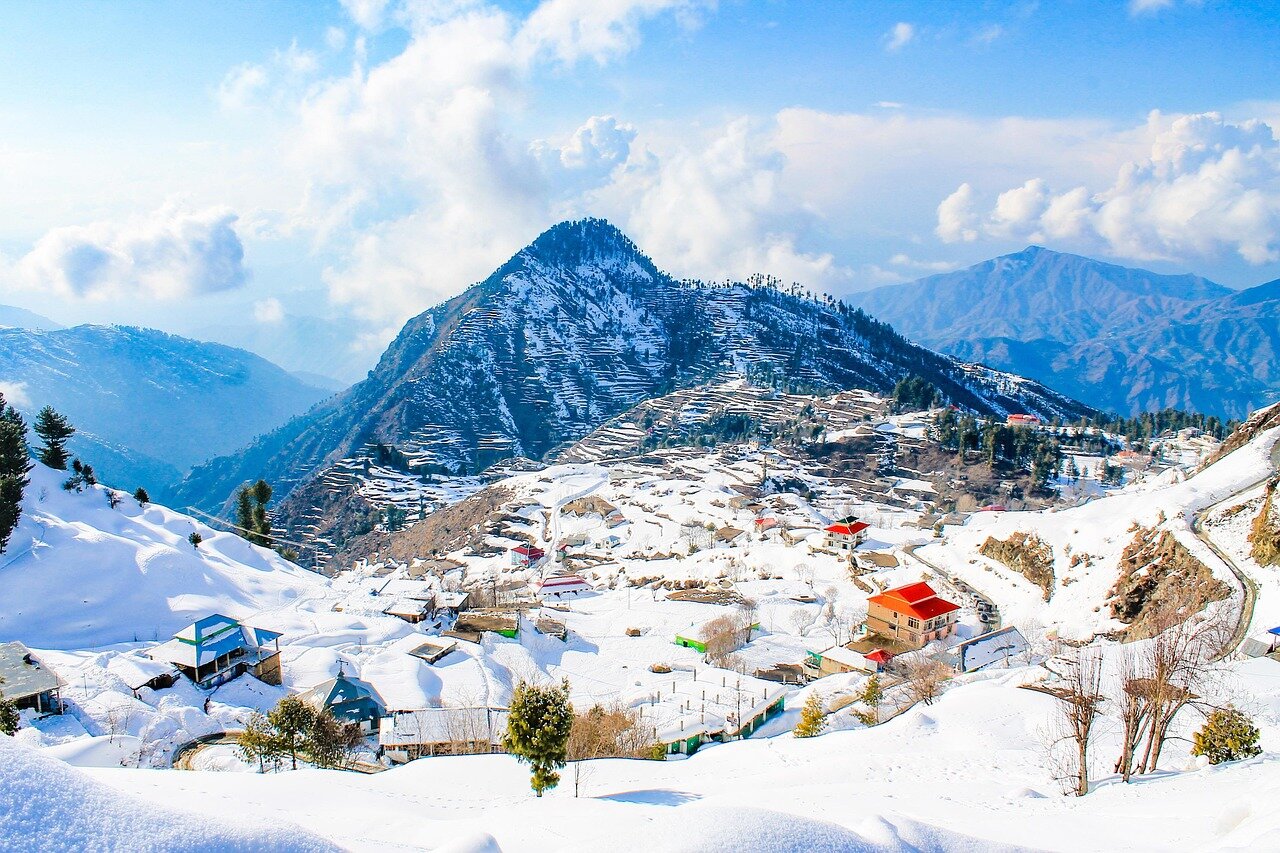
Potential impacts on civilian populations
- Displacement of communities residing near conflict zones
- Access to essential services and humanitarian aid
- Psychological effects of ongoing violence on civilians
Frequently asked questions regarding the Pakistan-Afghanistan conflict

Common questions about the border fighting
A: The primary causes are historical disputes over the Durand Line, accusations of cross-border terrorism, and ongoing geopolitical struggles.
A: The international community has expressed concern, urging both nations to resolve conflicts through diplomacy and reduce military escalation.
A: Measures include establishing ceasefires, engaging in diplomatic dialogue, and involving third-party negotiations to mediate discussions.
A: Local communities suffer from displacement, loss of livelihoods, and disrupted access to essential services due to ongoing skirmishes.
Insights on the future of Pakistan-Afghanistan relations
The ongoing border clashes indicate a critical juncture in the relationships between Pakistan and Afghanistan. With both nations facing profound challenges, the path forward demands increased collaboration to address shared security concerns and humanitarian needs. Without mutual efforts to reconcile differences, the risks of further violence loom large over the region.