
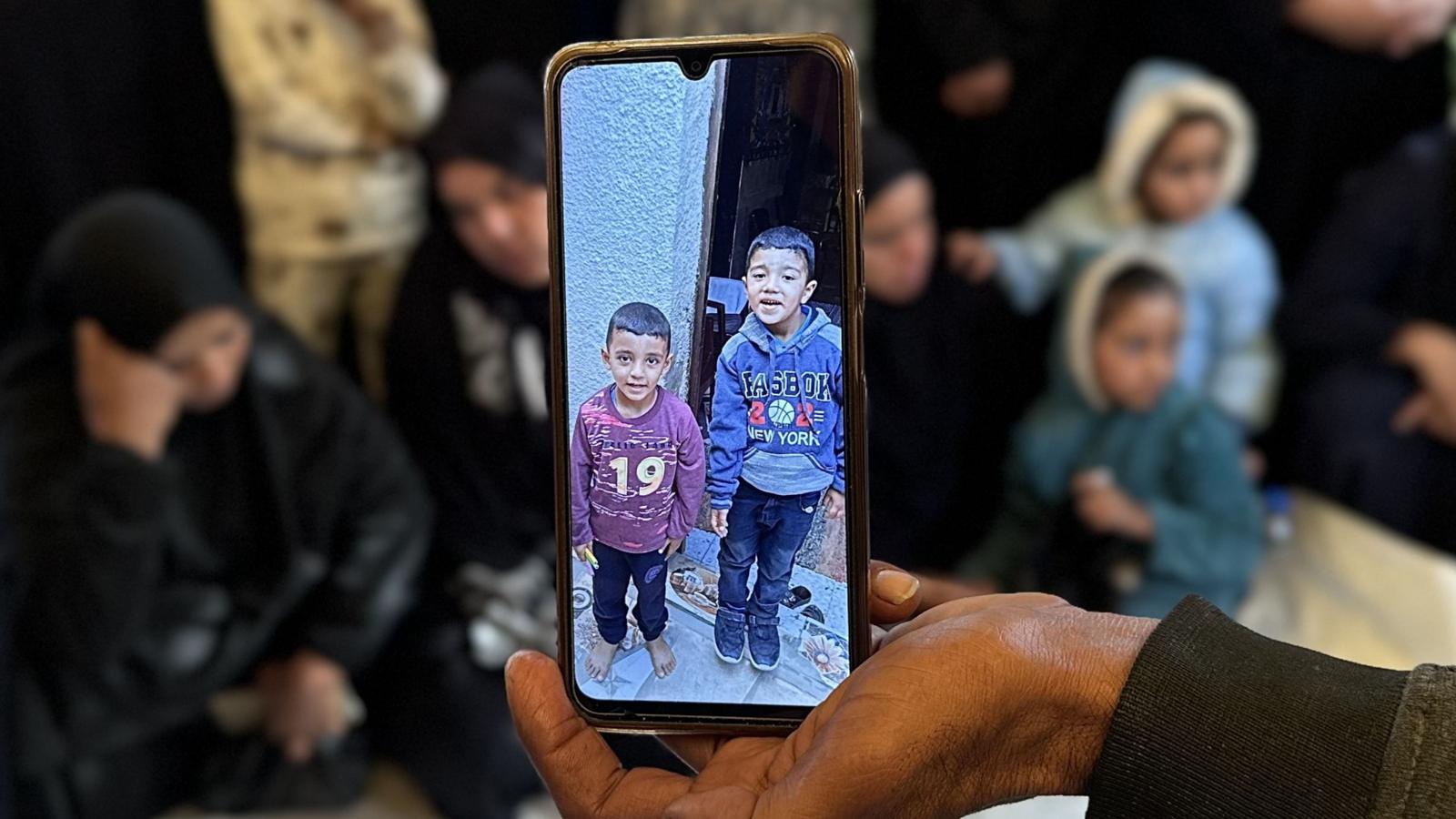
Understanding the historical context
To comprehend the current situation, it is essential to look back at the historical context surrounding the Israel-Palestine conflict. This long-standing dispute, rooted in territorial claims and national identity, has seen numerous flare-ups leading to violent confrontations.
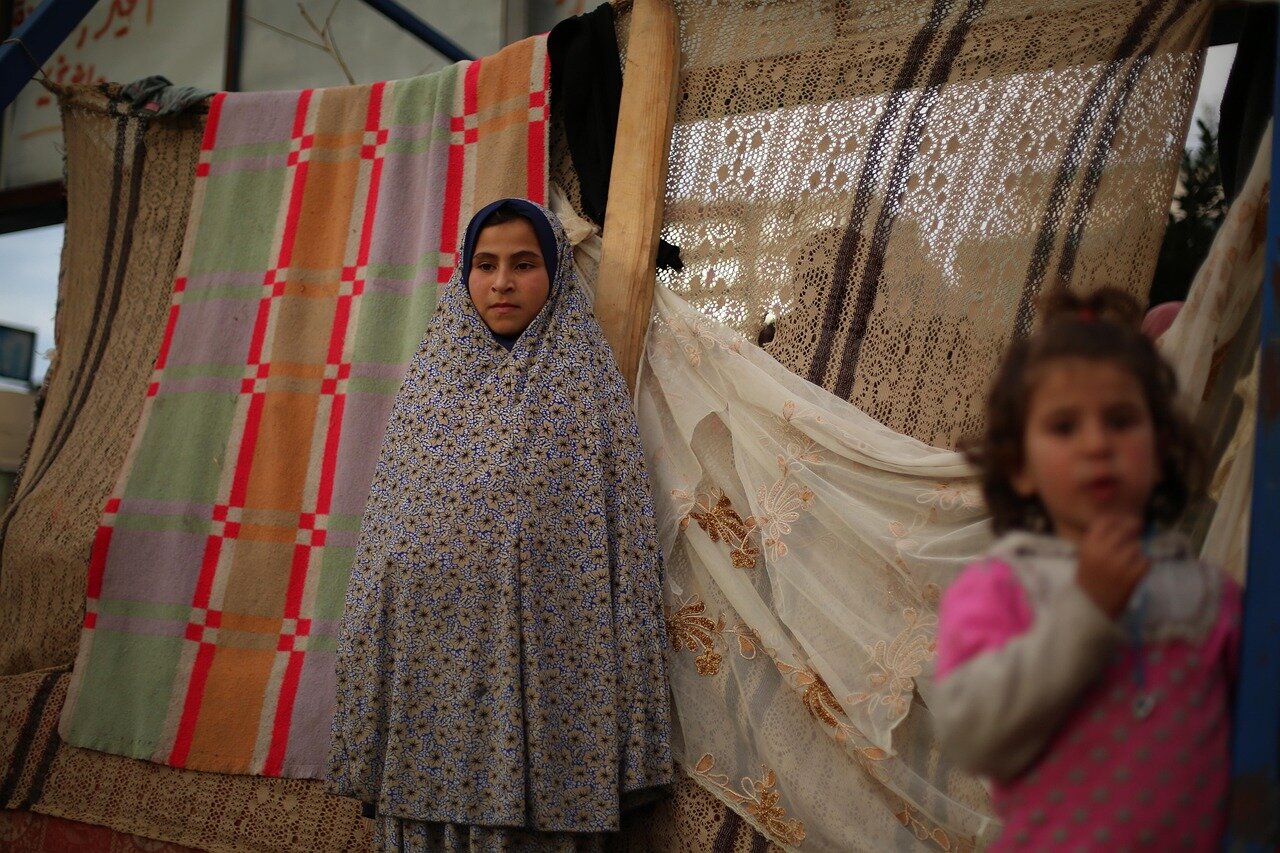
Key events leading to the recent conflict
- The 1948 Arab-Israeli War, which resulted in significant territorial changes.
- The Six-Day War of 1967 that further altered borders and led to the occupation of Palestinian territories.
- The rise of Hamas in 1987, marking a new phase in Palestinian resistance and conflict.
Recent developments and their implications
The current offensive began in October 2023, igniting unprecedented levels of violence and retaliation. The Hamas-run health ministry has reported staggering civilian casualties, raising concerns about the impact on the civilian population and infrastructure.
Analyzing the humanitarian implications
The reported figures have raised alarms regarding the humanitarian situation in Gaza. Medical facilities are overwhelmed, essential services have been disrupted, and displaced populations are in dire need of aid.
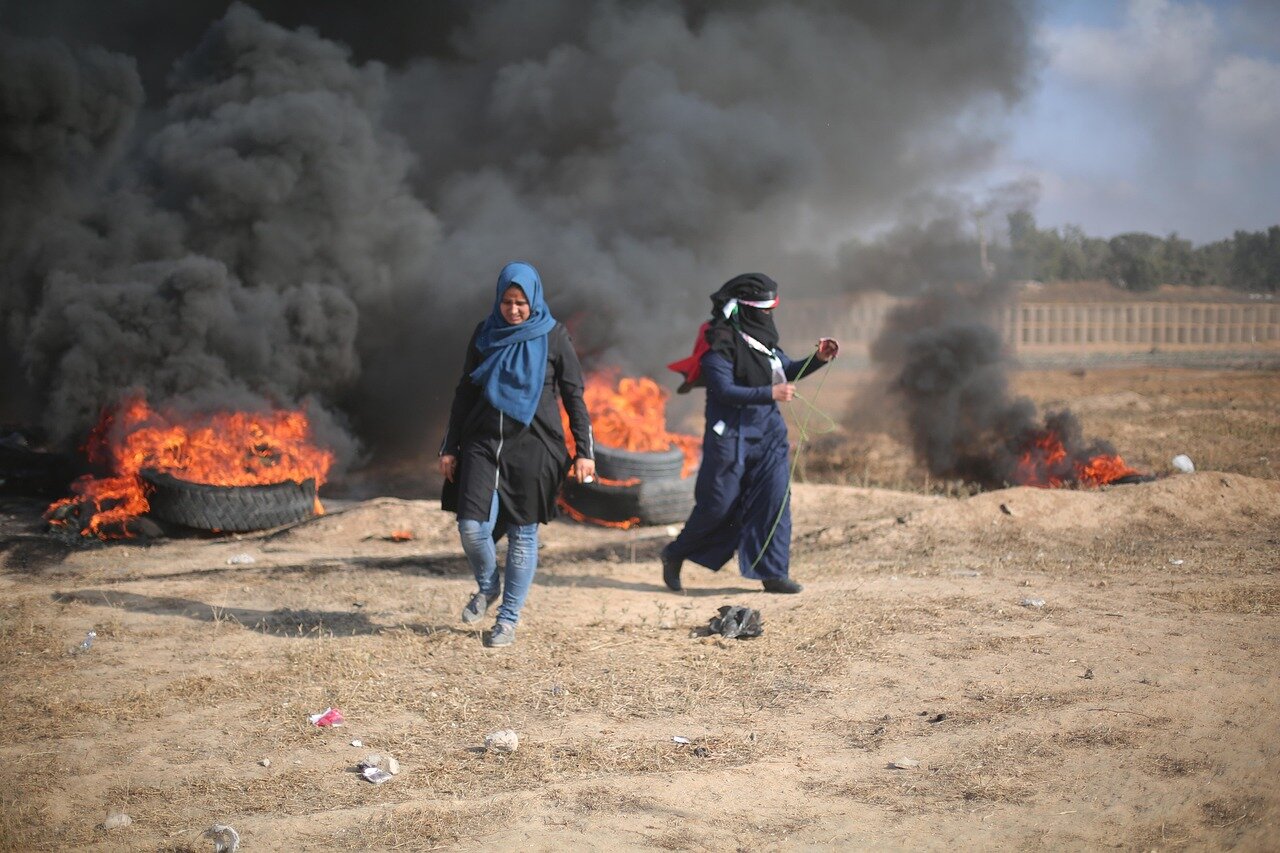
The international response to the crisis
The global response to the escalating violence has been mixed, with various countries calling for ceasefires and renewed peace talks. Nonetheless, the complexities of the conflict make diplomatic solutions challenging.
Key international reactions
- The United Nations has urged for an immediate ceasefire and humanitarian access.
- Several governments have condemned the violence and called for accountability on all sides.
- Human rights organizations are documenting the effects of the conflict on civilians and advocating for international intervention.
Urgent humanitarian needs
As casualties continue to rise, the immediate need for humanitarian assistance has become more pressing. Organizations on the ground report shortages of medical supplies, food, and safe water, exacerbating the dire situation.
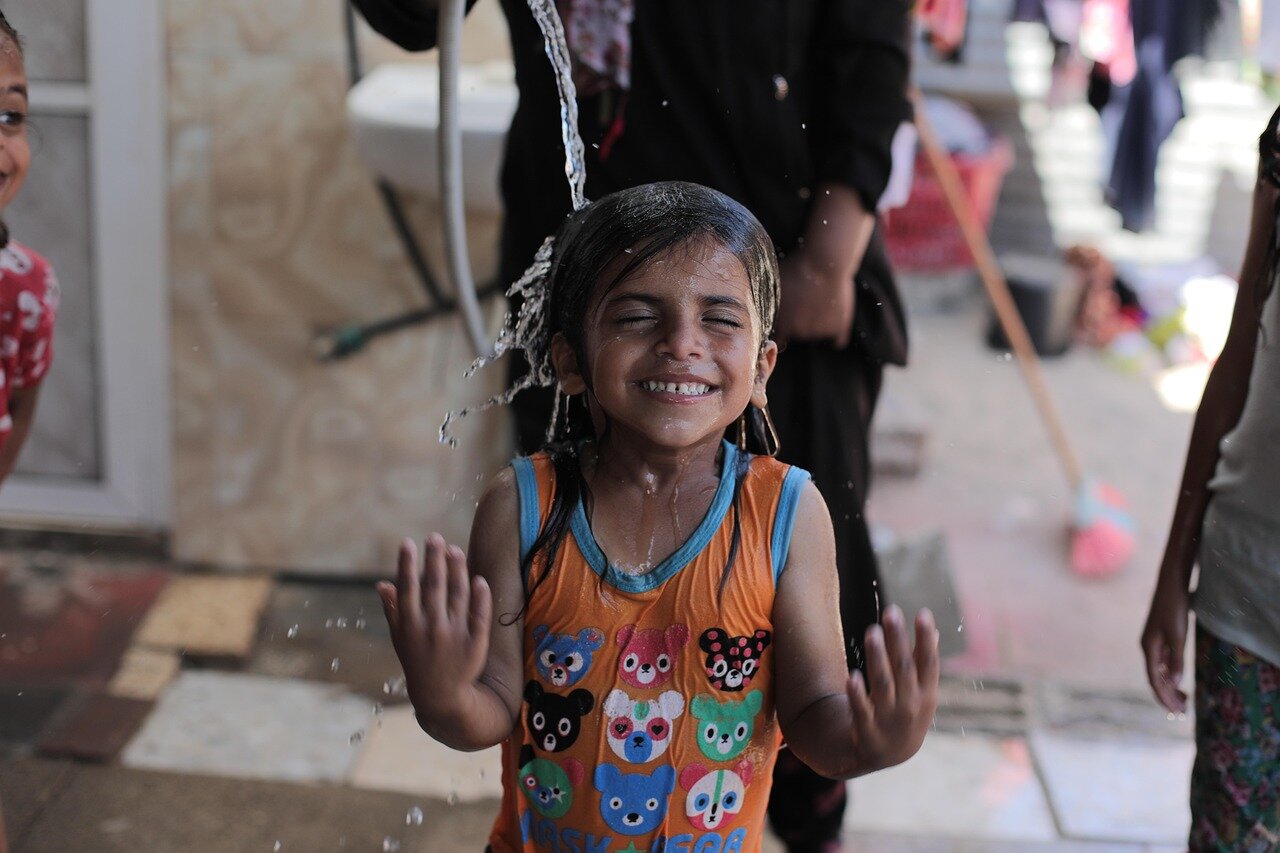
Strategies for humanitarian aid delivery
Efforts to facilitate the delivery of aid face numerous obstacles, including ongoing hostilities and restrictions on movement. International aid agencies are working to establish safe corridors for the transportation of essential supplies.
Important considerations and challenges ahead
As the situation in Gaza evolves, numerous factors must be considered in any proposed response. The need for long-term solutions that address the root causes of the conflict is paramount, alongside immediate humanitarian responses.

Factors complicating the response efforts
- The deeply entrenched nature of the conflict.
- The presence of militant groups in urban areas complicating military operations.
- Political divisions within Palestinian leadership impacting negotiations.
FAQ about the ongoing conflict in Gaza
Frequently Asked Questions about the Gaza situation
A: The escalation was triggered by ongoing tensions between Israel and Hamas, culminating in increased military actions.
A: The majority of reported casualties include civilians, raising significant humanitarian concerns.
A: International organizations are calling for ceasefires and attempting to deliver humanitarian aid to those affected.
Looking ahead in the Gaza situation
As violence shows no signs of abating, the path forward remains uncertain. The stakes are high, and the need for an effective and enduring resolution is more critical than ever.