
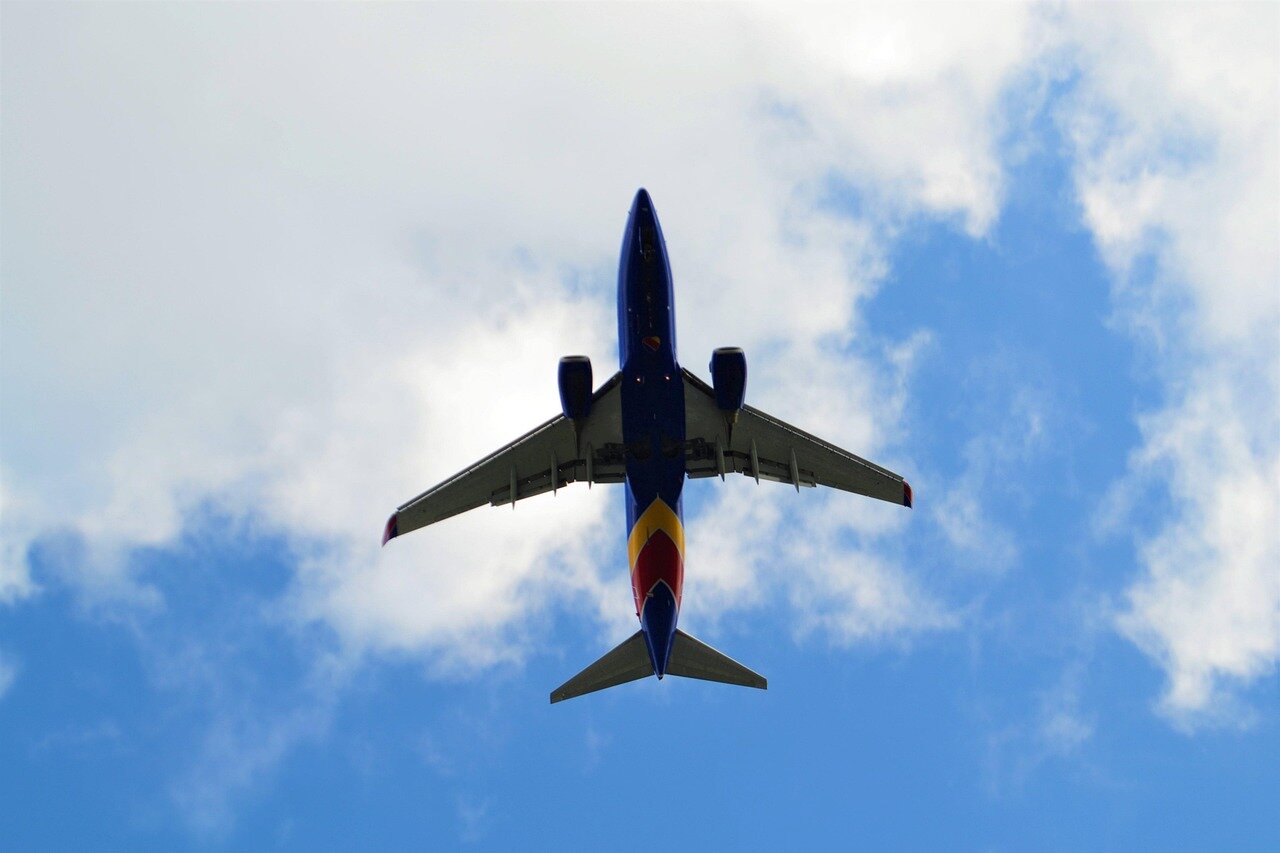
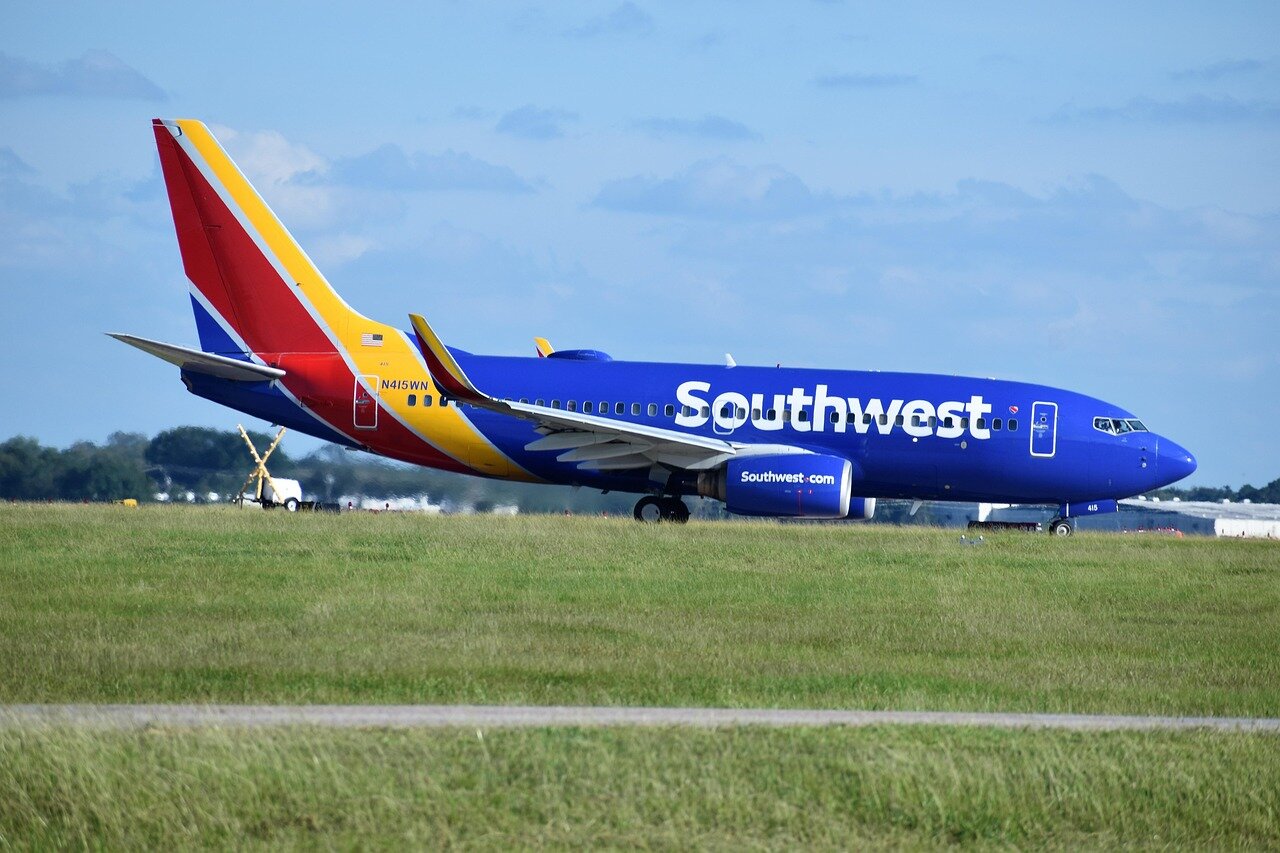
The decision by the United States government to waive an $11 million fine imposed on Southwest Airlines marks a significant development in the aviation sector. This fine was originally put in place as a consequence of major operational disruptions the airline faced during the busy 2022 holiday season, which can be compared to the recent India travel chaos.
The Background of the Holiday Meltdown
Understanding the context of this fine requires a look back at the turmoil Southwest Airlines experienced over the 2022 holiday season. The airline faced unprecedented cancellations and delays that left thousands of passengers stranded or rescheduled, leading to a barrage of complaints and operational scrutiny, reminiscent of challenges faced by other airlines during similar peak times.
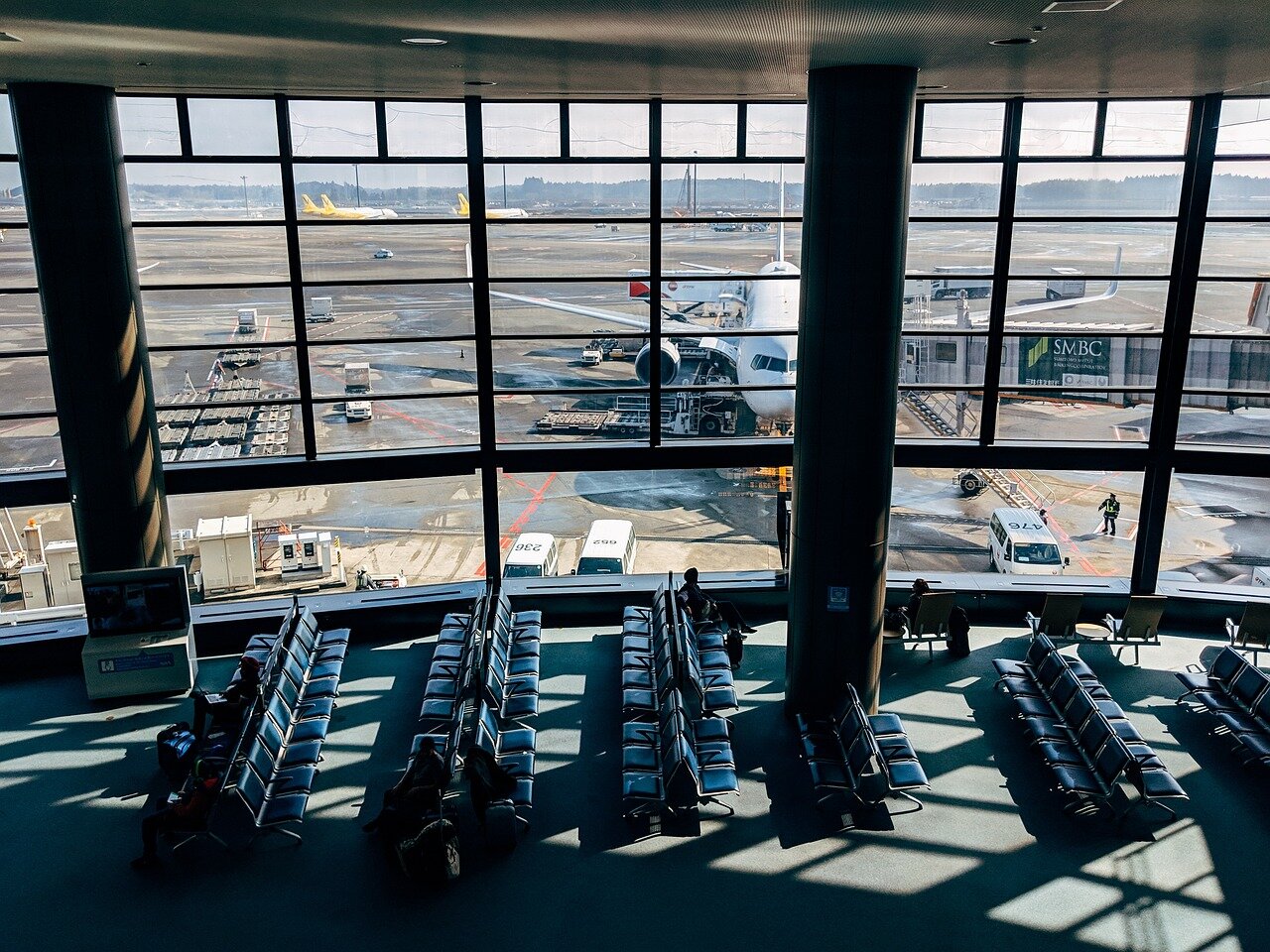
Operational Challenges Faced
Multiple factors contributed to the chaos, including staffing shortages exacerbated by winter weather. Technical issues further complicated recovery efforts, demonstrating vulnerabilities in the airline’s scheduling and operational resilience, which raises concerns about how airlines prepare for peak travel periods.
The Decision to Waive the Fine
Justifying the decision to waive the fine involved several considerations from government officials. Primarily, it reflected an understanding of the systemic issues affecting the airline industry during peak travel periods.
Government’s Rationale
Regulatory bodies acknowledged that many airlines, including Southwest, struggled with operational readiness due to a combination of lingering impacts from the COVID-19 pandemic and external stressors like weather. This rationale was pivotal in shaping the decision to alleviate the financial penalties.
Comparison with Other Airlines
In looking at comparative responses among airlines during the same timeframe, Southwest Airlines’ events stood out due to the scale of the disruptions. Other carriers faced similar challenges but were able to manage their operational crises more effectively, inciting conversations around accountability.
Industry Standards of Accountability
This situation raises important questions regarding accountability standards in the airline industry. The comparison raises issues about how airlines prepare for peak travel periods and the repercussions they face when failing to uphold service levels.
Strategic Considerations for Future Operations
Moving forward, Southwest Airlines must assess and improve its strategic planning to prevent a recurrence of such issues. Various operational strategies and policies could be implemented to enhance resilience during peak demands.
Enhancing Operational Efficiency
Recommendations include bolstering training programs for employees, investing in technology for better resource allocation, and refining emergency response protocols to ensure swift action in case of unforeseen events.
Potential Pitfalls to Avoid
Though the waiver signifies a second chance for Southwest Airlines, there are crucial pitfalls they must avoid to restore customer trust and maintain regulatory support.
Risk of Complacency
A major concern lies in the risk of complacency following the waiver. The airline must remain vigilant and proactive in improving service and operational standards to avoid repeating past mistakes.
Frequently Asked Questions about the Waiver
Common Questions Regarding the Southwest Airlines Waiver
A: The fine was waived due to an understanding of systemic challenges faced by the airline industry during the 2022 holiday season.
A: The meltdown left thousands of passengers stranded, experienced significant delays, and resulted in numerous complaints from travelers.
A: Strategies may include improving staffing levels, enhancing training programs, and investing in technology to better manage operations during peak seasons.
Looking Ahead for Southwest Airlines
As Southwest Airlines navigates the aftermath of this decision, the focus will undoubtedly shift to how effectively the airline can implement changes to avoid similar disruptions in the future. It is essential for the airline to rebuild consumer trust while ensuring operational readiness during future peak travel periods.