
The meeting comes at a time when discussions about indigenous rights and representation are increasingly prominent in global discourse. King Charles, known for his advocacy on environmental and social issues, expressed a keen interest in Māori culture and the challenges faced by indigenous communities.
This gesture not only honors Māori heritage but also reinforces the importance of mutual respect and understanding in contemporary diplomatic relations, reflecting the ongoing dialogue surrounding indigenous rights.
The significance of this encounter extends beyond ceremonial formalities, as it opens avenues for collaboration on issues such as climate change and cultural preservation. The meeting serves as a reminder of the shared history and the potential for future partnerships between the British monarchy and Māori leadership.
Understanding the historical relationship between Māori and the British monarchy
The signing of the Treaty of Waitangi in 1840 marked a pivotal moment in this relationship, which is often discussed in the context of New Zealand’s history.
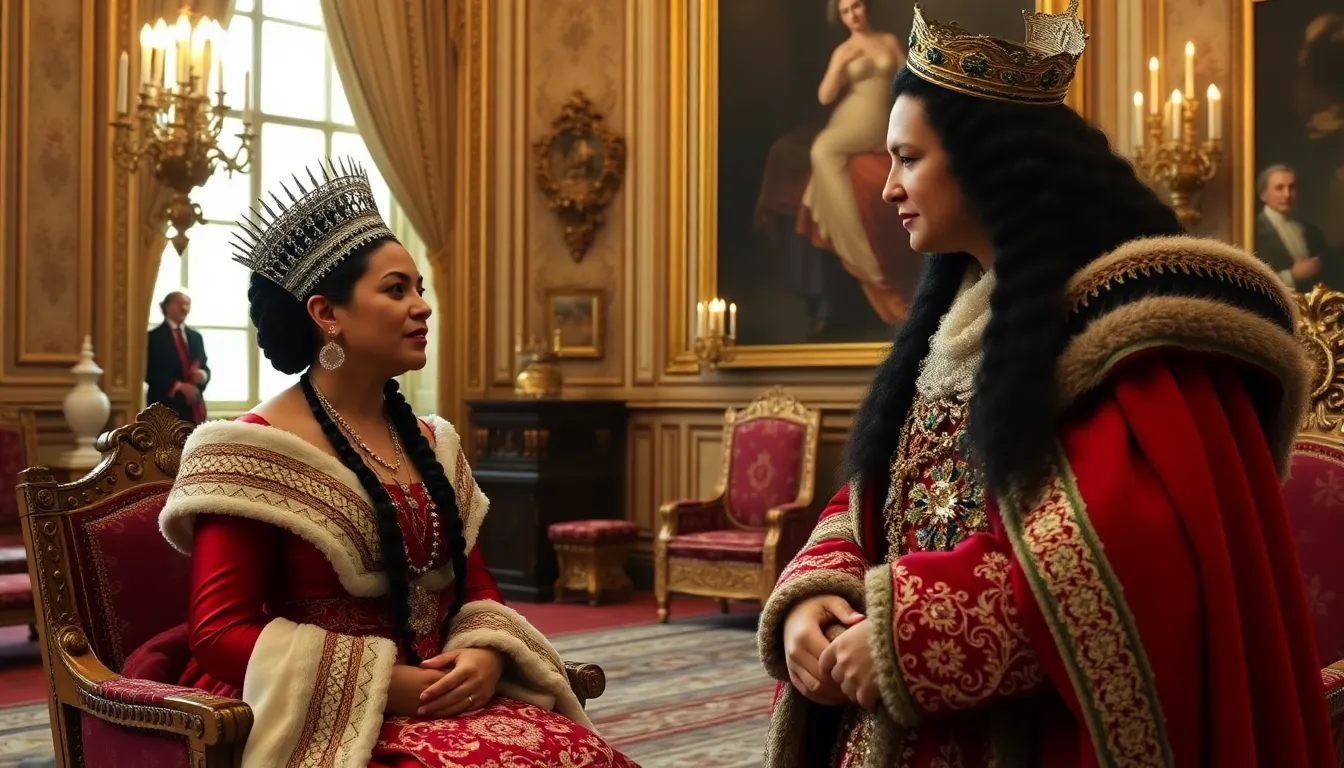
Throughout the 19th and 20th centuries, Māori communities faced significant challenges, including land confiscations and cultural suppression. The impact of colonization resulted in profound social and economic disparities that persist today. Despite these challenges, Māori resilience and activism have led to a resurgence in cultural pride and political representation. The establishment of the Māori Queen as a symbolic leader in the 19th century, beginning with Te Arikinui Dame Te Atairangikaahu in 1966, has played a crucial role in unifying Māori and advocating for their rights.
The significance of royal visits
It highlights not only the historical ties but also the contemporary efforts to address past injustices and promote mutual respect, themes that resonate with discussions about indigenous rights in various global contexts.
In recent years, there has been a growing recognition of the importance of Māori perspectives in New Zealand’s political and social landscape. The meeting at Buckingham Palace serves as a reminder of the evolving relationship and the need for continued engagement and reconciliation. As both parties navigate the complexities of their shared history, such interactions can pave the way for a more inclusive future that honors the dignity and rights of the Māori people.
Key stakeholders and issues surrounding the royal meeting
The meeting between New Zealand’s Māori Queen and King Charles at Buckingham Palace highlights a complex web of stakeholders with varying interests. Key actors include the British monarchy, the Māori community, the New Zealand government, and broader international observers concerned with indigenous rights and cultural recognition.
The British monarchy, represented by King Charles, has an interest in maintaining and strengthening ties with Commonwealth nations, particularly those with significant indigenous populations. This meeting serves not only as a diplomatic gesture but also as an opportunity to acknowledge and honor Māori culture and traditions, which can enhance the monarchy’s image as a modern institution responsive to historical injustices.
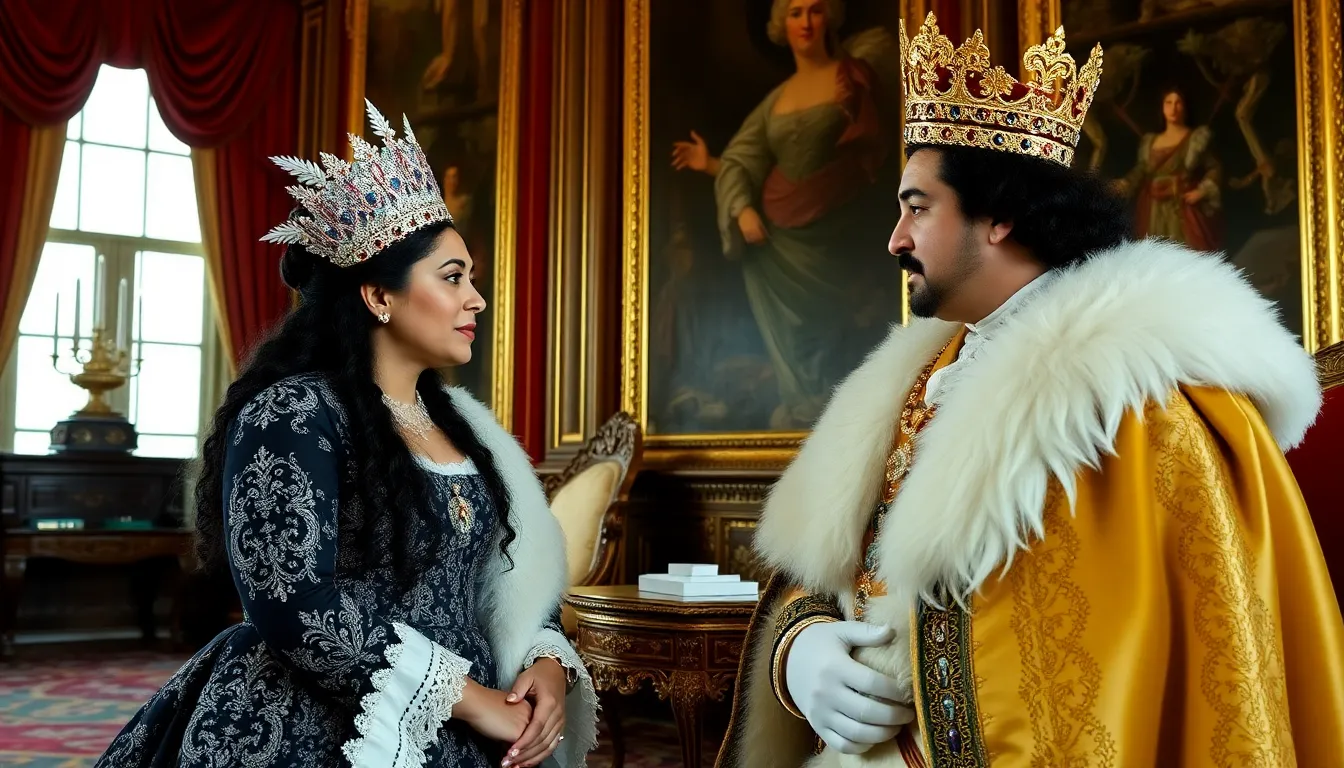
The Māori Queen, as a symbol of Māori leadership and cultural heritage, represents the interests of the Māori community in New Zealand. Her engagement with the British monarchy can be seen as a platform to advocate for greater recognition of Māori rights, land claims, and cultural preservation. This meeting could potentially lead to discussions about reparative actions for historical grievances and the ongoing impacts of colonization.
- Historical Context: The meeting occurs against the backdrop of New Zealand’s colonial history, where Māori have fought for recognition and rights.
- Cultural Significance: The Māori Queen’s presence at Buckingham Palace symbolizes the importance of indigenous cultures in contemporary discussions of national identity.
- Legal and Economic Issues: There are ongoing legal disputes regarding land rights and resource management that may be influenced by the outcomes of such high-profile meetings.
- Public Perception: The public’s response to the meeting may vary, with some viewing it as a positive step towards reconciliation, while others may see it as insufficient.
Additionally, the New Zealand government has a vested interest in how this meeting is perceived both domestically and internationally. As a representative of a nation that values its indigenous heritage, the government must balance the expectations of the Māori community with the diplomatic protocols of engaging with the British monarchy. This dynamic can create tension, particularly if the outcomes of the meeting do not align with the aspirations of the Māori people.
Cultural and diplomatic impacts of the meeting
The recent meeting between New Zealand’s Māori Queen and King Charles at Buckingham Palace has far-reaching implications for various groups and industries. Primarily, it affects the Māori community in New Zealand, as well as the broader cultural landscape of the nation. This meeting symbolizes recognition and respect for Māori culture, potentially leading to enhanced cultural exchanges and collaborations.
In the short term, this event may boost tourism in New Zealand, as it highlights the country’s rich cultural heritage. Tour operators and local businesses could see an increase in visitors interested in Māori culture and history. Additionally, the meeting may encourage government policies that promote indigenous rights and cultural preservation, impacting the political landscape.
In the mid-term, the meeting could lead to strengthened diplomatic ties between New Zealand and the United Kingdom. This may open up opportunities for trade agreements and joint initiatives, particularly in sectors such as education, arts, and sustainable development. However, there are risks associated with heightened expectations from the Māori community regarding governmental support and recognition.
- Tourism boost: Increased interest in Māori culture may lead to higher visitor numbers.
- Policy changes: Potential for new initiatives supporting indigenous rights.
- Economic opportunities: Growth in cultural industries and partnerships.
- Diplomatic relations: Strengthened ties with the UK could lead to beneficial trade agreements.
While the meeting presents numerous opportunities, it also poses risks of disillusionment among Māori if tangible outcomes do not materialize. The expectations set by such high-profile engagements can lead to disappointment if they are not met with actionable policies or support from the New Zealand government.
A: The visit aimed to strengthen cultural ties and promote understanding between Māori and the British monarchy. A: This meeting is expected to enhance diplomatic relations and foster mutual respect between the two nations. A: The Māori Queen, currently Dame Te Atairangikaahu, is a prominent figure representing the Māori people in New Zealand. A: The meeting symbolizes the ongoing relationship between the Māori and the British monarchy, rooted in New Zealand’s colonial history. A: While details are private, discussions likely included cultural preservation and community support initiatives.
Frequently asked questions about the royal meeting
Insights and future implications of the meeting
The meeting between New Zealand’s Māori Queen and King Charles at Buckingham Palace marks a significant moment in the relationship between the British monarchy and the Māori community. It highlights the ongoing dialogue regarding cultural recognition and the importance of indigenous voices in global discussions. This encounter is not merely ceremonial; it sets the stage for future collaborations and mutual understanding between the British Crown and Māori leaders.
As both parties look to the future, the implications of this meeting could resonate across various sectors, including politics, culture, and international relations. The potential for enhanced partnerships in areas such as environmental stewardship, cultural preservation, and social justice initiatives is significant. Observers should note how this engagement might influence policy decisions and deepen ties between New Zealand and the UK.
- Increased visibility for Māori issues on an international platform, potentially influencing policy changes.
- Opportunities for cultural exchange programs that promote Māori heritage and traditions.
- Strengthened diplomatic relations between New Zealand and the United Kingdom, with potential economic benefits.
- Potential for collaborative initiatives focused on climate change and indigenous rights.
- Heightened awareness of the role of indigenous communities in shaping global narratives.