
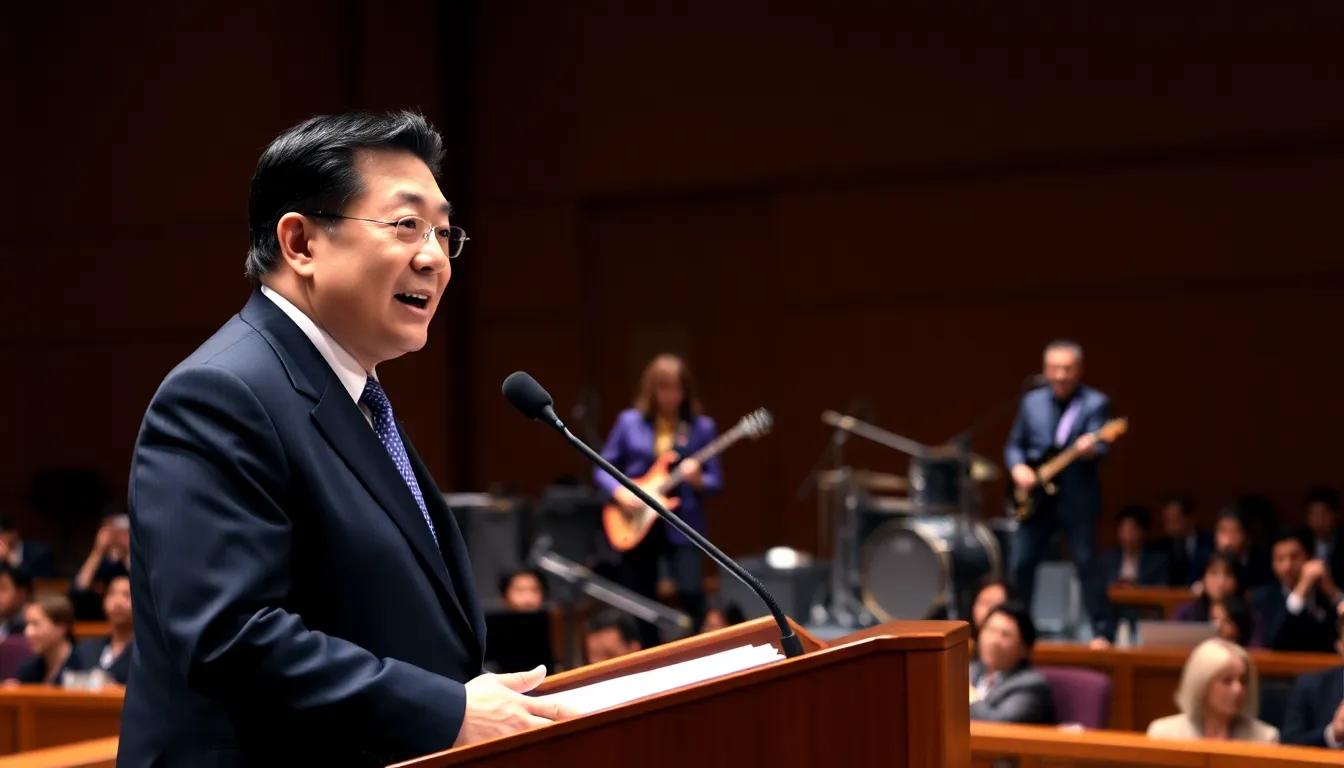
The Prime Minister’s remarks came as Deep Purple performed in Tokyo, marking a historic moment as the band celebrated over five decades in the music industry.
This interaction underscores the importance of music as a unifying force, bridging generational and cultural gaps. Kishida’s acknowledgment of the band’s contribution reflects Japan’s appreciation for Western music and its role in shaping contemporary Japanese culture.
As global interest in cultural diplomacy grows, this moment serves as a reminder of how music can foster connections between nations. The Prime Minister’s public declaration of admiration for Deep Purple may also encourage further collaborations and exchanges in the arts between Japan and the United Kingdom.
The cultural significance of Deep Purple in Japan
Deep Purple, formed in 1968, is one of the pioneers of hard rock and heavy metal music. Their influence in Japan has been profound, particularly during the 1970s when rock music began to gain traction among Japanese youth. The band’s unique sound, characterized by powerful guitar riffs and classical influences, resonated with a generation seeking new forms of expression amidst the rapid modernization of Japanese society.
Japan’s post-war economic boom in the 1960s and 70s created a fertile ground for Western music, with bands like Deep Purple becoming symbols of rebellion and freedom.
In 1972, Deep Purple’s “Machine Head” album, featuring the iconic track “Smoke on the Water,” solidified their status in Japan. The album’s themes of struggle and resilience resonated with a nation recovering from the scars of war. This connection deepened when the band performed in Japan, drawing massive crowds and solidifying their fan base, which has remained loyal over the decades.
The enduring legacy of rock music in Japan
The legacy of rock music in Japan extends beyond individual bands like Deep Purple. The genre has influenced various aspects of Japanese pop culture, from fashion to film. Rock music festivals have become a staple in the Japanese cultural calendar, celebrating both local and international acts. The reverence for bands like Deep Purple highlights the ongoing dialogue between Western and Japanese music, illustrating how cultural influences can transcend borders and foster mutual appreciation.
As Japan’s Prime Minister recently expressed his admiration for Deep Purple, it underscores the band’s lasting impact on Japanese society. This moment reflects not only a personal appreciation but also a recognition of the broader cultural ties that music creates, bridging generations and fostering international connections.
Exploring the relationship between music and politics
The recent statement by Japan’s Prime Minister, expressing admiration for the British rock band Deep Purple, highlights a unique intersection between culture and politics. This moment not only reflects personal sentiment but also unveils broader implications for diplomatic relations and cultural exchange between nations.

Key stakeholders in this scenario include the Japanese government, represented by Prime Minister Fumio Kishida, and the British rock band Deep Purple. The interests of the Japanese government may revolve around enhancing cultural diplomacy, showcasing Japan as a progressive nation that values artistic expression. For Deep Purple, this acknowledgment could signify an opportunity to strengthen their global fanbase and foster deeper connections with Asian markets.
However, this relationship is not without its complexities. There are potential conflicts between traditional cultural values and the modern, often rebellious nature of rock music. Additionally, the commercial interests of the music industry could clash with political agendas, leading to trade-offs where artistic freedom may be compromised for diplomatic gains.
- Cultural Diplomacy: Music as a tool for fostering international relations.
- Economic Interests: The potential for increased tourism and cultural exchange programs.
- Artistic Freedom: Balancing government support with the independence of artists.
- Public Perception: How the public views the blending of politics and entertainment.
- Legal Issues: Copyright and intellectual property rights in international contexts.
As the relationship between music and politics continues to evolve, the dynamics of this interaction will be crucial in shaping future cultural policies and international collaborations. The implications of such statements by political leaders can resonate far beyond the music scene, influencing perceptions and relationships on a global scale.
The influence of music on international relations
The recent statement by Japan’s Prime Minister, referring to the iconic British rock band Deep Purple as “my god,” has sparked a variety of reactions across different sectors. This unusual intersection of music and politics highlights the soft power that cultural icons can wield in shaping international relationships. The groups most affected include music fans, cultural institutions, and the tourism industry in both Japan and the UK.
In the short term, this event may boost tourism in Japan as fans of Deep Purple and rock music enthusiasts plan visits to the country. Concerts and events featuring the band or similar genres could see increased attendance, benefiting local businesses such as hotels, restaurants, and transportation services. Conversely, there is a risk of backlash from those who view the Prime Minister’s comments as trivializing serious diplomatic issues.

Mid-term impacts may include strengthened cultural ties between Japan and the UK, potentially leading to collaborations in the arts and entertainment sectors. This could open doors for Japanese artists in Western markets, while also providing British musicians with opportunities to perform in Japan. However, there is a risk that such cultural exchanges may be overshadowed by political tensions or economic challenges.
- Increased tourism: More visitors to Japan, boosting local economies.
- Cultural exchange: Opportunities for collaboration between Japanese and British artists.
- Potential backlash: Criticism from those who perceive the comments as inappropriate.
- Influence on policy: Possible discussions on cultural diplomacy and international relations.
Overall, while the immediate effects may be largely positive, stakeholders must navigate the potential pitfalls that come with blending cultural appreciation and political discourse. The long-term implications of this event could reshape how music influences diplomacy and international relations in the future.
A: The Prime Minister expressed deep admiration for the band’s impact on music and culture, highlighting their influence on generations of fans. A: The statement was made during a public event where Deep Purple was being honored for their contributions to music. A: Deep Purple’s music has inspired many Japanese artists and bands, contributing significantly to the rock genre in Japan. A: This statement reinforces the role of cultural figures in diplomacy, showcasing how music can bridge gaps between nations. A: Yes, this is not the first time the Prime Minister has acknowledged Deep Purple; previous meetings have also highlighted their cultural significance.
Frequently asked questions about the event
Key takeaways from the Prime Minister’s remarks
The recent encounter between Japan’s Prime Minister and the iconic British rock band Deep Purple highlights the cultural diplomacy that can emerge from artistic interactions. The Prime Minister’s declaration of admiration not only underscores the global influence of music but also reflects Japan’s ongoing efforts to strengthen international ties through shared cultural experiences.
As Japan continues to navigate its role on the world stage, the intersection of culture and politics may become increasingly significant. This meeting serves as a reminder of the soft power that music and the arts hold in fostering goodwill and understanding among nations.
- The importance of cultural diplomacy as a tool for international relations is likely to gain traction in Japan’s foreign policy.
- Expect increased collaboration between Japanese and Western artists, potentially leading to new cultural initiatives and exchanges.
- Public figures in Japan may leverage popular culture to connect with younger demographics, enhancing engagement in political discourse.
- Monitoring the response from the music community could reveal trends in global cultural collaboration and influence.