
Reports indicate that thousands of homes have been destroyed or severely damaged, leaving families to face uncertain futures. For further insights on disaster management, see our article on Indonesians raising white flags amid growing anger over slow flood aid. The Australian government has declared a state of emergency in several regions, mobilizing resources to assist affected residents. Firefighters are working tirelessly to contain the blazes, but dry conditions and high winds complicate their efforts.
The impact of these bushfires extends beyond immediate property loss; local economies are also suffering. Businesses are forced to close, and the tourism sector, vital for many communities, is seeing a sharp decline. As residents brace for potential evacuation, the psychological toll on affected populations is becoming increasingly apparent.
Authorities are urging residents to stay informed and prepared as the bushfire season progresses, with predictions of more extreme weather events on the horizon. The ongoing crisis highlights the urgent need for effective disaster management strategies and climate resilience measures in the face of growing environmental challenges.
Understanding the factors contributing to the bushfire crisis
Australia has long been familiar with bushfires, a natural occurrence exacerbated by the country’s unique climate and geography. For a comparative look at crisis response, check out our coverage on the Venezuelan government releasing political prisoners. However, in recent years, the frequency and intensity of these fires have escalated dramatically. A combination of prolonged drought, rising temperatures, and changing weather patterns has created a perfect storm for bushfire outbreaks, leaving communities vulnerable and homes at risk.
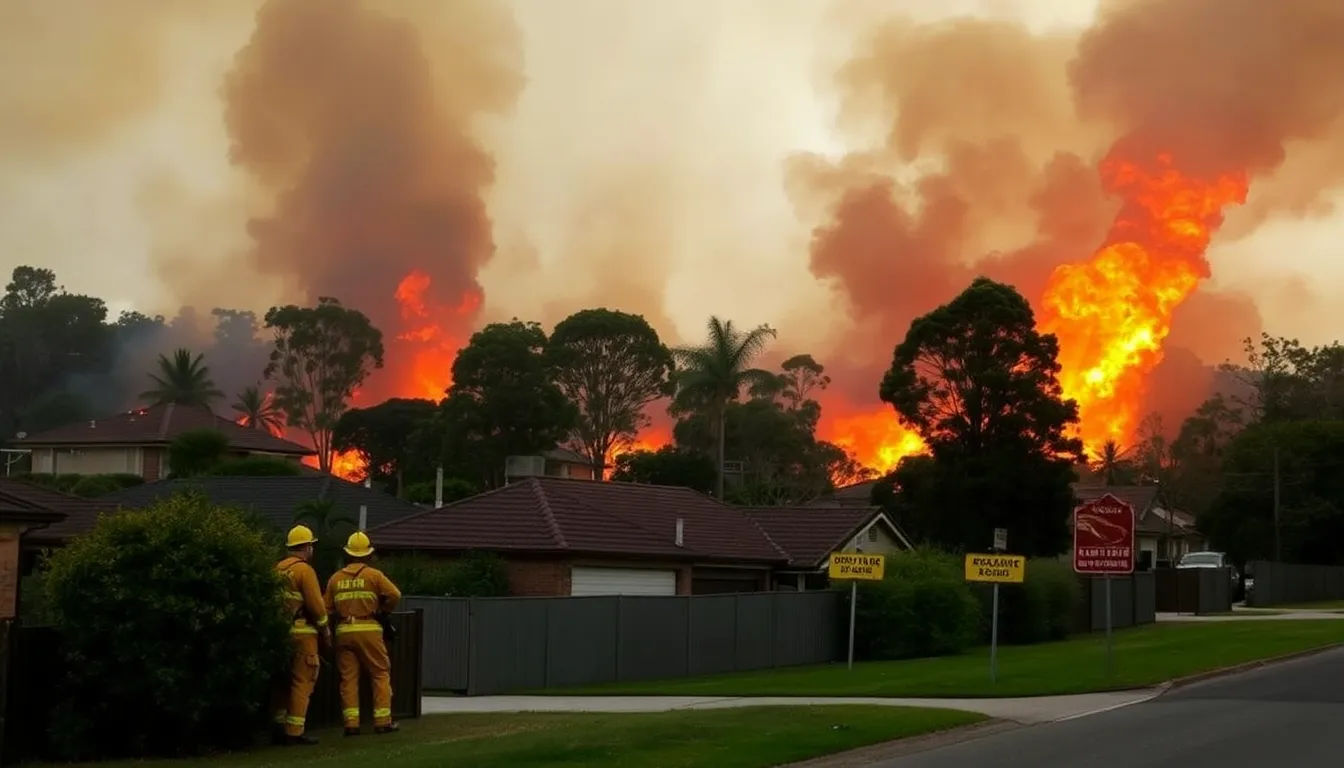
The historical context of bushfires in Australia dates back to Indigenous land management practices, which included controlled burns to reduce fuel loads. However, as urban development expanded into bushland areas, the risk of property loss increased. The 2009 Black Saturday bushfires in Victoria, which claimed 173 lives and destroyed over 2,000 homes, marked a significant turning point in public awareness and government policy regarding fire management and community safety.
Political and Economic Implications
The political landscape surrounding bushfire management has evolved, particularly in response to climate change debates. Governments have faced criticism for their handling of fire preparedness and response, with calls for more robust policies to address the underlying causes of climate change. Economically, the impact of bushfires is profound, with costs associated with property damage, firefighting efforts, and recovery efforts straining local and national budgets.
Moreover, the recent catastrophic bushfire seasons have highlighted the need for better infrastructure and community resilience strategies. Programs aimed at educating residents on fire safety and preparedness have become essential as communities grapple with the reality of living in fire-prone areas. As Australians brace for potential property loss or worse, the urgency for comprehensive action to mitigate future risks has never been more critical.
Key stakeholders and the challenges they face during the crisis
The devastating bushfires in Australia have created a complex web of stakeholders, each facing unique challenges and interests. The primary actors include affected residents, government agencies, emergency services, environmental organizations, and insurance companies. Each of these groups plays a critical role in addressing the immediate impacts of the fires and the longer-term implications for communities and the environment.
Affected residents are at the forefront of this crisis, with many facing the loss of their homes and livelihoods. Their immediate concerns include safety, access to emergency services, and the need for financial assistance to rebuild. The emotional toll of losing one’s home cannot be overstated, as families grapple with displacement and uncertainty about the future.
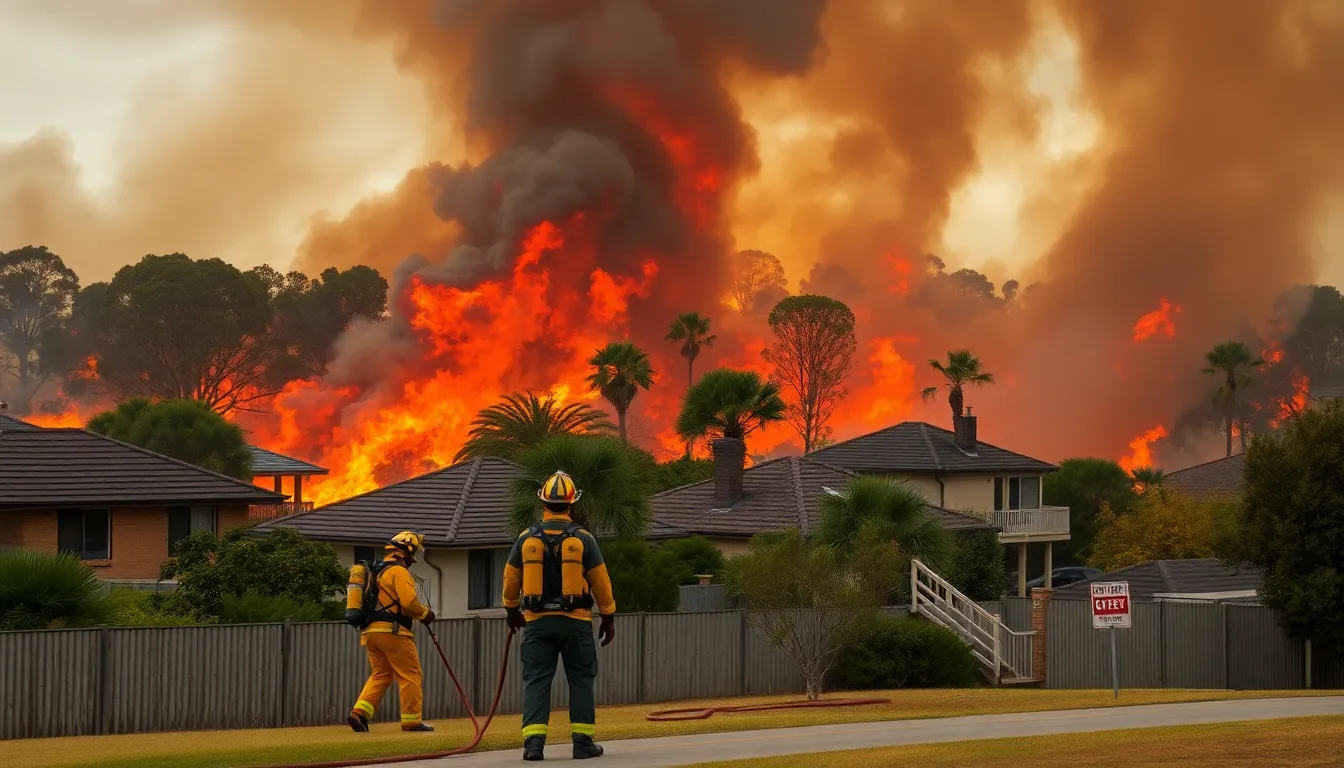
Government agencies, both at the state and federal levels, are tasked with coordinating disaster response efforts and providing support to affected communities. They face the challenge of balancing resource allocation, ensuring effective communication, and managing public safety. Additionally, there is pressure to address the underlying issues of climate change and land management practices that contribute to the severity of bushfires.
Emergency services, including firefighters and first responders, are stretched thin as they battle the blazes and protect lives and property. Their interests lie in securing adequate funding, resources, and support to effectively manage these crises. The physical and mental well-being of these workers is also a significant concern, as they face high-stress situations and hazardous conditions.
- Environmental organizations advocate for sustainable land management practices and policies to mitigate future fire risks.
- Insurance companies are dealing with a surge in claims, raising questions about coverage limits and the financial viability of insuring properties in high-risk areas.
- Local businesses are concerned about the economic impact of the fires, including loss of revenue and the potential for long-term decline in tourism.
- Community groups are working to provide support and resources for those affected, emphasizing the need for mental health services and community cohesion.
As these stakeholders navigate the immediate aftermath of the bushfires, they must also contend with broader legal and economic issues. The potential for litigation over land management practices and the adequacy of emergency response can create tensions between residents and government entities. Furthermore, the economic implications of property loss and recovery efforts will have lasting effects on local economies, requiring careful planning and collaboration among all actors involved.
The impact of bushfires on communities and the housing market
The recent bushfires in Australia have left a significant mark on various communities, particularly in rural and suburban areas. Families who have lost their homes are facing immediate displacement, while local businesses are grappling with the loss of clientele and infrastructure. The psychological toll on residents, many of whom are now living in temporary accommodations, cannot be understated.
Industries such as construction, real estate, and insurance are poised to feel the effects of these fires in both the short and mid-term. In the immediate aftermath, construction companies may experience a surge in demand for rebuilding efforts. However, the insurance sector could face substantial claims, potentially leading to increased premiums for homeowners across the region.
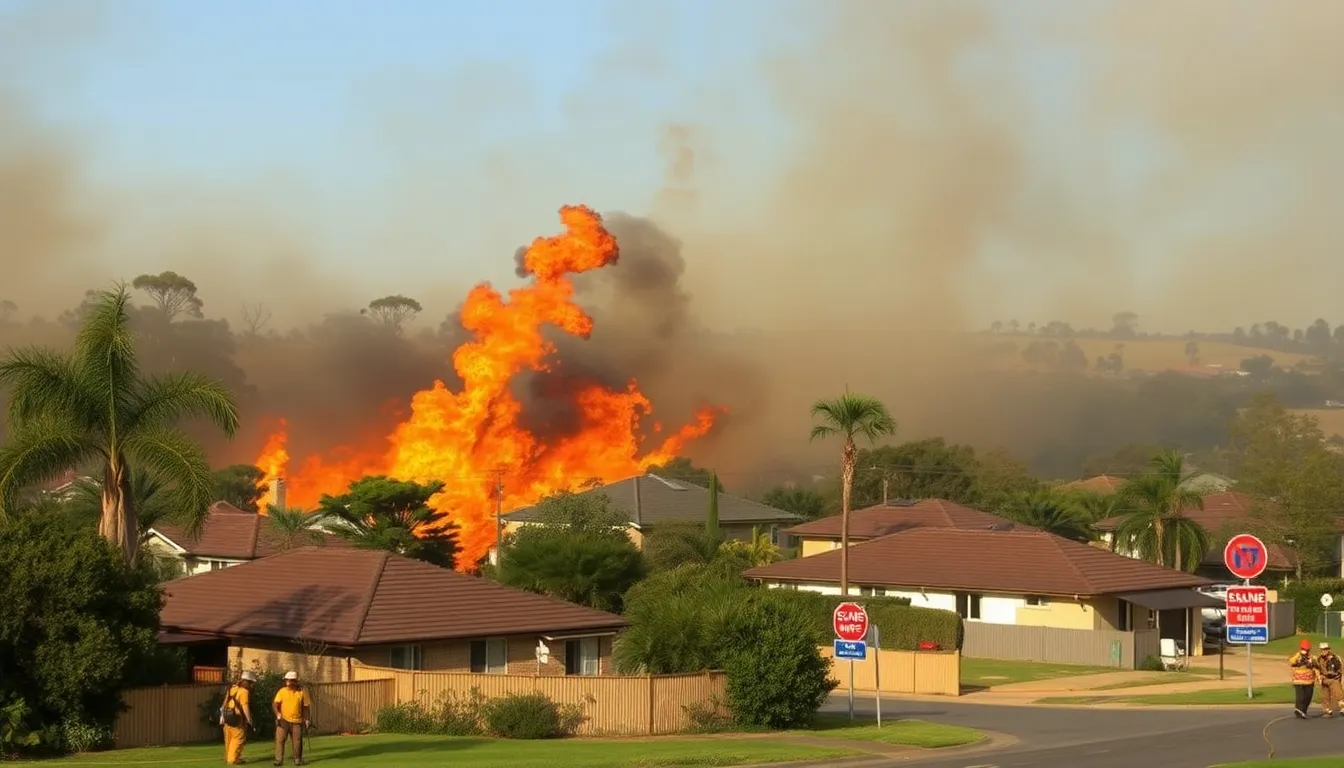
- Displacement of families and increased homelessness.
- Economic strain on local businesses and service providers.
- Potential rise in housing prices due to reduced supply.
- Increased demand for construction and rebuilding services.
Furthermore, the bushfires may prompt changes in policy regarding land use and fire management strategies. Policymakers could be pressured to implement stricter regulations aimed at preventing future disasters, which may impact property development and zoning laws. This shift could create opportunities for businesses specializing in fire-resistant materials and sustainable building practices.
While the immediate impacts are devastating, there may be long-term opportunities for communities to rebuild more resiliently. Emphasis on sustainable practices and improved infrastructure could emerge as a response to this crisis, fostering innovation in the housing market and potentially leading to a more robust economy in the affected regions.
A: The bushfires are primarily affecting rural and semi-rural areas in Australia, with significant damage reported in regions like New South Wales and Victoria. A: Residents should have an emergency plan in place, including a packed bag with essentials, a communication plan with family, and knowledge of evacuation routes. A: Various government and non-profit organizations provide financial aid, temporary housing, and mental health support for those affected by the bushfires. A: Bushfires can lead to a decrease in property values in affected areas due to increased risk perception and potential damage to homes. A: Long-term effects include soil degradation, loss of biodiversity, and changes in local ecosystems, which can take years to recover.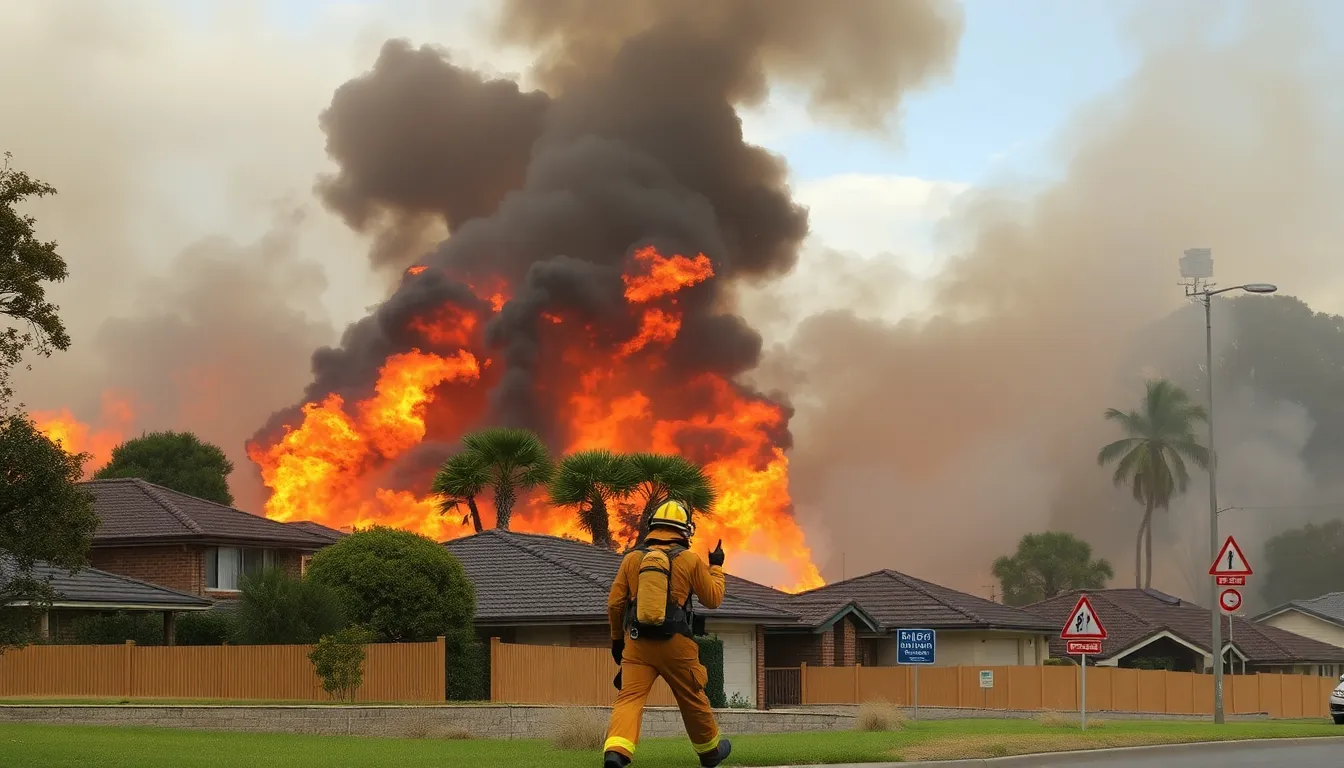
Frequently asked questions about the bushfire situation
Looking ahead: the future of affected communities and recovery efforts
The devastating impact of recent bushfires in Australia has left communities grappling with the immediate aftermath of destruction and uncertainty. As residents confront the loss of homes and the emotional toll of such disasters, the focus shifts to recovery and rebuilding efforts. The resilience of these communities will be tested, but proactive measures can foster a path toward recovery and long-term sustainability.
In the coming months, it will be crucial to monitor how local governments and organizations coordinate disaster response and support services. The effectiveness of these efforts can significantly influence the speed of recovery and the ability of communities to rebuild stronger than before.
- Watch for updates on government assistance programs aimed at supporting displaced families and rebuilding infrastructure.
- Observe how local businesses adapt and recover in the face of economic challenges resulting from the fires.
- Keep an eye on community initiatives that promote resilience and preparedness for future disasters.
- Consider the long-term environmental impacts of bushfires and the strategies being implemented for ecological restoration.
- Stay informed about mental health resources available for those affected, as emotional recovery is just as vital as physical rebuilding.