
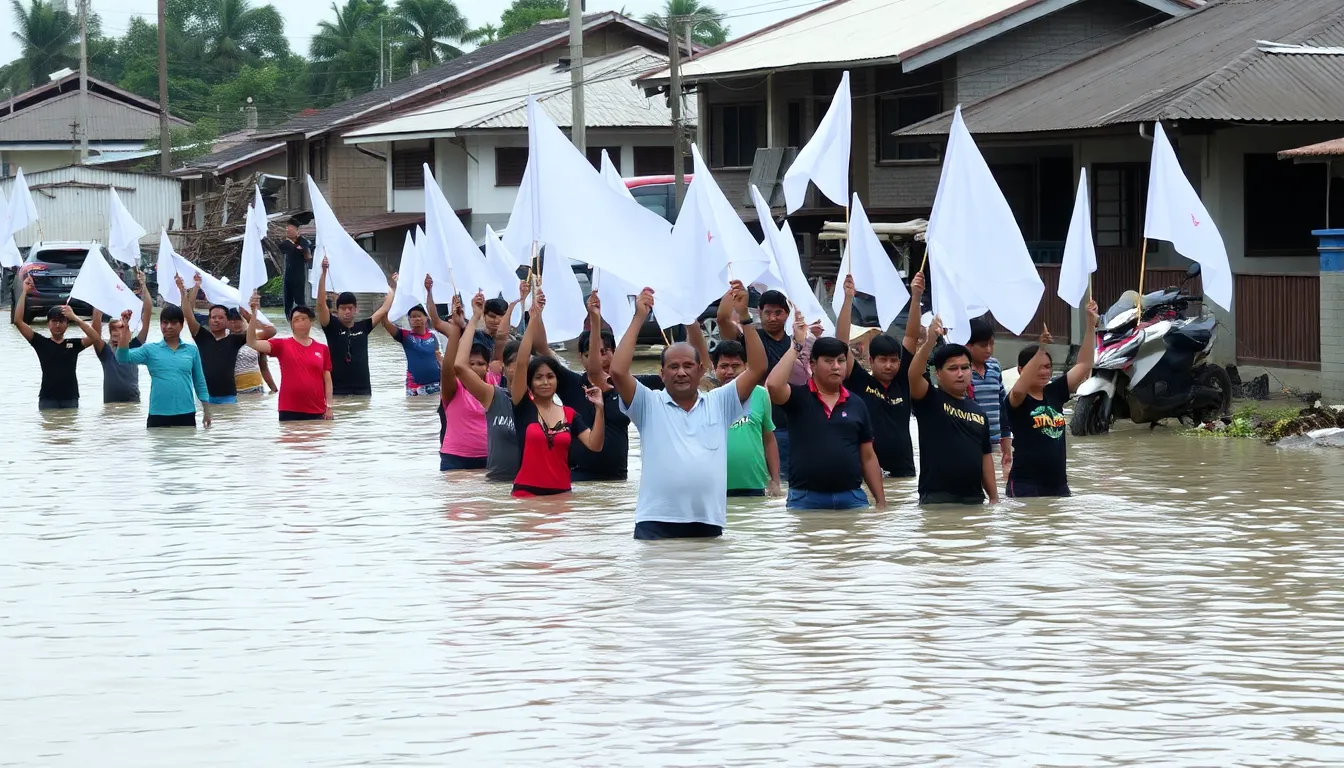
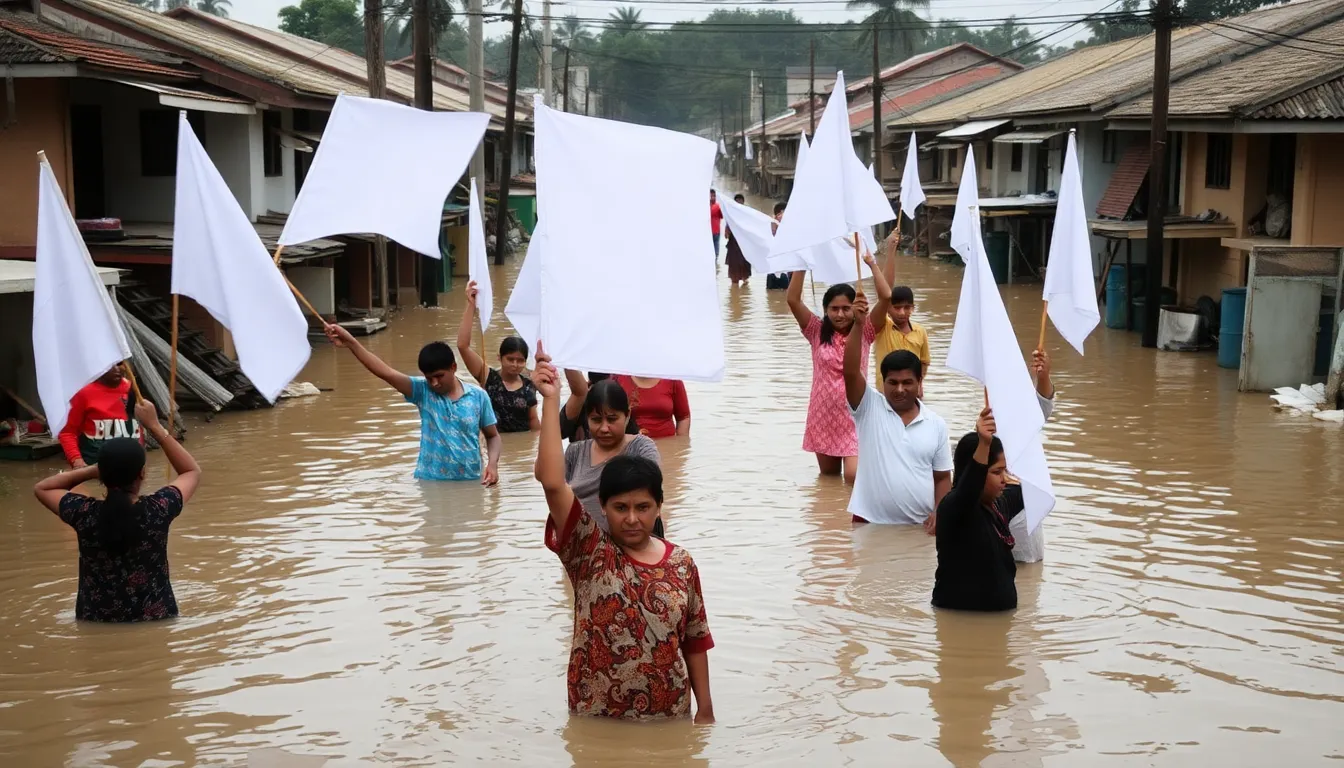
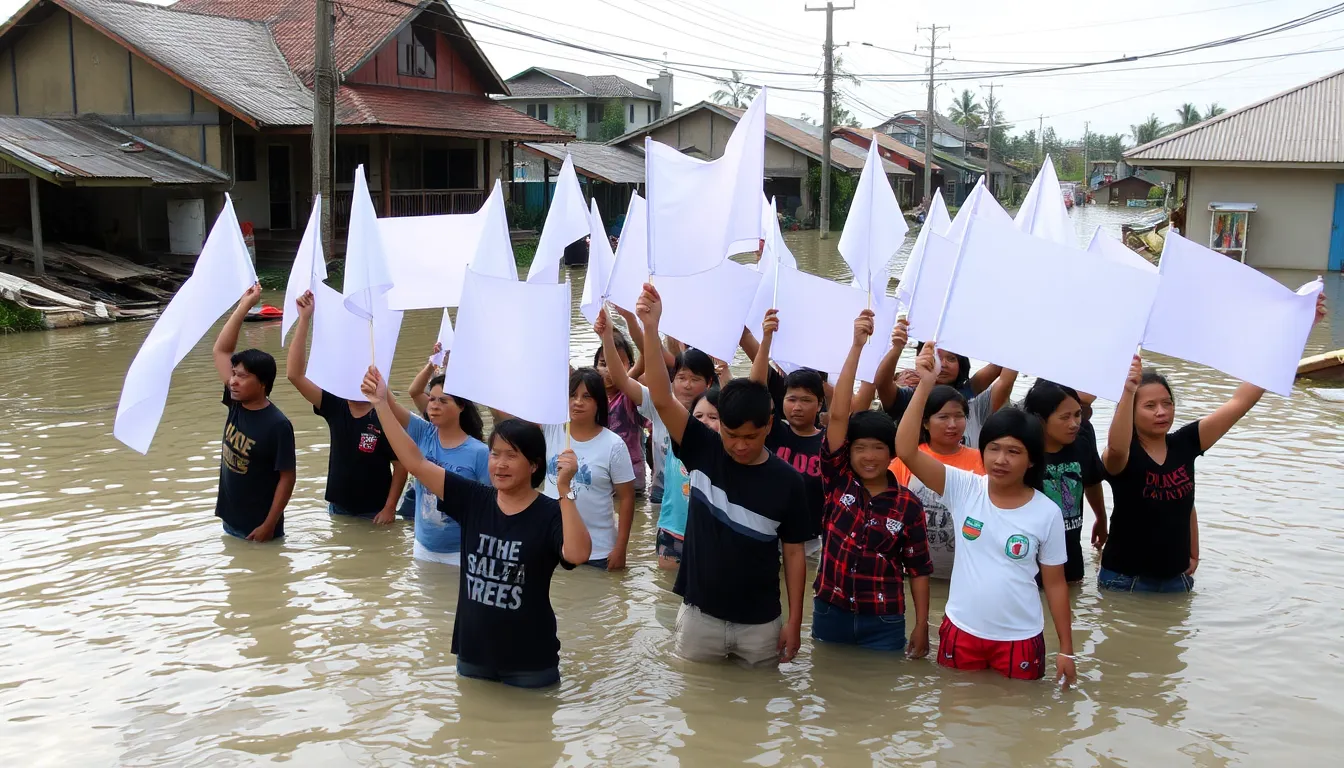
The floods, triggered by heavy rainfall, have affected several regions, including West Java and Central Java, displacing over 100,000 residents. Reports indicate that as of mid-October 2023, aid delivery has been hindered by logistical challenges and bureaucratic delays, prompting citizens to take to the streets in protest. Many are now resorting to raising white flags to signal their need for immediate assistance. This unfolding crisis underscores the importance of understanding the effects of climate change on disaster responsiveness.
Local NGOs and community leaders have voiced their concerns about the government’s inadequate response, urging for faster mobilization of aid. In a recent statement, a representative from a humanitarian organization emphasized the urgency of the situation, stating that “every hour counts” for those trapped in the floodwaters. The rising tide of anger among the populace reflects not only the immediate need for help but also a broader frustration with systemic issues in disaster management.
The Indonesian government has acknowledged the challenges and promised to expedite aid distribution, but many citizens remain skeptical. As the crisis unfolds, the sight of white flags has become a poignant reminder of the struggles faced by those affected, highlighting the need for a more effective response to natural disasters in the future. The situation remains critical as communities continue to advocate for their right to timely assistance.
Understanding the background of the flooding crisis in Indonesia
Indonesia, an archipelagic nation with over 17,000 islands, has long struggled with natural disasters, particularly flooding. The country’s geographical position along the equator, combined with its tropical climate, makes it susceptible to heavy rainfall and seasonal flooding. In recent years, climate change has exacerbated these conditions, leading to more severe and frequent flooding events that have devastated communities and strained government resources.
The current crisis can be traced back to a combination of rapid urbanization, inadequate infrastructure, and environmental degradation. As cities like Jakarta have expanded, the natural landscape has been altered, reducing the land’s ability to absorb rainfall. Additionally, deforestation and land reclamation projects have disrupted ecosystems, increasing the risk of flooding. Historical neglect in maintaining drainage systems and flood control measures has further compounded the issue, leaving many vulnerable to the impacts of heavy rains. Exploring these dynamics, it becomes clear how systemic issues can exacerbate natural disasters.
Political and Economic Factors
The political landscape in Indonesia has also played a significant role in the current flooding crisis. Corruption and mismanagement within local governments have hindered effective disaster response and infrastructure development. Economic challenges, including high levels of poverty and unemployment, mean that many communities lack the resources to prepare for or recover from flooding. As frustrations mount, citizens have resorted to raising white flags as a symbol of their desperation, signaling that they need help and are struggling to survive.
Key milestones in Indonesia’s history of flooding include the catastrophic floods of 2007 in Jakarta, which displaced hundreds of thousands and prompted government action. However, despite these past events, the response has often been slow and inadequate. The recent wave of protests and the raising of white flags reflect a growing sense of urgency among the populace, as they demand more immediate and effective aid from their government.
Analyzing the key issues surrounding flood relief efforts and government response
The recent flooding in Indonesia has prompted widespread frustration among affected communities, leading many to raise white flags as a sign of desperation for aid. This situation highlights the roles of various stakeholders involved in disaster response, including local governments, national agencies, non-governmental organizations (NGOs), and the affected citizens themselves.
Local governments are often the first responders in disaster situations, yet they face significant challenges in mobilizing resources quickly. Many local authorities may lack the necessary funding or logistical capabilities to provide immediate relief, which can lead to tensions with citizens who feel abandoned in their time of need. In contrast, national agencies, such as the National Disaster Mitigation Agency (BNPB), are tasked with coordinating response efforts but may struggle with bureaucratic delays and insufficient infrastructure.
NGOs play a crucial role in providing aid and support, often stepping in where government efforts fall short. However, their presence can also create competition for resources and attention, leading to potential conflicts over which organizations receive funding or recognition. Additionally, the reliance on international aid can complicate the situation, as foreign organizations may have different priorities or operational protocols that do not align with local needs.
- Resource Allocation: The distribution of aid can be uneven, leading to further dissatisfaction among affected populations.
- Bureaucratic Challenges: Delays in government response due to red tape can exacerbate the crisis, causing public outrage.
- Community Engagement: The involvement of local communities in the relief process is essential for effective aid delivery but is often overlooked.
- Long-term Recovery: Immediate relief efforts must be balanced with strategies for long-term recovery and resilience-building.
- Legal Framework: Existing laws and policies may hinder rapid response efforts, necessitating reform to better address emergency situations.
This complex web of interests and responsibilities underscores the need for a cohesive approach to disaster management that prioritizes timely aid while fostering collaboration among all stakeholders involved. As communities continue to express their frustrations, the pressure on governments and organizations to act effectively and transparently will only intensify.
The impact of slow aid on affected communities and local economies
The recent flooding in Indonesia has left numerous communities grappling with urgent needs, particularly in regions such as Central Java and West Sumatra. The slow response to aid efforts has heightened frustrations among residents, prompting many to raise white flags as a symbol of their distress. This situation affects vulnerable populations, including low-income families, farmers, and small business owners who rely on immediate assistance to recover from the disaster.
In the short term, the lack of timely aid can lead to increased food insecurity, as agricultural lands are submerged and crops are destroyed. Farmers are particularly impacted, facing the dual challenge of lost harvests and the inability to plant new crops due to ongoing waterlogged conditions. Small businesses, especially those in the food and retail sectors, are also suffering as supply chains are disrupted and customers are unable to access their usual goods and services.
Mid-term impacts are likely to extend beyond immediate economic concerns, affecting local policies and governance. The growing anger over slow aid could lead to increased public pressure on local governments to improve disaster response mechanisms. This may result in a reevaluation of emergency preparedness plans and funding allocations for future disaster relief efforts.
- Food insecurity: Loss of crops leading to hunger and malnutrition.
- Economic downturn: Small businesses facing closures due to lack of customers and resources.
- Social unrest: Heightened tensions within communities as frustrations grow.
- Policy changes: Potential reforms in disaster response strategies and funding.
While the immediate focus is on the challenges posed by the flooding, there are potential opportunities for local economies to innovate and adapt. Communities may band together to create cooperative networks for resource sharing, and NGOs may step in to provide support in ways that foster resilience against future disasters. Furthermore, the situation could prompt the government to invest more in infrastructure improvements, which would benefit communities in the long run.
A: Indonesians are raising white flags as a symbol of distress to draw attention to the slow response of aid agencies and the government in providing necessary support after recent floods. A: The flooding in Indonesia was caused by heavy rainfall and inadequate drainage systems, leading to severe waterlogging in many regions. A: The government’s response has been criticized for being slow and insufficient, with many communities still waiting for essential aid and resources. A: Delayed aid has resulted in worsening living conditions for affected families, increased health risks, and growing frustration among the population. A: Improving coordination between government agencies and NGOs, as well as increasing funding for disaster response, could enhance the efficiency of flood relief efforts.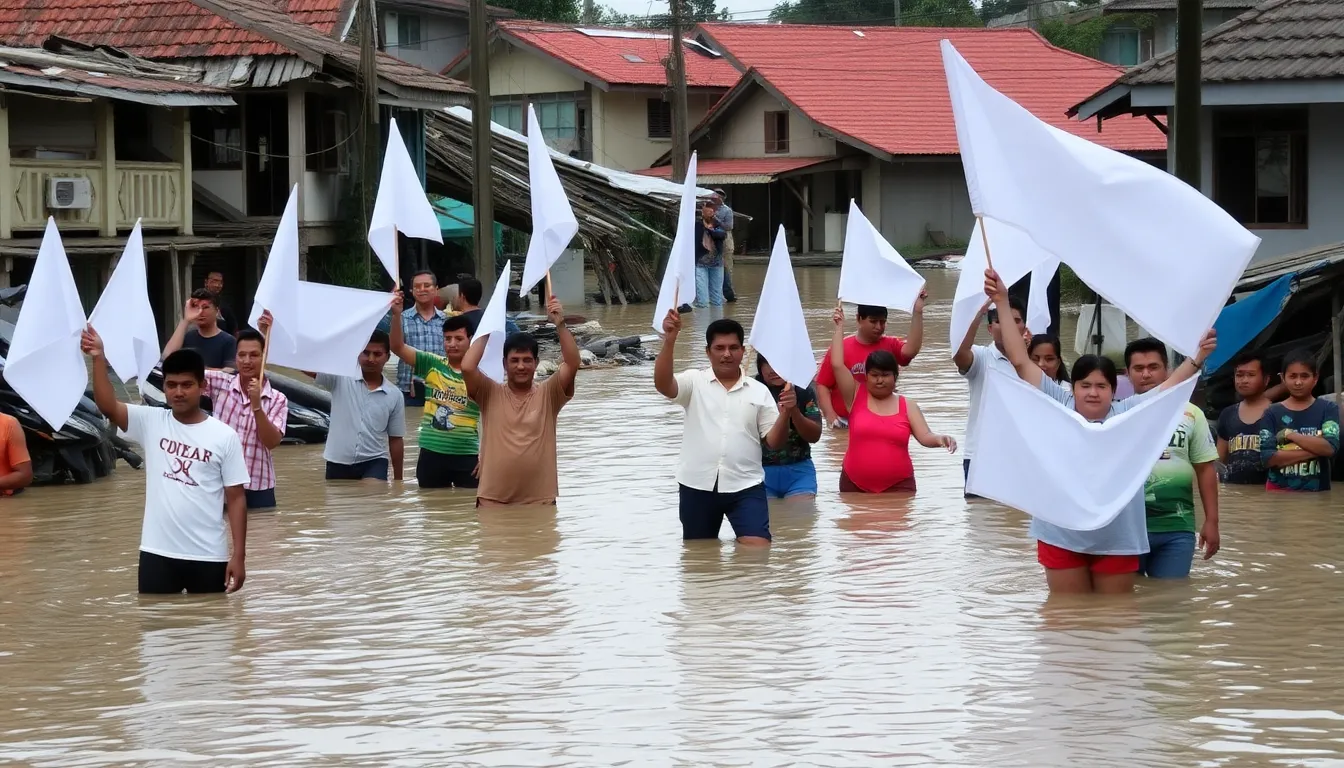
Frequently asked questions about the flood aid situation
Key points and future outlook on flood relief efforts in Indonesia
The recent surge in public frustration, symbolized by the raising of white flags, highlights the urgent need for a more effective and timely response to flood relief in Indonesia. As communities continue to grapple with the aftermath of devastating floods, the slow pace of aid distribution has sparked widespread discontent, underscoring the importance of governmental accountability and community engagement in disaster response efforts.
Looking ahead, it is crucial for both local authorities and national agencies to reassess their strategies for disaster management. Enhancing communication channels, mobilizing resources more efficiently, and fostering collaboration with non-governmental organizations can significantly improve the delivery of aid and restore public trust. The situation serves as a reminder of the vulnerabilities faced by communities in the wake of natural disasters and the imperative for proactive measures in disaster preparedness.
- Increased transparency in aid distribution processes will be essential to regain public trust.
- Collaboration with NGOs can help streamline relief efforts and ensure faster response times.
- Investing in infrastructure improvements will mitigate the impact of future floods and enhance community resilience.
- Community engagement initiatives can empower residents to participate actively in disaster preparedness and response.
- Monitoring and evaluation of relief efforts will be critical to identify gaps and improve future disaster management strategies.