
Major players in the chatbot industry, such as OpenAI and Character.AI, have introduced platforms that allow users to create and interact with personalized characters. These platforms have gained immense popularity, especially among younger audiences, who are drawn to the immersive storytelling and interactive experiences that these chatbots offer. As of October 2023, Character.AI reported a user base that has doubled since the beginning of the year, indicating a robust demand for such engaging digital companions. For further insights, you can read about Exploring the Use of A.I. Chatbots for Nutrition Advice.
The implications of this trend are multifaceted. Experts warn that while these interactions can foster creativity and provide a safe space for self-exploration, they may also blur the lines between virtual and real-life relationships. Furthermore, concerns regarding data privacy and the potential for negative influences in AI-generated conversations have emerged, prompting discussions among parents, educators, and policymakers about the need for guidelines and safeguards.
As this phenomenon continues to evolve, it raises essential questions about the role of technology in adolescent development. The intersection of social media, gaming, and AI is reshaping how teens communicate and form connections, making it crucial for stakeholders to understand the motivations behind this trend. With the rapid advancement of AI technologies, the landscape of teen interaction is likely to change even further in the coming years.
The Rise of Role-Playing Chatbots in Digital Communication
The advent of role-playing chatbots can be traced back to the early days of artificial intelligence and natural language processing. In the late 20th century, simple text-based programs like ELIZA and later, ALICE, laid the groundwork for conversational agents. These early models were rudimentary, designed primarily for basic conversation and interaction, yet they sparked interest in how machines could simulate human-like dialogue.
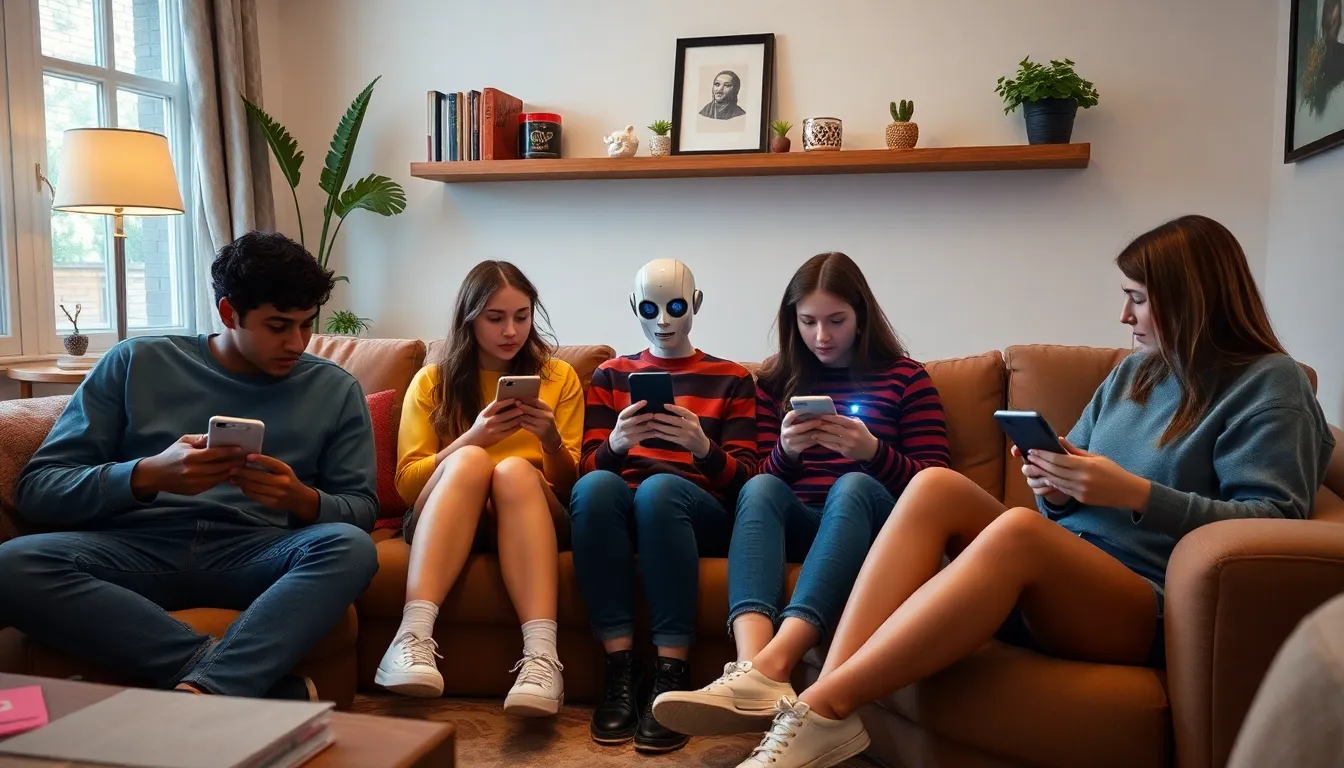
As technology advanced, particularly with the rise of machine learning and neural networks in the 2010s, chatbots evolved significantly. The introduction of platforms such as Facebook Messenger and Discord created new avenues for interaction, allowing developers to integrate more sophisticated chatbots into social media and gaming environments. This shift not only made chatbots more accessible but also opened the door for creative applications, including role-playing scenarios that captivated younger audiences.
The Social Dynamics of Role-Playing
Role-playing chatbots have become particularly popular among teens, serving as a means of escapism and social interaction. As social media platforms increasingly became spaces for identity exploration and community building, these chatbots offered a unique opportunity for users to engage in narrative-driven experiences. This trend coincided with broader societal changes, including a growing acceptance of digital identities and virtual interactions, especially during the COVID-19 pandemic, which forced many to seek connection online. This dynamic mirrors the evolution of esports, where identity and community play critical roles.
Moreover, the economic landscape has also influenced the proliferation of these chatbots. With the rise of the gig economy and freelance work, many developers and creators have found lucrative opportunities in designing customized chatbots for niche markets. This has led to a diverse array of role-playing options, catering to various interests and fandoms, thus further solidifying their popularity among teens.
In summary, the convergence of technological advancements, social dynamics, and economic opportunities has catalyzed the rise of role-playing chatbots. As these digital companions continue to evolve, they reflect not only the interests of a generation but also the broader trends shaping communication in the digital age.
Key Stakeholders and Issues Surrounding Chatbot Usage
The rise of role-playing chatbots among teenagers has attracted the attention of various stakeholders, including tech companies, educators, parents, and policymakers. Each group has distinct interests and concerns regarding the implications of these technologies on youth development and social interaction.
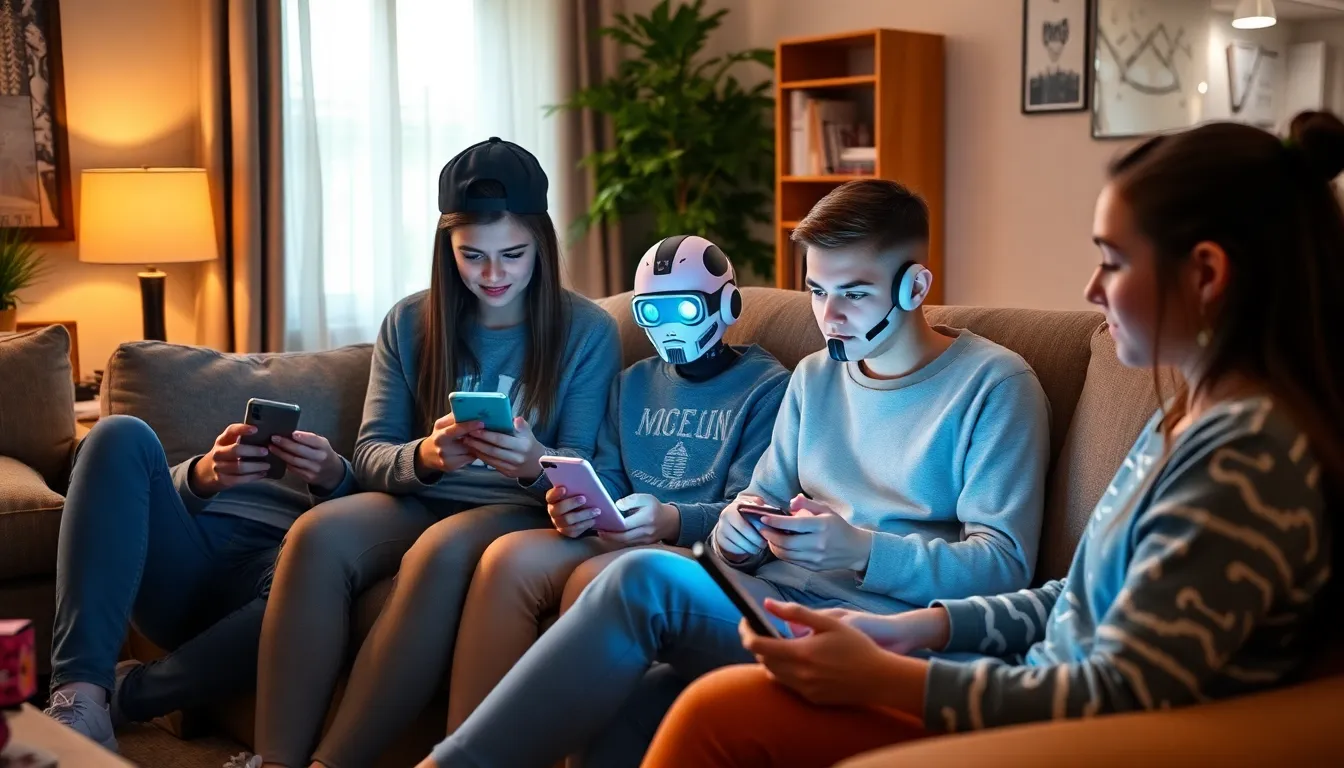
Tech companies, such as those developing AI-driven chatbots, are primarily focused on innovation and market growth. Their interest lies in creating engaging and safe platforms for users while also addressing ethical considerations surrounding data privacy and user safety. As these companies push the boundaries of artificial intelligence, they must navigate potential conflicts between user engagement and responsible AI use.
Educators and mental health professionals are concerned about the impact of chatbots on social skills and emotional well-being. While some argue that these tools can provide a safe space for exploration and self-expression, others worry about the potential for dependency on virtual interactions over real-life connections. This raises questions about the role of technology in adolescent development, similar to how patients are using chatbots to manage their medical bills, showcasing the dual-edged nature of technology.
Parents and guardians are also key stakeholders, often caught between the desire to allow their children the freedom to explore new technologies and the need to ensure their safety. They may face challenges in understanding the nuances of chatbot interactions, leading to potential conflicts regarding supervision and guidance.
Finally, policymakers are tasked with creating regulations that protect minors while fostering innovation. They must consider issues such as data privacy, age verification, and the potential for harmful content. Balancing these interests involves navigating complex legal and ethical landscapes, as well as addressing the economic implications of regulating emerging technologies.
- Tech companies focusing on innovation vs. ethical AI use.
- Educators’ concerns about social skills and emotional health.
- Parents’ need for oversight vs. children’s autonomy.
- Policymakers balancing protection with innovation.
- Legal implications surrounding data privacy and content regulation.
The Effects of Chatbots on Teen Social Behavior and Mental Health
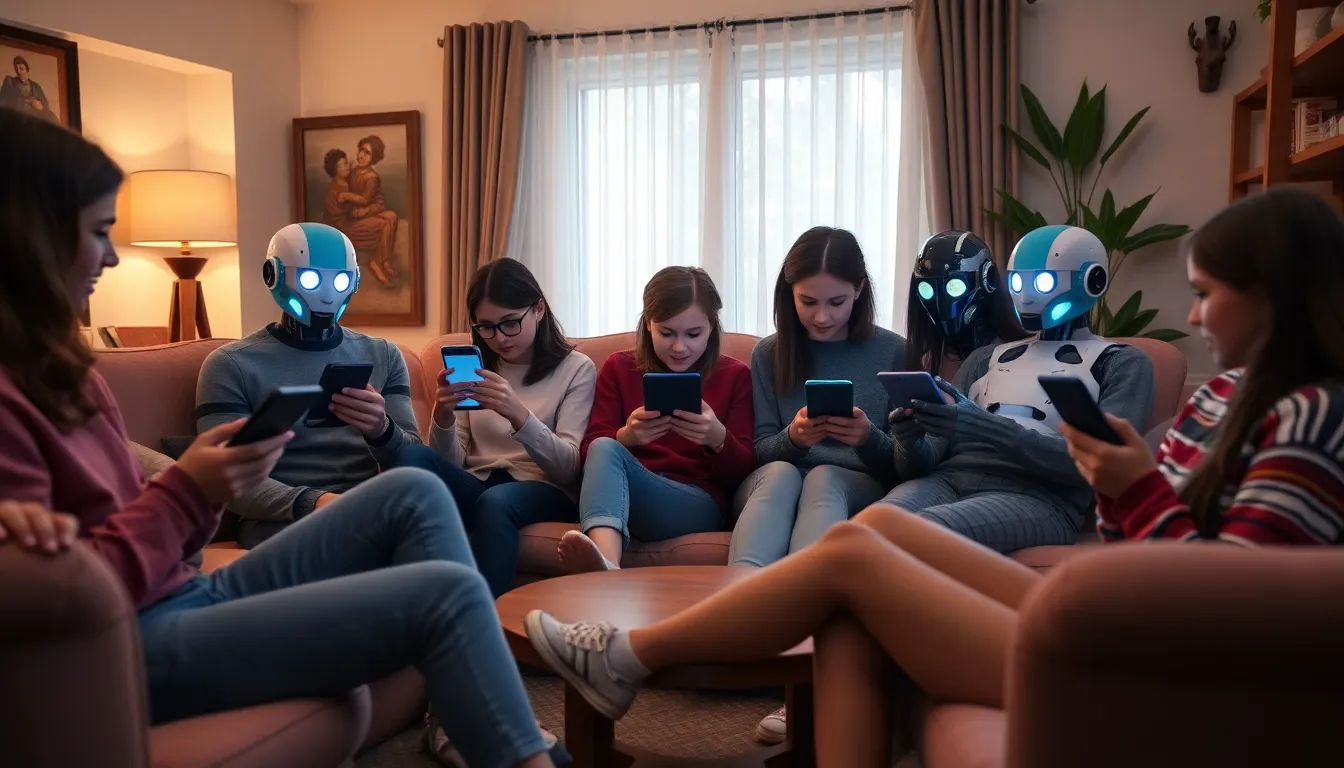
The rise of role-playing chatbots has significantly impacted various groups, particularly teenagers, parents, educators, and mental health professionals. As teens engage with these digital companions, they experience shifts in their social interactions and emotional well-being. This phenomenon is not limited to specific regions but spans globally, affecting urban and rural communities alike.
In the short term, teens may find solace and companionship in chatbots, which can enhance their social experience. However, this reliance on virtual interactions can lead to decreased face-to-face communication skills and a potential increase in feelings of isolation. Parents and educators may notice changes in behavior, prompting discussions about the balance between digital and real-life interactions.
In the mid-term, industries such as mental health and education could see significant transformations. Schools might integrate chatbot technology into their curricula to help students develop social skills or manage stress. Conversely, mental health professionals may face challenges as they navigate the implications of teens forming attachments to non-human entities, raising questions about emotional dependency.
- Risks: Increased isolation, dependency on technology, and potential mental health issues.
- Opportunities: Enhanced learning tools, improved emotional support systems, and innovative therapeutic approaches.
Overall, the influence of role-playing chatbots on teens presents a complex landscape of both challenges and possibilities, urging society to adapt and respond thoughtfully to these emerging trends.
A: Role-playing chatbots are AI-driven programs that simulate conversations, allowing users to engage in fictional scenarios. They often cater to various interests, including gaming and storytelling. A: Teens are drawn to role-playing chatbots for their ability to provide immersive experiences and a sense of escapism. They offer a safe space for creativity and self-expression. A: While chatbots can enhance creativity, excessive use may hinder face-to-face social skills. It’s essential for teens to balance virtual interactions with real-life communication. A: Yes, potential risks include exposure to inappropriate content and dependency on virtual interactions. Parents should monitor usage to ensure a healthy balance. A: Parents can engage in conversations about chatbot experiences, set boundaries for usage, and encourage offline activities to promote a balanced lifestyle.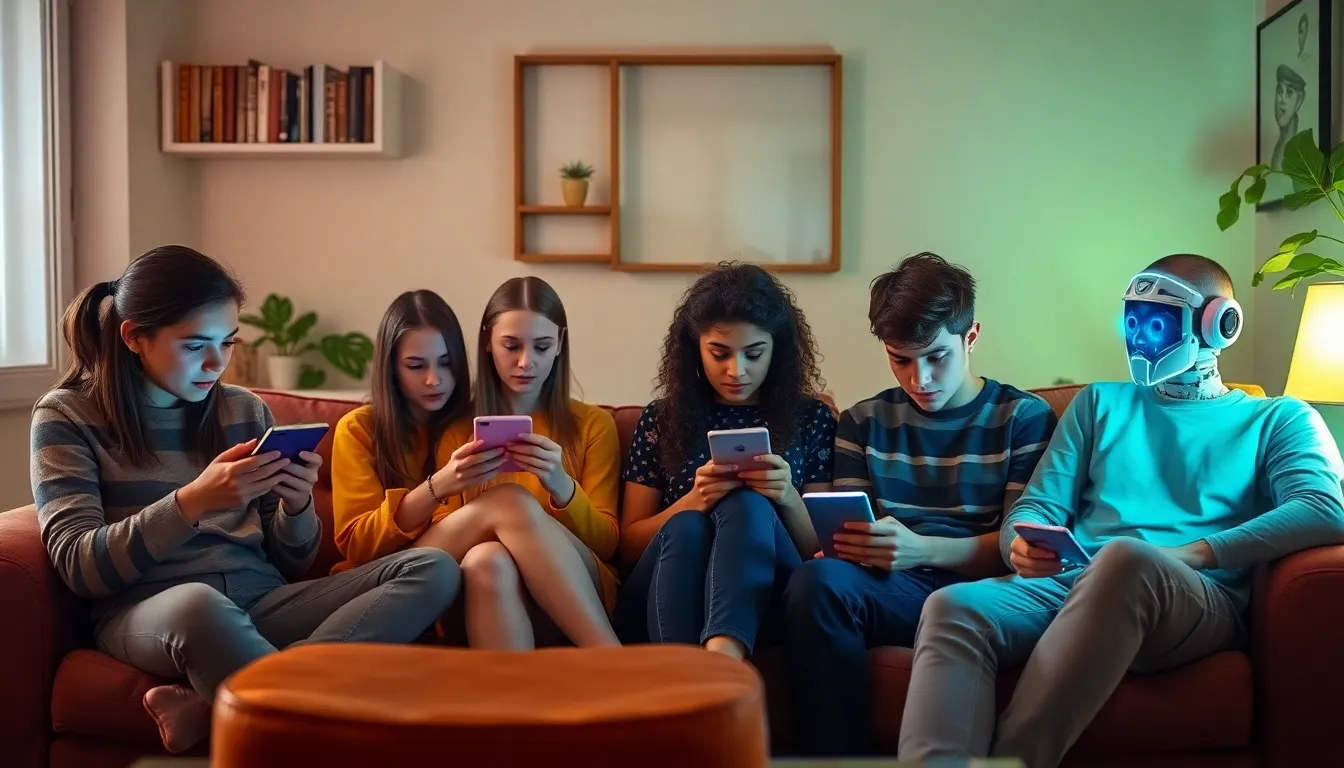
Frequently Asked Questions About Role-Playing Chatbots
Looking Ahead: The Future of Teen Engagement with Chatbots
The rise of role-playing chatbots among teenagers signals a shift in how young people interact with technology and each other. These digital companions not only provide entertainment but also serve as tools for self-exploration and socialization. As this trend continues, it will be essential to monitor the implications for mental health, social skills, and educational outcomes.
Understanding the motivations behind teens’ use of chatbots can inform parents, educators, and developers alike. By recognizing the potential benefits and drawbacks, stakeholders can better support healthy engagement and ensure that these technologies foster positive experiences for young users.
- Monitor Emotional Well-Being: Encourage open conversations about chatbot interactions to gauge their impact on emotional health.
- Enhance Educational Tools: Explore the potential for chatbots to supplement learning by creating interactive educational experiences.
- Foster Social Skills: Consider how chatbots can help teens practice social interactions in a low-pressure environment.
- Encourage Critical Thinking: Promote discussions around the differences between real-life relationships and chatbot interactions to develop critical media literacy.