
Healthcare professionals, represented by various unions, are demanding better pay and working conditions amid rising living costs. The British Medical Association (BMA) has stated that the strike is a last resort, emphasizing the need for urgent negotiations to address these issues. The situation is compounded by existing staff shortages and increased patient demand, raising concerns about the quality of care during this period.
Patients are being advised to prepare for potential disruptions in their healthcare services. Routine appointments and elective surgeries may be postponed, and individuals are encouraged to check with their healthcare providers for updates. The government has urged both sides to return to the negotiating table to find a resolution before the strike begins.
This strike follows a series of protests and smaller strikes earlier in the year, highlighting the growing frustration among healthcare workers. As the situation develops, the impact on patient care and the healthcare system as a whole remains to be seen, with many advocating for immediate action to avoid further complications.
Understanding the reasons behind the doctors’ strike
The ongoing doctors’ strike is rooted in a complex interplay of historical, political, economic, and social factors that have evolved over the years. At its core, the strike stems from longstanding grievances regarding pay, working conditions, and the overall state of the healthcare system. The medical profession has seen a gradual erosion of resources and support, leading to increased frustration among healthcare providers.
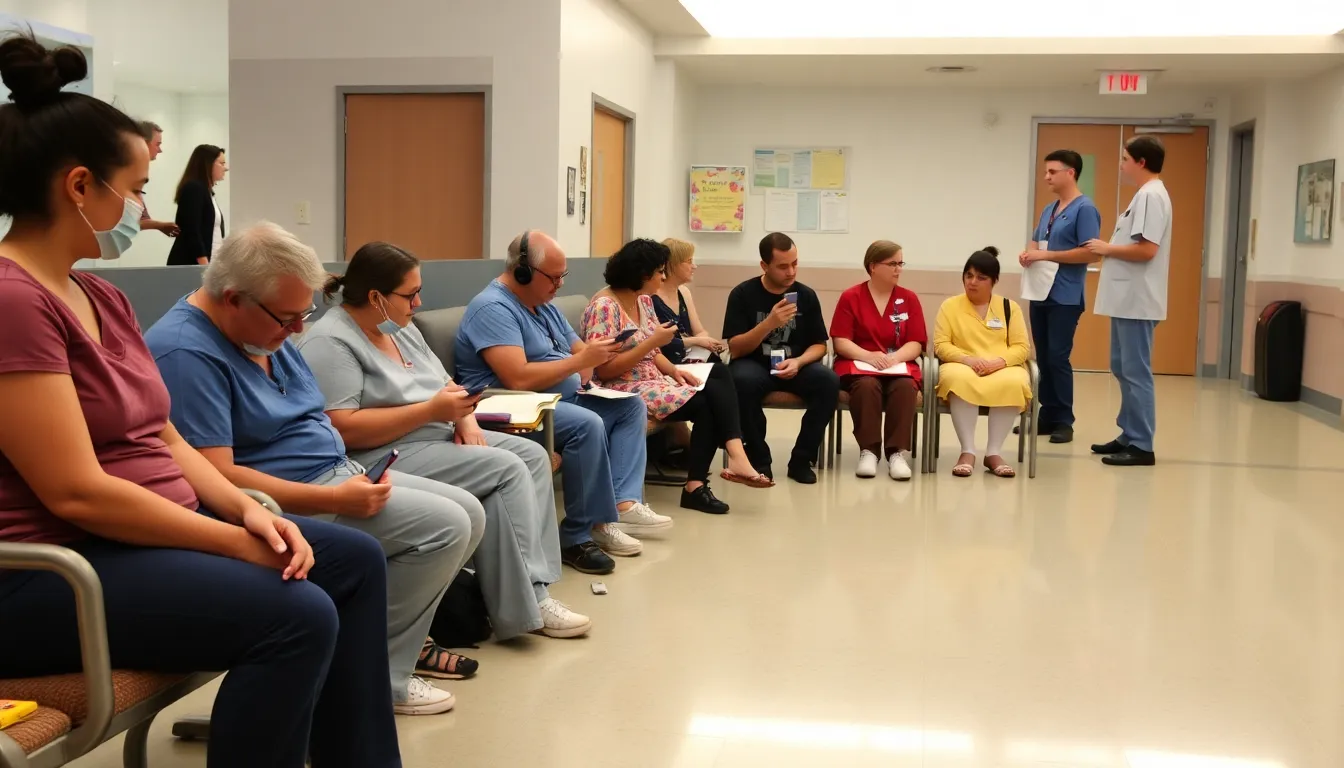
Historically, the National Health Service (NHS) was established with the aim of providing comprehensive healthcare free at the point of use. However, over the past decade, funding cuts and austerity measures have significantly impacted the quality of care that can be delivered. This has led to a growing sense of disillusionment among doctors, who feel that they are being asked to work under increasingly challenging circumstances without adequate compensation or support.
Politically, the situation has been exacerbated by a lack of meaningful dialogue between healthcare professionals and government officials. Attempts to negotiate better pay and working conditions have often been met with resistance, leading to a breakdown in trust. The recent strikes are a culmination of these frustrations, as doctors seek to draw attention to their plight and advocate for necessary changes.
The Economic Impact of Healthcare Strikes
Economically, the strikes pose a significant challenge not only to the healthcare system but also to the broader economy. Delayed treatments and cancellations of surgeries can lead to increased healthcare costs in the long run, as untreated conditions may worsen. Additionally, the strikes disrupt the daily lives of patients, many of whom rely on timely medical care, which can be elaborated further in related stories like Max Ojomoh’s reflections. The ripple effects of these disruptions can be felt across various sectors, highlighting the interconnected nature of healthcare and the economy.
As the situation continues to unfold, it is essential for patients and the public to understand the underlying issues driving the doctors’ strike. Awareness of these factors can foster greater empathy and support for healthcare professionals as they navigate this challenging landscape in their fight for improved working conditions and patient care.
Key stakeholders and issues surrounding the strike
The upcoming doctors’ strike has drawn attention to several key stakeholders, each with distinct interests and concerns. Central to this issue are the healthcare professionals, represented by various medical unions and associations, who are advocating for better working conditions, pay, and resources. Their primary goal is to ensure that they can provide quality care to patients without facing excessive workloads or financial strain.

On the other side, the government and health authorities are significant players in this situation. They are tasked with managing public health policies and budgets, often leading to conflicts with medical professionals over funding allocations and policy decisions. The government’s interest lies in maintaining a stable healthcare system while balancing fiscal responsibilities, which can create trade-offs that impact both doctors and patients.
Patients represent another crucial group affected by the strike. Their primary concern is access to healthcare services, especially during periods of industrial action when routine services may be disrupted. The potential for delays in treatment or reduced availability of medical personnel raises significant anxiety among patients, particularly those with chronic conditions or urgent health needs.
- Doctors’ unions: Seeking improved working conditions and compensation.
- Government: Aiming to maintain healthcare service continuity while managing budget constraints.
- Patients: Concerned about access to care and potential delays in treatment.
- Health authorities: Balancing public health needs with financial limitations.
- Community organizations: Advocating for patient rights and support during strikes.
The legal framework surrounding labor strikes adds another layer of complexity to this situation. Laws governing industrial action can influence how strikes are conducted and the extent to which healthcare services can be maintained. Additionally, economic factors such as inflation and cost of living increases further complicate negotiations, as both sides must navigate the financial implications of their demands and responses.
How the strike will affect patients and healthcare services
The upcoming doctors’ strike is set to impact a wide range of groups, particularly patients who rely on healthcare services for both routine and emergency care. Vulnerable populations, including the elderly, individuals with chronic illnesses, and those requiring urgent medical attention, will be disproportionately affected. Additionally, healthcare professionals in supporting roles, such as nurses and administrative staff, may face increased workloads as they attempt to manage care with reduced physician availability.
In the short term, patients may experience longer wait times for appointments and procedures, leading to potential delays in treatment and worsening health conditions. Hospitals and clinics might prioritize emergency cases, leaving non-urgent patients in limbo. This disruption could also strain relationships between healthcare providers and patients, as frustrations mount over accessibility and care continuity.

Mid-term impacts could include shifts in healthcare policy, as government and health organizations may be compelled to address the underlying issues that led to the strike. This could spark discussions around funding, staffing, and working conditions within the healthcare sector. Furthermore, the strike may lead to a reevaluation of patient care models, potentially accelerating the adoption of telehealth services and alternative care options.
- Increased wait times for medical appointments and procedures
- Potential deterioration of patient health due to delayed treatment
- Higher stress levels among healthcare staff managing increased demands
- Opportunities for telehealth and alternative care solutions to gain traction
- Possible reforms in healthcare policy and funding
While the strike poses significant risks to patient care and healthcare service delivery, it also presents opportunities for innovation and change within the healthcare system. Stakeholders may leverage this moment to advocate for improvements that could ultimately benefit both patients and providers in the long run.
A: The exact dates for the upcoming strike have not yet been confirmed, but it is expected to occur within the next few weeks. A: Non-emergency services are likely to be disrupted, including routine check-ups and elective procedures, while emergency care will still be available. A: Patients should consider rescheduling non-urgent appointments and stay informed about updates from their healthcare providers. A: The strike is primarily driven by issues related to pay, working conditions, and staffing shortages within the healthcare system. A: While most hospitals are expected to be impacted, the extent of the disruption may vary by location and the specific arrangements made by each facility.
Frequently asked questions about the doctors’ strike
Looking ahead: key points and implications of the strike
The upcoming doctors’ strike serves as a critical moment for patients and healthcare systems alike. As services become more strained, understanding the potential consequences and preparing accordingly is essential. Patients may experience delayed appointments, extended waiting times, and limited access to certain medical services, which could impact their ongoing care and treatment plans.
It is vital for patients to stay informed about which services will be affected and to seek alternative care options if necessary. Additionally, this situation may prompt discussions about the long-term sustainability of healthcare resources and the need for systemic changes to address the underlying issues contributing to the strike.
- Stay informed: Monitor updates from healthcare providers regarding service availability during the strike.
- Plan ahead: Schedule any necessary appointments or treatments before the strike begins to avoid disruptions.
- Explore alternatives: Consider other healthcare options, such as urgent care or telemedicine, in case of emergencies.
- Engage in dialogue: Participate in conversations about healthcare reforms that could prevent future strikes and improve patient care.
- Support healthcare workers: Recognize the challenges faced by medical professionals and advocate for fair working conditions that benefit both staff and patients.