
This finding challenges the long-held belief that the domestication of dogs occurred alongside the development of farming practices, which began around 10,000 years ago. The evidence indicates that early hunter-gatherer societies were already integrating dogs into their lives, utilizing them for hunting and protection, well before they transitioned to settled agricultural lifestyles.
The research highlights the significant role dogs played in human history, not just as pets but as essential partners in survival. The study’s authors emphasize that understanding this timeline can reshape our perception of human-animal relationships and the evolutionary pathways that have shaped both species.
As scientists continue to explore the genetic lineage of dogs, this new evidence opens up further questions about the social and environmental factors that facilitated early domestication. It also underscores the importance of interdisciplinary studies that combine archaeology, genetics, and anthropology to unravel the complexities of our shared history with these animals.
Understanding the historical relationship between humans and dogs
The bond between humans and dogs is one of the oldest and most profound relationships in history. Recent studies, particularly those analyzing ancient DNA, have shed light on the timeline of domestication, revealing that humans may have formed partnerships with dogs long before the advent of agriculture. This challenges the long-held belief that farming was a prerequisite for dog domestication, suggesting instead that the companionship and utility of dogs were established during the hunter-gatherer phase of human society, making the study of archaeology particularly relevant.
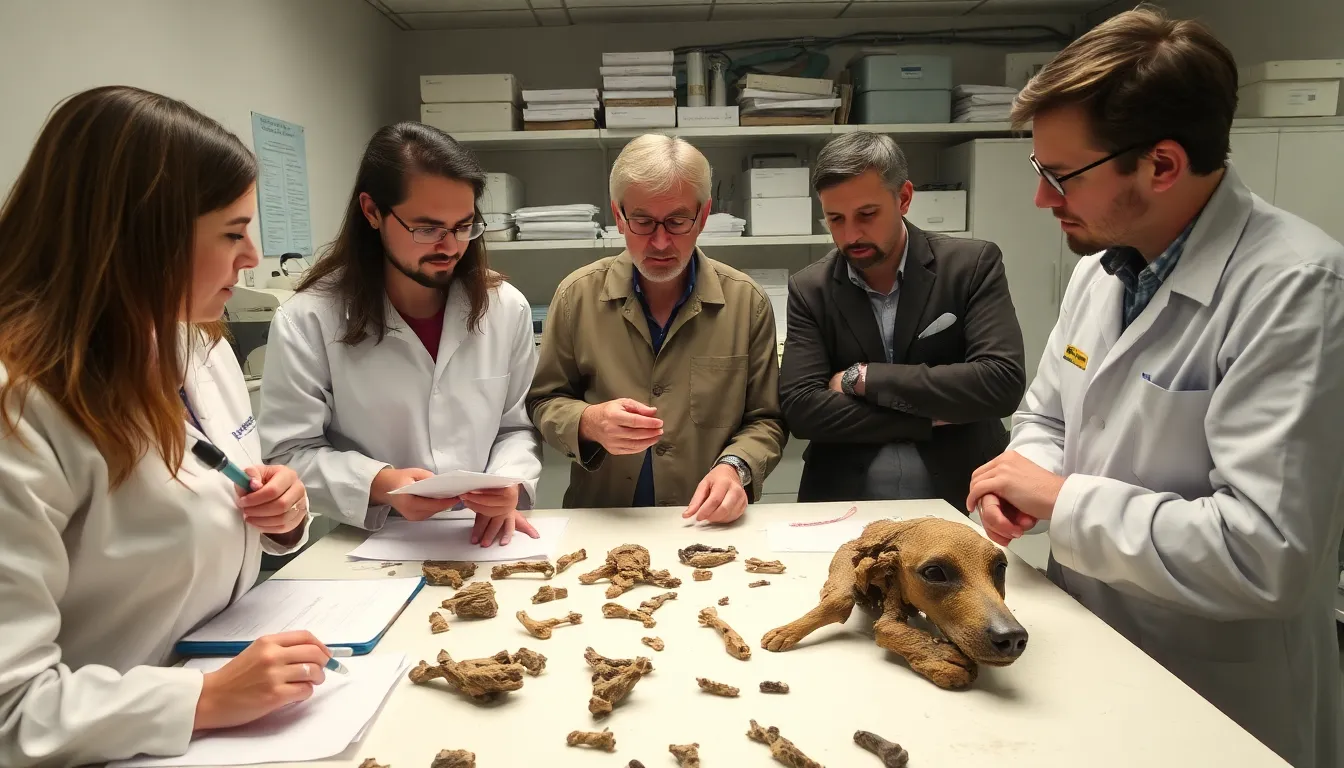
Archaeological evidence indicates that the domestication of dogs likely began between 20,000 and 40,000 years ago, with early humans benefiting from their hunting skills and protective instincts. This relationship was mutually beneficial; dogs assisted in hunting and guarding, while humans provided food and shelter. The emergence of this bond marked a significant milestone in human evolution, as it not only influenced social structures but also contributed to the development of communication and cooperation among early human groups.
The impact of agriculture on human-dog relationships
With the rise of agriculture around 10,000 years ago, the dynamics of human-dog relationships evolved further. As humans settled into farming communities, the roles of dogs expanded beyond hunting to include herding livestock and providing companionship. This transition also led to the diversification of dog breeds, as selective breeding began to take place based on specific tasks and traits desirable for agricultural life. However, the recent findings underscore that these roles were built on a foundation of companionship that predated agricultural practices.
The implications of this research extend beyond the historical context; they also prompt a reevaluation of how we perceive the evolution of human societies. The early partnership with dogs may have played a crucial role in shaping human behavior and social organization, influencing everything from survival strategies to cultural practices. Understanding this ancient bond offers valuable insights into the development of both species and highlights the importance of preserving this unique relationship in contemporary society.
Key stakeholders and implications of early dog domestication
The discovery that humans had domesticated dogs long before the advent of farming reshapes our understanding of early human societies. This revelation involves various stakeholders, including archaeologists, geneticists, anthropologists, and indigenous communities. Each group has distinct interests that influence their research and perspectives on the implications of dog domestication.
Archaeologists and geneticists are particularly invested in understanding the timeline and process of dog domestication. Their research can provide insights into human migration patterns and social structures. For instance, the findings may lead to reevaluations of how early humans interacted with their environment and each other, potentially altering the narrative of human history.
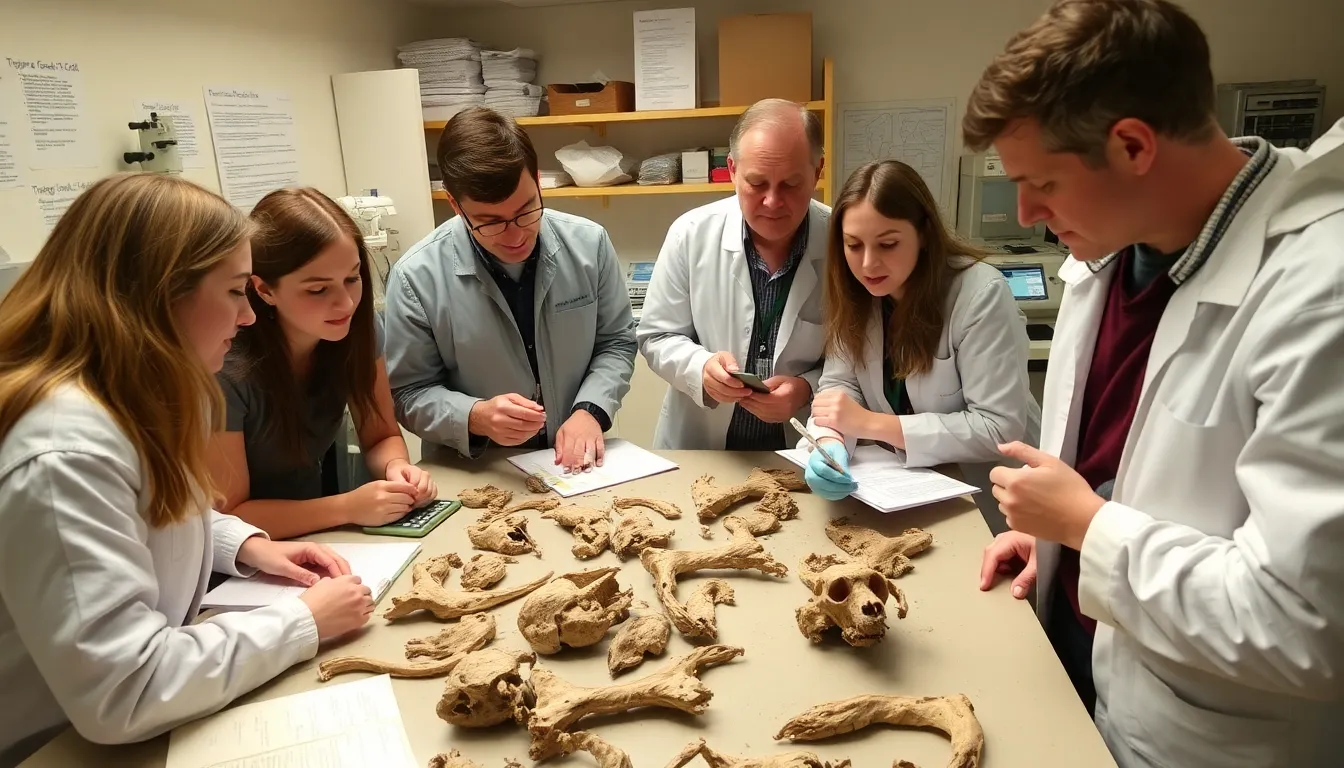
Indigenous communities may also have a vested interest in these findings, as many cultures have longstanding relationships with dogs. The confirmation of early domestication could affirm traditional knowledge and practices, allowing these communities to reclaim narratives about their history and the role of dogs in their societies.
However, the implications extend beyond academic interest. There are potential conflicts surrounding the ownership and rights associated with dog breeds that have evolved over centuries. This raises legal and ethical questions about breed preservation, animal rights, and the responsibilities of pet owners in light of historical context.
- Historical Narratives: The new findings challenge existing historical narratives about human development and domestication.
- Cultural Significance: Indigenous perspectives on dogs and their roles in human society may gain recognition and validation.
- Legal Issues: Ownership and breeding rights could be contested based on the historical context of domestication.
- Conservation Efforts: Understanding the origins of dog breeds may influence conservation strategies for both wild and domesticated species.
- Economic Impacts: The pet industry may need to adapt to new understandings of dog domestication and its implications for breeding practices.
The effects of this discovery on our perception of early societies
The revelation that humans had domesticated dogs before the advent of farming reshapes our understanding of early human societies. This finding impacts various groups, including archaeologists, anthropologists, and historians, as well as industries related to pet care and agriculture.
In the short term, this discovery may lead to a reevaluation of archaeological sites and findings, prompting researchers to revisit existing data with a new lens. This could result in increased funding for studies focusing on the relationship between humans and dogs, as well as a surge in interest in ancient cultures and their social structures.
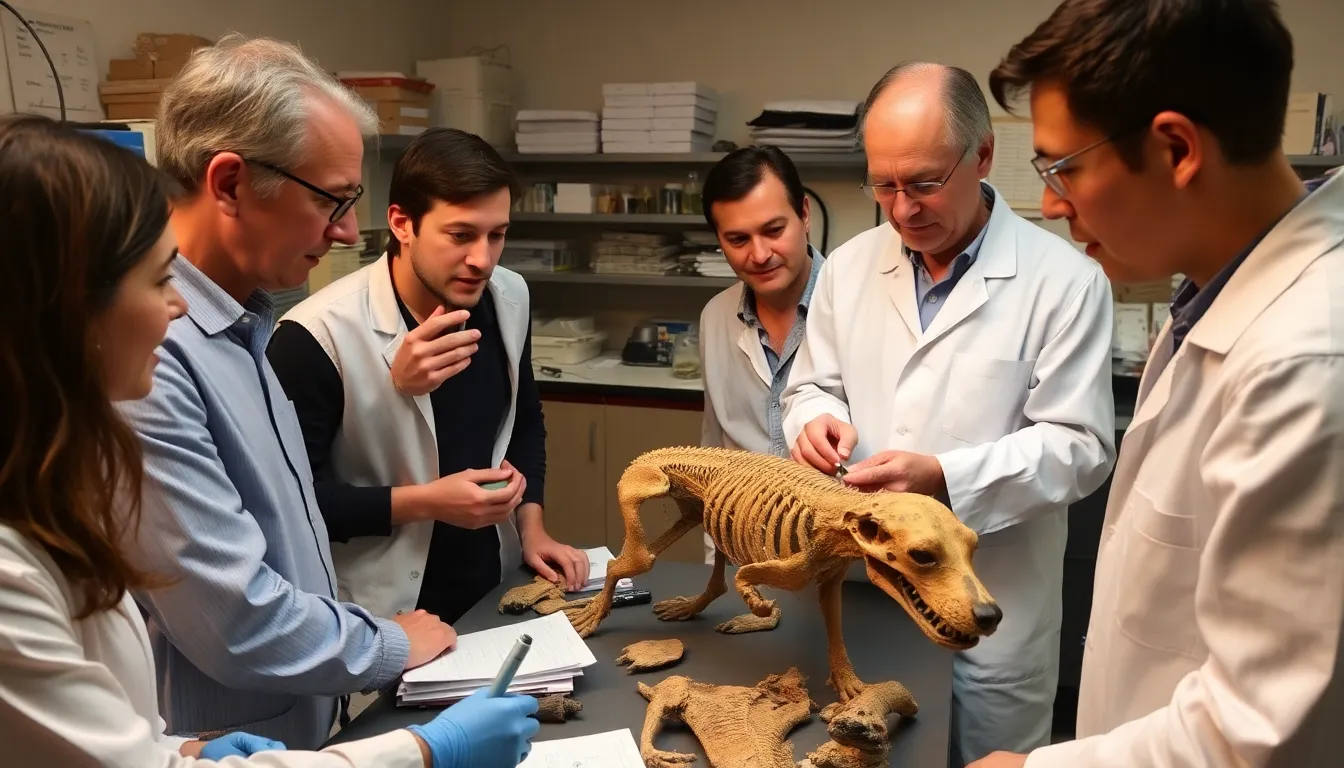
In the mid-term, businesses within the pet industry might see opportunities for growth as the narrative around the human-dog bond is strengthened. Companies that produce dog-related products or services could capitalize on the newfound historical significance of dogs, potentially leading to innovative marketing strategies that highlight their importance in early human life.
- Increased interest in archaeological research
- Growth in the pet care industry
- Potential policy changes regarding animal welfare
However, there are risks associated with this discovery as well. As the understanding of ancient societies evolves, there may be challenges in reconciling new findings with established historical narratives. This could lead to debates within academic circles and among the general public, potentially causing friction between traditional views and emerging evidence.
Ultimately, the interplay between the domestication of dogs and the development of agriculture invites a broader discussion about human-animal relationships, which may influence future policies in animal welfare, conservation, and even urban planning as societies seek to integrate these insights into contemporary life.
A: Recent studies suggest that dogs were domesticated at least 15,000 years ago, well before the rise of agriculture. A: Ancient DNA analysis allows researchers to trace genetic lineages, confirming that dogs were present in human societies prior to farming. A: This finding challenges previous assumptions about the timeline of domestication and suggests that the bond between humans and dogs is much older than previously thought. A: Yes, other animals like goats and sheep also have evidence of domestication around the same time as dogs, indicating complex relationships with early humans. A: It reshapes our understanding of early human societies and their interactions with animals, highlighting the importance of companionship in human evolution.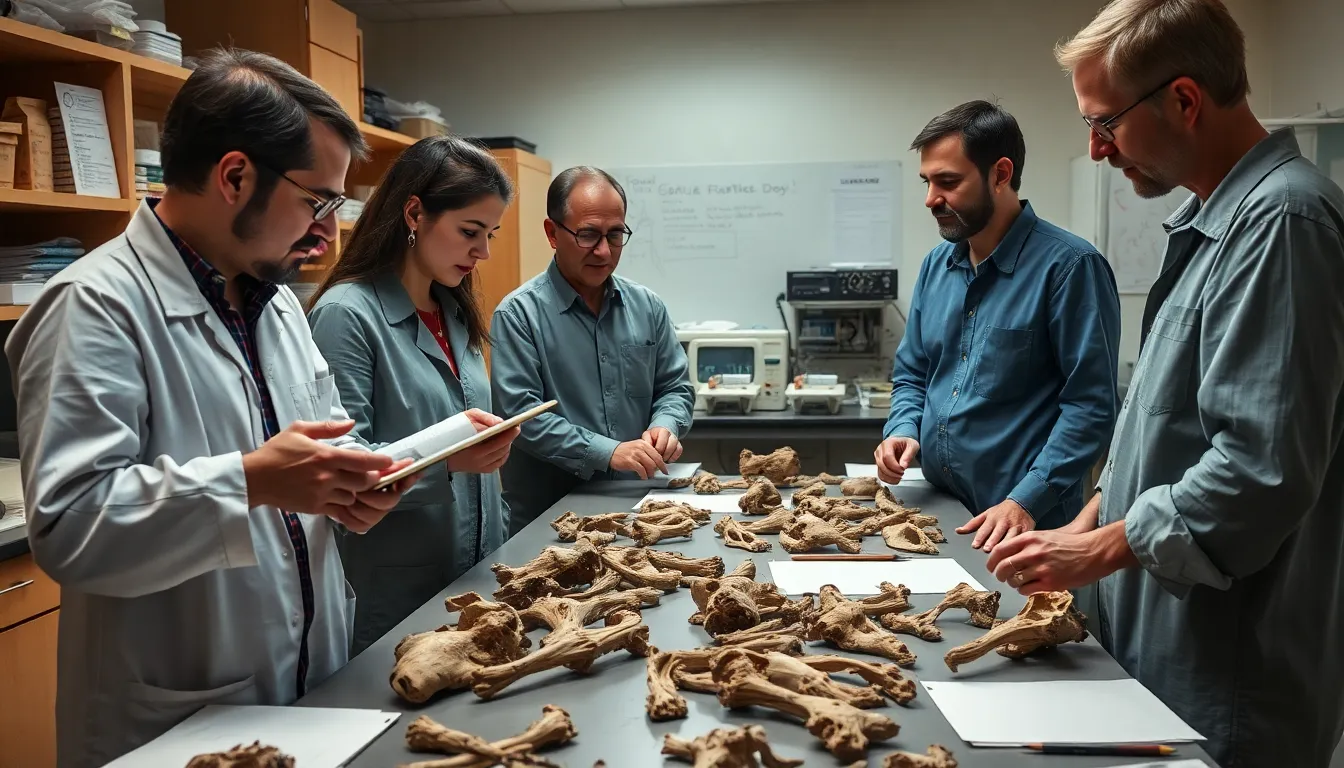
Frequently asked questions about dog domestication and farming
Key insights and future directions in understanding human-animal relationships
The discovery that humans domesticated dogs prior to the advent of agriculture reshapes our understanding of early human societies and their interactions with animals. This finding suggests that the bond between humans and dogs may have played a crucial role in the development of social structures and survival strategies long before farming became prevalent. As researchers continue to analyze ancient DNA, it opens up new avenues for exploring how these relationships evolved and influenced human history.
Future studies may delve deeper into the implications of this relationship, examining how the companionship of dogs might have contributed to the success of hunter-gatherer societies. Understanding the dynamics between early humans and their canine companions could provide valuable insights into the origins of domestication and the shared journey of humans and animals through time.
- Investigate how the domestication of dogs may have influenced social dynamics and survival strategies in prehistoric societies.
- Explore the potential roles of dogs in aiding early humans in hunting, protection, and companionship.
- Consider the implications of these findings on our understanding of the timeline of domestication and agricultural development.
- Encourage interdisciplinary research that combines archaeology, genetics, and anthropology to further unravel the complexities of human-animal relationships.
- Monitor advancements in ancient DNA analysis techniques to enhance our knowledge of domestication processes across different species.