
The allegations surfaced on October 15, 2023, when federal officials announced their findings, claiming that NewYork-Presbyterian had entered into contracts that restricted competition and maintained elevated pricing structures. These actions are said to have affected not only patients but also the overall healthcare market in New York City.
As one of the largest healthcare systems in the region, NewYork-Presbyterian’s practices could have significant implications for healthcare affordability. The hospital’s leadership has stated that they are committed to providing high-quality care but has not yet publicly addressed the specific allegations made by the Justice Department.
This situation highlights ongoing concerns regarding transparency and competition in the healthcare industry. With rising healthcare costs being a critical issue for many Americans, the outcomes of this investigation could influence policy changes and the operational practices of other hospitals across the nation.
Understanding the Background of Healthcare Cost Issues
The healthcare landscape in the United States has been shaped by a complex interplay of historical, political, and economic factors that have contributed to rising costs. Over the decades, the U.S. healthcare system has evolved from a primarily charity-based model to a highly commercialized sector, where profit motives often clash with patient care. This shift has led to significant disparities in healthcare access and affordability, raising concerns among policymakers and the public alike.

In the early 20th century, healthcare was largely provided by local charities and community hospitals. However, the introduction of employer-sponsored health insurance during World War II marked a turning point, creating a system where healthcare became tied to employment. This development incentivized hospitals and healthcare providers to focus on maximizing profits, leading to a rise in costs as they sought to negotiate higher rates with insurers and patients.
Throughout the 1980s and 1990s, various reforms were attempted to address these escalating costs, including the implementation of managed care systems. However, these efforts often fell short, as the underlying issues of market consolidation and lack of transparency persisted. The case of NewYork-Presbyterian is particularly illustrative of this trend, as the hospital has been accused of entering into agreements that effectively stifle competition and maintain high prices for services, further complicating the quest for affordable healthcare.
The Role of Government Regulation
Government regulation has played a critical role in shaping the healthcare cost landscape. While initiatives like the Affordable Care Act aimed to increase access and reduce costs, they also faced significant pushback from various stakeholders, including hospitals and insurance companies. The ongoing tension between regulatory efforts and the interests of healthcare providers highlights the challenges in creating a system that prioritizes patient care over profit, which is at the heart of the accusations against NewYork-Presbyterian.
Key Stakeholders and Issues in the Case
The recent accusations against NewYork-Presbyterian Hospital by the U.S. government have highlighted several key stakeholders involved in this complex situation. The primary actors include the hospital itself, federal and state regulators, insurance companies, and patients. Each of these groups has distinct interests that shape their positions regarding the allegations of price-fixing and anti-competitive practices.
NewYork-Presbyterian Hospital, as one of the largest healthcare providers in the region, is primarily concerned with maintaining its financial stability and reputation. The hospital argues that its pricing structures are necessary to sustain high-quality care and innovation. In contrast, federal and state regulators are focused on ensuring fair competition in the healthcare market, aiming to protect consumers from inflated costs that arise from anti-competitive agreements.
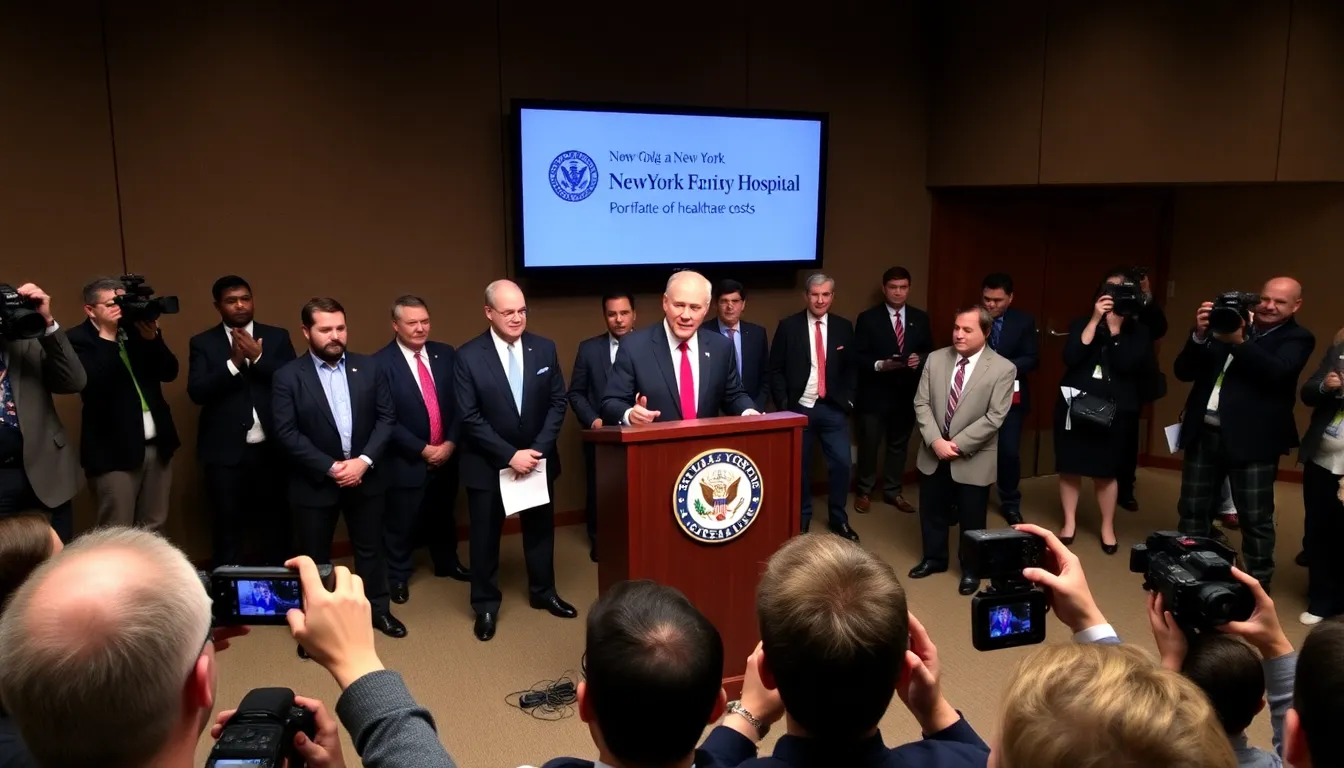
Insurance companies are also significant stakeholders in this scenario. They seek to negotiate lower rates for their policyholders and are affected by the pricing practices of hospitals. If NewYork-Presbyterian is found to have engaged in practices that kept costs artificially high, insurers may face increased pressure to adjust their pricing models, ultimately impacting premiums for consumers.
- Legal Issues: The case raises questions about compliance with antitrust laws and the potential for legal repercussions for NewYork-Presbyterian.
- Economic Impact: High healthcare costs can lead to increased insurance premiums, affecting consumers and the broader economy.
- Patient Concerns: Patients may face higher out-of-pocket expenses and limited access to affordable care if pricing practices continue.
- Market Competition: The outcome of this case may influence competitive dynamics within the healthcare sector, impacting how hospitals operate.
Overall, the interplay between these stakeholders and the issues at hand underscores the broader challenges facing the U.S. healthcare system, particularly regarding cost management and access to care. As the case unfolds, it will be crucial to monitor how these interests align or conflict, shaping the future of healthcare delivery in the region, much like the ongoing discussions around healthcare reforms.
Implications for Patients and the Healthcare Market
The recent accusations against NewYork-Presbyterian regarding anti-competitive practices have far-reaching implications for various stakeholders in the healthcare system. Patients, particularly those requiring specialized care, are at the forefront of this issue. The allegations suggest that the hospital system engaged in agreements that may have artificially inflated costs, impacting patients’ financial burdens and access to necessary treatments.
In the short term, patients may experience increased out-of-pocket expenses as insurance companies adjust their pricing structures in response to the allegations. This could lead to a rise in healthcare costs, further straining family budgets and potentially deterring individuals from seeking timely medical care. Additionally, those reliant on public or employer-sponsored insurance may find their options limited if providers withdraw from certain networks as a reaction to the ongoing scrutiny.
From a broader perspective, the healthcare market may face significant shifts. Providers and insurers may be compelled to reevaluate their contracts and pricing strategies to ensure compliance and avoid similar accusations. This could lead to a more competitive environment, where transparency and cost-effectiveness become paramount, ultimately benefiting consumers in the mid-term.

- Increased Financial Burden: Patients may face higher medical bills and limited access to affordable care.
- Market Re-evaluation: Providers and insurers may need to adjust their agreements to promote fair competition.
- Potential for Reform: The situation could catalyze policy changes aimed at enhancing transparency in healthcare pricing.
While the risks are evident, there are also potential opportunities for innovation within the healthcare sector. As patients demand more affordable options, telemedicine and alternative care models may gain traction, providing cost-effective solutions that could reshape healthcare delivery. The focus on competitive pricing may also encourage new entrants into the market, fostering innovation and improving access to care for underserved populations.
A: The U.S. alleges that NewYork-Presbyterian entered into agreements that artificially inflated prices for services, impacting both patients and insurers. A: If the accusations are proven true, patients could face higher out-of-pocket costs and limited access to affordable healthcare services. A: The hospital could face significant fines and be required to alter its pricing practices if found guilty of the charges. A: This case highlights ongoing concerns about rising healthcare costs in the U.S., which have been a significant issue for consumers and policymakers alike. A: Increased transparency in pricing and regulatory reforms may be necessary to prevent similar situations in the future.
Frequently Asked Questions About the Accusations
Key Takeaways and Future Outlook
The recent accusations against NewYork-Presbyterian highlight significant concerns regarding healthcare pricing practices in the U.S. The implications of these allegations extend beyond the hospital itself, potentially influencing broader healthcare policies and cost structures across the industry. As scrutiny increases, stakeholders will need to navigate the complexities of healthcare agreements and their impact on patient costs.
Moving forward, it will be essential to monitor how regulatory bodies respond to these claims and whether they will implement measures to enhance transparency in hospital pricing. Additionally, the outcome of this situation may prompt other healthcare institutions to reassess their pricing strategies to avoid similar scrutiny.
- Increased regulatory oversight may lead to new guidelines for hospital pricing practices.
- Healthcare providers could face pressure to adopt more transparent pricing models.
- Patients and insurers may become more vigilant in questioning cost structures and negotiating prices.
- Potential legal ramifications could reshape contractual agreements within the healthcare sector.
- Public awareness of healthcare costs may drive demand for reform and accountability in pricing practices.