
The strike, which is set to take place later this week, has raised concerns about the potential impact on patient care and the already strained National Health Service (NHS). Starmer’s warning emphasizes the urgency of the situation, as he links the cancellation of the strike to a new jobs package aimed at addressing workforce shortages in the NHS. In the context of healthcare challenges, the ongoing standoff with striking staff reflects similar dynamics.
Starmer has stated that the proposed jobs package is contingent upon the doctors’ decision to abandon their strike plans. This move is seen as an attempt to navigate the delicate balance between advocating for healthcare workers’ rights and ensuring the continuity of essential medical services.
The outcome of this ultimatum is critical, as it not only affects the immediate future of healthcare services but also highlights the broader issues within the NHS, including funding and workforce management. As the deadline approaches, both sides remain at a standstill, with significant implications for the health sector hanging in the balance.
Understanding the background of the doctors’ strike
The ongoing tensions between healthcare professionals and the government have deep roots in the UK’s National Health Service (NHS) funding and staffing crises. Over the past decade, the NHS has faced significant budget cuts, leading to increased workloads for doctors and nurses, and a growing sense of frustration among healthcare workers. This situation has been exacerbated by the COVID-19 pandemic, which placed unprecedented strain on the health system and highlighted existing vulnerabilities. The impact of external factors on healthcare systems is a pertinent discussion.
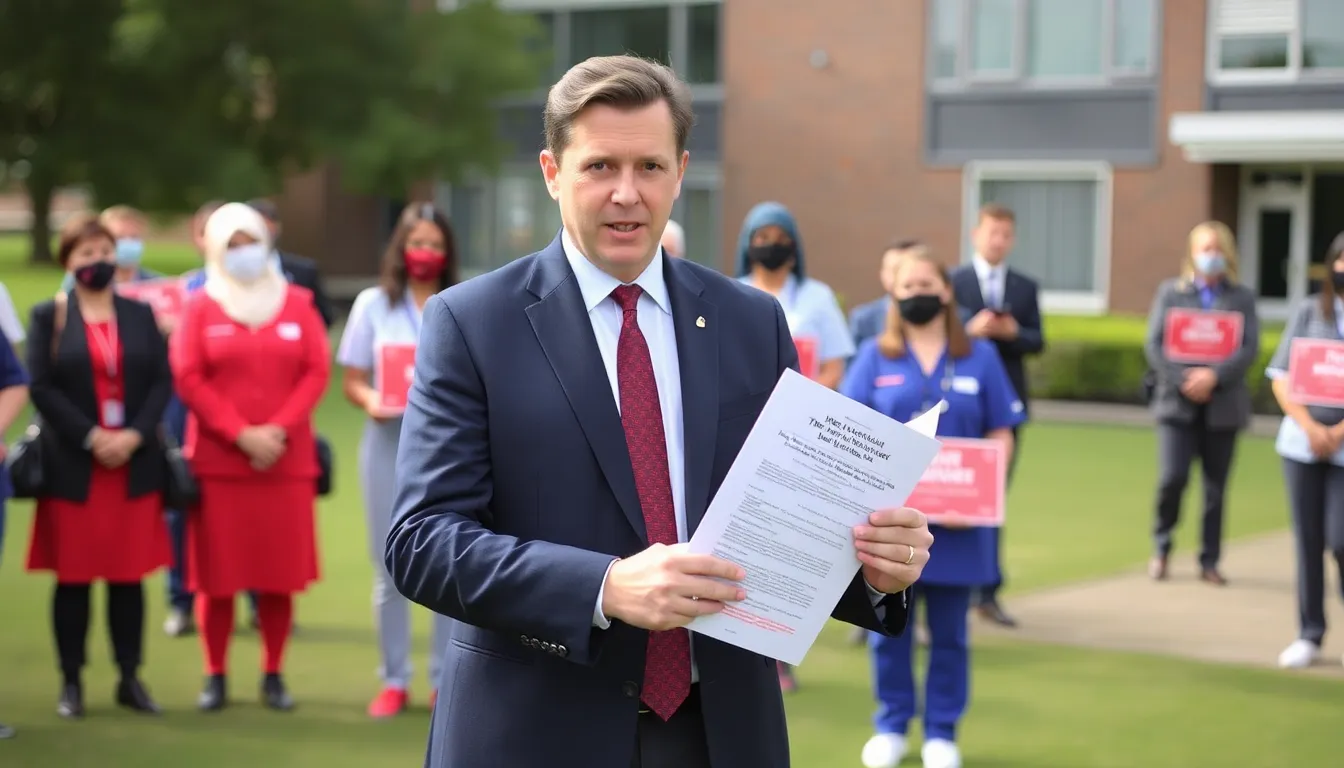
In recent years, doctors have increasingly voiced their concerns through protests and strikes, advocating for better pay and improved working conditions. The British Medical Association (BMA) has been at the forefront of these efforts, calling for fairer compensation that reflects the rising cost of living and the demands placed on medical professionals. The current strike threat marks a pivotal moment in this ongoing struggle, as it underscores the urgency of addressing these long-standing issues.
The Political Landscape
The political implications of the doctors’ strike are significant, as the government grapples with public dissatisfaction regarding healthcare services. Labour leader Keir Starmer’s ultimatum to the doctors reflects a strategic move to assert control over the situation while attempting to balance the needs of healthcare workers with the government’s fiscal constraints. This delicate dance comes amid a backdrop of increasing public scrutiny over the government’s handling of the NHS, as citizens demand improved access to care and a more robust healthcare system.
As negotiations between the BMA and the government continue, the outcome of this strike threat could set a precedent for future labor disputes within the NHS and other public sectors. The historical context of previous strikes, such as those in the 1980s and 1990s, serves as a reminder of the potential impact that collective action can have on policy and funding decisions, shaping the future of healthcare in the UK.
Analyzing the key stakeholders and issues at play
The recent ultimatum issued by Keir Starmer to doctors regarding their planned strike has brought several key stakeholders into focus. The main actors in this situation include the Labour Party, the National Health Service (NHS), healthcare professionals, and the government. Each of these groups has distinct interests that shape their responses to the ongoing negotiations.
Keir Starmer, as the leader of the Labour Party, aims to maintain public health services while also ensuring that the party remains in good standing with voters who rely on the NHS. His ultimatum to doctors to cancel the strike or risk losing a new jobs package indicates a strategic move to balance the needs of healthcare workers with the expectations of the public and party supporters.
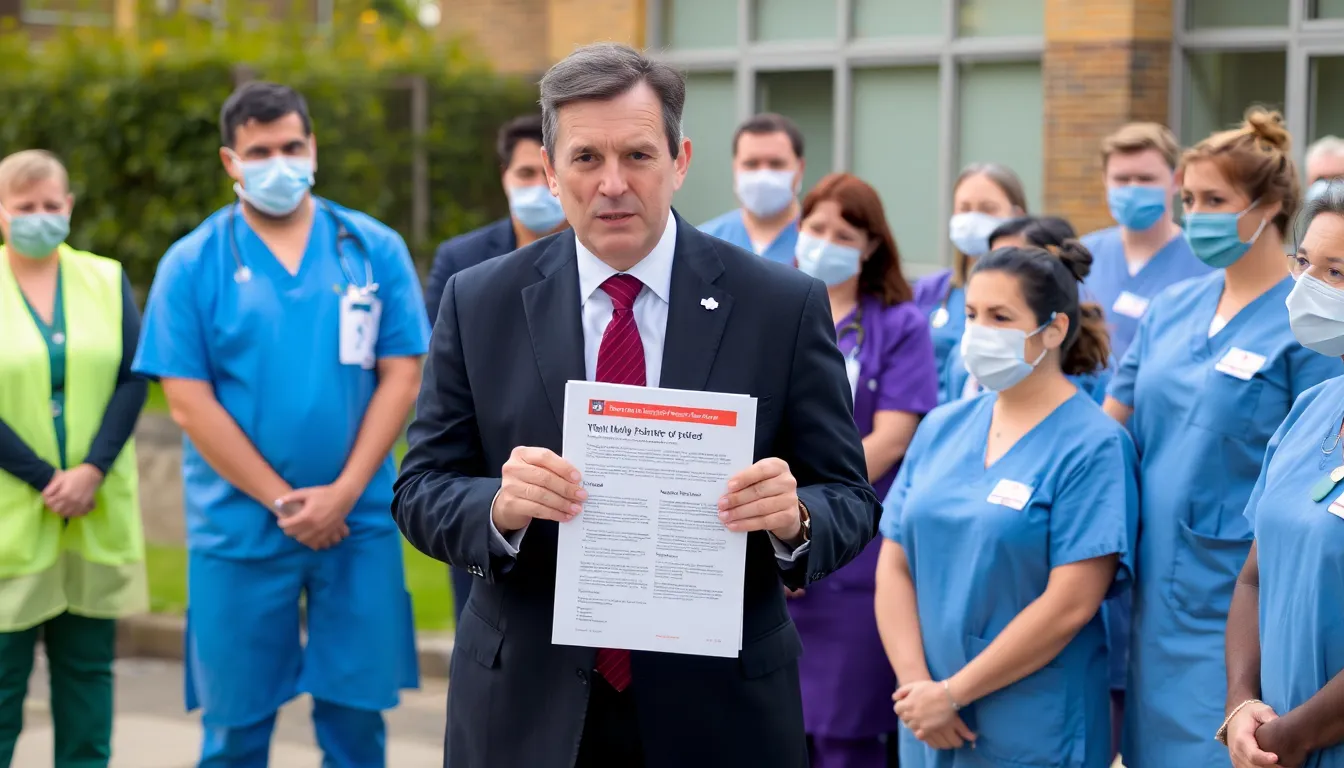
Healthcare professionals, represented by various medical unions, advocate for better working conditions, pay, and resources. Their decision to strike stems from frustrations over these issues, and they view the proposed jobs package as insufficient if not accompanied by meaningful reforms. This creates a potential conflict between their immediate needs and the long-term goals of the NHS, similar to how partner teams in sports negotiations must balance various stakeholder interests.
- Economic implications: A strike could lead to significant disruptions in healthcare services, impacting patient care and potentially increasing costs for the government.
- Legal considerations: The legality of the strike action and the government’s response could set precedents for future labor disputes within the public sector.
- Public sentiment: The public’s reaction to the strike and the government’s handling of the situation may influence future elections and public trust in the Labour Party.
In summary, the dynamics between these stakeholders illustrate a complex web of interests and potential conflicts. The outcome of this situation will likely have lasting implications for healthcare policy and labor relations in the UK.
Impact on healthcare professionals and the healthcare system
The ultimatum given by Starmer to doctors regarding the strike has significant implications for various stakeholders within the healthcare system. Primarily, healthcare professionals, including doctors, nurses, and administrative staff, find themselves at a crossroads that could affect their employment conditions and job security.
In the short term, the pressure to cancel the strike may lead to heightened stress and uncertainty among healthcare workers. Many may feel compelled to choose between advocating for their rights and securing their positions, which could result in lower morale and productivity. Additionally, patients may experience disruptions in care, as a strike could lead to postponed appointments and treatments.
In the mid-term, if the strike persists, the healthcare system could face a significant backlog of cases, further straining resources. This could lead to longer wait times for patients and potentially impact health outcomes. On the other hand, if the strike is averted and doctors accept the new jobs package, there could be an opportunity for improved working conditions and job satisfaction, which may enhance patient care.
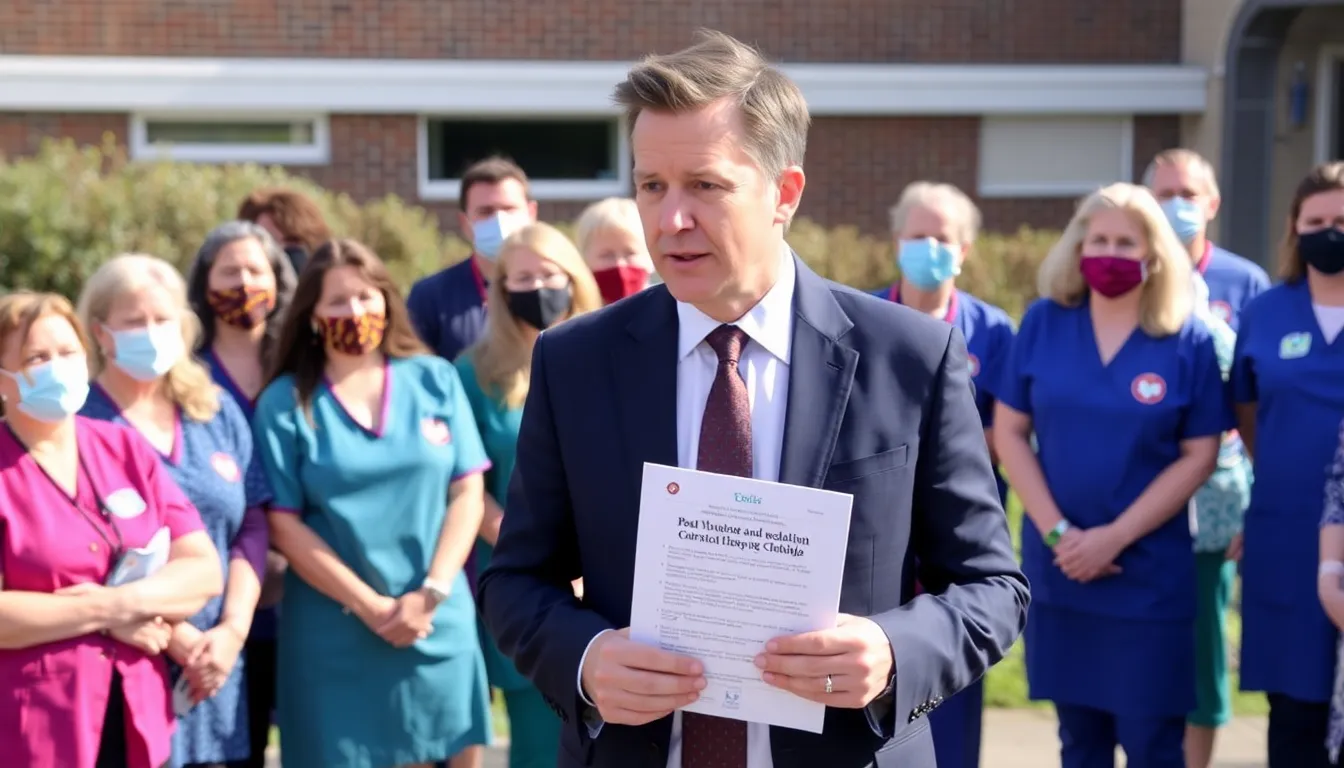
- Healthcare professionals: Increased stress and potential job insecurity.
- Patients: Possible delays in medical care and treatment.
- Healthcare system: Risk of backlog and resource strain if strike continues.
- Policy makers: Need to address underlying issues that led to the strike threat.
- Potential opportunities: Improved working conditions if the new jobs package is accepted.
Regions with higher concentrations of healthcare facilities may feel the impact more acutely, particularly in areas already facing staffing shortages. The ripple effects of this situation could extend to related industries, such as pharmaceuticals and medical supply chains, which rely on a stable healthcare workforce to function effectively.
A: The doctors are striking primarily due to concerns over pay and working conditions, which they believe have deteriorated over recent years. A: Starmer has stated that doctors must cancel their strike within 48 hours to retain access to a new jobs package aimed at improving staffing levels. A: If the strike proceeds, patients could face significant delays in receiving care, as many healthcare services may be disrupted. A: If doctors choose to continue with the strike, they risk losing the proposed jobs package, which could impact their employment opportunities. A: Public reaction has been mixed, with some supporting the doctors’ right to strike while others express concern over potential impacts on healthcare services.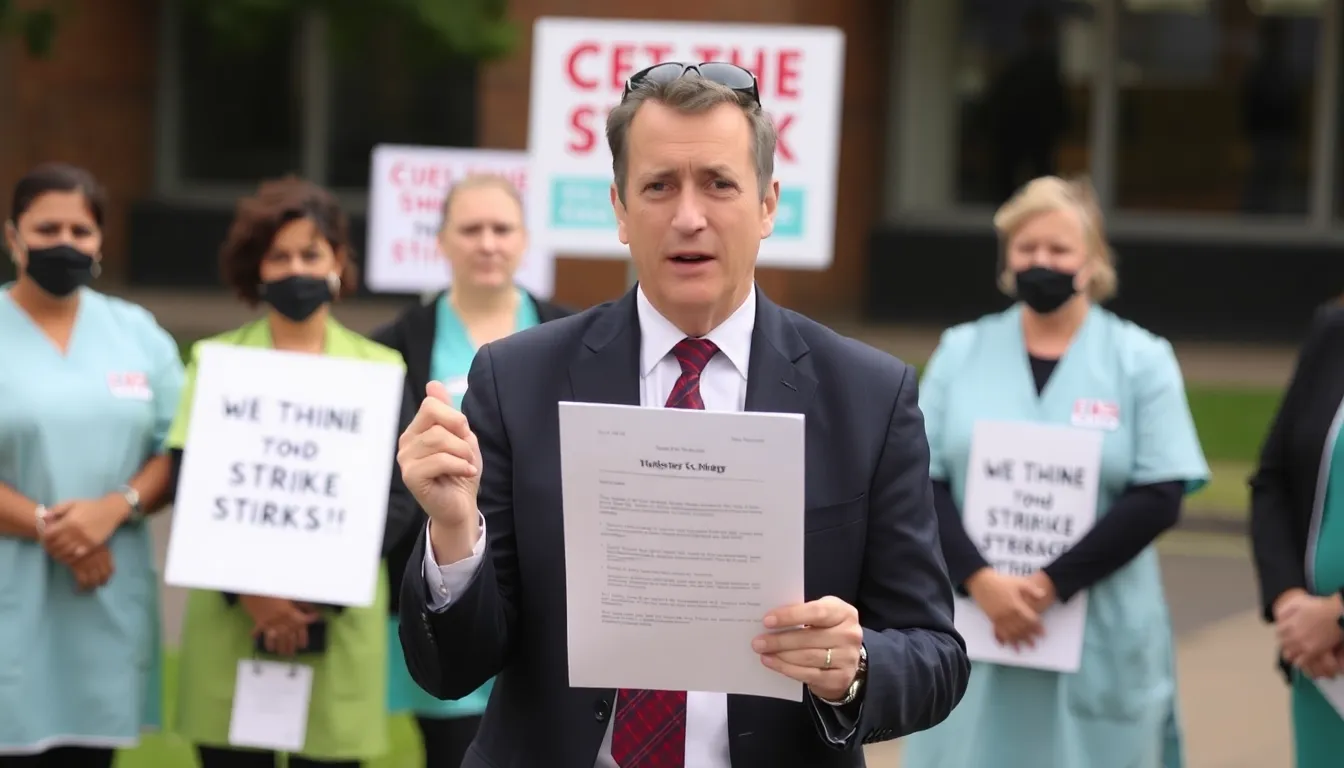
Frequently asked questions about the strike and jobs package
Key insights and future outlook on the situation
The ultimatum issued by Keir Starmer to doctors regarding their strike poses significant implications for the ongoing negotiations surrounding healthcare reforms. By setting a 48-hour deadline, Starmer not only emphasizes the urgency of the situation but also signals potential consequences for the medical community if they choose to continue their industrial action. This move may reshape the dynamics of labor relations within the NHS and influence public perception of both the government and healthcare professionals.
As the deadline approaches, several factors will be critical in determining the outcome. The response from the medical community, public sentiment, and the government’s willingness to engage in meaningful dialogue will all play pivotal roles in shaping the future landscape of healthcare policy and labor relations in the UK.
- Monitor the response from medical associations to assess the likelihood of a strike cancellation.
- Watch for public opinion shifts as the government’s stance becomes clearer in the coming days.
- Consider the potential long-term impacts on NHS staffing and recruitment if the strike proceeds.
- Evaluate how this situation may influence future negotiations between the government and healthcare workers.
- Stay alert for any emerging proposals from the government aimed at addressing doctors’ concerns post-deadline.