
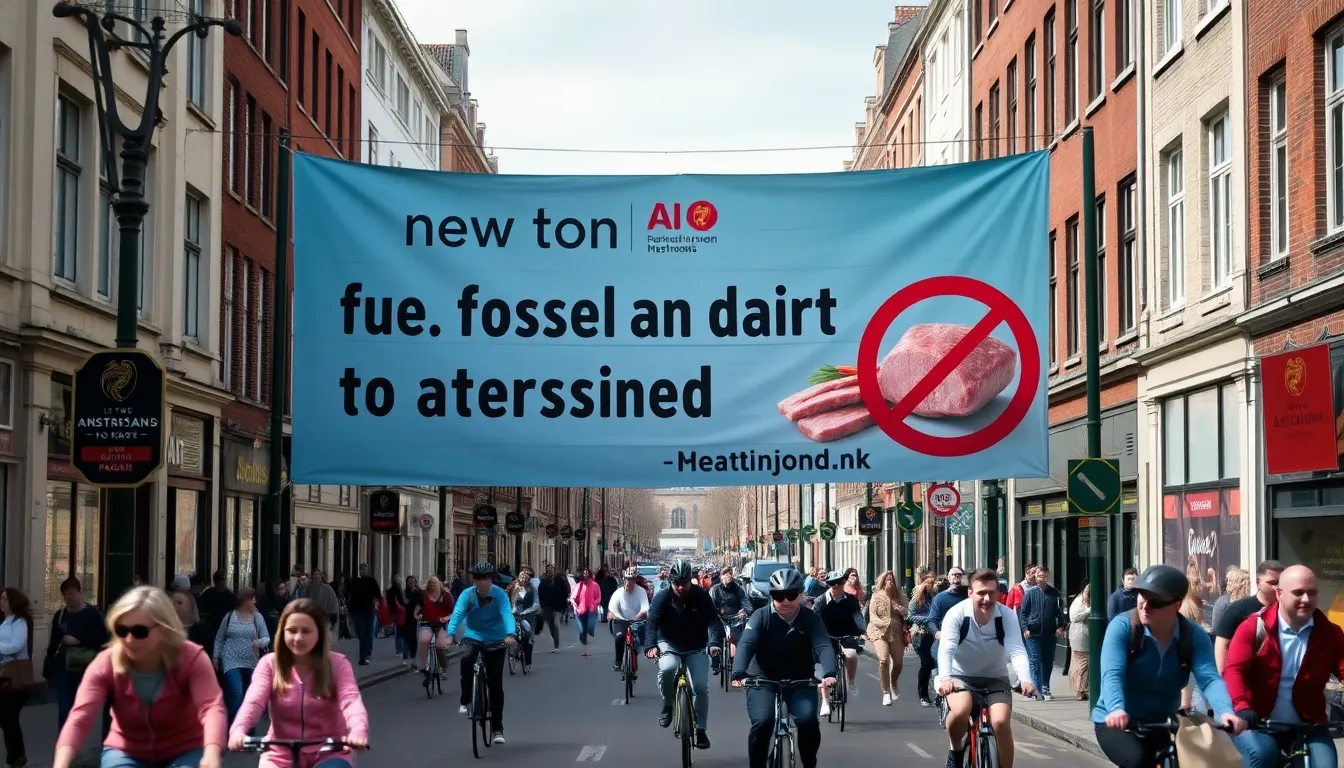
The city council, led by the Green Left party, passed the ordinance in response to growing public concern over climate change and its impact on urban living. Local officials believe that restricting such advertisements will encourage more sustainable choices among residents and visitors, fostering a greener lifestyle.
Amsterdam’s ban is part of a larger trend seen in various cities worldwide, where governments are taking proactive measures to combat climate change. By limiting the visibility of fossil fuel and meat advertisements, the city hopes to shift public perception and consumption patterns towards more environmentally friendly alternatives. This move echoes similar steps taken in cities like London, where public advertisements for meat and fossil fuels have also been restricted.
This policy has sparked discussions on the role of advertising in shaping societal norms and behaviors. Critics argue that the ban may infringe on personal freedoms, while supporters claim it is a necessary step to protect public health and the environment.
As Amsterdam moves forward with this initiative, it sets a precedent for other cities grappling with similar challenges. The effectiveness of this ban in achieving its intended goals will be closely monitored, potentially influencing future legislative efforts in urban centers globally.
Understanding the background of Amsterdam’s advertising policies
Amsterdam, known for its progressive values and open-minded culture, has taken significant steps toward addressing climate change and promoting sustainable living. The recent decision to ban advertisements for fossil fuels and meat products is a culmination of years of advocacy and growing public awareness regarding environmental issues. This decision aligns with global efforts such as those outlined in the Paris Agreement, where countries committed to tackling climate change.
The historical context of this decision can be traced back to the early 2000s when the Netherlands began implementing policies aimed at reducing carbon emissions. The Dutch government recognized the need for a transition to a more sustainable economy, which included promoting renewable energy and reducing reliance on fossil fuels. This shift was further fueled by the Paris Agreement in 2015, where countries committed to limiting global warming, prompting local governments to take more decisive action.
In Amsterdam, the local government has made sustainability a core component of its urban planning and public policy. Key milestones include the introduction of the Amsterdam Climate Agreement in 2018, which set ambitious goals for reducing greenhouse gas emissions. The city also launched initiatives to encourage cycling, improve public transport, and promote plant-based diets, all aimed at fostering a healthier environment. The ban on certain advertisements is seen as an extension of these efforts, targeting industries that contribute significantly to carbon emissions.
Public Sentiment and Activism
The rise of environmental activism has played a critical role in shaping public sentiment around these policies. Movements such as Extinction Rebellion and local grassroots organizations have mobilized citizens, raising awareness about the detrimental impact of fossil fuels and meat consumption on the planet. This activism has not only influenced public opinion but has also pressured policymakers to adopt more stringent regulations. The ban on advertisements for these products is a direct response to the growing demand for a more sustainable and responsible approach to urban living.
Key stakeholders and issues surrounding the advertising ban
The recent ban on advertisements for fossil fuels and meat in Amsterdam has brought various stakeholders into the spotlight. Key actors include the local government, environmental organizations, the advertising industry, and businesses in the fossil fuel and meat sectors. Each of these stakeholders has distinct interests and concerns regarding the implications of this ban.
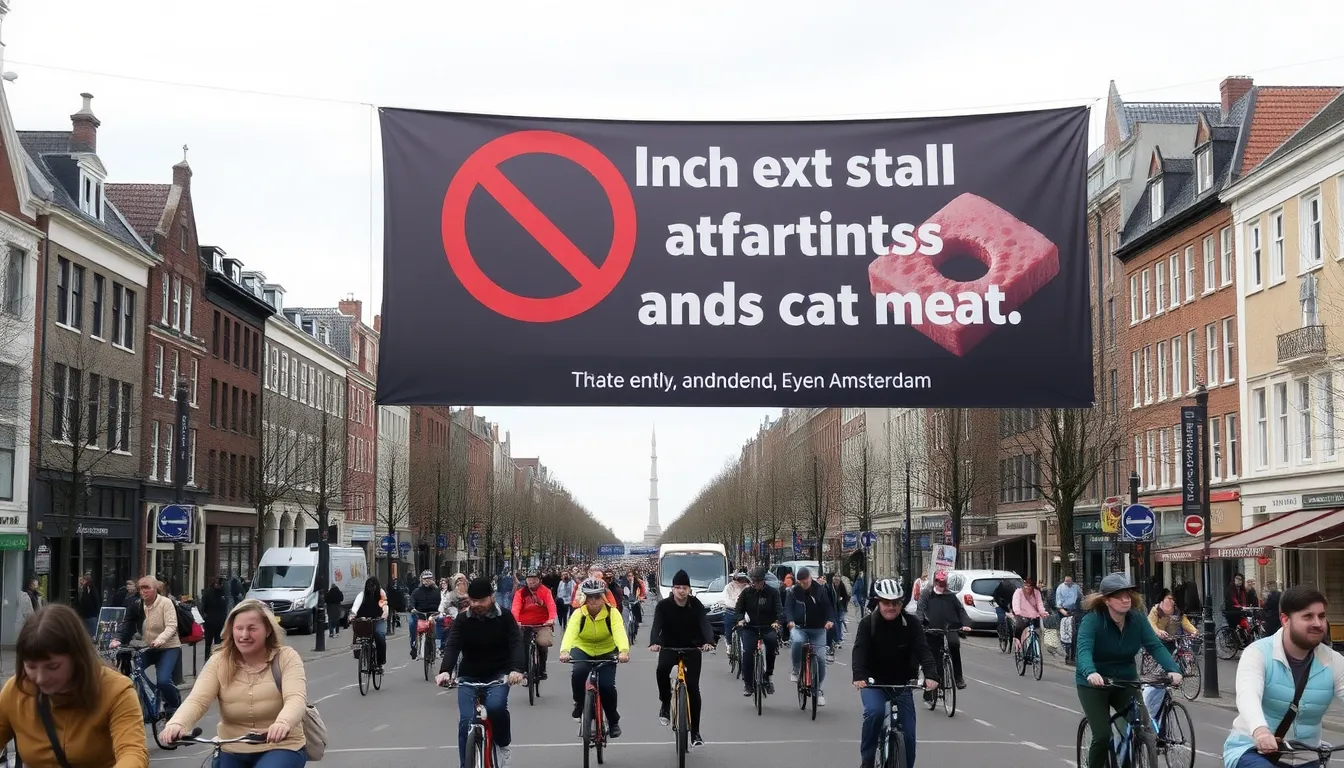
The local government, led by progressive policymakers, aims to position Amsterdam as a leader in sustainability and climate action. Their interest lies in reducing greenhouse gas emissions and promoting healthier lifestyles among residents. In contrast, businesses in the fossil fuel and meat industries view the ban as a threat to their operations and market visibility, fearing a decline in consumer demand.
Environmental organizations, such as Greenpeace and local advocacy groups, support the ban as a necessary step towards combating climate change. They argue that reducing the visibility of harmful products can lead to lower consumption rates. However, this raises concerns about freedom of speech and the rights of businesses to market their products. The advertising industry, meanwhile, is caught in the middle, as they must navigate the legal implications of the ban while also considering the economic impact on their clients, echoing discussions seen in more general contexts about regulatory challenges, such as inflation and economic policy.
- Legal issues: The ban raises questions about the legality of restricting advertisements based on product type.
- Economic trade-offs: The potential loss of revenue for businesses and advertisers could impact local economies.
- Public perception: How the ban influences public attitudes towards fossil fuels and meat consumption remains uncertain.
- Health implications: The ban may lead to a shift in consumer behavior towards healthier alternatives.
- Global impact: Amsterdam’s decision could inspire other cities to implement similar bans, affecting international markets.
As the debate continues, stakeholders must grapple with the balance between promoting sustainability and respecting economic freedoms. The outcome of this ban could set a precedent for future regulations in other urban areas worldwide.
Potential impacts on businesses and consumers in Amsterdam
The recent ban on advertisements for fossil fuels and meat in Amsterdam is set to affect various stakeholders, including local businesses, consumers, and environmental organizations. The move aims to promote sustainability and reduce the city’s carbon footprint, but it also poses challenges for certain industries that rely heavily on these sectors.
In the short term, businesses related to fossil fuels and meat production may experience a decline in visibility and market engagement. This could lead to reduced sales and a potential loss of consumer interest. On the other hand, companies focused on sustainable products, such as plant-based foods and renewable energy solutions, may find new opportunities for growth as consumers seek alternatives.
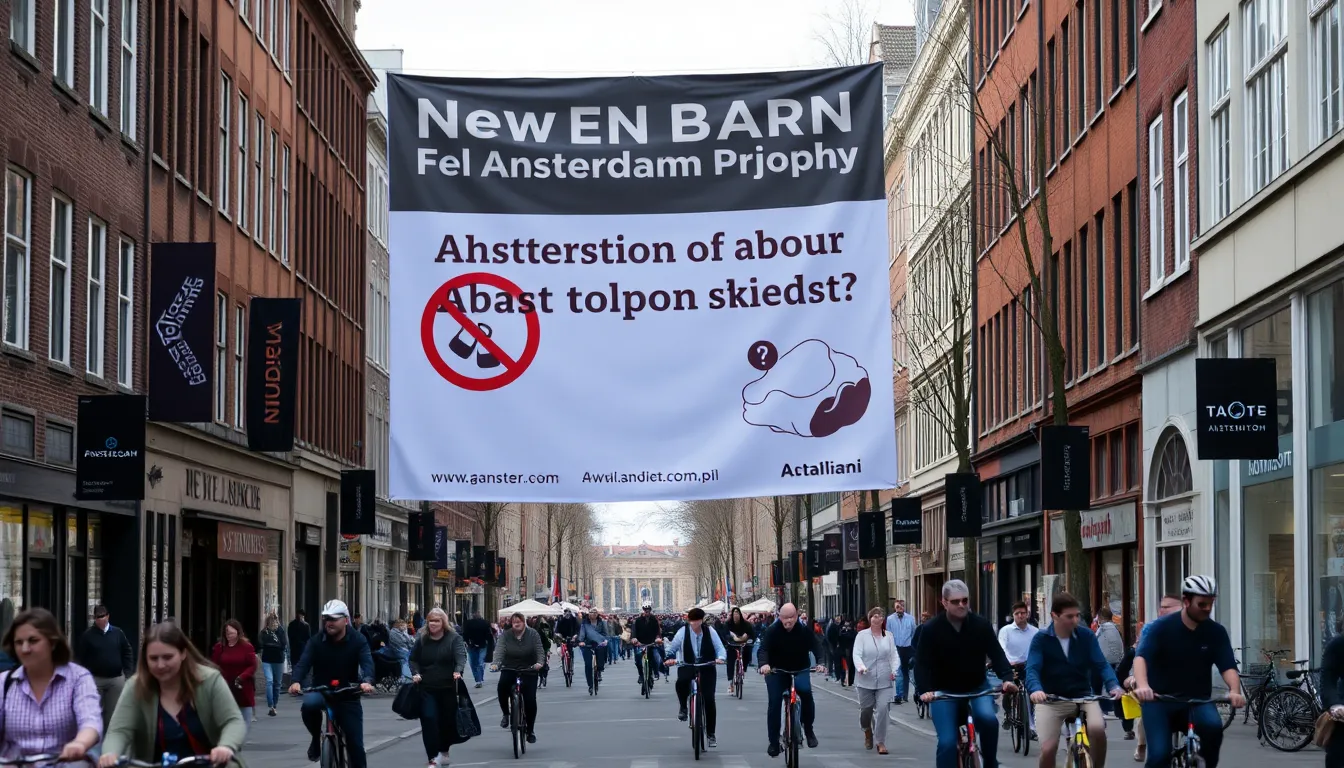
In the mid-term, the policy could reshape consumer behavior in Amsterdam. As residents become more aware of the environmental impacts associated with fossil fuels and meat consumption, there may be a shift towards more sustainable lifestyles. This change could encourage local markets to adapt their offerings, promoting plant-based diets and renewable energy sources.
- Negative impacts: Decreased advertising opportunities for fossil fuel and meat industries.
- Positive impacts: Growth in sustainable product markets and increased consumer interest in eco-friendly alternatives.
- Policy implications: Potential for further regulations aimed at reducing carbon emissions and promoting sustainability.
While the ban presents risks for traditional industries, it also opens doors for innovation and investment in green technologies. Businesses that pivot towards sustainable practices could benefit from enhanced brand loyalty and a competitive edge in a rapidly evolving market.
A: The ban is part of Amsterdam’s broader strategy to combat climate change and promote sustainable practices. By eliminating ads for fossil fuels and meat, the city aims to encourage more environmentally friendly choices among residents. A: The ban on advertisements for fossil fuels and meat is set to take effect in early 2024, giving businesses time to adjust their marketing strategies. A: Local businesses that rely on advertising fossil fuels or meat products will need to explore alternative marketing strategies. This could lead to a shift towards promoting sustainable products and services. A: Currently, the ban applies broadly, but there may be exceptions for educational campaigns that inform the public about climate change and sustainability. A: Public response has been mixed, with some residents applauding the initiative for its environmental focus, while others express concerns about its impact on personal choice and local economy.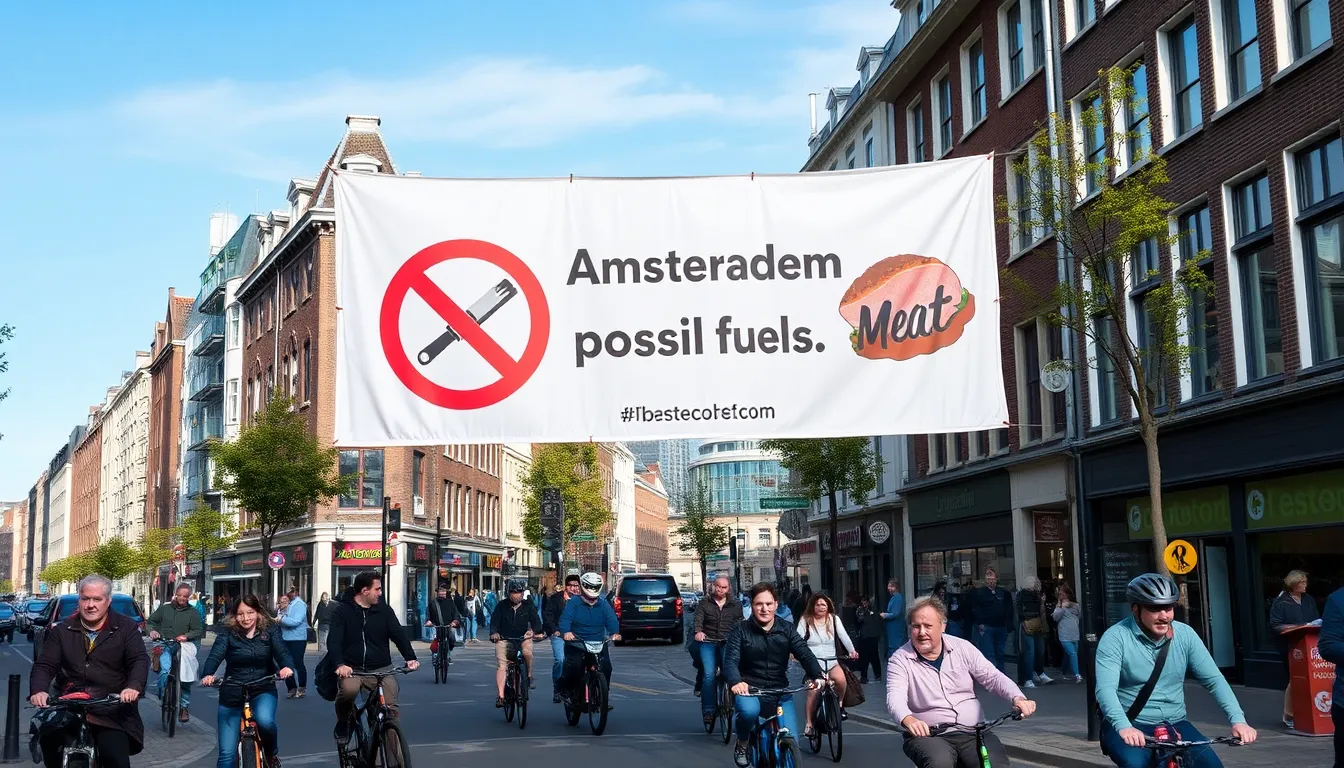
Frequently asked questions about the advertising ban
Looking ahead: implications and future of advertising in Amsterdam
The recent ban on advertisements for fossil fuels and meat in Amsterdam marks a significant shift in the city’s approach to public messaging and environmental responsibility. This decision reflects a growing awareness of the urgent need to address climate change and promote sustainable practices. As Amsterdam takes this bold step, it sets a precedent that may influence other cities and regions to adopt similar measures, reshaping the landscape of advertising and consumer behavior.
As the implications of this ban unfold, stakeholders in various sectorsincluding advertisers, businesses, and policymakerswill need to adapt to a new reality. The focus will likely shift toward promoting greener alternatives and sustainable choices, paving the way for innovative marketing strategies that align with environmental goals.
- Shift in advertising strategies: Companies will need to pivot towards promoting sustainable products and services, creating opportunities for brands that align with eco-friendly values.
- Potential economic impacts: Industries reliant on fossil fuels and meat may face financial challenges as consumer preferences shift and regulations tighten.
- Increased public awareness: The ban could lead to greater public consciousness about environmental issues, encouraging more individuals to consider their consumption choices.
- Influence on policy: This initiative may inspire similar policies in other cities, prompting a broader movement towards sustainable advertising practices worldwide.
- Innovation in marketing: Brands will likely invest in creative campaigns that highlight sustainability, fostering a competitive edge in an evolving market.