
In urban areas, the situation is even more dire. Cities like San Francisco and New York have seen rental prices climb to unprecedented levels, with average rents now exceeding $3,000 per month. This trend has prompted local governments to explore various measures, including rent control and increased funding for public housing projects, yet these efforts have met with limited success. For more on rising costs in urban settings, see our article on U.S. gas prices.
Moreover, the COVID-19 pandemic has exacerbated the housing crisis, as millions of Americans faced job losses and economic uncertainty. The expiration of federal eviction moratoriums in August 2021 further intensified the struggle for many renters, leading to a surge in eviction filings across the country.
Key stakeholders, including housing advocates and policymakers, are calling for urgent reforms to address the growing disparity in housing access. Initiatives such as the proposed Build Back Better plan aim to allocate significant federal funding towards affordable housing development, but debates over budget allocations and priorities continue to stall progress. Understanding the broader economic context is essential; read about the implications of rising oil prices in our article on the UK government’s readiness for oil price fluctuations.
Understanding the historical context of housing policies
The issue of affordable housing has deep roots in the socio-economic fabric of many nations, particularly in urban areas where demand far exceeds supply. Historically, the post-World War II era saw a significant increase in housing development, driven by government initiatives aimed at accommodating returning veterans and their families. The G.I. Bill, for instance, facilitated home ownership through low-interest loans, which inadvertently led to suburban sprawl and the marginalization of urban centers.
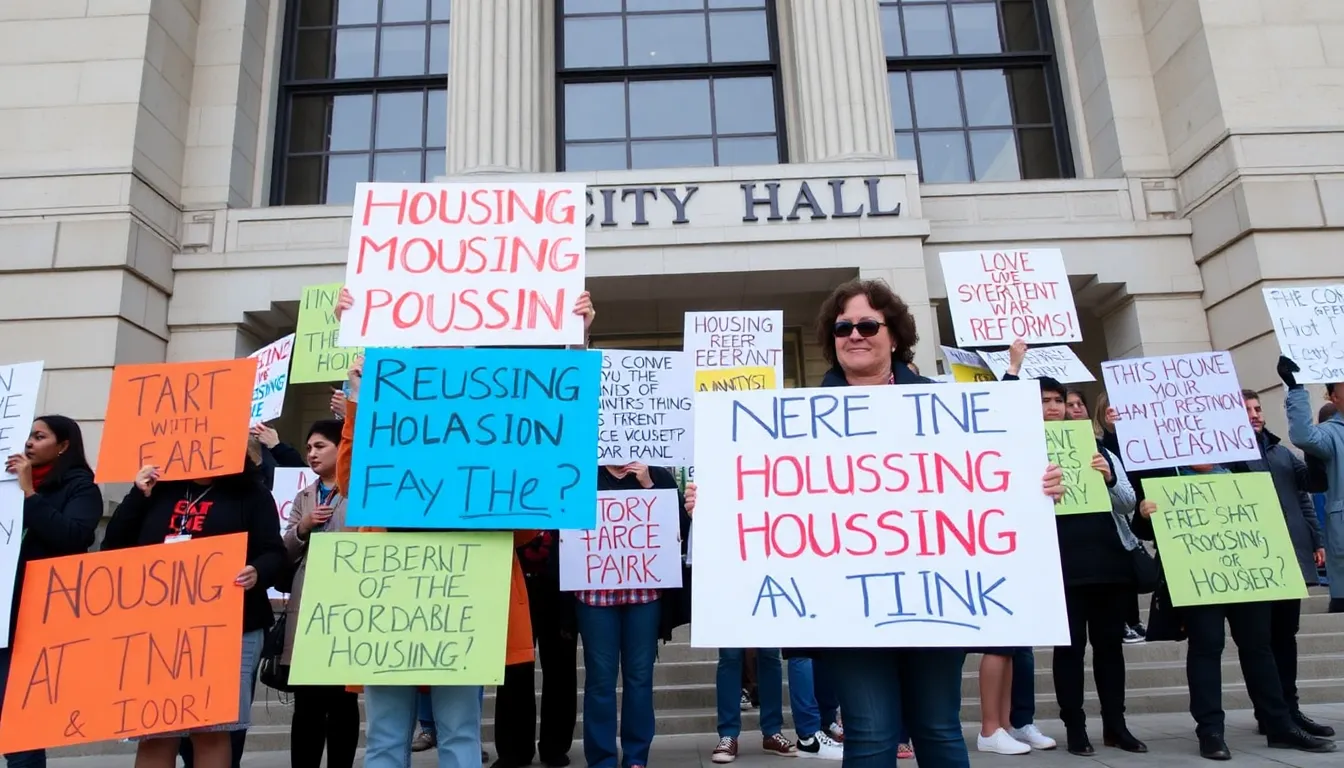
As the decades progressed, various political decisions shaped the landscape of housing policies. The 1970s energy crisis and subsequent economic downturns prompted a shift in focus from building new homes to maintaining existing ones. This shift, coupled with the rise of neoliberal economic policies in the 1980s, led to a reduction in public housing investments and a growing reliance on private developers to meet housing needs. The deregulation of the housing market created opportunities for profit but often resulted in increased rents and displacement of lower-income families.
The impact of zoning laws
Zoning laws have played a crucial role in determining the availability of affordable housing. Many cities adopted restrictive zoning practices that favored single-family homes over multi-family units, effectively limiting the supply of affordable housing options. These regulations often reflect the interests of existing homeowners, who may resist changes that could alter the character of their neighborhoods. As a result, the gap between housing demand and supply has widened, making affordable housing a distant prospect for many.
In recent years, the conversation around housing has evolved, with increasing awareness of the need for inclusive policies. Movements advocating for affordable housing have emerged, highlighting the importance of addressing systemic inequalities that have perpetuated the housing crisis. Despite these efforts, the combination of historical neglect, economic pressures, and political inertia continues to challenge the realization of affordable housing for all. The intersection of these issues reflects broader economic shifts, much like the transformations in the automotive industry discussed in our coverage of how Honda is changing its electric vehicle plans.
Key stakeholders and their roles in the housing crisis
The affordable housing crisis involves a diverse array of stakeholders, each with distinct interests and influences. Key actors include government agencies, non-profit organizations, private developers, and community residents. Understanding their roles and perspectives is essential to grasp the complexities of the issue.
Government agencies at local, state, and federal levels are tasked with creating policies that promote affordable housing. Their interests often align with public welfare and economic stability, but they may face budget constraints and political pressures that complicate their efforts. For instance, zoning laws and land-use regulations can hinder the development of affordable housing units, reflecting a conflict between community desires for low-density living and the need for increased housing supply.
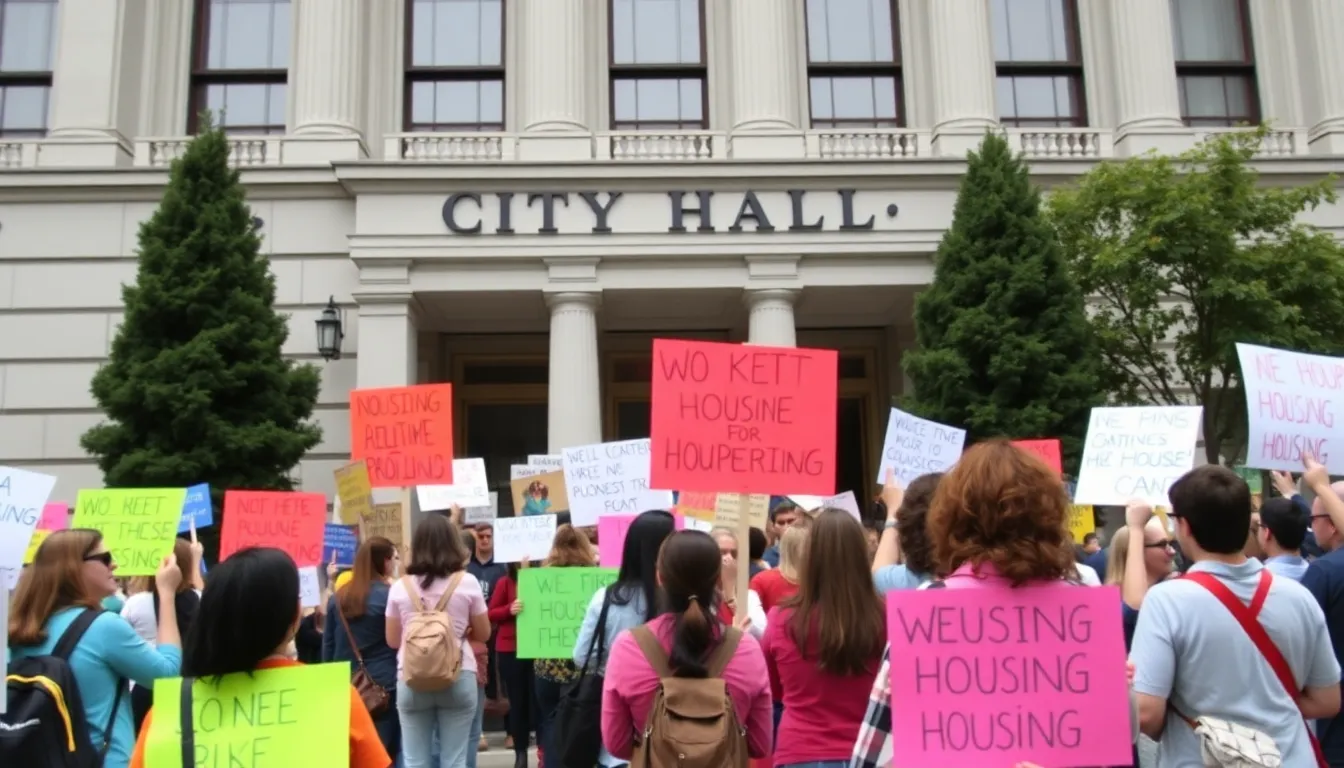
Non-profit organizations play a critical role in advocating for affordable housing and providing support services to low-income families. These organizations often work to bridge the gap between government initiatives and community needs. However, they may struggle with funding limitations and competition for resources, which can affect their ability to deliver essential services. Their advocacy efforts can sometimes clash with the interests of developers who prioritize profit over social impact.
Private developers are motivated by profit and market demands, which can lead to tensions with community stakeholders advocating for affordable housing. While they can contribute to the housing supply, their focus on high-end developments may exacerbate the affordability crisis. This creates a trade-off between economic growth and the provision of affordable options for lower-income residents.
- Community residents: Often directly impacted by housing policies, they advocate for their needs but may face challenges in influencing decision-making processes.
- Investors: Seek financial returns on real estate projects, which can lead to prioritization of luxury developments over affordable housing.
- Policy advocates: Work to influence legislation and funding decisions, often emphasizing the need for sustainable and equitable housing solutions.
The intersection of these stakeholders reveals a complex web of conflicts and trade-offs. Legal frameworks surrounding housing development, such as rent control laws and tenant protections, further complicate the landscape. Understanding these dynamics is crucial for addressing the affordable housing crisis effectively.
Who is affected by the lack of affordable housing
The lack of affordable housing impacts a wide range of groups, including low- and middle-income families, young professionals, and vulnerable populations such as the elderly and disabled. These communities often struggle to find suitable living conditions within their financial means, leading to increased housing insecurity and displacement.
Industries such as real estate, construction, and social services are also affected. The real estate market may experience stagnation as potential buyers are priced out, while construction companies face increased demand for affordable units that they may not be able to meet due to rising material costs. Social services may see a spike in demand as families seek assistance with housing-related issues.
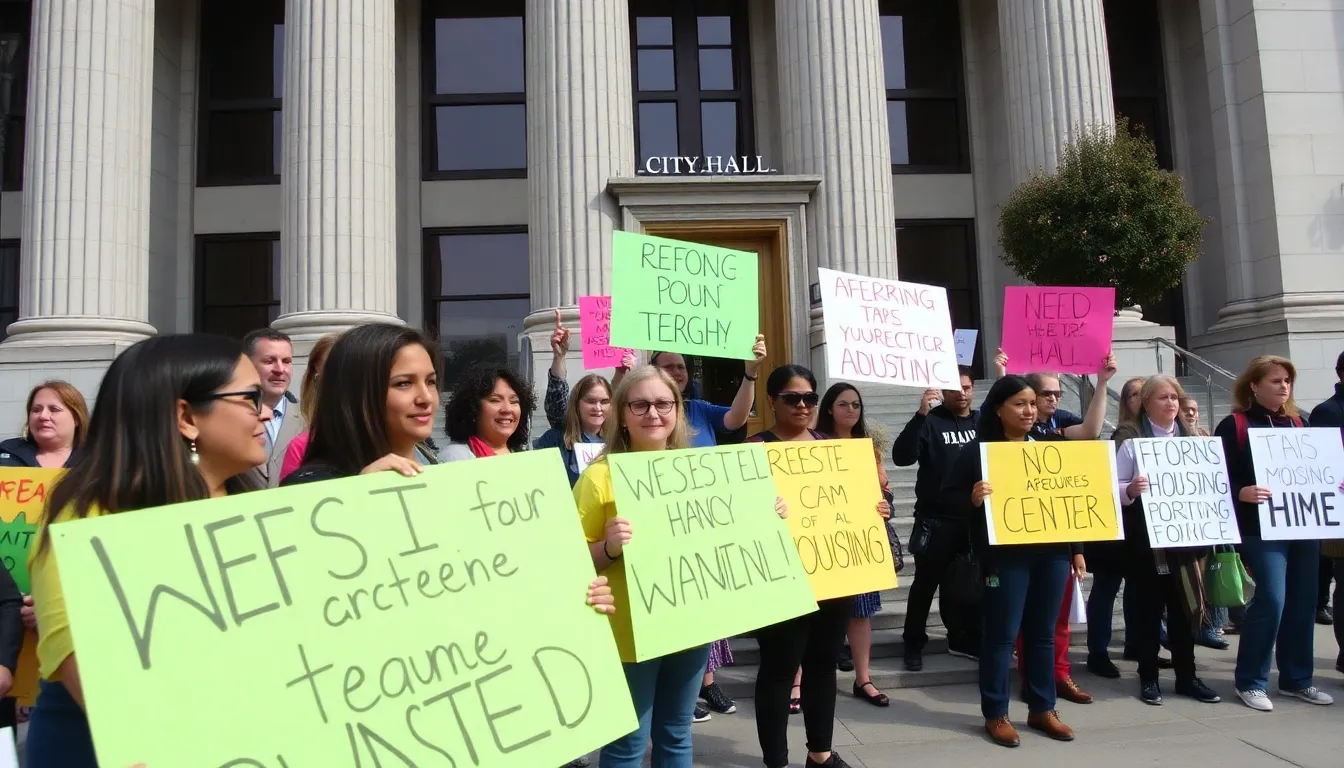
In the short term, the lack of affordable housing can lead to increased homelessness, strained public services, and higher rates of mental health issues among those impacted. In the mid-term, businesses may struggle to attract talent if potential employees cannot find affordable housing options in the area, leading to a potential labor shortage.
- Increased housing insecurity: Families may face eviction or have to move frequently.
- Economic strain: Local businesses may suffer from a lack of workforce.
- Policy changes: Governments may be pressured to implement new housing policies or subsidies.
While the risks are significant, there are potential opportunities as well. The push for affordable housing could lead to innovative housing solutions, such as co-housing or modular homes. Additionally, community-driven initiatives may foster collaboration among residents, local businesses, and policymakers to address housing challenges more effectively.
A: The rise in housing prices is attributed to various factors including increased demand, limited supply, and economic conditions that favor investors over first-time buyers. A: Communities can address the crisis by advocating for policy changes, increasing funding for affordable housing projects, and promoting inclusive zoning laws. A: Local governments play a crucial role by implementing housing policies, providing funding, and facilitating partnerships with developers to create affordable units. A: Yes, several cities have implemented successful models, such as community land trusts and mixed-income developments, which can provide sustainable solutions. A: Individuals can help by supporting local housing initiatives, participating in community meetings, and advocating for policies that promote affordable housing.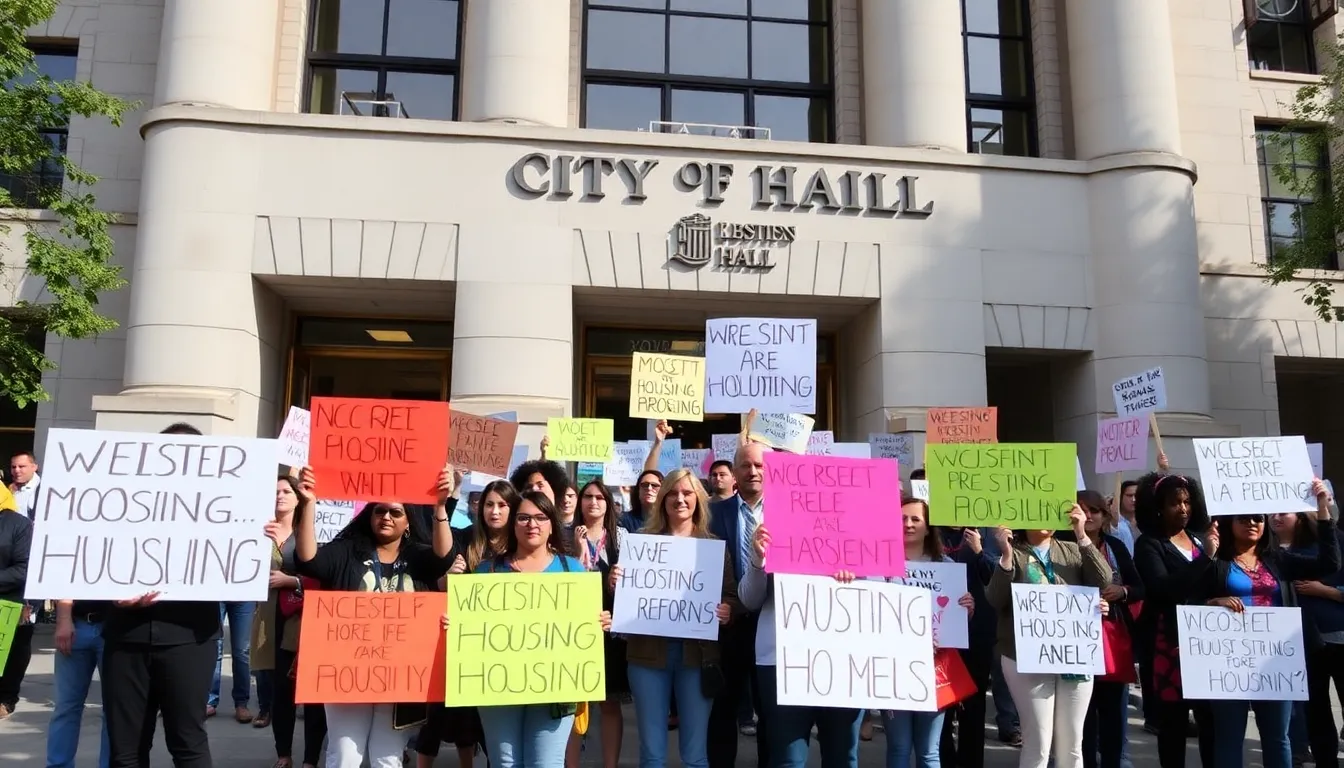
Frequently asked questions about affordable housing
Looking ahead: potential solutions and insights
The challenges surrounding affordable housing are multifaceted, requiring a collaborative approach among stakeholders, including government entities, private developers, and community organizations. As urban populations continue to grow, the pressure on housing markets intensifies, making it essential to explore innovative strategies that can bridge the gap between demand and supply.
Monitoring trends in housing policy, investment in infrastructure, and community engagement will be critical in shaping the future landscape of affordable housing. By prioritizing sustainable practices and inclusive development, there is potential to create environments where affordable housing is not just a distant prospect but a tangible reality.
- Advocate for policies that incentivize affordable housing development, such as tax breaks or grants for developers.
- Encourage public-private partnerships to leverage resources and expertise in creating affordable housing solutions.
- Support community-led initiatives that promote local involvement in housing projects, ensuring they meet the needs of residents.
- Monitor emerging trends in housing technology that could reduce construction costs and increase efficiency.
- Emphasize the importance of zoning reforms that allow for diverse housing types and higher density in urban areas.