
The decision comes as the deadline for a potential ban on TikTok approaches, which has created a sense of urgency among stakeholders. The U.S. government has been considering various measures to mitigate perceived risks associated with the app, leading to intense discussions between investors and officials. This situation highlights the complexities of international business operations in an increasingly regulated environment, as explored in our article on [UK government preparedness for rising oil prices](https://primeinsightsnews.com/uk-government-oil-prices-prepared/).
Key players in this scenario include major investment firms that have backed TikTok’s parent company, ByteDance. These investors are now faced with the challenge of navigating the legal and financial implications of the proposed fee while ensuring the app’s continued operation in the U.S. market. As negotiations unfold, the outcome could set a precedent for how similar cases are handled in the future, much like the recent interactions involving the [London mayor and AI company Anthropic](https://primeinsightsnews.com/london-mayor-anthropic-ai-engagement/).
The implications of this hefty fee extend beyond TikTok, potentially affecting other foreign tech companies operating in the U.S. The administration’s stance may influence future investments and partnerships, as companies weigh the risks of compliance with U.S. regulations. As the situation develops, it remains to be seen how both investors and the government will respond to the evolving landscape of digital privacy and security.
Understanding the regulatory landscape surrounding TikTok
The emergence of TikTok as a global social media platform has been accompanied by significant scrutiny and regulatory challenges, particularly in the United States. Launched in 2016 by the Chinese company ByteDance, TikTok quickly gained popularity among younger audiences, amassing over a billion users worldwide. However, its rapid growth has raised concerns among U.S. lawmakers regarding data privacy, national security, and the influence of foreign entities on American citizens.

In 2020, the Trump administration took a strong stance against TikTok, citing fears that the app could be used by the Chinese government to collect sensitive data from American users. This led to an executive order that aimed to ban the app unless it was sold to a U.S. company. The proposed ban highlighted the growing tensions between the U.S. and China, particularly in the tech sector, where issues of data sovereignty and cybersecurity have become prominent.
Key Milestones in TikTok’s Regulatory Journey
Several key milestones have shaped the regulatory landscape for TikTok. In August 2020, President Trump signed an executive order demanding the divestiture of TikTok’s U.S. operations, which sparked a flurry of negotiations involving potential buyers, including Oracle and Walmart. However, legal challenges ensued, and the ban was temporarily blocked by U.S. courts, allowing TikTok to continue operating while the legal and regulatory framework evolved, much like the recent recognition of the [Paddington musical at the WhatsOnStage awards](https://primeinsightsnews.com/paddington-musical-shines-at-whatsonstage-awards/).
As the Biden administration took office in 2021, it initiated a review of the previous administration’s actions regarding TikTok, indicating a potential shift in approach. Nonetheless, the underlying concerns about data privacy and national security remained, leading to ongoing discussions about the need for stricter regulations on foreign-owned tech companies. As negotiations and legal battles continue, the prospect of a substantial financial fee imposed on TikTok investors by the Trump administration underscores the complexities surrounding foreign investments in critical technology sectors.
Analyzing the stakeholders involved in the TikTok fee situation
The ongoing negotiations surrounding TikTok’s potential $10 billion fee to the Trump Administration involve multiple stakeholders, each with distinct interests and concerns. Key actors include TikTok’s parent company, ByteDance, various U.S. government entities, investors, and the broader public, all of whom are navigating a complex landscape of legal, economic, and social implications.
ByteDance, the Chinese company that owns TikTok, is primarily focused on maintaining its operations in the U.S. and avoiding a forced sale or ban of its platform. The hefty fee proposed by the Trump Administration could be seen as a means to secure national security concerns while allowing TikTok to continue its services. However, this raises questions about the precedent it sets for foreign companies operating in the United States.

On the government side, the Trump Administration has framed the fee as a necessary measure to address security risks associated with foreign ownership of social media platforms. This stance is supported by various lawmakers who argue that TikTok could potentially compromise user data. However, critics argue that such a fee could be viewed as an extortion tactic, raising ethical and legal questions about the government’s role in regulating foreign investments.
- Economic Impact: The fee could significantly affect TikTok’s valuation and its investors’ returns, leading to potential shifts in the tech investment landscape.
- Legal Ramifications: The legality of imposing such a fee may face scrutiny in courts, particularly regarding the rights of foreign entities operating in the U.S.
- Public Sentiment: The American public’s perception of TikTok and its Chinese ownership may influence political pressures and regulatory decisions.
- Investor Concerns: Investors in TikTok may face uncertainty regarding the platform’s future and its compliance with U.S. regulations.
- Geopolitical Tensions: The situation could exacerbate existing tensions between the U.S. and China, impacting broader trade relations.
Ultimately, the interplay between these stakeholders illustrates a broader narrative of national security versus economic interests, raising critical questions about the future of international business in a rapidly evolving digital landscape.
The potential impact on TikTok’s operations and investors
The recent decision by TikTok investors to pay a $10 billion fee to the Trump administration is set to create ripple effects across various groups and industries. Primarily, this move will impact technology companies, social media platforms, and investors heavily involved in the digital economy. The ramifications will also extend to content creators and users who rely on TikTok for income and engagement.
In the short term, businesses that depend on TikTok for advertising and outreach may face uncertainty. Brands that have integrated TikTok into their marketing strategies could find themselves reassessing their plans as the platform navigates regulatory scrutiny. Additionally, creators who monetize their content through the app may experience disruptions, impacting their income streams and audience engagement.
In the mid-term, the situation could lead to shifts in policy regarding data privacy and international business operations. Companies may need to adapt to new regulations, which could reshape the competitive landscape of social media. The focus on compliance could foster innovation in data protection technologies, presenting opportunities for cybersecurity firms and legal advisors.

- Investors: Potential financial losses or gains depending on TikTok’s market performance.
- Content Creators: Disruption in income and audience engagement.
- Advertisers: Need to pivot marketing strategies due to platform uncertainty.
- Regulatory Bodies: Increased focus on data privacy and compliance frameworks.
While challenges are evident, there are also potential opportunities. Companies that can adapt quickly may find new avenues for growth, particularly in developing alternative platforms or enhancing existing services. The situation may encourage a more robust dialogue around digital rights and consumer protections, leading to more favorable policies in the long run.
A: The fee is associated with regulatory compliance and potential penalties imposed by the Trump administration due to national security concerns regarding TikTok’s data practices. A: The fee could strain TikTok’s financial resources, potentially impacting its ability to invest in growth and innovation within the U.S. market. A: Yes, it is anticipated that TikTok investors may seek legal recourse to challenge the fee, arguing it is excessive and unjustified. A: This situation may set a precedent for how social media companies are regulated in the U.S., affecting their operations and investment strategies. A: Investors should closely monitor regulatory developments and assess the potential risks and rewards associated with their investments in TikTok.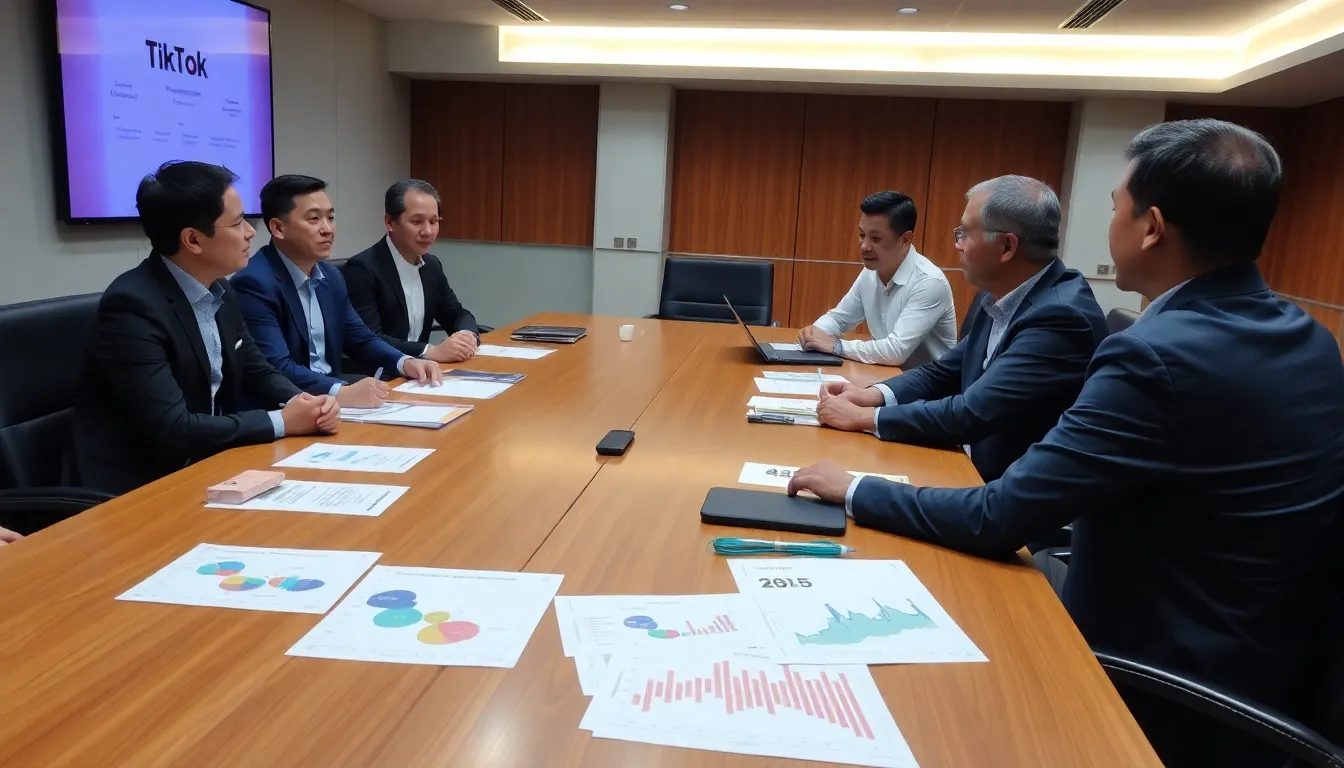
Frequently asked questions about the TikTok fee
Key takeaways and future outlook for TikTok investors
The recent decision requiring TikTok investors to pay a substantial fee to the Trump administration underscores the complexities of navigating regulatory landscapes in the tech industry. This move not only reflects heightened scrutiny over foreign investments but also signals a potential shift in how digital platforms operate within the U.S. market. Investors must now reassess their strategies and consider the broader implications of such regulatory actions.
As the situation develops, it is crucial for stakeholders to remain vigilant and adaptable. Future negotiations and policy changes could reshape the operational framework for TikTok and similar platforms, influencing their market viability and investor confidence.
- Monitor ongoing regulatory discussions as they may impact TikTok’s operational strategies and investor returns.
- Evaluate the potential for increased compliance costs that could affect profit margins for TikTok and its investors.
- Consider the likelihood of similar regulatory actions against other foreign-owned tech companies in the U.S. market.
- Stay informed about public sentiment and political dynamics that could influence future legislation regarding digital platforms.