
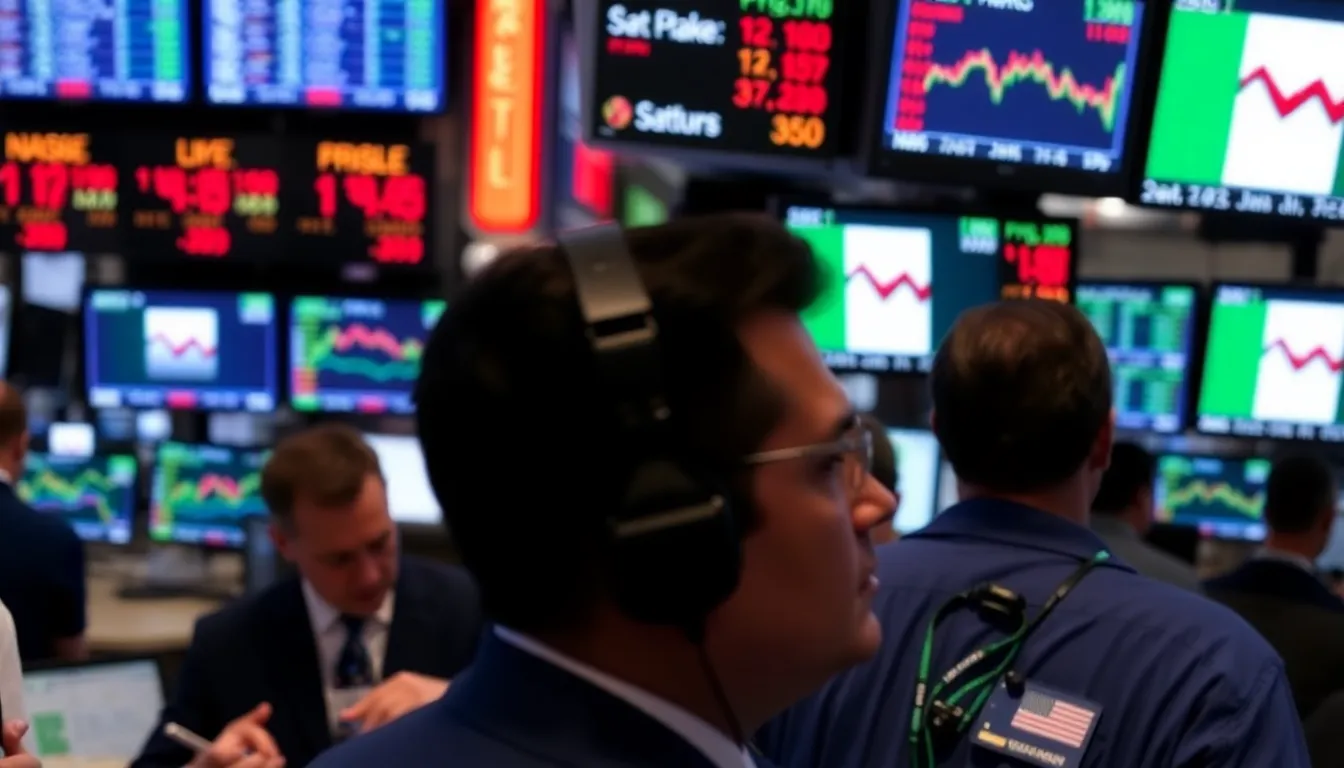
As of late October 2023, major indices such as the S&P 500 and the Dow Jones Industrial Average have dropped approximately 15% from their highs earlier in the year. This downturn is attributed to a combination of increasing military actions, potential sanctions, and the broader implications for oil prices, which have surged due to supply chain disruptions. For a deeper understanding of how these events are interrelated, check out our article on India’s challenges in fertilizer supplies amid war disruptions.
Analysts note that investor sentiment has been negatively impacted by the lack of a clear resolution to the conflict, with many viewing the situation as a potential long-term crisis. The uncertainty has caused many fund managers to reassess their portfolios, leading to a flight to safer assets such as bonds and gold. As the market shifts, low-deposit mortgage deals also face challenges due to rising interest rates.
Additionally, companies with significant exposure to the region, particularly in the energy and defense sectors, have seen their stock prices fluctuate dramatically. For instance, major oil companies reported earnings that fell short of expectations in Q3 2023, further aggravating investor anxiety.
The ongoing situation in Iran not only affects regional stability but also raises concerns about the global economic outlook, as investors grapple with the potential for prolonged disruptions in energy markets and international trade. As the conflict continues, market participants remain vigilant, closely monitoring developments for signs of resolution or further escalation.
Understanding the geopolitical backdrop of the conflict in Iran
The ongoing tensions surrounding Iran have deep historical roots, tracing back to the 1953 coup that ousted Prime Minister Mohammad Mossadegh and reinstated the Shah, Mohammad Reza Pahlavi. This event marked the beginning of a tumultuous relationship between Iran and Western powers, particularly the United States, which has shaped the region’s political landscape for decades. The 1979 Iranian Revolution further exacerbated these tensions, leading to the establishment of the Islamic Republic and the severing of diplomatic ties with the U.S.
In recent years, the situation has escalated due to Iran’s nuclear program, which has raised concerns among Western nations about potential military applications. The Joint Comprehensive Plan of Action (JCPOA), signed in 2015, aimed to limit Iran’s nuclear capabilities in exchange for sanctions relief. However, the U.S. withdrawal from the agreement in 2018 under the Trump administration reignited hostilities and led to a series of retaliatory measures, including the reimposition of strict economic sanctions on Iran.
The economic ramifications of these sanctions have been profound, contributing to a steep decline in Iran’s economy and increasing public discontent. The Iranian rial has plummeted in value, inflation has soared, and the country’s unemployment rates have skyrocketed. This economic instability has fueled domestic unrest, prompting protests and calls for reform, which the government has struggled to manage amid external pressures.
The role of regional conflicts
The geopolitical landscape is further complicated by Iran’s involvement in various regional conflicts, including its support for militant groups in Syria, Lebanon, and Yemen. These engagements have positioned Iran as a key player in the broader Middle Eastern power struggle, particularly against Saudi Arabia and Israel. As tensions escalate in these regions, investors have grown increasingly wary of the potential for broader conflict, leading to a sell-off in global markets as uncertainty looms.
Key stakeholders and the main issues at play in the market
The ongoing conflict in Iran has significant implications for various stakeholders in the financial markets. Key actors include investors, governments, multinational corporations, and non-governmental organizations, each with distinct interests that shape their responses to the evolving situation.
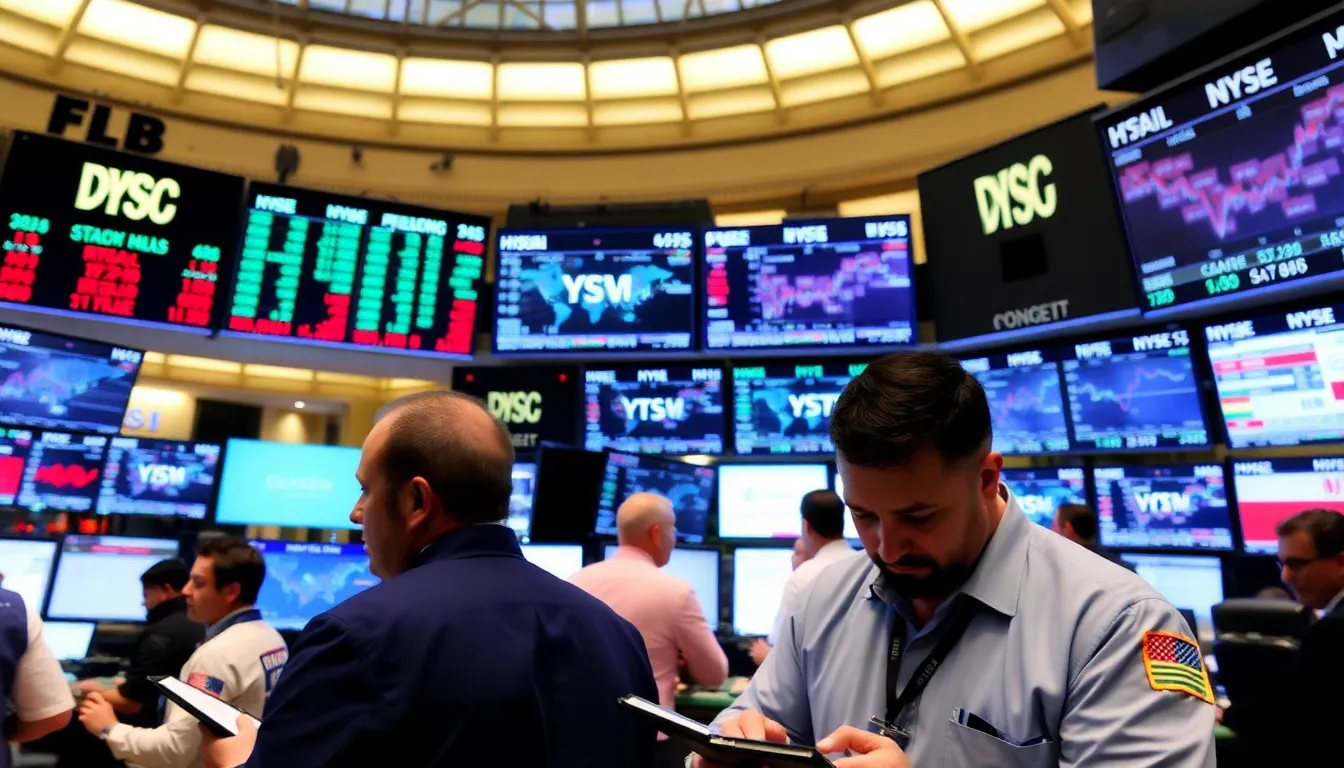
Investors, particularly those in the stock market, are primarily concerned with volatility and the potential for losses. As tensions escalate, many are reevaluating their portfolios, leading to a sell-off in sectors most affected by the conflict. This behavior reflects a broader loss of confidence in stability and growth, prompting a shift in investment strategies.
Governments, especially those in the Middle East and major economies like the United States, are focused on diplomatic solutions while also considering the economic ramifications of prolonged conflict. Sanctions and trade policies are pivotal issues, as they can exacerbate economic instability and impact global supply chains.
Multinational corporations operating in or trading with Iran face a complex landscape of legal and operational challenges. The potential for sanctions and trade restrictions can lead to significant financial losses and impact their decision-making processes regarding investments and market entry.
- Investor sentiment: The psychological impact of the war influences market behavior, leading to increased volatility.
- Government policies: Diplomatic efforts and sanctions can shift rapidly, affecting market stability.
- Corporate strategies: Companies must navigate legal risks and operational challenges in conflict zones.
- Global supply chains: Disruptions in Iran can have ripple effects on industries reliant on oil and gas.
- Humanitarian concerns: Non-governmental organizations may advocate for peace and support affected populations, influencing public opinion and policy.
The effects of the war on investors and the broader market
The ongoing conflict in Iran has triggered significant volatility in global markets, particularly affecting sectors closely tied to energy and defense. Investors are feeling the strain as uncertainty looms over oil prices, which have seen sharp fluctuations due to fears of supply disruptions. This has led to a sell-off in stocks, with many investors losing patience as the situation escalates.
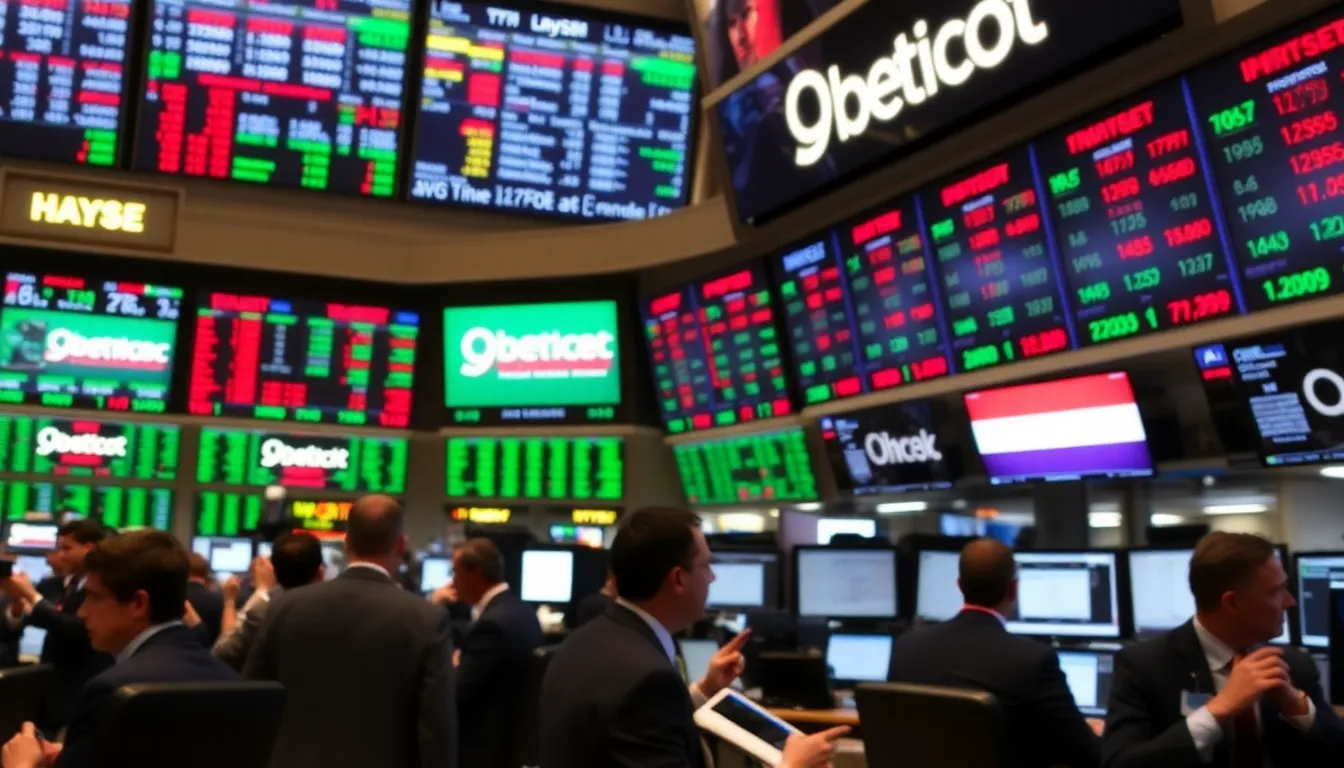
Industries such as energy, travel, and consumer goods are experiencing immediate impacts. For instance, energy companies may benefit from rising oil prices, but airlines and travel-related businesses are suffering from decreased consumer confidence and rising fuel costs. Additionally, defense contractors may see a short-term boost in stock prices due to increased government spending on military operations, but this could be offset by potential global economic downturns.
Regions that are heavily reliant on oil exports, such as the Middle East and parts of Europe, are particularly vulnerable. The uncertainty surrounding the war may lead to increased inflation rates, affecting daily life as consumers face higher prices for goods and services. In the mid-term, businesses may need to adapt to changing regulations and policies as governments respond to the geopolitical landscape.
- Short-term risks: Increased market volatility, rising fuel prices, and decreased consumer spending.
- Mid-term impacts: Potential shifts in government policy, inflationary pressures, and changes in investment strategies.
- Opportunities: Growth in renewable energy sectors, increased defense spending, and potential market corrections that could favor long-term investors.
As the situation evolves, investors must remain vigilant and consider both the risks and opportunities presented by the conflict. While the immediate outlook may seem grim, strategic adjustments could lead to favorable outcomes in the long run.
A: The ongoing conflict has created uncertainty in the markets, leading investors to sell off stocks in response to potential economic instability. A: It is difficult to predict the duration of the conflict, as it depends on various geopolitical factors and diplomatic efforts. A: Sectors such as energy and defense are particularly impacted, as they are closely tied to geopolitical events and investor sentiment. A: Some analysts suggest that downturns can present buying opportunities, but investors should carefully assess their risk tolerance and market conditions. A: Investors should monitor geopolitical developments, economic indicators, and market sentiment to gauge potential recovery signals.
Frequently asked questions about the stock market and the Iran conflict
Key takeaways and outlook for investors moving forward
The ongoing conflict in Iran has significantly impacted global markets, leading to a decline in stock prices as investor sentiment falters. As uncertainty looms, it is crucial for investors to navigate the complexities of the geopolitical landscape while reassessing their portfolios in light of potential volatility.
Monitoring developments in the region will be essential, as shifts in the conflict could influence oil prices, inflation rates, and broader economic conditions. Investors should remain vigilant and adaptable, considering both risks and opportunities that may arise from this turbulent environment.
- Stay informed on geopolitical developments, particularly in the Middle East, as they can have immediate effects on market stability.
- Consider diversifying investments to mitigate risks associated with sector-specific downturns, particularly in energy and defense.
- Watch for signals from central banks regarding monetary policy adjustments in response to inflationary pressures stemming from rising oil prices.
- Evaluate the potential for safe-haven assets, such as gold and government bonds, as investors seek stability amidst uncertainty.
- Remain prepared for market corrections and be ready to capitalize on potential buying opportunities as valuations adjust.