
The Chinese government continues to face criticism for its policy of forcibly returning North Korean refugees to their home country, where they face severe punishment. In 2022 alone, it is estimated that hundreds of defectors were sent back, despite international calls for China to adhere to its obligations under international law. This has created a climate of fear among those who have escaped and their families.
Additionally, the geopolitical landscape surrounding North Korea complicates the situation. With ongoing tensions between North Korea and the international community, particularly the United States and South Korea, the fate of refugees is often overshadowed by larger diplomatic issues. The lack of a robust international response leaves many defectors vulnerable and without support.
Personal stories, such as that of a young woman who escaped with her mother, highlight the emotional and psychological toll of living in constant fear of repatriation. Many refugees express anxiety about their loved ones still in North Korea, as any contact can lead to severe repercussions. This fear is compounded by the lack of legal protections for refugees in transit countries.
The Background of North Korean Defections
North Korea, officially known as the Democratic People’s Republic of Korea (DPRK), has been a subject of international concern for decades due to its oppressive regime and human rights violations. The country, under the rule of the Kim dynasty since its establishment in 1948, has maintained a totalitarian government that severely restricts freedom of movement, expression, and access to information. As a result, many North Koreans have sought to escape the harsh realities of life under this regime, leading to a significant number of defections over the years.
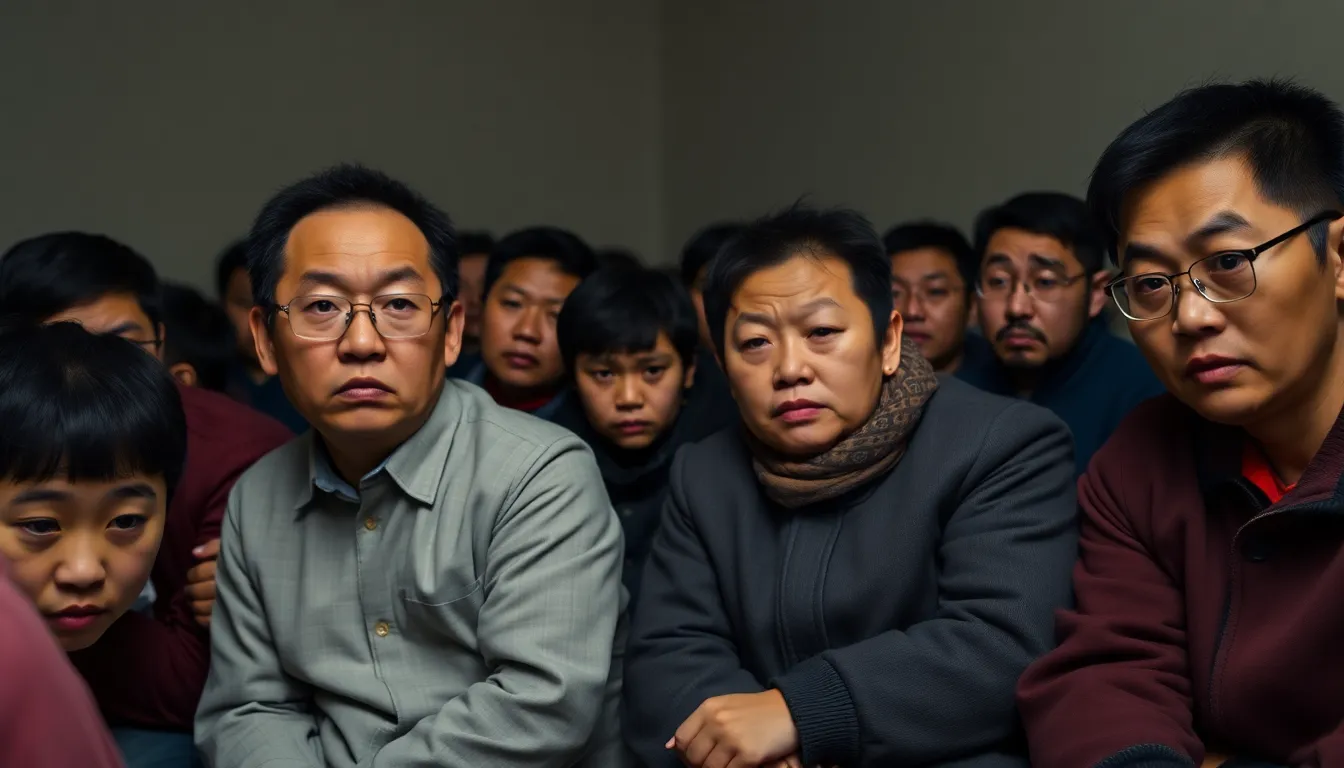
The journey of defectors is often perilous, involving treacherous escapes through neighboring countries, particularly China, where they face the risk of being forcibly repatriated to North Korea. Once returned, defectors are subject to severe punishment, including imprisonment, forced labor, or even execution. This fear of repatriation is a driving force behind many North Koreans’ decisions to flee, as they seek asylum in countries that offer protection and a chance for a better life.
Historically, the most notable waves of defection occurred during and after the Korean War (1950-1953) and in the late 1990s during the famine that devastated the country. In recent years, the number of defectors has fluctuated due to changing political climates and crackdowns on border crossings. The international community, particularly South Korea, has made efforts to support defectors, providing them with resources and assistance to adapt to their new lives, but challenges remain.
The Role of China
China plays a critical role in the defection crisis, as it shares a lengthy border with North Korea and is often the first stop for defectors. However, Chinese authorities view North Korean defectors as illegal economic migrants rather than refugees, leading to their detention and deportation. This policy has sparked international outrage and calls for China to adhere to its obligations under international law to protect those fleeing persecution. The situation creates a complex dynamic where defectors must navigate a dangerous landscape, balancing their desire for freedom with the very real threat of being sent back to a regime that punishes dissent.
Key Issues Surrounding North Korean Refugees and Their Safety
The plight of North Korean refugees, particularly those who escape to countries like South Korea, China, and others, presents a complex web of stakeholders and issues. The primary actors include the refugees themselves, host countries, international organizations, and North Korea’s government. Each has distinct interests that often conflict with one another.
North Korean refugees, like the individual in the article, seek safety and a better life away from the oppressive regime. Their immediate concern is the fear of repatriation, which can lead to severe punishment or even execution. In contrast, host countries may have varying policies regarding asylum seekers, influenced by their diplomatic relations with North Korea and domestic political considerations.
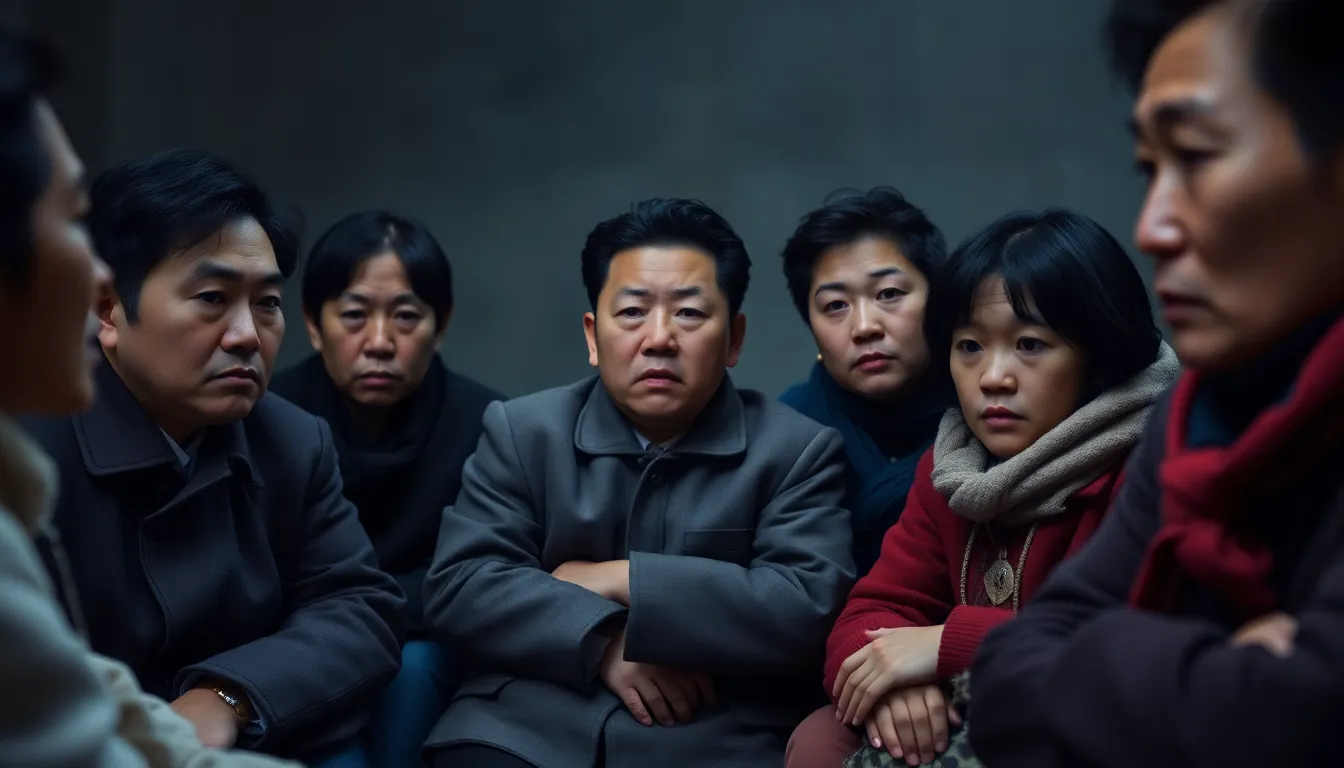
International organizations, such as the United Nations High Commissioner for Refugees (UNHCR), advocate for the protection of refugees and push for humane treatment. However, their ability to influence host countries is often limited by geopolitical factors and the unwillingness of some nations to accept North Korean defectors.
- Repatriation Risks: The potential for refugees to be forcibly returned to North Korea raises significant human rights concerns.
- Host Country Policies: Different countries have varying levels of support and resources for North Korean refugees, affecting their integration and safety.
- International Advocacy: The role of global organizations in providing assistance and raising awareness can be crucial but is often hampered by political constraints.
- Public Perception: The attitudes of citizens in host countries towards refugees can influence policy decisions and the overall treatment of these individuals.
Legal issues also play a critical role in the situation of North Korean refugees. Many countries do not recognize North Koreans as refugees under international law, which complicates their ability to seek asylum and access basic rights and services. Economic factors, such as the availability of jobs and social services, further impact the integration of these individuals into new societies.
The Impact of Potential Deportation on Refugees and Their Families
The looming threat of deportation for North Korean refugees, particularly those who have escaped with family members, has significant implications for various groups and industries. Families, especially mothers and children, find themselves in precarious situations, fearing separation and potential return to oppressive regimes. This fear affects not only the refugees themselves but also the communities and organizations that support them.
In the short term, the anxiety surrounding potential deportation can lead to increased stress and mental health issues among refugees. Daily life is disrupted as families may feel compelled to go into hiding, limiting their access to essential services such as healthcare and education. This disruption can also affect local businesses that rely on the patronage of these families, leading to a ripple effect in the economy.
Mid-term impacts may include changes in immigration policies as governments respond to public sentiment and humanitarian concerns. Advocacy groups may gain momentum, pushing for reforms that protect refugees and offer pathways to citizenship. However, the uncertainty can also deter new refugees from seeking asylum, affecting the demographic landscape and potentially leading to a decline in cultural diversity in host countries.
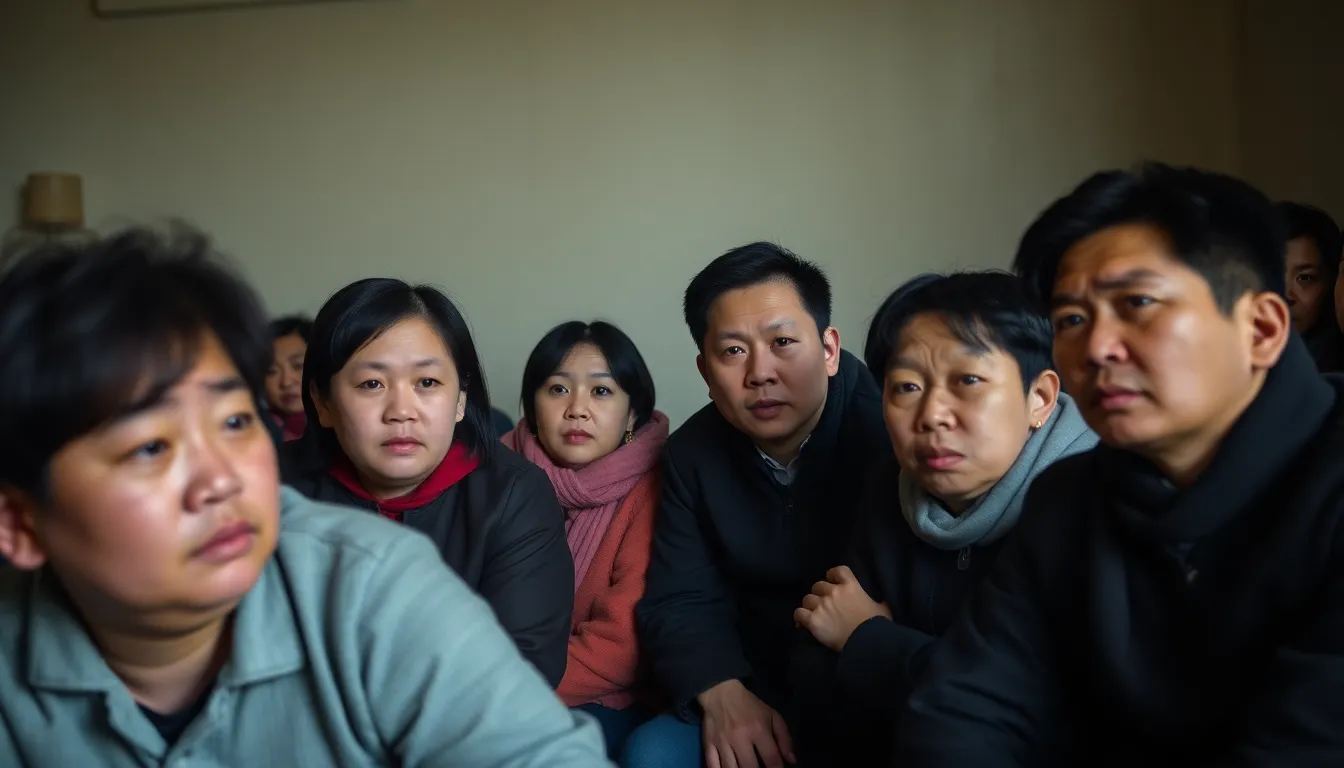
- Increased mental health issues: Refugees may experience heightened anxiety and depression.
- Economic impact: Local businesses may suffer due to reduced customer bases.
- Policy changes: Potential shifts in immigration laws could arise as public awareness grows.
- Community advocacy: Increased activism may lead to stronger support networks for refugees.
While the risks are significant, there are also potential opportunities for positive change. Increased awareness of the plight of North Korean refugees can lead to greater public support for humanitarian initiatives. Nonprofits and community organizations may find new avenues for funding and partnerships aimed at providing assistance and integration programs, fostering a more inclusive society.
A: North Korean refugees often face the risk of being caught and deported back to North Korea, where they could face severe punishment. Additionally, they may struggle with integration into new societies and face discrimination. A: International communities can provide support through advocacy, resettlement programs, and humanitarian assistance. Raising awareness about their plight can also lead to better policies and protections. A: Those deported back to North Korea often face imprisonment, forced labor, or worse. The regime views defectors as traitors, and their families may also suffer consequences. A: Some countries offer legal protections for North Korean refugees, but these vary widely. International laws and treaties can provide some level of protection, but enforcement is inconsistent. A: Refugees often face numerous challenges in adapting to new cultures, finding employment, and accessing education. Support networks and community organizations can play a crucial role in their transition.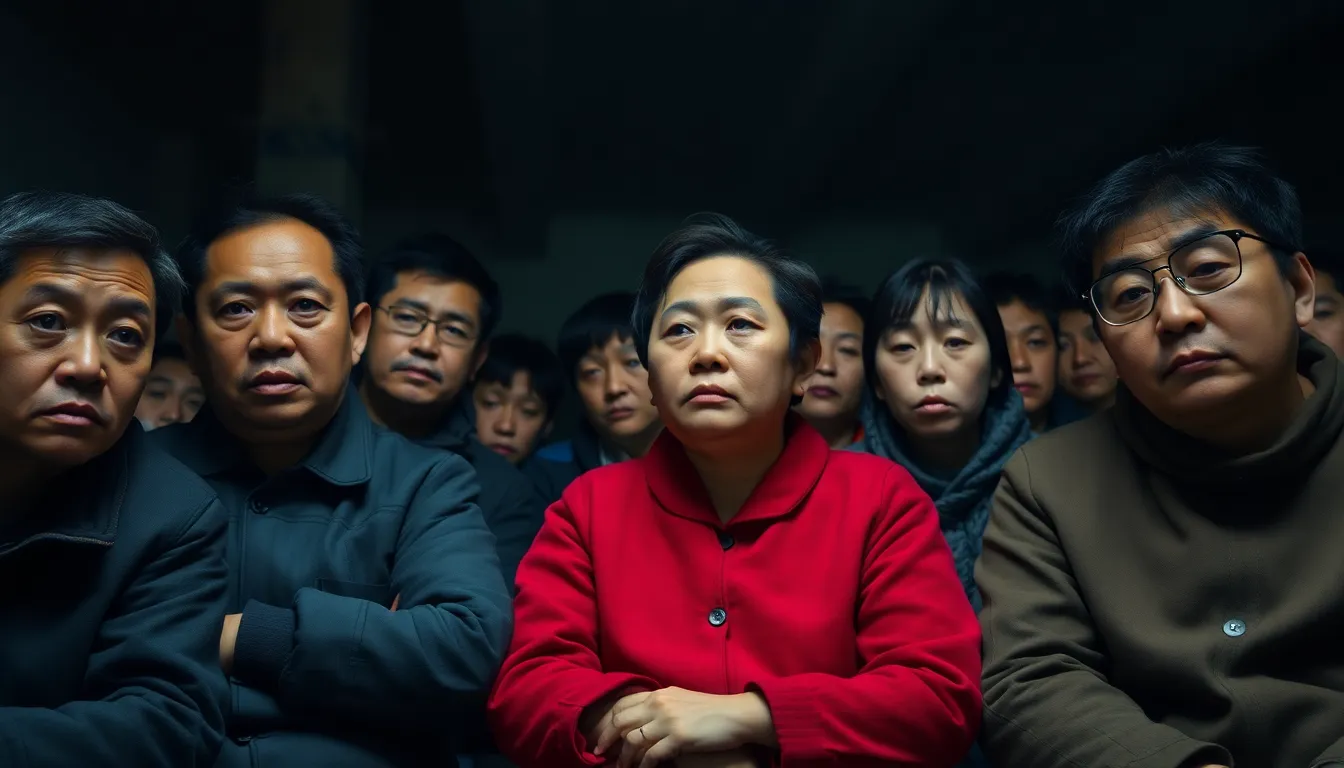
Frequently Asked Questions About North Korean Refugees
Key Takeaways and Future Outlook for North Korean Refugees
The journey of escaping North Korea is fraught with peril, not just during the flight to freedom but also in the aftermath. As refugees navigate their new lives, the fear of repatriation looms large, particularly for those who have left family members behind. This complex situation highlights the urgent need for ongoing international attention and support for North Korean defectors.
As the geopolitical landscape evolves, it is essential to monitor how shifts in diplomatic relations affect the safety and rights of North Korean refugees. The plight of individuals like the author and their families underscores the importance of advocacy and awareness in ensuring that these vulnerable populations are protected from potential deportation.
- Increased Advocacy: Continued efforts are needed to raise awareness about the challenges faced by North Korean refugees, particularly regarding the risk of forced repatriation.
- Policy Changes: Watch for potential shifts in international policies that could either enhance protection for refugees or exacerbate their vulnerabilities.
- Support Networks: The establishment and strengthening of support networks for North Korean defectors can provide essential resources for navigating their new lives.
- International Cooperation: Collaborative efforts among countries can lead to improved outcomes for refugees, emphasizing the need for a unified response to their plight.