
The incident occurred on October 3, 2023, during a UEFA Champions League match held at Benfica’s Estádio da Luz. Reports indicate that Prestianni was involved in a confrontation with Vinícius Júnior, which led to a series of on-field altercations. UEFA’s disciplinary committee acted swiftly to address the situation, emphasizing the importance of upholding the integrity of the game.
This suspension is not only a blow to Benfica’s squad but also highlights the ongoing challenges that clubs face regarding player behavior. The decision underscores UEFA’s commitment to enforcing disciplinary measures and promoting fair play among its member clubs. As the situation unfolds, it remains to be seen how Benfica will adjust their lineup in upcoming matches.
Furthermore, this incident has drawn attention to the broader context of player interactions in high-stakes matches. With the increasing scrutiny from fans and media alike, clubs are under pressure to ensure that their players adhere to the highest standards of conduct on the field. The repercussions of this suspension may influence future disciplinary actions in similar scenarios.
Understanding the background of the incident
The recent suspension of Benfica’s Prestianni by UEFA following the incident involving Vinícius Júnior highlights ongoing tensions in European football, particularly regarding issues of racism and player conduct. This incident is not an isolated event but part of a broader context where racial abuse and discrimination have increasingly come under scrutiny in the sport.
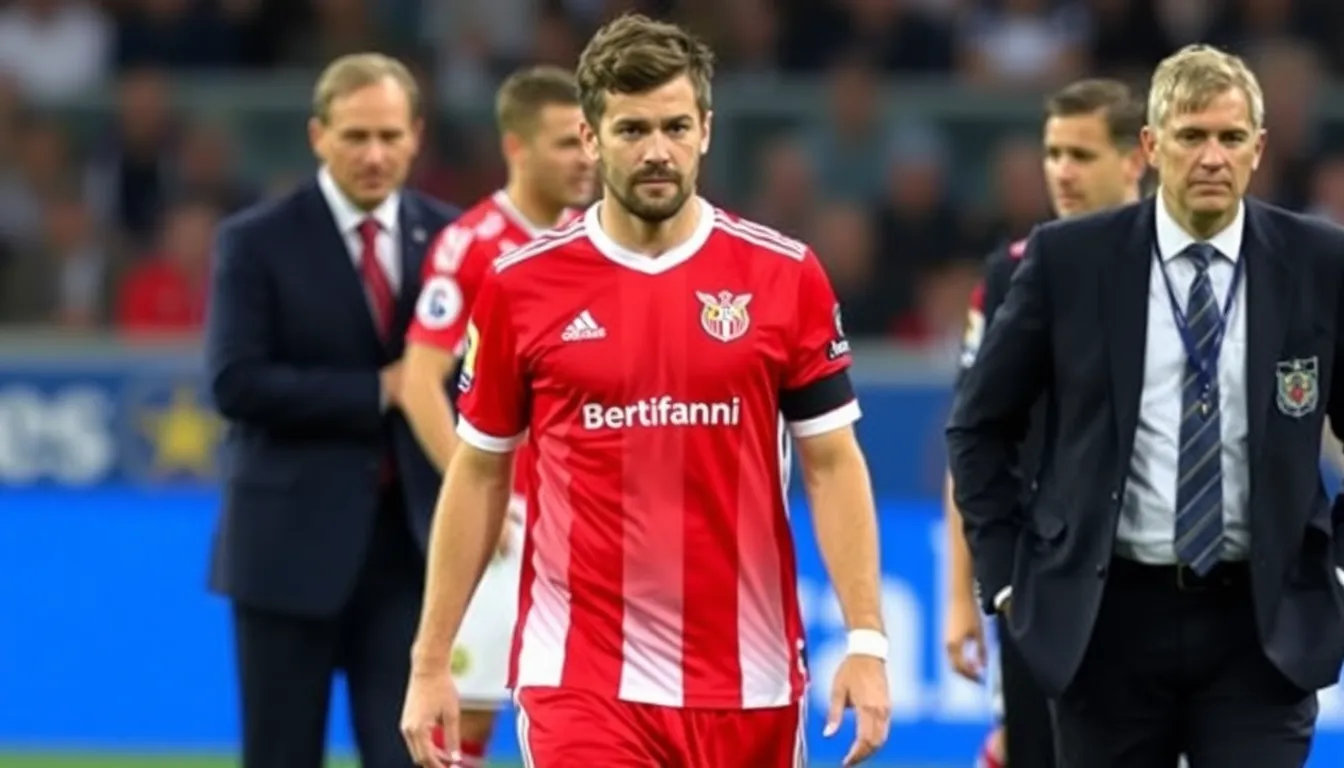
Historically, football has struggled with racism, with numerous high-profile cases leading to widespread condemnation and calls for change. The incident involving Vinícius Júnior, who has been a vocal opponent of racism in football, brought renewed attention to the issue. His experiences have resonated with many players and fans, prompting UEFA and other governing bodies to take a firmer stance against discriminatory behavior.
Economically, clubs and leagues are now more aware of the financial ramifications of racism, as sponsors and partners increasingly demand accountability and inclusivity. The pressure for change has led to initiatives aimed at educating players, coaches, and fans about the importance of diversity and respect in the sport.
Key milestones in the fight against racism in football
Over the past two decades, several key milestones have shaped the dialogue around racism in football. Notable events include the establishment of campaigns such as “Kick It Out” and UEFA’s “No to Racism,” which aim to raise awareness and combat discrimination. Additionally, high-profile incidents have often led to severe penalties for clubs and individuals involved, setting a precedent for future cases and reinforcing the message that racism will not be tolerated.
Analyzing the implications for Benfica and Uefa
The recent suspension of Benfica’s Prestianni by UEFA following the incident involving Vinícius Júnior has ignited a complex web of reactions and repercussions within the football community. Key stakeholders in this scenario include UEFA, Benfica, the players involved, and the broader football fanbase. Each of these actors has distinct interests that shape their responses to the situation.
UEFA, as the governing body of European football, is primarily focused on maintaining the integrity of the sport and ensuring that incidents of misconduct are addressed promptly and effectively. This suspension serves as a statement against racism and aims to uphold the organization’s commitment to fair play. For UEFA, the challenge lies in balancing disciplinary actions with the need to foster a positive environment for all players.
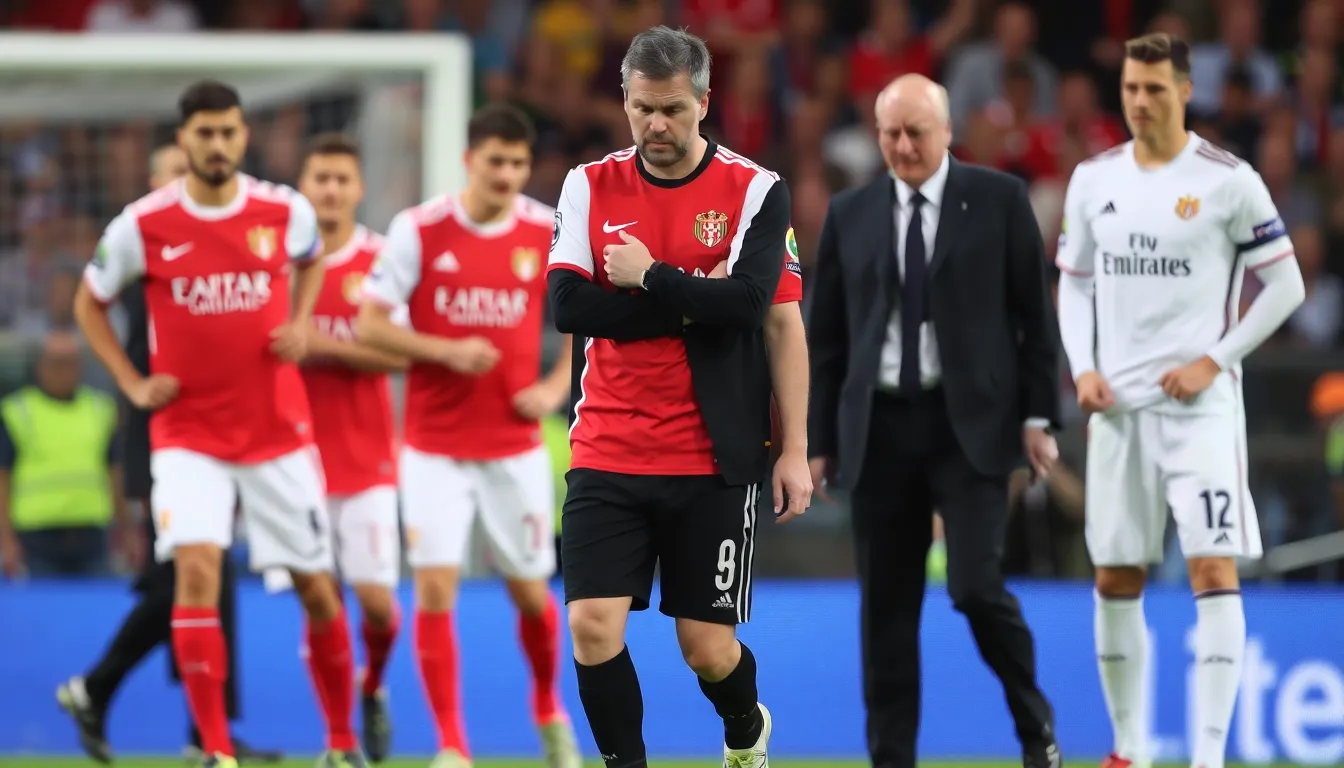
On the other hand, Benfica faces significant implications from this suspension. The club’s reputation is at stake, and their management must navigate the fallout while ensuring that their players and staff adhere to the highest standards of conduct. Additionally, the club’s financial interests could be affected, especially if this incident leads to further sanctions or impacts their standing in competitions.
- Potential financial penalties: Benfica could face fines or restrictions on player transfers.
- Impact on player morale: The incident may affect team dynamics and performance on the pitch.
- Public relations challenges: Benfica must manage its image in light of the suspension and associated controversies.
- Legal ramifications: Depending on the outcomes, there could be further legal challenges related to the incident.
- Broader implications for football: This incident may prompt UEFA to reevaluate its policies regarding player conduct and racism.
The incident also highlights the ongoing issue of racism in football, prompting discussions about the measures that need to be taken to combat this problem effectively. The reactions from fans, players, and clubs will likely influence future policies and the overall approach to similar incidents within the sport.
Impact of the suspension on players and teams
The recent suspension of Benfica’s Prestianni by UEFA following the incident involving Vinícius Júnior has significant ramifications for various stakeholders in the football community. Players, teams, and fans are all affected, as the incident raises questions about sportsmanship and the governing bodies’ responses to on-field conduct. The suspension not only impacts Prestianni’s career but also affects Benfica’s performance and reputation in the league.
In the short term, Benfica may struggle to maintain team cohesion and morale as they navigate the absence of a key player. This could lead to poor performance in upcoming matches, potentially affecting their standings in domestic and European competitions. Additionally, fans may feel disillusioned, leading to decreased attendance at games and lower merchandise sales.
In the mid-term, the incident may prompt UEFA and other governing bodies to reevaluate their policies regarding player conduct and disciplinary actions. This could result in stricter regulations and penalties, impacting how teams manage player behavior both on and off the pitch. Clubs may need to invest more in player education and support systems to mitigate risks associated with similar incidents in the future.
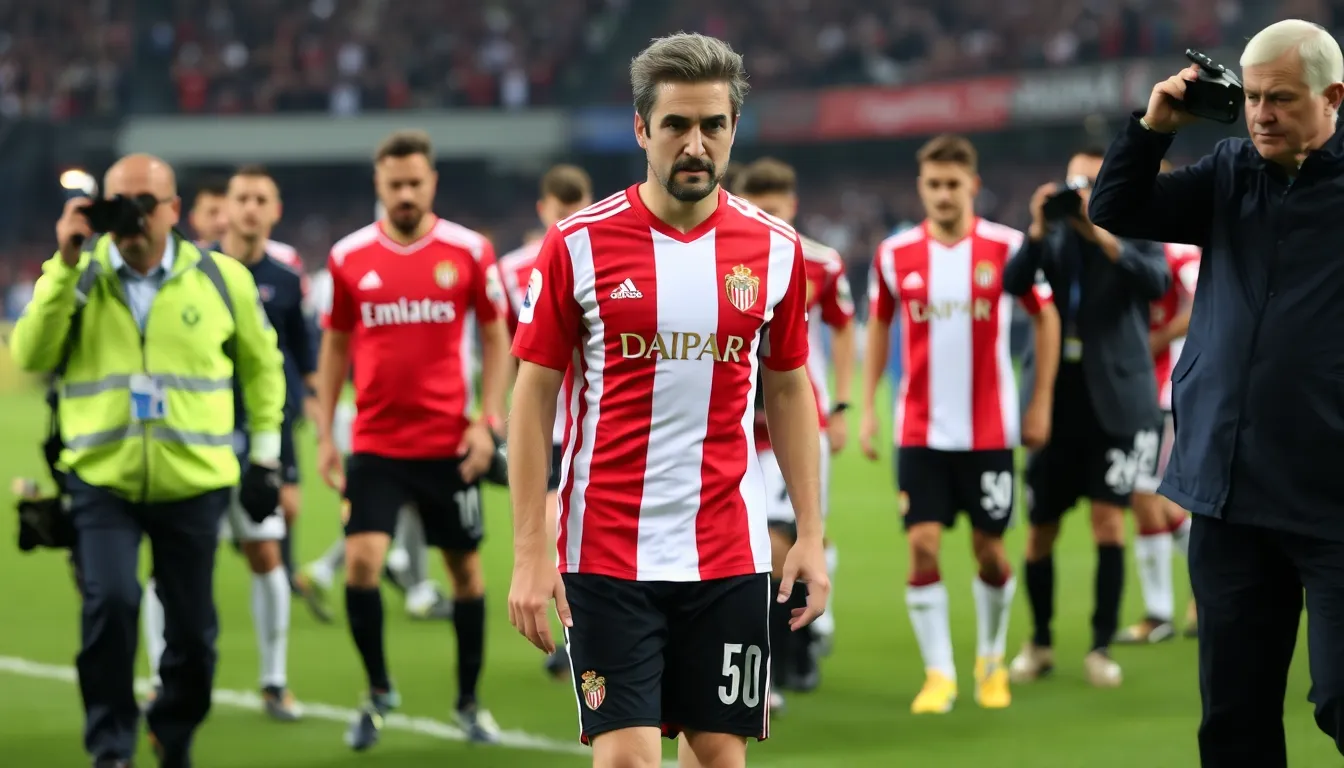
- Players: Increased scrutiny and pressure to uphold standards of conduct.
- Teams: Potential loss of sponsorships and fan support due to negative publicity.
- Fans: A divided fanbase may emerge, impacting community spirit and engagement.
- Industry: Opportunities for clubs to enhance player development programs focused on sportsmanship.
While the suspension poses risks, it also opens doors for clubs to improve their internal policies and strengthen relationships with their fanbase by demonstrating accountability and commitment to fair play. The incident serves as a reminder of the importance of maintaining integrity in sports, which could lead to a more positive environment for all stakeholders involved.
A: Prestianni was suspended following an incident involving Vinícius Júnior during a match, which Uefa deemed to violate conduct regulations. A: The duration of the suspension has not been officially disclosed, but it typically aligns with Uefa’s disciplinary guidelines. A: Benfica may face additional scrutiny and potential penalties, depending on Uefa’s findings and the nature of the incident. A: While the suspension directly affects Prestianni, it may create a ripple effect on team dynamics and morale. A: Public reaction has been mixed, with some supporting Uefa’s decision and others criticizing the handling of the situation.
Frequently asked questions about the suspension
Key takeaways and future outlook on the situation
The suspension of Benfica’s Prestianni by UEFA following the incident involving Vinícius Júnior highlights the increasing scrutiny on player conduct and the broader implications for club management. As the football community reacts to this decision, it is crucial to consider how it may influence future interactions on the pitch and the reputational consequences for both players and clubs.
Moving forward, clubs must be vigilant in addressing player behavior and ensuring that incidents of misconduct are dealt with swiftly and effectively. This situation serves as a reminder of the importance of maintaining a respectful environment within the sport, as well as the potential ramifications of failing to do so.
- The incident may lead to stricter enforcement of conduct regulations by UEFA and other governing bodies.
- Clubs could implement more comprehensive training programs focused on sportsmanship and conflict resolution.
- The reputation of players involved in similar incidents may suffer, impacting their marketability and career prospects.
- Future matches could see heightened tensions as players navigate the fallout from this incident.
- Fans and media will likely increase their scrutiny of player interactions, prompting a shift in how clubs manage public relations.