
The ongoing investigation into microbial movement is essential for multiple fields, including medicine, environmental science, and biotechnology. For instance, the ability of certain bacteria to move towards nutrients or away from toxins plays a vital role in ecosystem dynamics and human health, which is further explored in our article on understanding forever chemicals and their potential risks. The implications of these findings could lead to advancements in targeted drug delivery systems and improved bioremediation techniques.
Moreover, the increasing use of imaging technologies has allowed scientists to observe microbial behavior in real time, revealing complex patterns of movement that were previously undocumented. This technological advancement, noted in a study released in July 2023, has opened new avenues for understanding how microbes interact with each other and their environment, which is pivotal for developing new strategies to combat microbial resistance, a topic we also discuss in Exploring the Impact of BBC Inside Science on Public Understanding.
As the research community continues to explore the intricacies of microbial locomotion, collaborations between universities and biotech companies are becoming more common. These partnerships aim to translate basic research findings into practical applications, potentially leading to innovations in agriculture and public health. The urgency of these developments is underscored by the growing challenges posed by antibiotic resistance and environmental degradation.
The Historical Background of Microbial Evolution
Microbes, the microscopic organisms that inhabit virtually every environment on Earth, have a history that dates back billions of years. Their evolution has been influenced by a myriad of factors, ranging from environmental changes to evolutionary pressures. Understanding the journey of these organisms, which is crucial for grasping their role in ecosystems and their impact on human health and industry, is essential for ongoing research in biotechnology innovations.
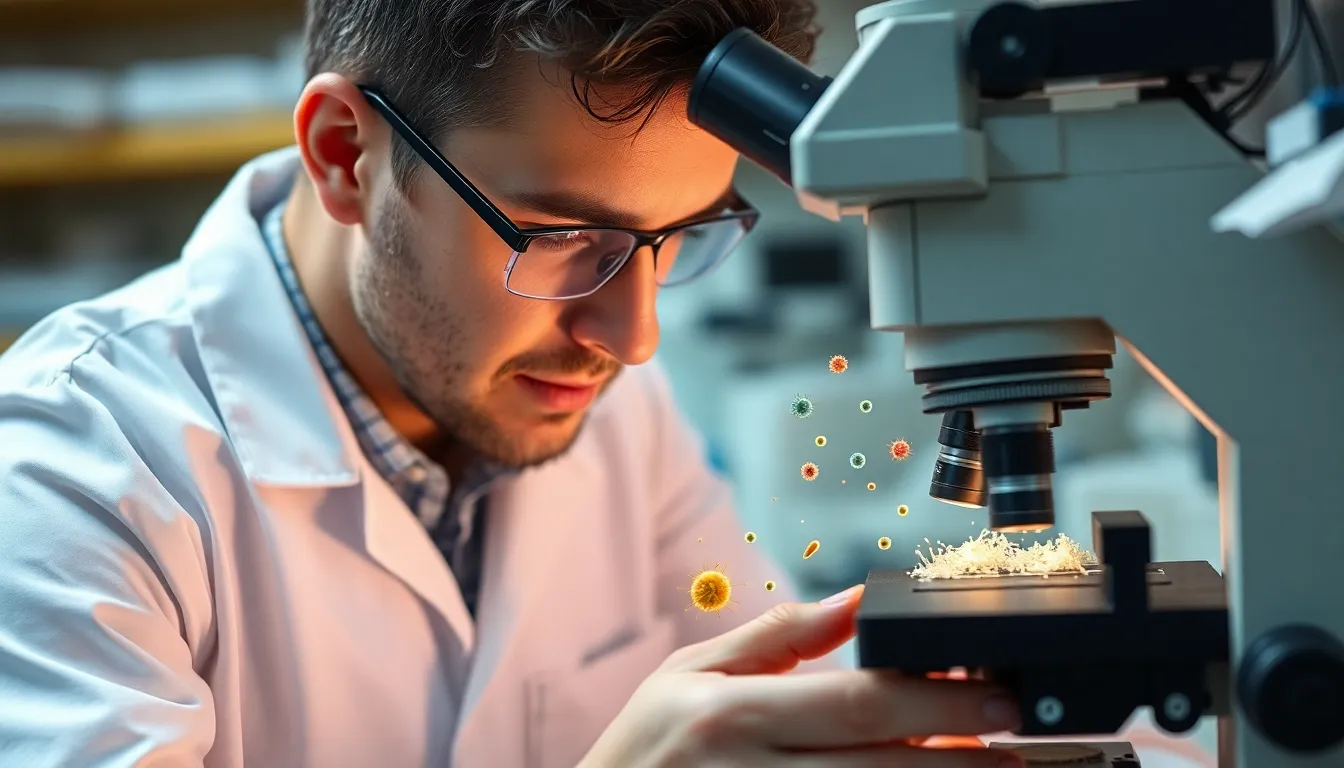
The earliest forms of life on Earth, believed to be simple prokaryotic cells, emerged around 3.5 billion years ago. These microorganisms were primarily anaerobic, thriving in an oxygen-free atmosphere. The Great Oxygenation Event, occurring approximately 2.4 billion years ago, marked a significant turning point in microbial evolution as photosynthetic cyanobacteria began to produce oxygen, leading to the diversification of life forms and the eventual rise of aerobic organisms.
The Impact of Environmental Changes
Throughout history, environmental shifts have played a pivotal role in shaping microbial life. The transition from the Precambrian to the Paleozoic era saw dramatic changes in climate and geography, fostering the evolution of more complex multicellular organisms. This era also witnessed the emergence of microbial symbiosis, where microbes formed beneficial relationships with larger organisms, paving the way for more complex ecosystems.
In the modern era, the study of microbes has been significantly advanced by technological innovations. The invention of the microscope in the 17th century allowed scientists like Antonie van Leeuwenhoek to observe and describe microorganisms for the first time. This laid the groundwork for microbiology as a scientific discipline, leading to key milestones such as the germ theory of disease in the 19th century, which revolutionized medicine and public health.
Today, the understanding of microbial evolution continues to evolve, with ongoing research into genetic diversity and the role of microbes in climate change. The advent of genetic sequencing technologies has opened new avenues for exploring the complex interactions between microbes and their environments, highlighting their crucial role in maintaining ecological balance and supporting life on Earth.
Key Issues Surrounding Microbial Mobility
The study of microbial mobility has garnered the attention of various stakeholders, including scientists, healthcare organizations, environmental groups, and government agencies. Each of these actors has distinct interests that shape their involvement in research and policy-making related to microbial life forms. Understanding these interests is crucial for grasping the broader implications of microbial mobility on health, ecology, and industry.
One of the primary actors in this field is the scientific community, which seeks to understand how microbes move and interact with their environments. Researchers are particularly interested in the genetic and environmental factors that influence microbial behavior. Their findings can lead to advancements in medicine, agriculture, and biotechnology. However, this pursuit of knowledge often raises ethical questions regarding genetic manipulation and the potential consequences of releasing engineered microbes into ecosystems.
Healthcare organizations are also significant stakeholders, as microbial mobility can directly impact public health. The spread of antibiotic-resistant bacteria and pathogens is a pressing concern that necessitates a coordinated response. These organizations advocate for policies that promote research into microbial dynamics and the development of new treatment strategies. Conflicts may arise between public health priorities and economic interests, particularly when it comes to pharmaceutical companies and their investments in antimicrobial research.
Environmental groups focus on the implications of microbial mobility for ecosystems. They highlight the potential risks associated with the introduction of non-native microbes and the impact of climate change on microbial populations. These stakeholders often clash with industrial interests, such as agriculture and biotechnology firms, which may prioritize economic benefits over ecological stability. The trade-offs between innovation and environmental conservation are a critical issue in ongoing discussions about microbial research.
- Scientific Research: Aims to uncover the mechanisms of microbial movement and interaction.
- Public Health: Focuses on controlling the spread of pathogens and antibiotic resistance.
- Environmental Conservation: Advocates for the protection of ecosystems from invasive microbes.
- Economic Interests: Industrial stakeholders seek to leverage microbial properties for profit, often leading to ethical dilemmas.
- Policy Development: Governments must balance public health, environmental protection, and economic growth in their regulations.
The Impact of Microbial Movement on Ecosystems
The emergence of microbial movement has significant implications for various groups, industries, and regions. Agricultural sectors, particularly those relying on soil health, are directly affected as microbial populations influence nutrient cycling and plant growth. Additionally, industries involved in biotechnology and pharmaceuticals are witnessing a surge in interest as researchers explore the potential of microbes for innovative applications.
In urban areas, public health initiatives may experience short-term impacts as the understanding of microbial behavior informs sanitation practices. Regions with high biodiversity may also see changes in ecosystem dynamics, affecting local wildlife and plant species. The movement of microbes can lead to shifts in the balance of ecosystems, prompting policy adjustments to protect vulnerable areas.
Short-term effects on daily life include heightened awareness of hygiene and health practices, particularly in communities where microbial diseases are prevalent. Businesses in the food and beverage sector may need to adapt to new safety regulations as the risks associated with microbial contamination are reassessed. In the mid-term, industries could benefit from the development of microbial-based products, creating new market opportunities.
- Public Health: Increased focus on microbial diseases and sanitation.
- Agriculture: Enhanced soil health and crop productivity through microbial activity.
- Biotechnology: Growth in research and development for microbial applications.
- Policy Changes: New regulations to protect ecosystems from harmful microbial shifts.
While there are risks associated with the spread of harmful microbes, such as increased disease transmission, there are also potential opportunities for innovation. Companies that invest in microbial technology may find new avenues for growth, leading to advancements in environmental sustainability and health solutions. As the understanding of microbial ecosystems evolves, the potential for positive impacts on both industries and communities becomes increasingly apparent.
A: Microbes utilize various mechanisms for movement, including flagella, cilia, and amoeboid movement. These adaptations allow them to navigate through diverse environments. A: Microbes are essential for nutrient cycling, decomposition, and maintaining soil health. Their movement contributes significantly to these processes. A: Yes, the movement of certain pathogenic microbes can influence disease spread and infection rates, highlighting the importance of understanding their locomotion. A: Researchers use advanced imaging techniques and molecular tools to observe and analyze microbial behavior in real-time, providing insights into their locomotion. A: Some microbes exhibit unique movements, such as gliding or swarming, which are still being studied to understand their underlying mechanisms.
Frequently Asked Questions about Microbial Crawling
Insights into the Future of Microbial Research
The evolution of microbial locomotion presents a fascinating glimpse into the adaptability of life forms and their potential applications in various fields. As researchers delve deeper into the mechanisms that enable microbes to navigate their environments, a wealth of knowledge is being uncovered that could transform our approach to biotechnology, medicine, and environmental science.
Understanding these microbial behaviors not only enhances our comprehension of fundamental biological processes but also opens doors to innovative solutions for pressing global challenges. The implications of this research are vast, ranging from advancements in drug delivery systems to sustainable agricultural practices.
- Biotechnology Advancements: Continued exploration of microbial movement could lead to breakthroughs in targeted drug delivery, improving treatment efficacy.
- Environmental Applications: Insights into microbial navigation may enhance bioremediation efforts, allowing for more effective cleanup of contaminated environments.
- Agricultural Innovations: Harnessing the crawling capabilities of microbes could lead to the development of biofertilizers that optimize plant growth and health.
- Healthcare Implications: Understanding microbial interactions in the human body may pave the way for new therapies that leverage beneficial microbes to combat diseases.
- Interdisciplinary Collaboration: The complexity of microbial behavior necessitates collaboration across various scientific disciplines, fostering innovation and comprehensive solutions.