
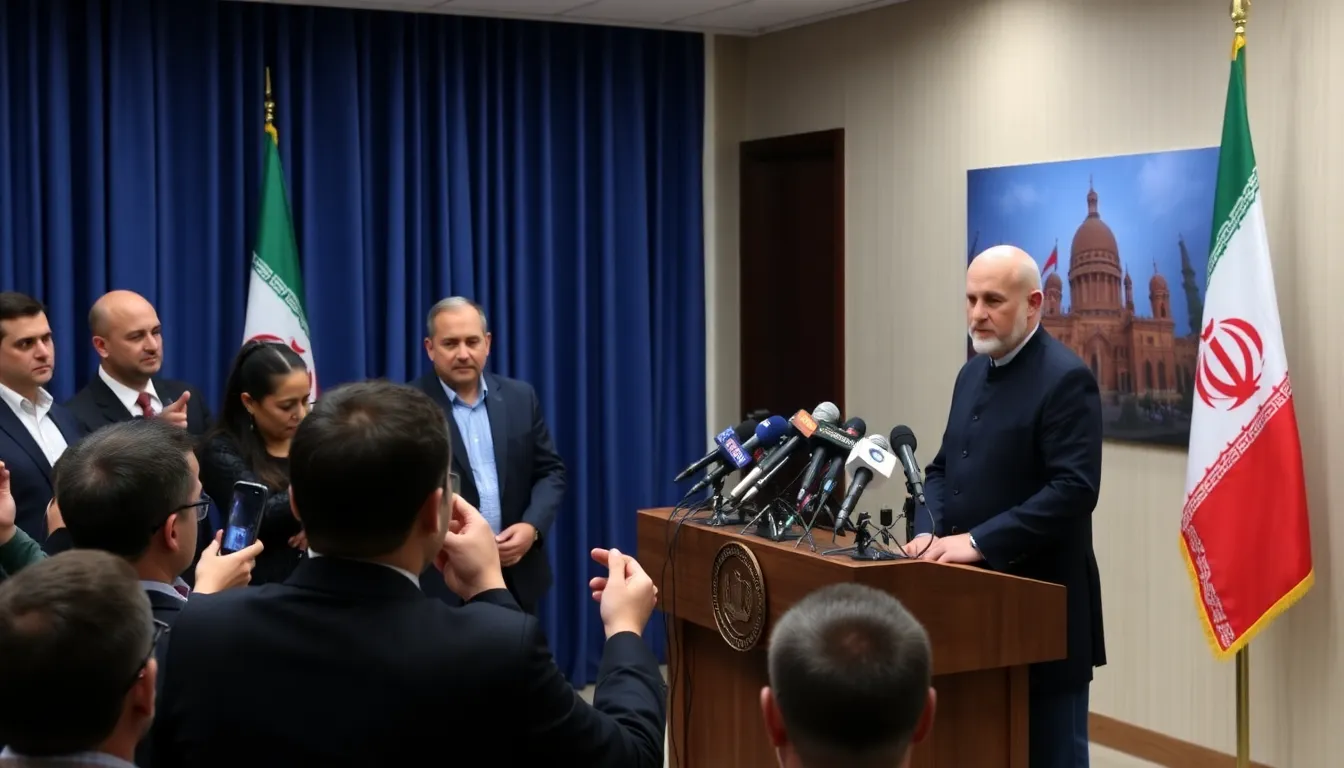
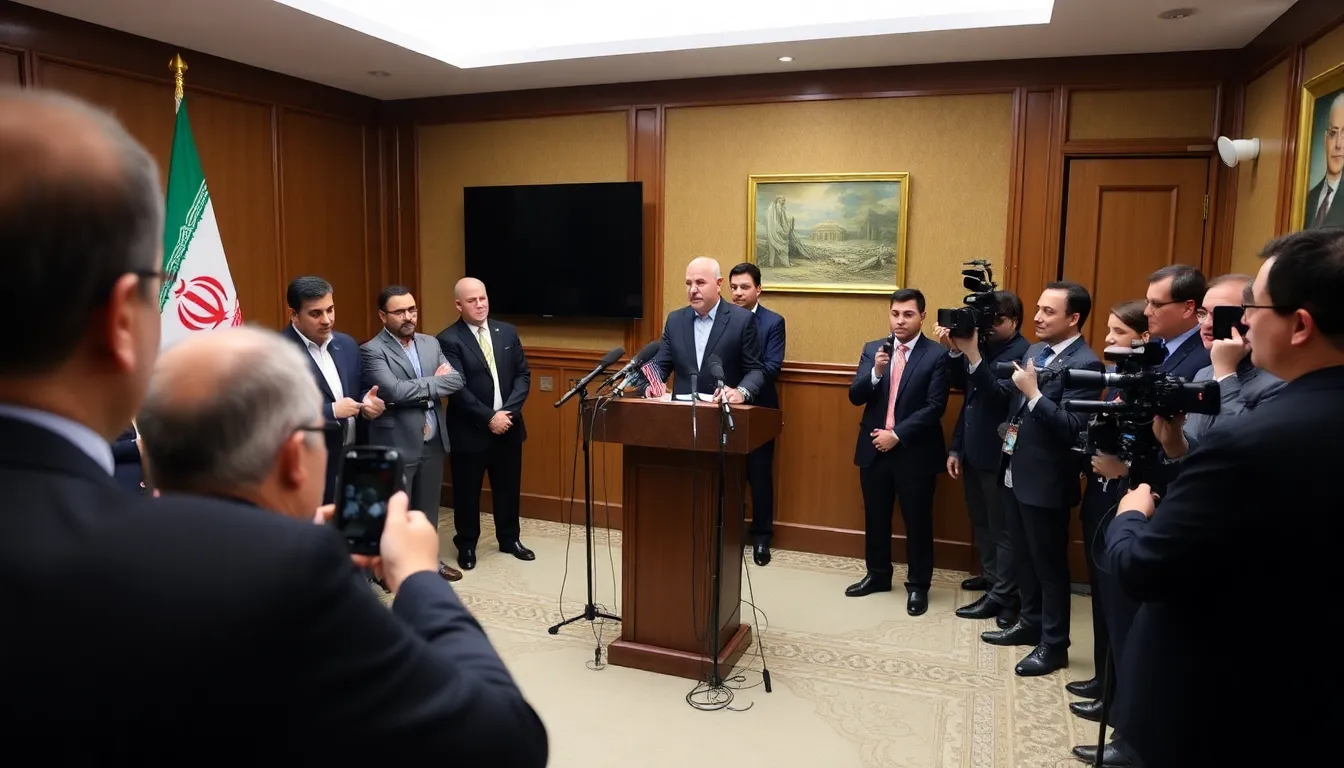
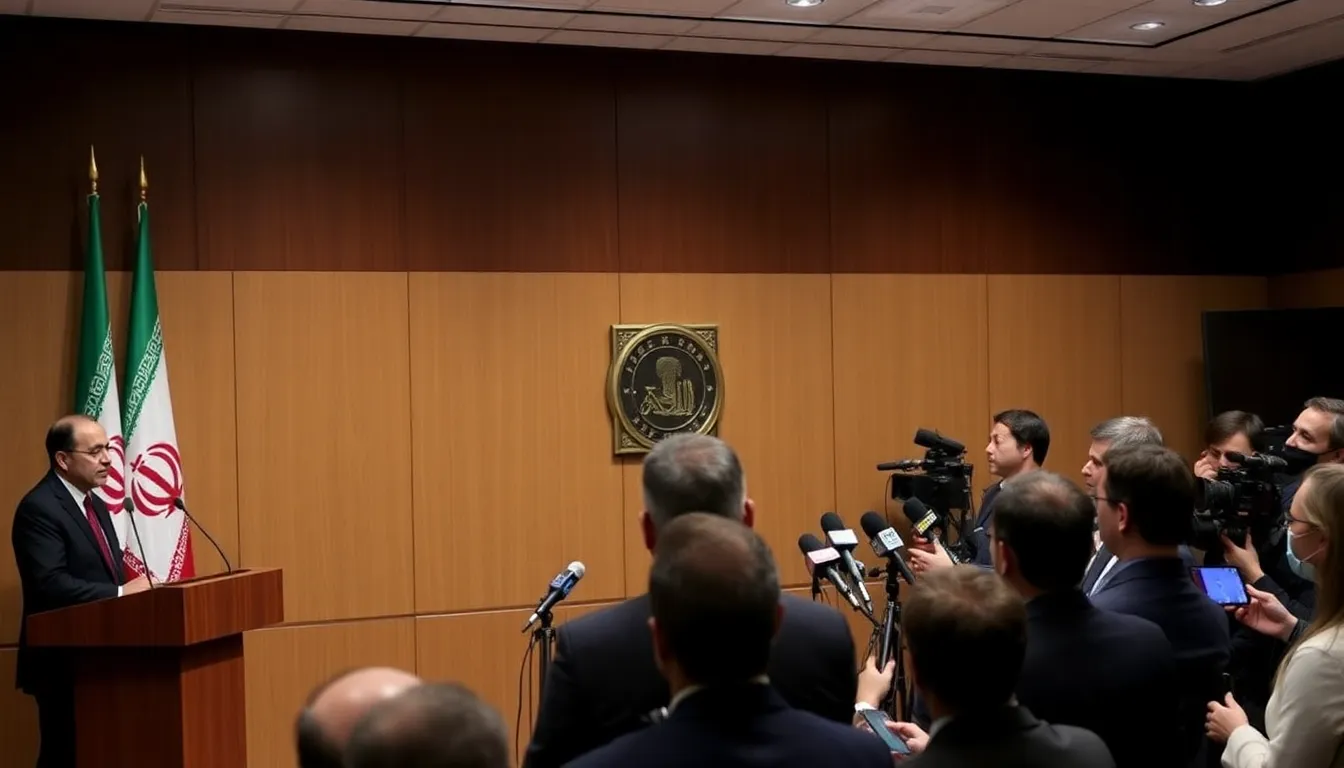
The Iranian government, through its spokesperson, emphasized that there have been no communications from the U.S. administration regarding a cessation of enrichment. This declaration was made during a press briefing on October 15, 2023, highlighting the complexities surrounding the negotiations aimed at reviving the 2015 nuclear deal.
The enrichment of uranium is a critical issue as it can be used for both civilian energy purposes and, at higher levels, for nuclear weapons. Iran’s advancements in this area have raised alarms among Western nations, particularly the U.S. and its allies, who fear that the country may be moving closer to developing nuclear weapons capabilities.
As diplomatic efforts continue to stall, the lack of direct communication from the U.S. raises questions about the future of negotiations. This situation not only affects regional stability but also has broader implications for global non-proliferation efforts and international relations.
Understanding the history of Iran’s nuclear program
Iran’s nuclear program has been a focal point of international tension since its inception in the 1950s. Initially supported by the United States under the Atoms for Peace program, Iran sought to develop nuclear technology for peaceful purposes. However, the 1979 Iranian Revolution drastically shifted the geopolitical landscape, leading to suspicions about Iran’s intentions and the potential militarization of its nuclear capabilities.
In the early 2000s, concerns over Iran’s nuclear ambitions intensified as the nation began to enrich uranium, a process that can be used for both civilian energy production and the development of nuclear weapons. The International Atomic Energy Agency (IAEA) began investigating Iran’s nuclear activities, revealing that the country had concealed aspects of its program, further exacerbating fears among Western nations.
Key milestones in Iran’s nuclear timeline
Several pivotal moments have shaped the trajectory of Iran’s nuclear program. In 2006, the United Nations Security Council imposed sanctions on Iran after it refused to suspend its uranium enrichment activities. The situation escalated with a series of negotiations and agreements, notably the Joint Comprehensive Plan of Action (JCPOA) in 2015, which aimed to limit Iran’s nuclear capabilities in exchange for the lifting of sanctions.
The U.S. withdrawal from the JCPOA in 2018 under the Trump administration marked a significant turning point, leading to the re-imposition of stringent sanctions on Iran. In response, Iran gradually increased its uranium enrichment levels, asserting its right to pursue nuclear technology while claiming it was for peaceful purposes. This ongoing cycle of negotiation, sanctions, and enrichment has kept the issue at the forefront of international relations.
As of now, Iran maintains that it has not received any formal request from the U.S. to halt its uranium enrichment activities, further complicating the diplomatic landscape. The interplay of historical grievances, national pride, and geopolitical strategy continues to influence Iran’s stance on its nuclear program, making it a critical issue in global politics.
Key stakeholders and implications of Iran’s statement
The recent assertion by Iran that the United States has not requested it to halt its uranium enrichment activities highlights a complex web of stakeholders with varying interests. The primary actors in this scenario include the Iranian government, the U.S. administration, international watchdogs such as the International Atomic Energy Agency (IAEA), and regional powers like Israel and Saudi Arabia. Each of these entities has distinct objectives that influence their responses to Iran’s nuclear program.
Iran’s government aims to assert its sovereignty and technological advancement through its uranium enrichment program, which it argues is for peaceful purposes. The U.S., on the other hand, is focused on curbing Iran’s nuclear capabilities due to concerns over potential weaponization. This conflicting stance creates a significant tension between the two nations, as the U.S. seeks to maintain regional stability and prevent nuclear proliferation.
International organizations like the IAEA play a crucial role in monitoring nuclear activities and ensuring compliance with international agreements. Their involvement is essential for maintaining transparency and accountability in Iran’s nuclear program.
- Diplomatic Relations: The lack of communication from the U.S. regarding uranium enrichment may indicate a broader strategy or a breakdown in diplomatic relations.
- Regional Security: Countries like Israel and Saudi Arabia view Iran’s nuclear ambitions as a direct threat, leading to increased military preparedness and regional tensions.
- Economic Sanctions: The U.S. has imposed sanctions on Iran in response to its nuclear activities, impacting Iran’s economy and influencing its political decisions.
- Public Perception: Both nations must consider domestic public opinion, which can affect their foreign policy decisions and international negotiations.
In summary, the interplay between these stakeholders reveals a multifaceted issue where legal, economic, and geopolitical factors converge. The ongoing discourse surrounding Iran’s uranium enrichment program continues to shape the dynamics of international relations and regional security in the Middle East.
Potential effects on global nuclear policy and regional stability
The announcement from Iran regarding its uranium enrichment activities has significant implications for various groups and industries. Primarily, it affects diplomatic relations between Iran and Western nations, particularly the United States and European Union member states. The ongoing tensions could lead to a shift in international alliances and influence global nuclear policy.
In the short term, businesses engaged in energy and defense sectors may experience volatility. Companies involved in oil and gas production could see fluctuations in prices due to heightened geopolitical risks in the Middle East. Additionally, defense contractors may benefit from increased government spending on military preparedness in response to perceived threats from Iran’s nuclear ambitions.
In the mid-term, the potential for sanctions or military actions could disrupt trade routes and impact global supply chains. Countries in the region, particularly those bordering Iran, may face increased security concerns, leading to a rise in defense expenditures. This could divert funds from social programs, affecting daily life for citizens in these nations.
However, there are also opportunities that may arise from this situation. Countries that are not aligned with the U.S. could seek to strengthen ties with Iran, creating new trade partnerships. Additionally, advancements in nuclear technology and energy production may be spurred as nations look to secure their energy independence amidst global tensions.
- Increased volatility in global oil and gas markets.
- Potential rise in defense spending among neighboring countries.
- Opportunities for non-aligned nations to forge new trade relationships.
- Advancements in nuclear technology as countries seek energy independence.
A: Iran’s assertion that the U.S. has not asked it to stop enriching uranium complicates ongoing nuclear negotiations, indicating a potential stalemate in talks. A: Uranium enrichment is a critical issue in international relations as it relates to nuclear weapons proliferation, affecting diplomatic ties and security agreements. A: Continued uranium enrichment by Iran could lead to increased tensions with Western nations and may provoke sanctions or military responses. A: As of now, the U.S. has not publicly commented on Iran’s claims, leaving the situation open to interpretation and speculation. A: The status of the Joint Comprehensive Plan of Action remains uncertain, with ongoing debates about compliance and future negotiations.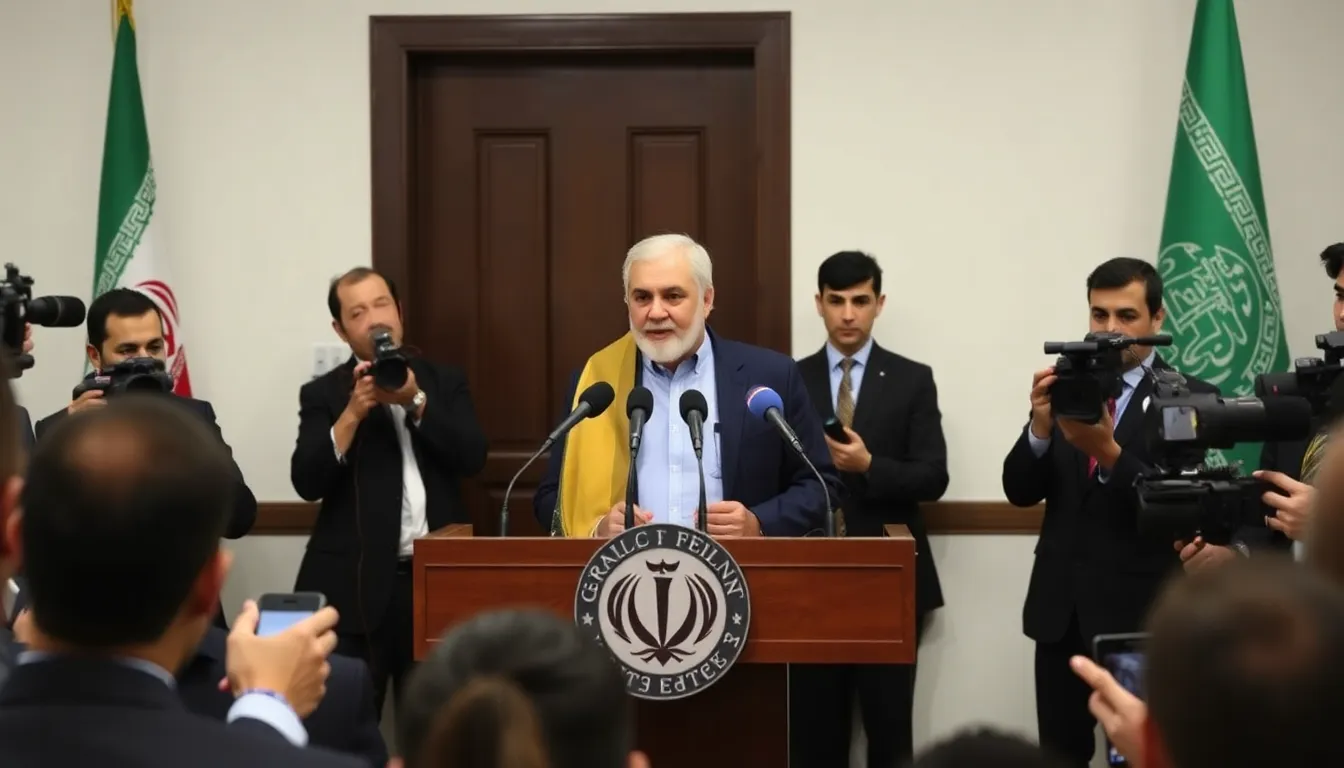
Frequently asked questions about Iran’s uranium enrichment
Future outlook on Iran’s nuclear activities and U.S. relations
The current stance of Iran regarding its uranium enrichment activities underscores a complex interplay between national security ambitions and international diplomatic efforts. As the U.S. has not made direct requests to halt these activities, it raises questions about the effectiveness of ongoing negotiations and the potential for future engagement. The situation remains fluid, with the possibility of shifting dynamics depending on both domestic pressures within Iran and broader geopolitical developments.
Monitoring the reactions from both Iranian officials and U.S. policymakers will be crucial in the coming months. The implications of Iran’s nuclear advancements could reshape regional security frameworks and influence global non-proliferation efforts. Stakeholders must remain vigilant as the narrative evolves, particularly in the context of alliances and adversarial relationships in the Middle East.
- Watch for potential shifts in U.S. diplomatic strategy as it relates to Iran’s nuclear program.
- Observe the international community’s response and any emerging coalitions aimed at addressing Iran’s enrichment activities.
- Consider the impact of Iran’s nuclear advancements on regional security dynamics, particularly with neighboring countries.
- Pay attention to domestic political developments in Iran that may influence its nuclear policy and international relations.
- Monitor the role of international organizations in facilitating dialogue and ensuring compliance with nuclear agreements.