
In recent years, various organizations have begun to leverage sports, specifically football, as a tool for empowerment and resistance against this harmful practice. Initiatives like the Girl Power Project launched in 2021, have aimed to provide girls with not only athletic skills but also confidence and a platform to voice their rights.
Football clubs and NGOs are actively engaging communities to raise awareness about the dangers of forced marriage. For instance, in countries like Pakistan and Bangladesh, local teams have organized tournaments that highlight the importance of girls’ education and personal autonomy, drawing attention from both local leaders and international media.
The impact of these efforts is beginning to show, as more girls are encouraged to pursue their dreams beyond traditional expectations. Participation in sports has been linked to increased self-esteem and assertiveness, equipping young girls with the tools to challenge societal norms and advocate for their freedom.
Recommended Articles
- Original Bramley apple tree at risk as site is put up for sale
- Brady Tkachuk expresses strong emotions ahead of Olympic final
- Stroke survivors trial new at-home tech gives them freedom back
- Microsoft error exposes confidential emails to AI tool Copilot
- Anthony Gordon shines as Newcastle dominates Qarabag in playoff
- Original Bramley apple tree at risk as site is put up for sale
- Brady Tkachuk expresses strong emotions ahead of Olympic final
- Stroke survivors trial new at-home tech gives them freedom back
- Microsoft error exposes confidential emails to AI tool Copilot
- Anthony Gordon shines as Newcastle dominates Qarabag in playoff
Understanding the cultural context of forced marriage
Forced marriage is a complex issue that intertwines with various cultural, social, and economic factors. Historically, many societies have viewed marriage as a means of securing alliances, transferring wealth, or ensuring lineage continuity. In many cultures, particularly in parts of South Asia, the Middle East, and Africa, marriages have been arranged by families, often prioritizing familial obligations over individual desires. This practice has roots in traditional customs and social structures that emphasize collective responsibility over personal autonomy.
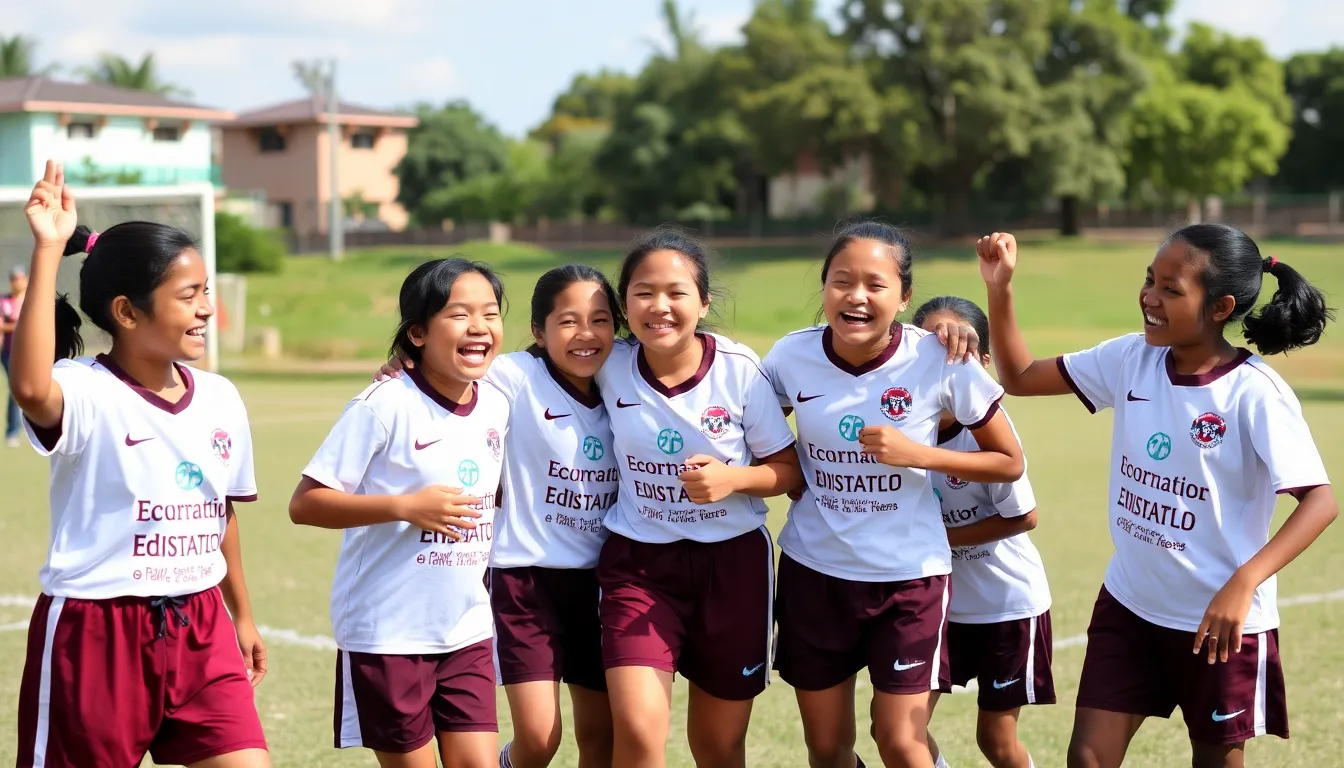
The political landscape also plays a significant role in perpetuating forced marriage. In regions where women’s rights are limited, legal frameworks may not adequately protect girls from being coerced into marriage. Governments may lack the political will to enforce laws against forced marriage or may even be complicit in upholding cultural practices that endorse it. This lack of support can leave girls vulnerable, with few avenues for escape from oppressive situations.
Economically, forced marriage can be seen as a strategy to alleviate financial burdens on families. In many communities, marrying off daughters can be perceived as a way to reduce household expenses or secure financial stability through dowries. This economic incentive can lead families to prioritize immediate financial relief over the long-term well-being of their daughters, often resulting in a cycle of poverty and dependency.
The role of football in empowering girls
In recent years, football has emerged as a powerful tool for empowering girls and challenging the norms surrounding forced marriage. Various grassroots organizations have harnessed the popularity of the sport to create safe spaces for girls, allowing them to build confidence, develop leadership skills, and foster a sense of community. Through participation in football, girls are not only gaining physical strength but are also learning to assert their rights and challenge societal expectations, ultimately providing them with the tools to resist forced marriage.
Key stakeholders in the fight against forced marriage
In the ongoing battle against forced marriage, various stakeholders play crucial roles, each with distinct interests and influences. Among these are non-governmental organizations (NGOs), local communities, governments, and international bodies, all of which contribute to shaping policies and practices that impact girls’ rights and empowerment through football.
NGOs such as Girls Not Brides and Football for Hope are at the forefront, advocating for girls’ rights and providing platforms for empowerment. Their interests lie in promoting education, raising awareness, and creating safe spaces for girls where they can engage in sports, thereby enhancing their social skills and confidence. These organizations often collaborate with local communities to implement grassroots programs that leverage football as a tool for social change.
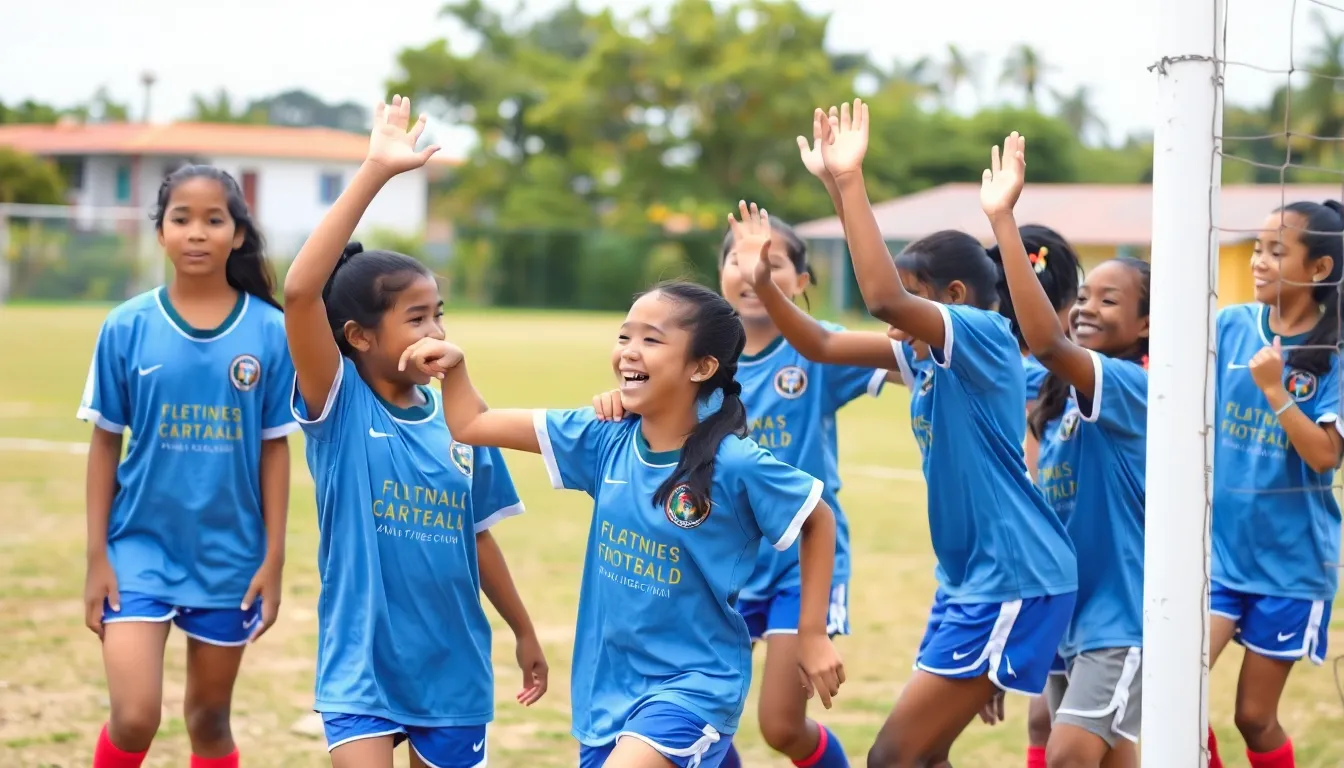
Governments also play a pivotal role, as they are responsible for enforcing laws against forced marriage and supporting initiatives aimed at protecting girls. However, conflicts can arise between traditional practices and legal frameworks, leading to challenges in implementation. For instance, in some regions, cultural norms may prioritize familial obligations over individual rights, creating trade-offs that can hinder progress.
- Local communities may resist changes advocated by NGOs, fearing loss of cultural identity.
- Economic issues arise when families prioritize financial gain from early marriages over education and sports for girls.
- International bodies like the United Nations influence policy through funding and advocacy, but their reach can be limited by local governance structures.
Furthermore, the intersection of legal, economic, and social factors complicates the landscape. While laws against forced marriage exist in many countries, enforcement is often weak, and economic dependency can trap girls in cycles of poverty and abuse. Football initiatives that provide scholarships or job training can serve as a counterbalance, offering girls viable alternatives to forced marriage.
The positive impact of football on girls’ lives
Football is emerging as a powerful tool for empowering girls, particularly in regions where forced marriage remains prevalent. This sport not only provides a platform for physical activity but also fosters social change, impacting various groups including young girls, families, communities, and local organizations. In areas where cultural norms restrict girls’ freedoms, football offers an alternative narrative that promotes autonomy and self-expression.
In the short term, girls participating in football experience increased confidence and improved social skills, which can lead to greater community acceptance and support. Families may begin to see the value of allowing girls to engage in sports, recognizing that participation can lead to educational opportunities and a brighter future. This shift can also influence local businesses, as increased engagement in sports can drive demand for sports-related goods and services.
Mid-term impacts can be observed in changing policies and attitudes towards gender equality. As more girls join football teams, advocacy for girls’ rights may gain momentum, prompting local governments and organizations to implement policies that protect girls from forced marriage. This can create a ripple effect, encouraging more families to reconsider traditional practices that limit girls’ potential.
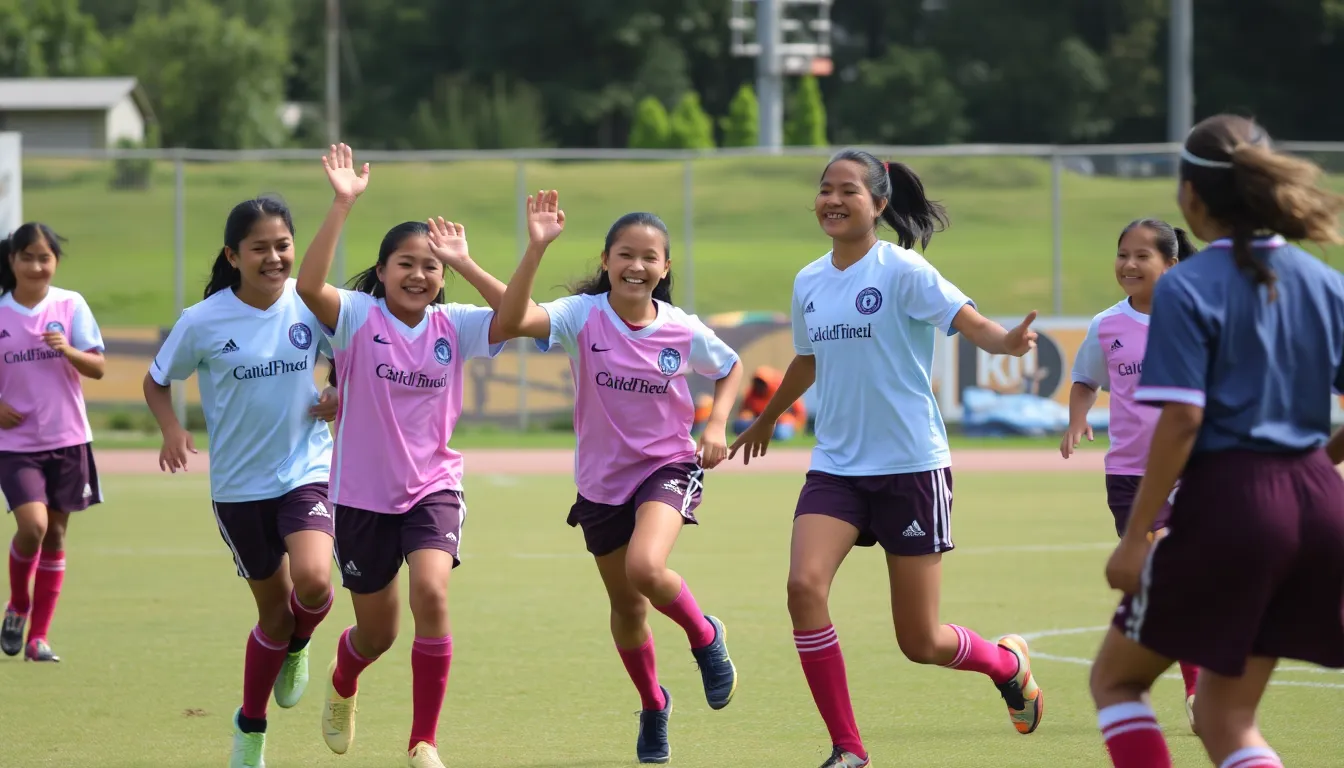
- Empowerment: Girls gain confidence and leadership skills.
- Community engagement: Families and communities become more supportive of girls’ education and rights.
- Policy change: Increased advocacy leads to more protective measures against forced marriage.
- Economic opportunities: Growth in local sports-related businesses and initiatives.
However, there are risks involved as well. In some areas, backlash from conservative factions may arise, leading to increased pressure on girls who choose to participate in football. Additionally, if not managed properly, the commercialization of women’s football could overshadow its original empowerment goals, potentially exploiting young athletes rather than uplifting them.
Despite these challenges, the potential opportunities for growth and change are significant. By harnessing the power of football, communities can create safe spaces for girls to thrive, ultimately challenging the norms that perpetuate forced marriage and fostering a new generation of empowered young women.
A: Football provides girls with a platform to build confidence, develop leadership skills, and foster a sense of community, which empowers them to stand against forced marriage. A: Yes, various organizations implement football programs that educate girls about their rights and provide them with the tools to challenge societal norms. A: Forced marriage predominantly affects girls aged between 12 and 18, although it can impact younger girls as well. A: Absolutely, showcasing girls in sports challenges traditional gender roles and promotes the idea that girls can pursue their dreams and ambitions. A: Communities can support girls by providing safe spaces for play, encouraging participation, and advocating for gender equality in sports.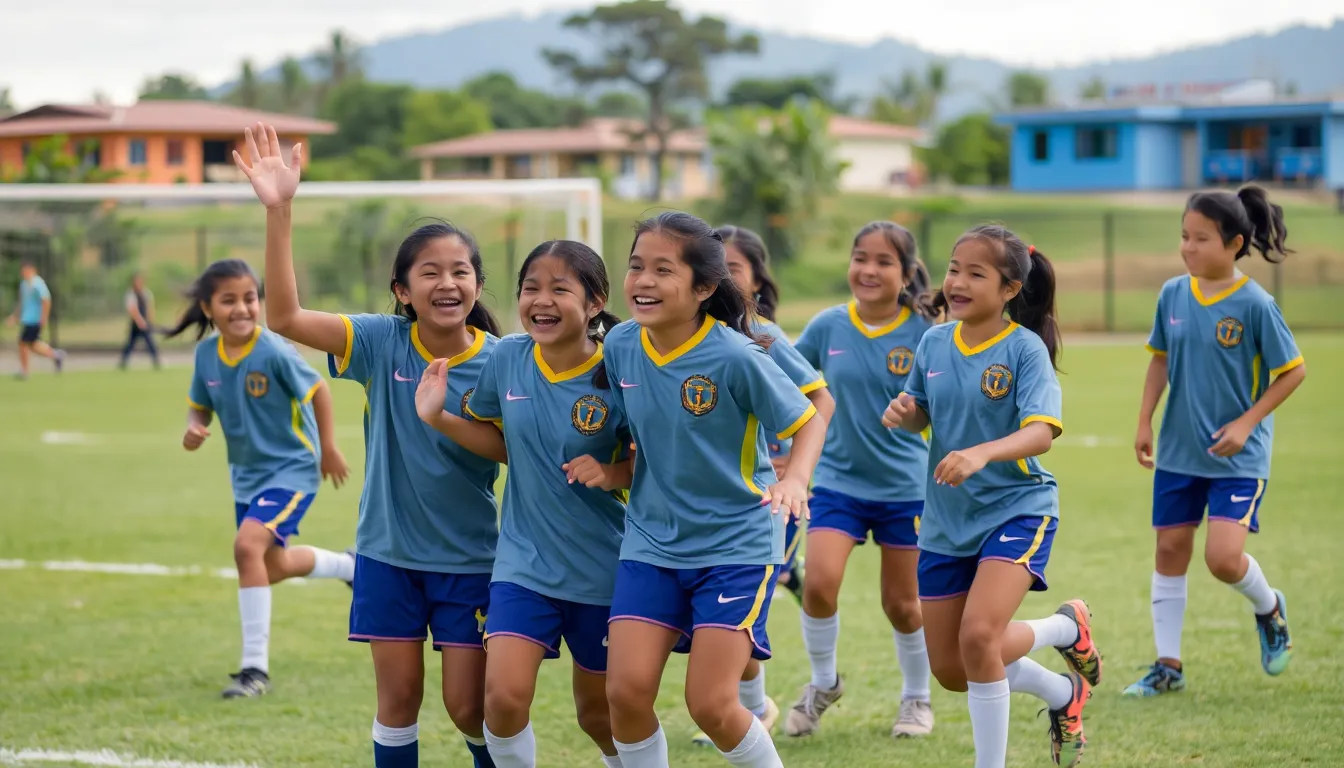
Frequently asked questions about football and forced marriage
Future outlook on football’s role in combating forced marriage
As the intersection of sports and social issues continues to gain attention, football emerges as a powerful tool in the fight against forced marriage. By providing girls with a platform to express themselves, build confidence, and develop leadership skills, football not only fosters a sense of community but also empowers them to challenge societal norms. The ongoing support from organizations and local communities will be crucial in sustaining these initiatives and ensuring that the benefits of football extend beyond the pitch.
Looking ahead, the potential for football to transform the lives of young girls is significant. By integrating educational programs and advocacy efforts within football initiatives, stakeholders can create a holistic approach that addresses the root causes of forced marriage while promoting gender equality. This multifaceted strategy is essential for creating lasting change in the lives of girls worldwide.
- Community Engagement: Increased involvement from local communities can amplify the impact of football programs aimed at empowering girls.
- Partnerships: Collaborations between sports organizations, NGOs, and educational institutions can enhance resources and support for girls.
- Advocacy: Leveraging the visibility of football to advocate against forced marriage can raise awareness and influence policy changes.
- Mentorship Programs: Establishing mentorship opportunities within football can provide girls with role models and guidance in navigating challenges.