
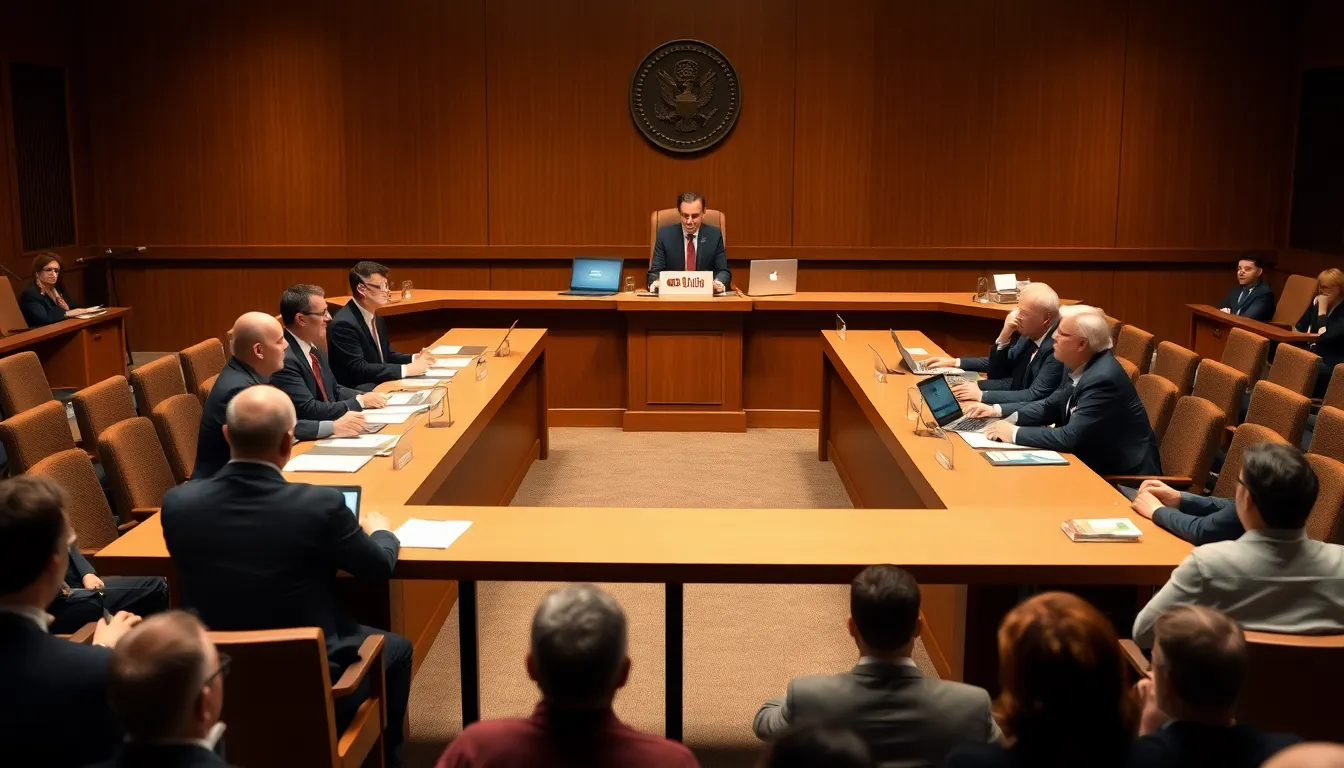
At the heart of the trial are allegations that these platforms have facilitated gambling-like environments through their monetization strategies and interactive features. Critics argue that these practices could lead to addictive behaviors, particularly among younger users who are more susceptible to such influences. The implications of this case extend beyond the immediate parties involved, potentially setting precedents for how digital content is regulated, similar to the ongoing discussions around TikTok’s design features.
Key figures in the trial include representatives from Meta and YouTube, as well as legal advocates for consumer rights. The proceedings are expected to explore the ethical responsibilities of tech companies in safeguarding their users from potential harms associated with their platforms. As the trial unfolds, it is likely to draw significant media attention and public interest, highlighting the intersection of technology, law, and consumer protection.
The outcome of this trial could reshape the landscape of digital media and online gaming, influencing future legislation and corporate policies. Stakeholders from various sectors, including technology, gaming, and law, are closely monitoring the developments, as they could have far-reaching effects on how digital interactions are governed in the years to come.
Understanding the rise of digital casinos in the gaming industry
The emergence of digital casinos has transformed the landscape of the gaming industry, driven by rapid advancements in technology and shifting consumer behaviors. Over the past two decades, the proliferation of the internet and mobile devices has made online gambling more accessible than ever, leading to a significant increase in participation among users worldwide. This shift has not only changed how traditional casinos operate but has also prompted tech giants like Meta and YouTube to explore opportunities in this lucrative market, which echoes trends in human and AI interactions.
The legal framework surrounding online gambling has evolved in tandem with these technological advancements. In the United States, the repeal of the Professional and Amateur Sports Protection Act (PASPA) in 2018 marked a pivotal moment, allowing states to regulate sports betting and paving the way for online casinos to flourish. This legislative shift has encouraged companies to invest heavily in digital platforms, creating a competitive environment that has drawn scrutiny from regulators and legal experts alike.
The role of social media in shaping digital gambling
Social media platforms have played a crucial role in the rise of digital casinos, serving as a marketing tool and a space for community engagement. Meta and YouTube, with their vast user bases, have become central to the promotion of online gambling activities, often blurring the lines between entertainment and gambling. This has raised concerns about the potential for addiction and the ethical implications of targeting younger audiences, as many users are exposed to gambling content through social media channels.
As digital casinos continue to gain traction, landmark cases have emerged that challenge the responsibilities of tech companies in regulating gambling content. The ongoing trial involving Meta and YouTube exemplifies the growing tension between innovation in the gaming industry and the need for responsible practices. Legal experts argue that these platforms should be held accountable for the promotion of gambling, especially in light of their influence on impressionable users.
In summary, the rise of digital casinos is a multifaceted issue shaped by technological, legal, and social dynamics. As the industry evolves, the outcomes of current legal battles will likely set important precedents for how digital gambling is regulated in the future, impacting not only the companies involved but also the wider landscape of online gaming.
Key stakeholders and arguments in the trial
The landmark trial concerning Meta and YouTube’s alleged creation of ‘digital casinos’ has brought several key stakeholders to the forefront. These include the tech giants themselves, regulators, legal experts, and the users of these platforms. Each party has distinct interests that shape their involvement in the case, much like the complexities noted in lobbying efforts within international business.
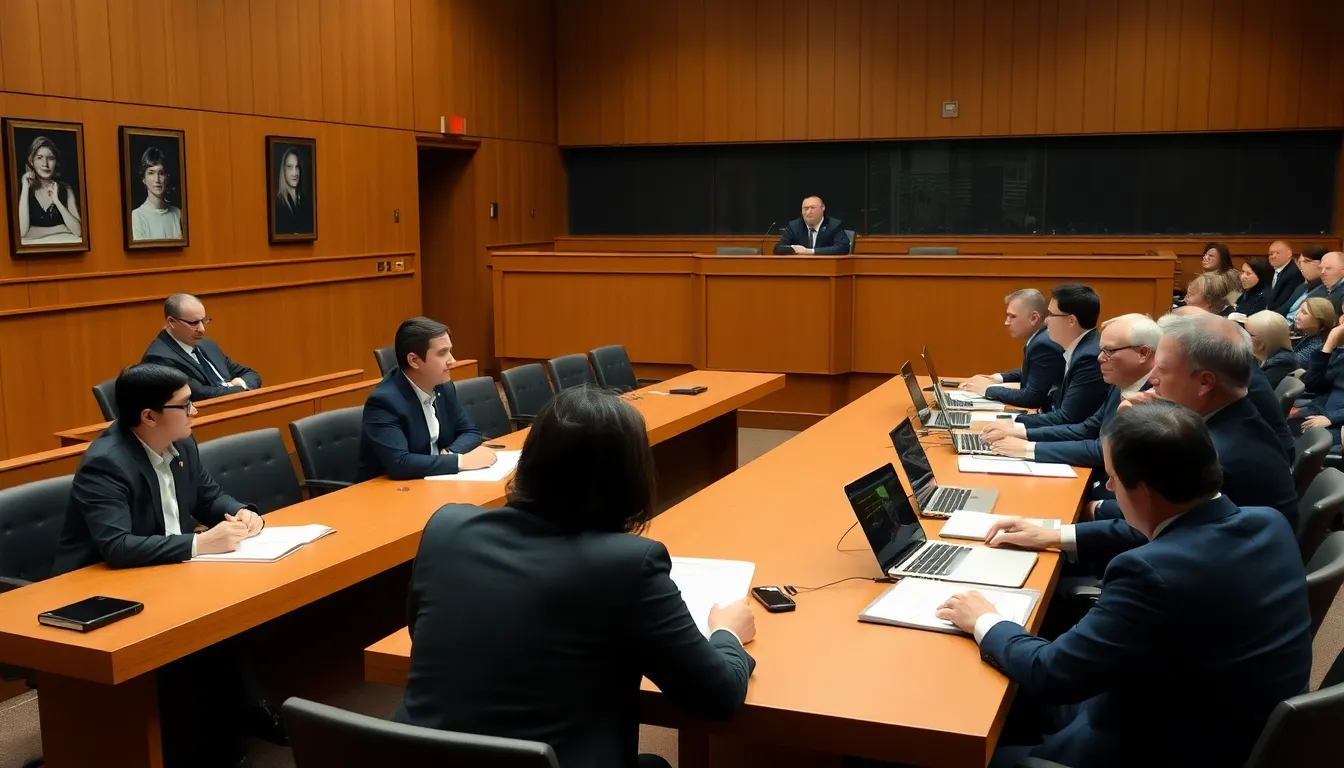
Meta and YouTube are primarily focused on defending their business models, which incorporate elements of gamification and monetization strategies that some critics argue resemble gambling. Their legal teams assert that these features enhance user engagement and provide entertainment, rather than constituting gambling activities. The companies aim to demonstrate that they operate within legal frameworks and that their platforms promote responsible usage.
On the other hand, regulators and lawmakers are concerned about the potential risks associated with these digital platforms. They argue that the gamified elements can lead to addictive behaviors, particularly among younger users who may not fully understand the implications of their online activities. This concern has prompted calls for stricter regulations to protect vulnerable populations and ensure transparency in digital transactions.
- Legal implications: The trial raises questions about existing laws governing online gambling and whether current regulations are adequate to address the evolving digital landscape.
- Economic interests: Both Meta and YouTube generate significant revenue from advertising and user engagement, which could be jeopardized by stricter regulations.
- User safety: Advocates for consumer protection emphasize the need for safeguards against potential exploitation and addictive behaviors.
- Public perception: The outcome of the trial may influence public trust in these platforms and their commitment to user welfare.
Legal experts are also closely monitoring the proceedings, as the trial could set significant precedents for how digital platforms are regulated in the future. The interplay between innovation, user engagement, and regulatory oversight will be a critical factor in determining the trial’s outcome and its implications for the tech industry at large.
Potential effects on users and the gaming market
The ongoing trial against Meta and YouTube regarding their role in creating ‘digital casinos’ has far-reaching implications for various groups, particularly users, gaming companies, and regulatory bodies. The outcome will not only influence the companies involved but also set a precedent for how digital platforms manage gambling content and user engagement.
Users, especially younger demographics who are more susceptible to online gaming, may find themselves at the center of this issue. The trial raises concerns about the potential for addictive behaviors and the normalization of gambling in digital spaces. As these platforms continue to integrate gaming features, users may experience increased exposure to gambling-related content, which could have detrimental effects on mental health and financial stability.
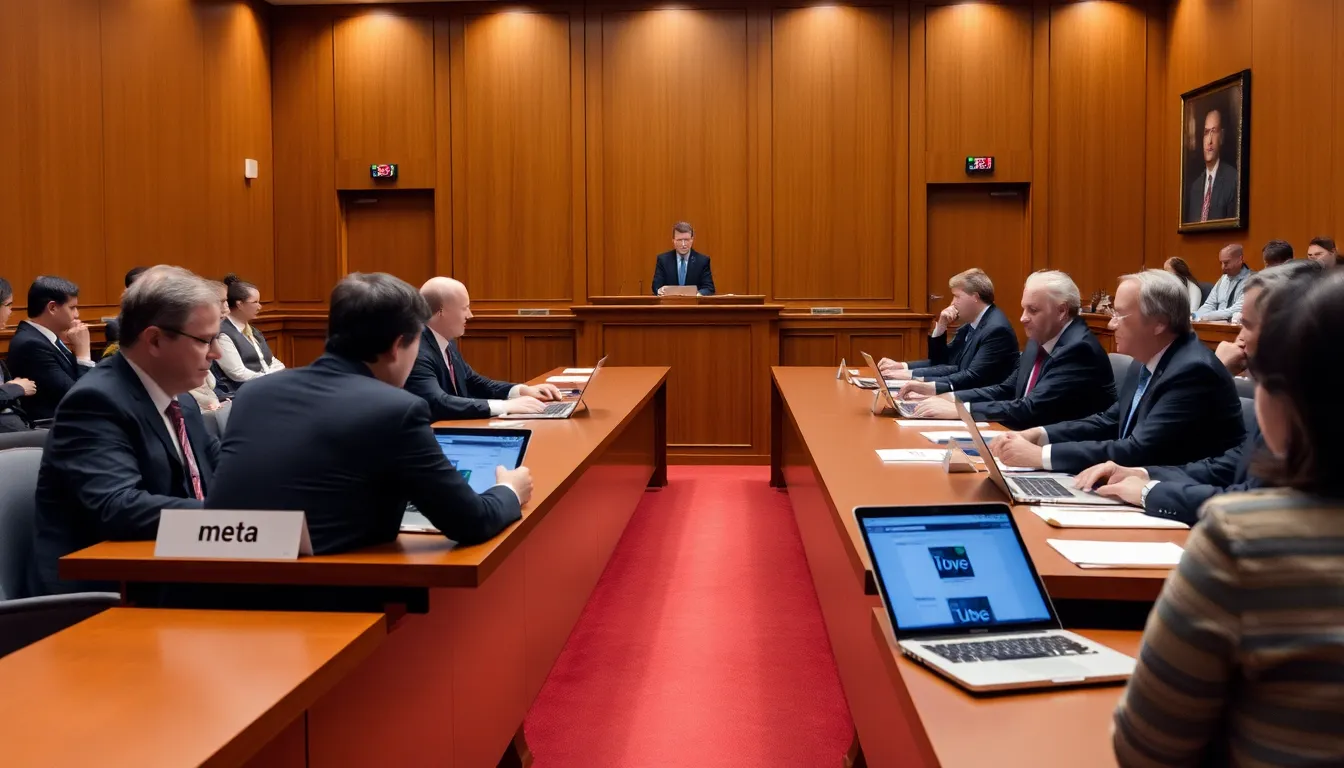
For the gaming industry, the trial could lead to stricter regulations and oversight, affecting how companies design and market their products. Short-term impacts may include immediate changes in advertising strategies and content moderation policies. In the mid-term, companies may need to invest in compliance measures and adapt their business models to align with new legal frameworks.
- Increased regulation of digital gambling content.
- Potential for new market opportunities in responsible gaming technologies.
- Changes in user engagement strategies for social media platforms.
Moreover, this trial could spark a broader conversation about the ethics of integrating gambling into social media platforms. As public awareness grows, there may be opportunities for advocacy groups to influence policy changes that prioritize user safety. Conversely, companies that adapt quickly to these changes may find new avenues for growth in responsible gaming initiatives.
A: Digital casinos refer to online platforms that simulate traditional casino games, allowing users to gamble virtually. They often incorporate elements of social media and gaming. A: Lawyers argue that these platforms have created environments akin to digital casinos, potentially violating gambling laws and regulations. A: The trial could set important legal precedents regarding online gambling and the responsibilities of social media platforms in regulating user interactions. A: Depending on the trial’s outcome, users may face stricter regulations on gambling activities on these platforms, impacting their experiences and access. A: Yes, many jurisdictions have specific laws governing online gambling, but enforcement and applicability can vary widely.
Frequently asked questions about the trial
Future outlook on digital casinos and regulatory responses
The ongoing trial against Meta and YouTube highlights the growing concerns surrounding the gamification of digital platforms and their potential classification as ‘digital casinos.’ As more users engage with these platforms, the implications for user behavior, especially among younger audiences, become increasingly significant. This legal scrutiny may prompt regulators to take a closer look at the intersection of social media and gambling, potentially leading to new guidelines or restrictions aimed at protecting consumers.
As the case unfolds, it is essential to monitor how both companies respond to these allegations and what measures they might implement to mitigate risks. The outcome could set a precedent for how digital platforms are regulated in the future, influencing not only Meta and YouTube but the broader tech industry as well.
- Increased Regulatory Scrutiny: Expect more stringent regulations targeting digital platforms that incorporate gambling-like features.
- Impact on User Engagement: Changes in platform policies may alter user engagement dynamics, particularly among vulnerable demographics.
- Precedent for Future Cases: The trial could establish legal precedents affecting the classification and regulation of various digital services.
- Corporate Responsibility: Companies may face greater pressure to implement responsible gaming practices and enhance user protections.