
Local businesses are particularly affected, with many struggling to adapt to changing consumer habits and the rise of online shopping. A survey conducted by the Federation of Small Businesses in September 2023 revealed that 40% of small retailers reported a decrease in sales over the past year, prompting calls for immediate action to support these vital community hubs, including initiatives highlighted in related articles.
In response to these challenges, various local councils and community groups have initiated programs aimed at reimagining high streets. Initiatives such as pop-up markets and community events have seen some success, but experts argue that a more comprehensive strategy is necessary to create sustainable solutions. The recent “Revive Our High Streets” conference held in October 2023 brought together stakeholders to discuss innovative approaches and share best practices, similar to discussions in other sectors.
The future of high streets is not just an economic issue; it also impacts social cohesion and community identity. With many high streets serving as gathering places, their decline could lead to a loss of community spirit. As discussions continue, it is clear that a fresh vision is essential to address these pressing issues and ensure the longevity of local retail environments.
Understanding the historical significance of high streets
High streets have long been the heart of British communities, serving as vital social and economic hubs. Historically, they emerged as marketplaces where local producers and artisans could sell their goods, fostering a sense of community and local identity. This tradition dates back to medieval times when towns began to develop around key trade routes, with high streets evolving into bustling centers of commerce.
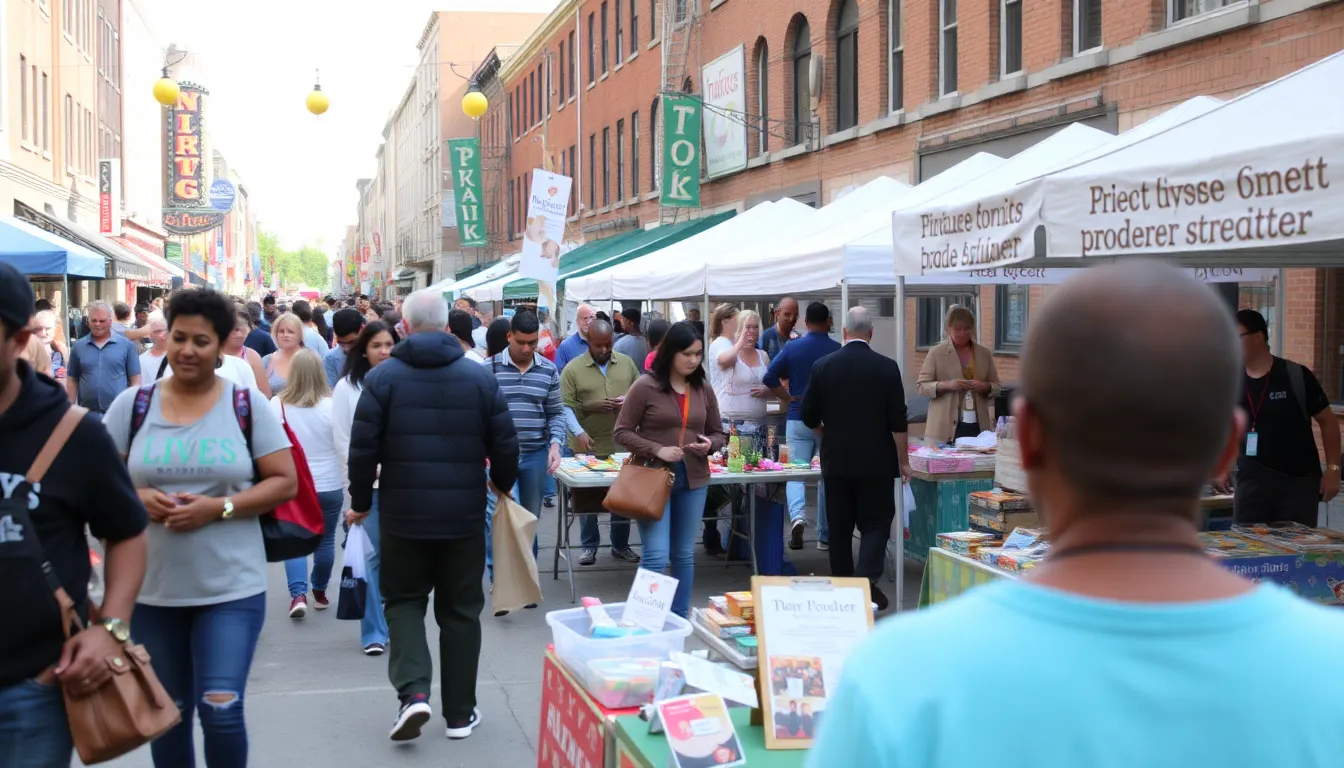
Throughout the 20th century, high streets continued to flourish, adapting to changing consumer behaviors and economic conditions. The post-World War II era saw a boom in retail, as suburbanization and increased car ownership led to the rise of shopping malls and out-of-town retail parks. This shift began to challenge the traditional high street model, leading to a gradual decline in foot traffic and local businesses.
The Impact of Economic Changes
The economic landscape has further shifted in recent decades, particularly with the advent of online shopping. The rise of e-commerce giants has transformed consumer expectations, as convenience and price often take precedence over the local shopping experience. This trend has been exacerbated by the COVID-19 pandemic, which forced many high street retailers to close temporarily, leading to permanent closures for some and a significant loss of jobs, impacting the broader economic stability as discussed in current financial articles.
Political decisions have also played a role in shaping the fate of high streets. Government policies regarding urban planning, business rates, and support for local enterprises have influenced the viability of high street retail. Initiatives aimed at revitalizing these areas have emerged, but the effectiveness of such measures remains a topic of debate among stakeholders.
As communities grapple with the challenges facing high streets, there is a growing call for a fresh vision that embraces innovation and sustainability. The need for a collaborative approach involving local authorities, businesses, and residents is crucial to reimagining high streets as vibrant spaces that cater to the evolving needs of society.
Key stakeholders and their roles in high street revitalization
The revitalization of high streets involves a diverse array of stakeholders, each with distinct interests and influences. Local governments play a crucial role by establishing policies and regulations that can either facilitate or hinder development. Their interests often align with community welfare, economic growth, and urban planning. In contrast, private businesses, including retailers and service providers, seek to maximize profit and attract customers, often prioritizing foot traffic and consumer engagement.
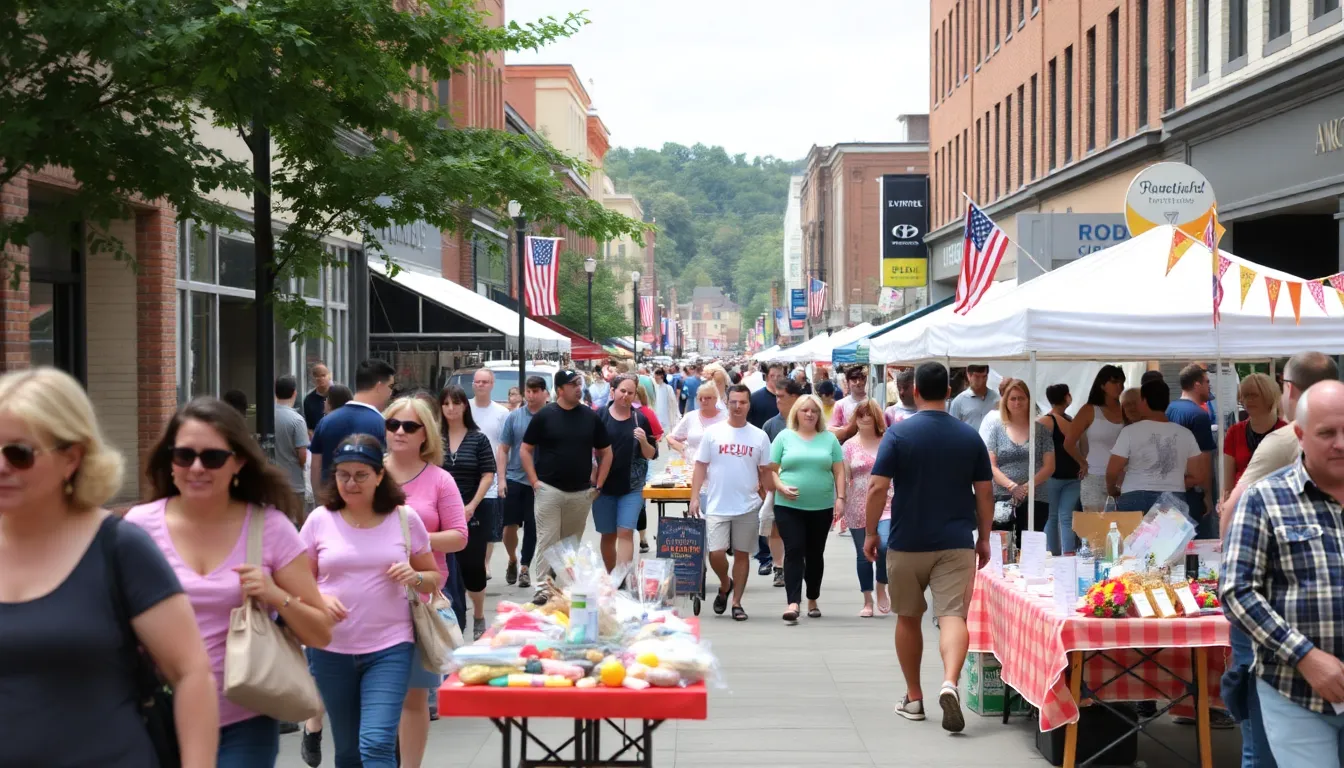
Community organizations and resident groups also have a significant stake in the revitalization efforts. These entities advocate for the needs and preferences of local residents, emphasizing the importance of maintaining the character and accessibility of high streets. Their interests may conflict with those of commercial stakeholders, particularly when it comes to issues such as gentrification and the preservation of cultural heritage.
Moreover, property developers and investors are key players in the high street landscape. They typically focus on financial returns and may propose new projects that can alter the existing character of the area. This can lead to trade-offs between economic development and community preservation, raising legal and ethical questions about the balance between profit and public interest.
- Local Governments: Responsible for zoning laws and economic incentives.
- Business Owners: Interested in increasing sales and attracting more customers.
- Community Groups: Advocate for local needs and cultural preservation.
- Developers and Investors: Focus on profitability and potential returns on investment.
- Consumers: Drive demand and influence the types of businesses that thrive.
Key legal issues often arise around land use, tenant rights, and commercial leases, which can complicate the revitalization process. Economic challenges, such as the impact of online shopping and changing consumer preferences, further complicate the landscape, necessitating a collaborative approach among all stakeholders to create a sustainable vision for high streets.
The impact of declining high streets on local communities
The decline of high streets affects a wide range of groups, including local residents, small business owners, and municipal governments. Communities that rely on vibrant high streets for social interaction and economic activity face significant challenges as shops close and foot traffic dwindles. This trend particularly impacts lower-income areas where access to goods and services is limited.
In the short term, the immediate effects are felt in daily life, as residents find fewer local shopping options and greater distances to travel for essential items. Small businesses, often the backbone of high streets, struggle with reduced customer numbers, leading to layoffs and closures. This not only affects the business owners but also the employees and their families.
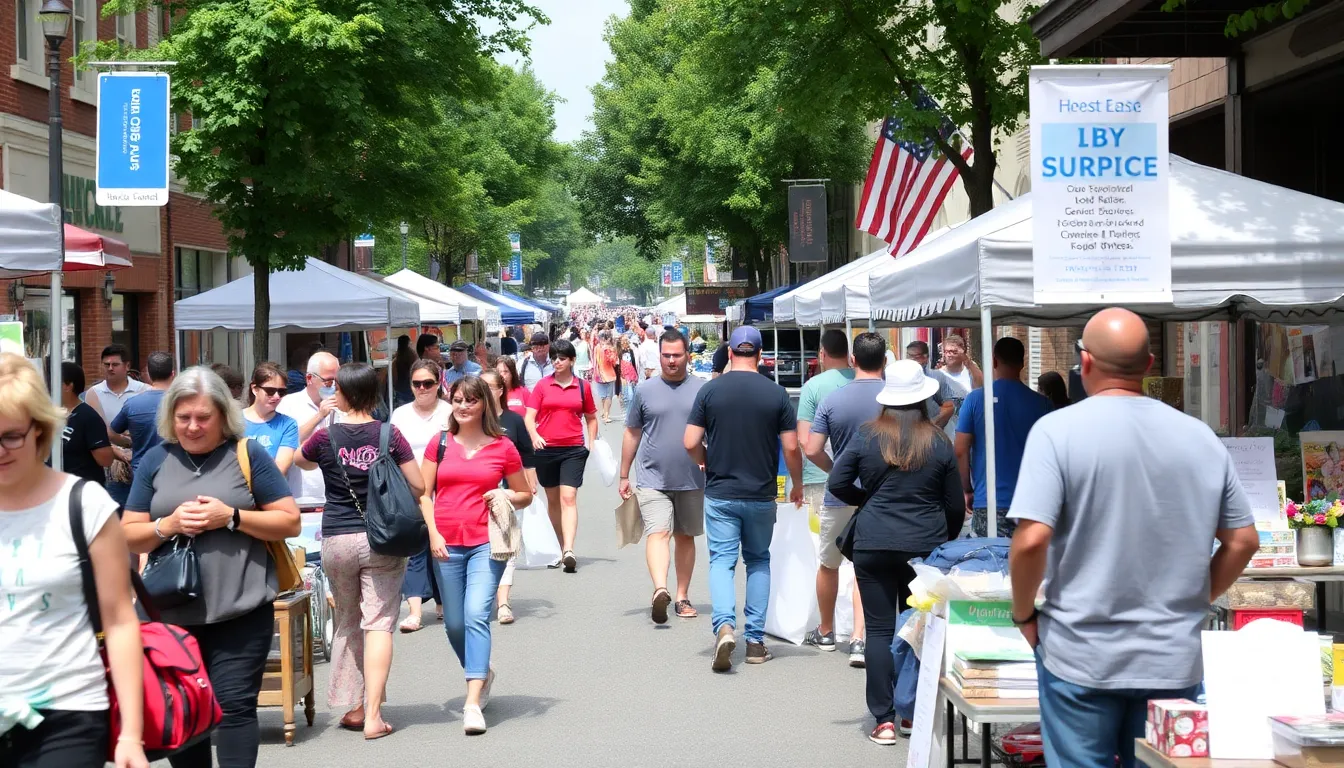
Mid-term impacts may include shifts in local policy as governments seek to revitalize these areas. Potential initiatives could involve reimagining high streets as mixed-use spaces that combine retail, dining, and community services. However, there are risks involved, including potential gentrification, which could alienate long-time residents.
- Risks: Increased unemployment, reduced community engagement, and potential gentrification.
- Opportunities: Innovative business models, community-led initiatives, and enhanced public spaces.
Regions that adapt quickly may find new opportunities in the evolving landscape. By embracing technology and creating unique local experiences, high streets can attract a new generation of consumers. Additionally, collaboration between local governments and businesses can foster a sense of community and encourage sustainable practices.
A: The decline of high streets can be attributed to factors such as the rise of online shopping, changing consumer habits, and economic downturns. These elements have led to decreased foot traffic and store closures. A: Local businesses can play a crucial role by offering unique products and experiences that attract customers. Collaborating with community initiatives and participating in local events can also enhance their visibility and engagement. A: Local governments can support high street revitalization by implementing policies that encourage investment, improving infrastructure, and creating a favorable environment for businesses. They can also facilitate community engagement to gather input on improvement strategies. A: Yes, several towns have successfully revitalized their high streets through innovative approaches, such as pedestrianization, mixed-use developments, and community-led initiatives. These examples serve as models for other areas. A: Consumers can help by choosing to shop locally, attending community events, and advocating for policies that support local businesses. Every purchase made at a local store contributes to the community’s economy.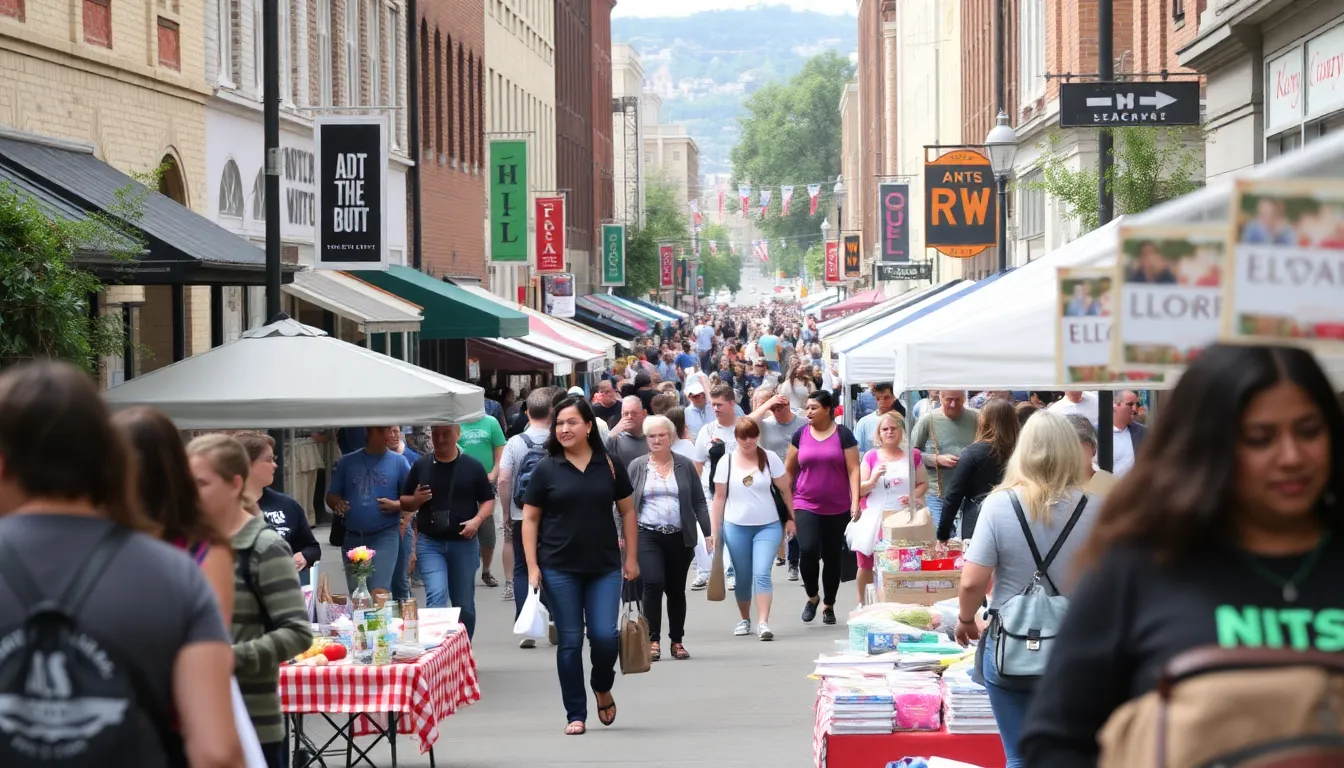
Frequently asked questions about high street revitalization
Looking ahead: Strategies for a sustainable high street future
The ongoing discussions surrounding the revitalization of high streets highlight a pressing need for innovative approaches that cater to evolving consumer behaviors and preferences. As communities grapple with the challenges posed by online shopping and changing social dynamics, a fresh vision is essential to reimagine these vital commercial spaces.
Looking forward, stakeholders must collaborate to create vibrant, multifunctional environments that encourage foot traffic and foster local economies. Emphasizing unique offerings, community engagement, and sustainability will be crucial in shaping a resilient high street landscape.
- Encourage local businesses to diversify their offerings and create unique shopping experiences that cannot be replicated online.
- Invest in public spaces and community events that draw people to high streets, enhancing their role as social hubs.
- Leverage technology to improve customer experiences, such as through mobile apps that promote local deals and events.
- Foster partnerships between local governments and businesses to support infrastructure improvements and sustainable practices.
- Monitor and adapt to changing consumer trends to ensure high streets remain relevant and appealing to future generations.