
In 2023, researchers from various institutions began focusing on specific moss species, such as Polytrichum commune and Sphagnum, which thrive in cooler, wetter climates. The findings suggest that these mosses not only store carbon but also help regulate local ecosystems by maintaining soil moisture and supporting biodiversity. You can read more about this in the article on how rare moss species are aiding in the fight against climate change.
Conservation efforts are now being initiated to protect these moss habitats, particularly in regions like the Arctic and temperate forests. Organizations are collaborating with governments and local communities to raise awareness about the role of mosses in climate resilience. By preserving these rare species, scientists hope to enhance carbon storage capabilities and promote a healthier planet.
The ongoing research and conservation initiatives underscore the interconnectedness of ecosystems and the importance of preserving even the smallest organisms. As climate change continues to pose a significant threat to global biodiversity, the role of rare moss species is emerging as a crucial element in the broader environmental strategy.
Understanding the ecological significance of mosses
Mosses, often overlooked in the grand narrative of climate change, play a crucial role in maintaining ecological balance. These small, non-vascular plants thrive in diverse environments, from dense forests to arid regions, and contribute significantly to carbon sequestration. By capturing carbon dioxide from the atmosphere, mosses help mitigate the greenhouse effect, making them vital allies in the fight against climate change. This makes understanding their ecology even more essential, as discussed in the article about climate change responses.
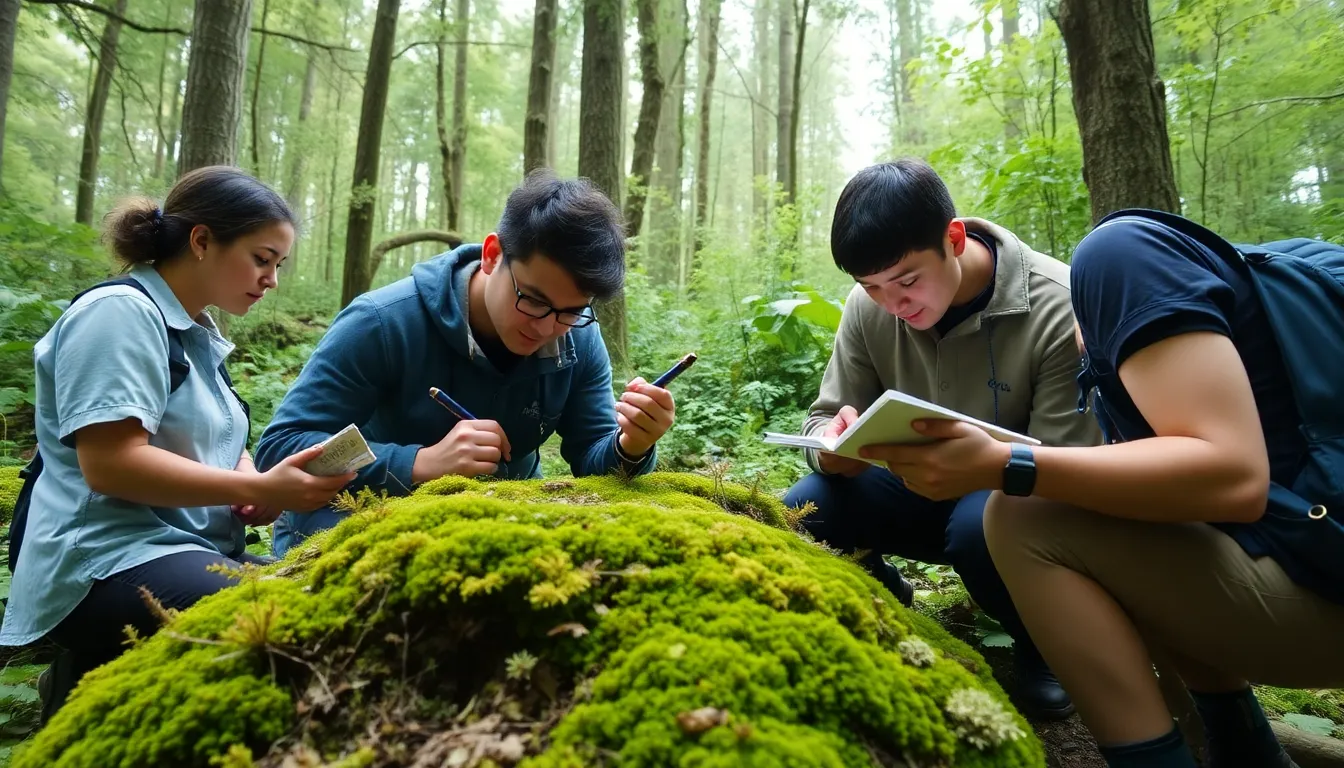
Historically, mosses have been underappreciated in both scientific research and conservation efforts. While larger plants and trees have received significant attention for their role in carbon storage, mosses have quietly contributed to this process for millions of years. Their ability to absorb and retain moisture also aids in regulating local climates, particularly in areas prone to drought, thereby supporting broader ecosystems.
In recent years, scientists have begun to recognize the importance of rare moss species, which often possess unique adaptations that allow them to thrive in extreme conditions. These species can be indicators of environmental health, and their decline may signal broader ecological disruptions. The loss of such species not only diminishes biodiversity but also reduces the resilience of ecosystems to climate change.
The role of conservation efforts
Conservation initiatives aimed at protecting rare moss species have gained momentum as awareness of their ecological significance grows. Key milestones include the establishment of protected areas and the implementation of restoration projects that prioritize moss habitats. These efforts are often supported by both local communities and international organizations, highlighting the intersection of environmental conservation and social responsibility. Such collaborations are crucial, especially considering how various stakeholders play a role in these conservation strategies.
As the impacts of climate change become increasingly evident, the need for comprehensive strategies that include all facets of biodiversity, including mosses, is more critical than ever. Understanding the historical context of these plants and their ecological roles can help shape effective policies and conservation practices that address the challenges posed by climate change.
Key stakeholders and their interests in moss conservation
The conservation of rare moss species that play a role in combating climate change involves a diverse array of stakeholders. These include environmental organizations, governmental bodies, researchers, and local communities, each with distinct interests and motivations. Understanding these stakeholders is crucial for effective conservation strategies and policy-making.
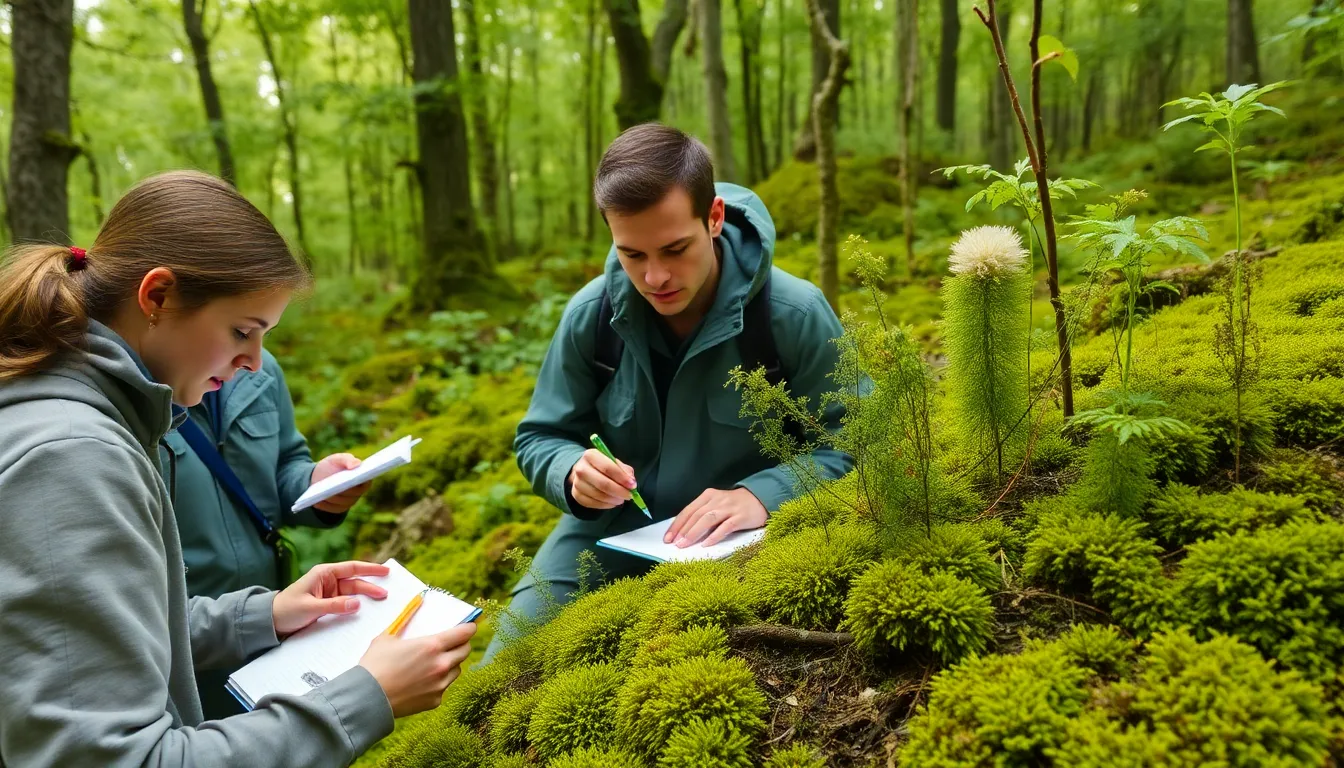
Environmental organizations, such as the World Wildlife Fund (WWF) and local conservation groups, are often at the forefront of moss conservation efforts. Their primary interest lies in preserving biodiversity and promoting ecosystem health. These organizations advocate for the protection of rare moss species by raising awareness, conducting research, and lobbying for environmental policies that prioritize conservation.
Governmental bodies, including national and local environmental agencies, play a significant role in regulating land use and implementing conservation programs. Their interests may include balancing economic development with environmental protection. This often leads to conflicts over land use, particularly in areas where rare moss species thrive. For instance, development projects such as urban expansion or agriculture can threaten these habitats, creating a need for careful planning and regulation.
Researchers and academic institutions are also key stakeholders in moss conservation. They are interested in studying the ecological roles of mosses, their responses to climate change, and their potential applications in carbon sequestration. Collaborative research can help identify effective conservation strategies, but funding and resource allocation can sometimes create competition among different research priorities.
- Conflicts over land use: Development versus conservation efforts can lead to tensions between stakeholders.
- Economic implications: Balancing economic growth with environmental sustainability presents challenges for policymakers.
- Funding for research: Limited resources can create competition among researchers for grants and support.
- Community involvement: Local communities may have differing views on conservation priorities based on their economic needs.
- Legal frameworks: Existing laws may not adequately protect rare moss species, necessitating advocacy for stronger regulations.
The potential impact of moss on global carbon levels
Rare moss species, often overlooked in the broader conversation about climate change, have the potential to significantly influence carbon sequestration efforts. These unique plants thrive in specific habitats and can absorb carbon dioxide at impressive rates, making them crucial players in the fight against global warming. Various groups, including environmentalists, researchers, and policymakers, are directly affected by the preservation and study of these mosses.
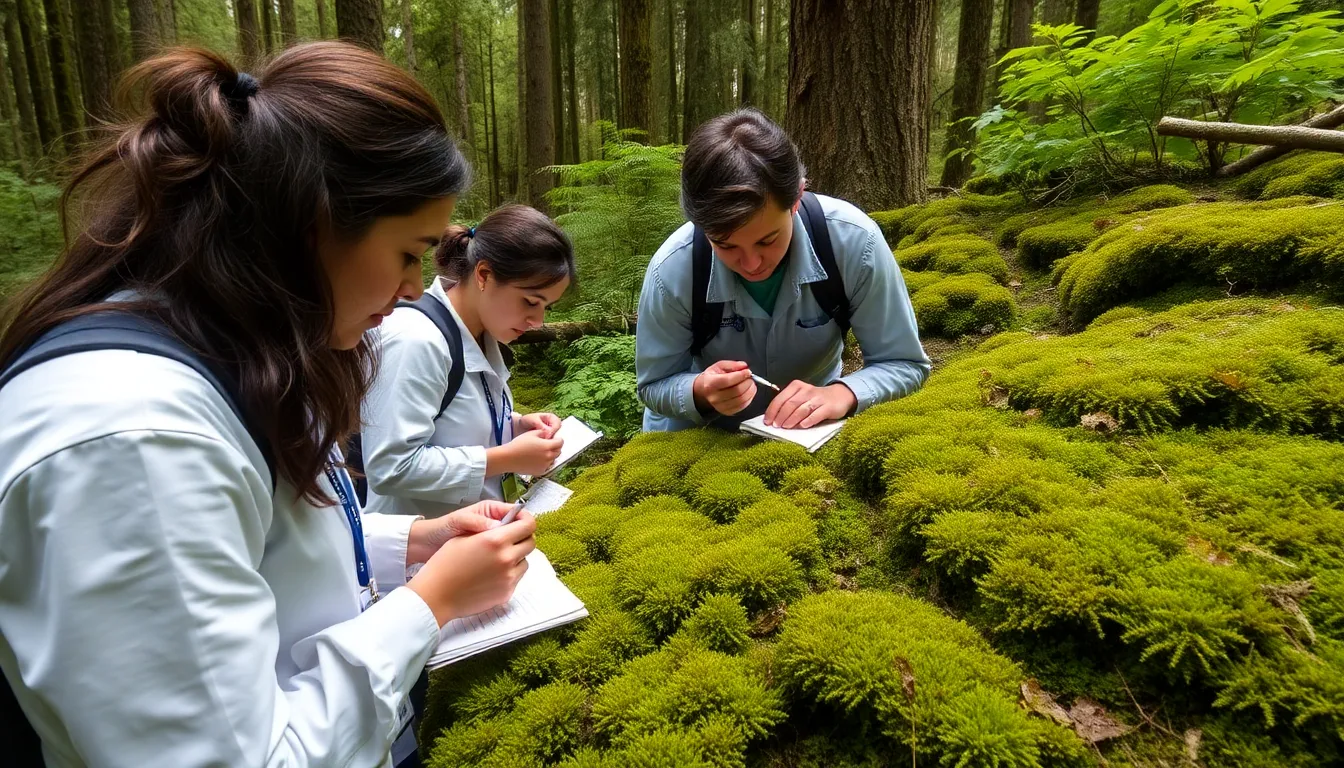
In the short term, the discovery and promotion of rare moss species can lead to increased funding for conservation projects and research initiatives. This influx of resources may benefit local communities that rely on ecotourism and biodiversity for their livelihoods. Additionally, industries such as pharmaceuticals and cosmetics could explore the unique properties of these mosses, leading to innovative product development and potential economic growth.
Mid-term impacts may include shifts in agricultural practices as farmers and land managers recognize the importance of maintaining diverse ecosystems that include moss species. This could lead to changes in land use policies, encouraging more sustainable practices that prioritize biodiversity. However, there are risks associated with the commercialization of these mosses, such as overharvesting and habitat destruction, which could undermine their ecological benefits.
- Environmentalists: Increased advocacy for conservation efforts.
- Researchers: New funding opportunities for studies on carbon sequestration.
- Local communities: Potential economic benefits from ecotourism.
- Agricultural sectors: Shift towards sustainable land management practices.
Ultimately, the interplay between the preservation of rare moss species and climate change mitigation presents both challenges and opportunities. The successful integration of these plants into broader environmental strategies could lead to a more resilient ecosystem, benefiting various stakeholders while also addressing the urgent need to combat climate change.
A: Rare moss species absorb carbon dioxide from the atmosphere, thus playing a crucial role in carbon sequestration. They also help in maintaining soil health and preventing erosion. A: These moss species are considered rare due to their limited geographical distribution and specific habitat requirements, making them vulnerable to environmental changes. A: Rare moss species face threats from habitat destruction, climate change, and pollution, which can lead to their decline or extinction. A: Supporting conservation efforts through awareness, habitat protection, and sustainable practices can help ensure the survival of these important species. A: Yes, many research projects are underway to study the ecological roles of mosses and their potential in climate change mitigation.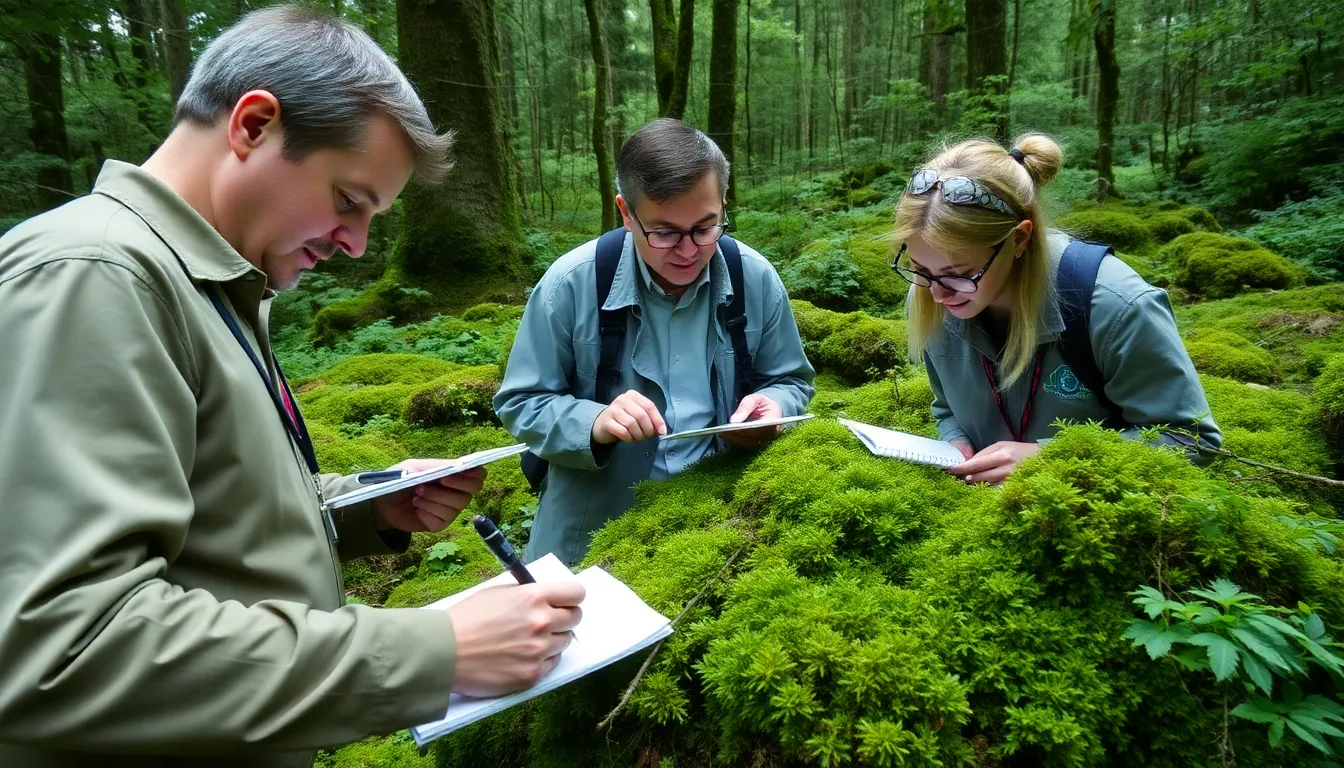
Frequently asked questions about rare moss species
Future outlook on moss conservation and climate action
The role of rare moss species in combating climate change highlights the intricate connections between biodiversity and ecosystem health. As these mosses contribute to carbon sequestration and habitat stabilization, their conservation becomes increasingly crucial in the face of global warming. Protecting these unique organisms not only supports their survival but also enhances the resilience of ecosystems that are vital for maintaining environmental balance.
Future conservation efforts should prioritize the preservation of moss habitats and promote research into their ecological functions. By fostering a deeper understanding of these species, we can better integrate them into climate action strategies, leading to more effective environmental policies and community engagement.
- Invest in habitat protection: Safeguarding the environments where rare moss species thrive is essential for their survival and climate mitigation efforts.
- Encourage research initiatives: Supporting studies focused on the ecological roles of mosses can lead to innovative climate solutions.
- Promote public awareness: Educating communities about the importance of mosses can foster grassroots conservation efforts and enhance biodiversity initiatives.
- Integrate mosses into urban planning: Utilizing mosses in green infrastructure can improve urban resilience against climate impacts.
- Collaborate globally: Building international partnerships can enhance conservation strategies and knowledge sharing regarding rare moss species.