
The cancellations affect numerous travelers who had planned trips to the popular Caribbean destination, raising concerns about the potential economic impact on both the airline and the tourism sector in Cuba. For more on related travel disruptions, check out our article on trade relations and their effects on tourism.
Industry experts suggest that the blockade has created a ripple effect, limiting not only fuel supplies but also the overall operational capabilities of airlines serving Cuba. As a result, travelers may face increased uncertainty and limited options for reaching the island, prompting many to reconsider their travel plans.
This development highlights the broader implications of geopolitical tensions on international travel and commerce, as airlines navigate the complexities of compliance with U.S. regulations while trying to meet passenger demand. The situation remains fluid, and further updates from Air Canada and other airlines are anticipated as the situation evolves.
Understanding the US oil blockade and its implications
The US oil blockade against Cuba has its roots in the Cold War era, specifically following the Cuban Revolution of 1959. After Fidel Castro’s government nationalized American-owned oil refineries without compensation, the United States imposed an embargo aimed at crippling the Cuban economy. This blockade has evolved over the decades, tightening restrictions on trade and travel, significantly impacting Cuba’s access to essential resources, including fuel.
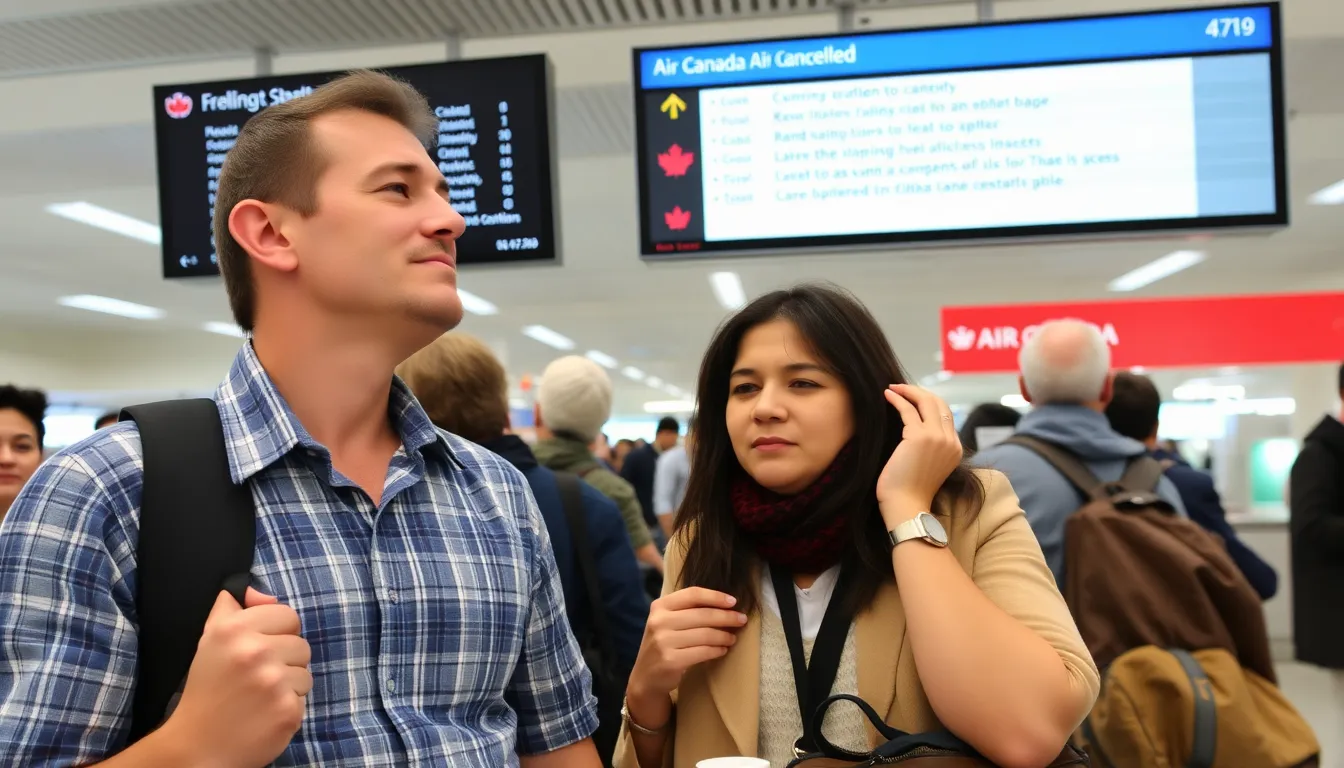
In recent years, the situation has intensified due to the reinstatement of stricter sanctions under the Trump administration, which aimed to further isolate the Cuban government. These measures have limited Cuba’s ability to import oil, particularly from Venezuela, a key supplier that has its own economic challenges. To understand more about how these sanctions are affecting international relations, you can read our piece on current geopolitical impacts.
Air Canada’s decision to cancel all flights to Cuba is a direct consequence of these fuel shortages. With limited access to aviation fuel, the airline could no longer sustain its operations to the island. This cancellation not only reflects the immediate impact of the blockade on international travel but also highlights the broader economic struggles faced by Cuban citizens who rely on tourism and remittances from abroad.
The Economic Ripple Effect
The cancellation of flights by Air Canada signifies a larger trend affecting the Cuban economy. Tourism, which once represented a significant portion of Cuba’s GDP, has been severely hampered by both the pandemic and ongoing sanctions. The loss of flights from major carriers like Air Canada further exacerbates this issue, leading to increased unemployment and economic instability on the island.
Key stakeholders affected by the flight cancellations
The recent decision by Air Canada to cancel all flights to Cuba is a significant development that impacts various stakeholders, each with distinct interests and concerns. The most immediate stakeholders include Air Canada, the Cuban government, American oil companies, and travelers intending to visit Cuba.
Air Canada, as a major airline, has a vested interest in maintaining profitable routes and ensuring operational sustainability. The cancellations are likely a direct result of the U.S. oil blockade, which has restricted fuel access, complicating flight operations. This situation not only affects the airline’s revenue but also its reputation in the competitive aviation market.
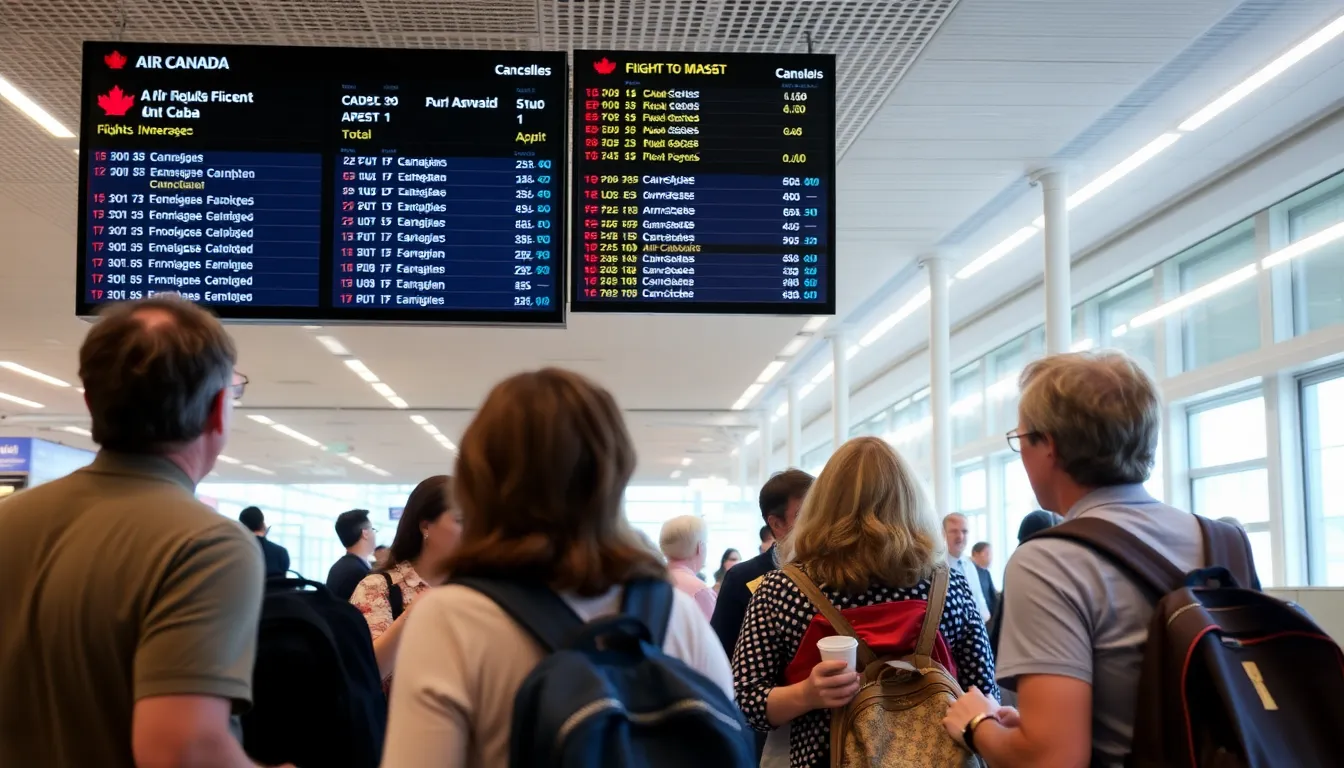
On the other hand, the Cuban government relies heavily on tourism as a source of revenue. The cessation of flights from a prominent airline like Air Canada could lead to a decline in tourist numbers, further straining the Cuban economy. This scenario highlights the delicate balance between international relations and economic stability for Cuba, which is already facing numerous challenges.
American oil companies play a crucial role in this scenario, as the blockade’s implications extend beyond Cuba and affect the operational capabilities of airlines. The trade-offs between adhering to U.S. policies and the economic consequences for Cuba create a complex web of interests, where oil companies may prioritize compliance over broader economic impacts. To explore more about how global events shape this landscape, see our analysis on the impact of key industry shifts.
- Air Canada’s operational challenges: The need to find alternative fuel sources or routes.
- Cuba’s economic vulnerability: Increased reliance on tourism and the fallout from reduced flights.
- U.S. policy implications: The impact of the oil blockade on international travel and trade.
- Traveler frustration: The disappointment of tourists and potential loss of vacation plans.
- International relations: The broader geopolitical ramifications of the U.S. blockade on Cuba.
The impact on travelers and the Cuban tourism industry
The cancellation of all Air Canada flights to Cuba significantly impacts various groups, including travelers, the tourism industry, and local economies. Tourists who had planned vacations in Cuba are now left scrambling for alternatives, while the Cuban tourism sector, heavily reliant on foreign visitors, faces a substantial downturn in revenue.
In the short term, travelers may experience financial losses due to non-refundable bookings and the inconvenience of rescheduling their trips. For the Cuban tourism industry, the immediate effects could be devastating, as hotels, restaurants, and local businesses that depend on tourist spending will likely see a sharp decline in customers.
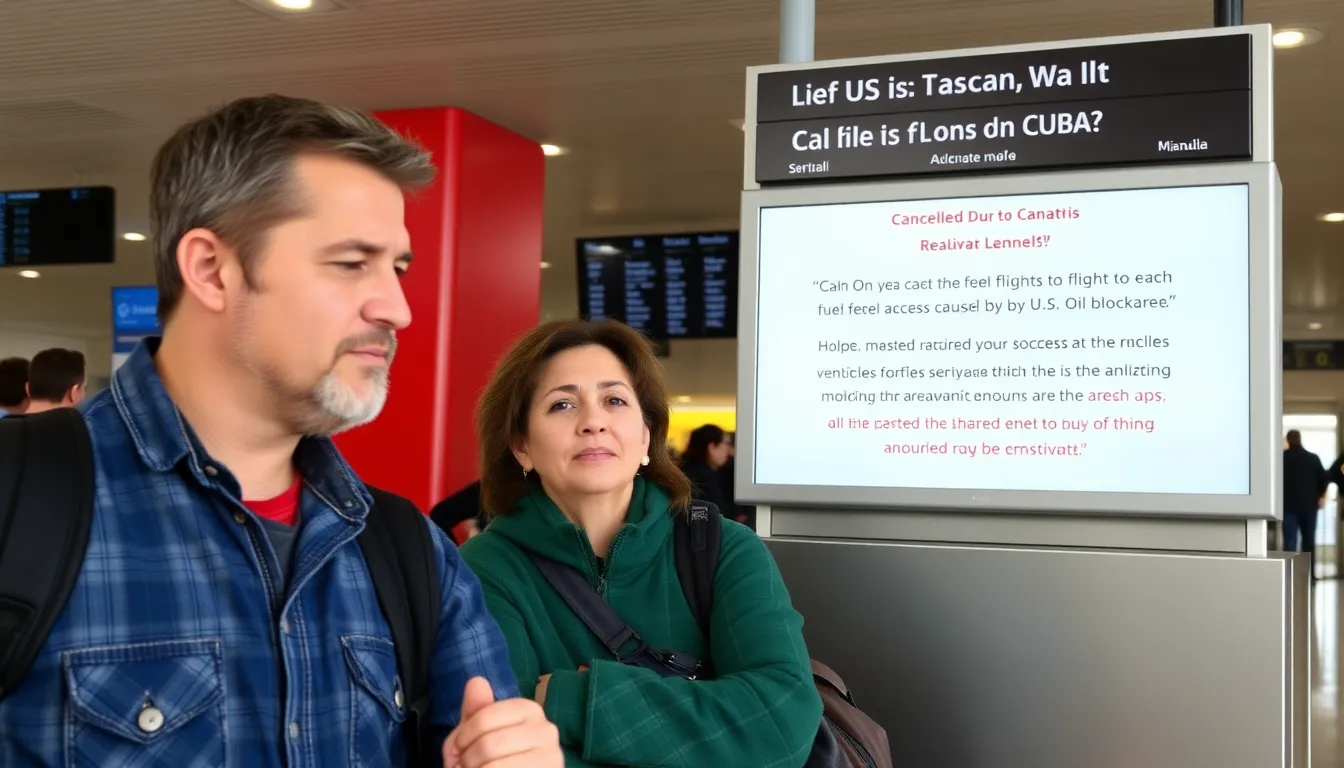
In the mid-term, the cancellation could lead to broader economic implications for Cuba, including increased unemployment in the tourism sector and diminished foreign investment. This situation may also prompt the Cuban government to reassess its policies and seek alternative partnerships to mitigate the impact of the US oil blockade.
- Travelers face financial losses and disrupted plans.
- Cuban tourism sector experiences reduced revenue and potential layoffs.
- Local businesses reliant on tourism may struggle to survive.
- Potential for policy changes in Cuba to attract new markets.
- Increased demand for other Caribbean destinations may arise.
While the immediate risks are apparent, there are potential opportunities for both travelers and the Cuban economy. Travelers may explore alternative destinations, leading to a shift in tourism patterns. For Cuba, this could serve as a catalyst to diversify its tourism offerings and attract visitors from different regions, ultimately strengthening its economy in the long run.
A: Air Canada canceled its flights due to the US oil blockade, which has limited fuel access necessary for operating flights. A: The duration of the cancellations is currently uncertain and will depend on the resolution of the fuel access issues. A: Travelers can seek refunds or rebook flights to other destinations, but options for travel to Cuba are significantly limited. A: The blockade has severe implications for Cuba’s economy, particularly in tourism, which is a crucial source of revenue for the country. A: While Air Canada is the first to announce cancellations, other airlines may follow suit depending on fuel availability and regulations.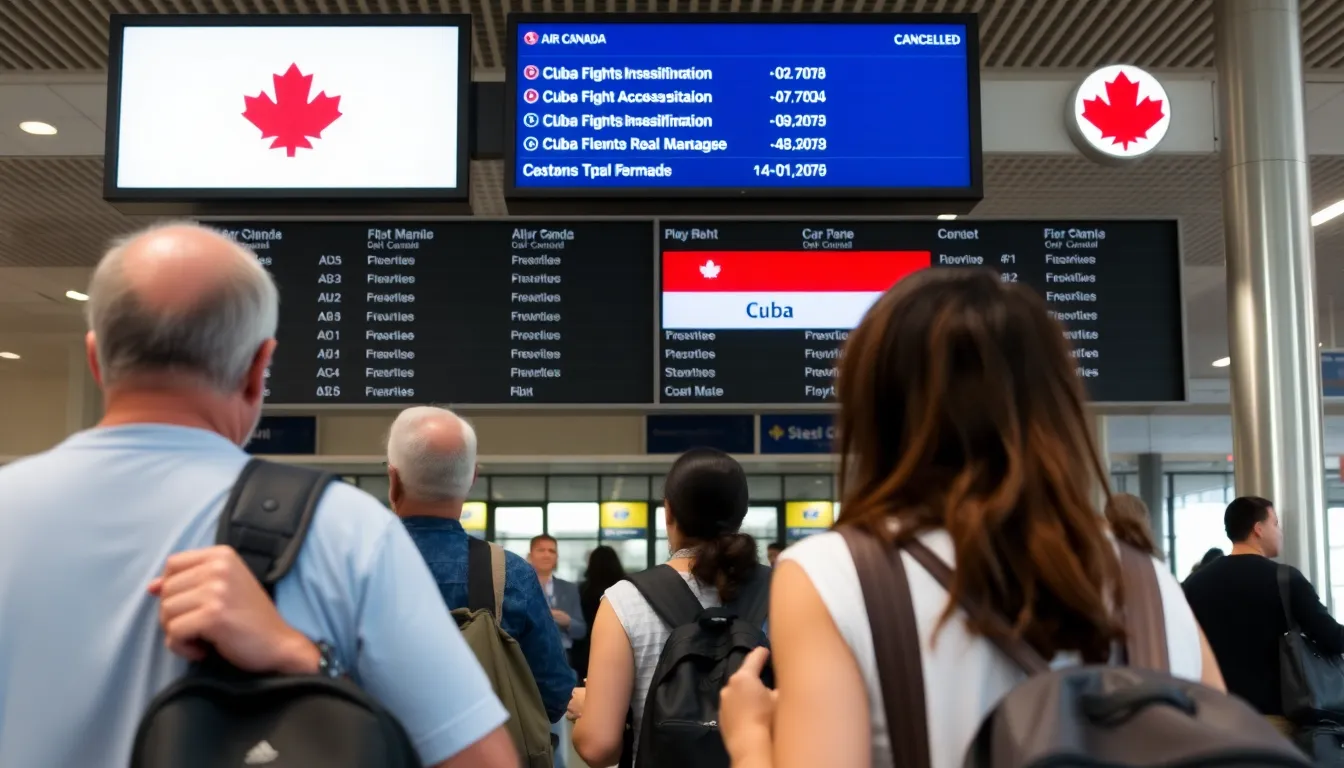
Frequently asked questions about the flight cancellations
Looking ahead: The future of flights to Cuba
The recent decision by Air Canada to cancel all flights to Cuba highlights the significant impact of geopolitical factors on international travel. The U.S. oil blockade, which has severely restricted fuel access, not only affects the airline’s operational capabilities but also raises questions about the broader implications for tourism and trade between Canada and Cuba. As the situation evolves, stakeholders will need to adapt to the shifting landscape of air travel in the region.
Travelers, airlines, and policymakers must remain vigilant as they navigate this complex environment. The potential for changes in U.S. foreign policy, shifts in fuel availability, and the resilience of the tourism sector will play critical roles in shaping the future of flights to Cuba. Observing these developments will be essential for understanding the long-term viability of air travel to the island.
- Monitor potential changes in U.S. foreign policy that could affect travel restrictions and fuel availability.
- Watch for alternative fuel solutions or partnerships that airlines may explore to resume flights.
- Evaluate the impact on Cuba’s tourism sector and its economy due to reduced international flight options.
- Consider the role of other airlines and countries in filling the gap left by Air Canada’s departure.
- Stay informed about consumer sentiment and demand for travel to Cuba as the geopolitical landscape evolves.