
The case was brought before the court by a same-sex couple who sought to secure their joint ownership of a property. Their claim was initially denied under existing laws that did not explicitly recognize same-sex partnerships. The Supreme Court’s ruling not only overturned this denial but also established a precedent for future cases involving property rights for same-sex couples, similar to how the court’s decision in other legal matters has set significant precedents.
This decision comes amid a broader global movement towards recognizing and protecting the rights of LGBTQ+ individuals. In the Philippines, where traditional views often clash with progressive legal interpretations, the ruling could pave the way for more comprehensive reforms regarding LGBTQ+ rights and protections. Advocates hope that this will encourage lawmakers to consider legislation that further supports equality for all citizens.
As public sentiment continues to evolve, this ruling reflects a growing acceptance of diverse family structures in the Philippines. The Supreme Court’s decision is seen as a pivotal moment that could influence future discussions about marriage equality and the rights of LGBTQ+ individuals in the nation.
Historical context of LGBTQ+ rights in the Philippines
The struggle for LGBTQ+ rights in the Philippines has been a long and complex journey, influenced by a mix of cultural, religious, and political factors. Historically, Filipino society has been shaped by a blend of indigenous beliefs and colonial influences, which have often marginalized non-heteronormative identities. Despite this, the LGBTQ+ community has shown resilience and has made significant strides in advocating for their rights over the decades.
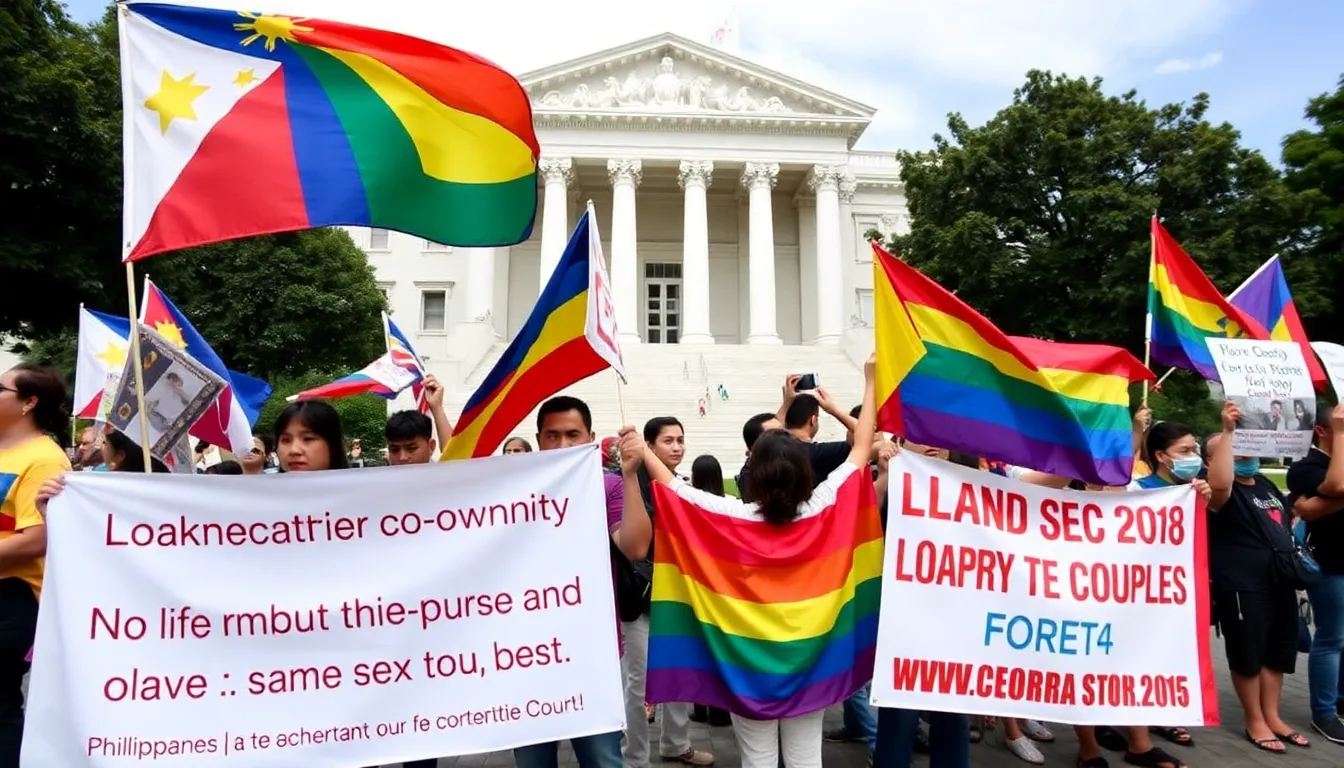
In the late 20th century, the LGBTQ+ movement began to gain momentum, particularly in urban areas. The establishment of various organizations and advocacy groups, such as the Society of Transsexual Women of the Philippines (STRAP) in 2003 and the Philippine LGBTQ+ Pride March, has helped raise awareness and push for legal reforms, paralleling developments seen in other communities advocating for their rights.
Key milestones in legal recognition
One of the most significant milestones occurred in 2018 when the Philippine Supreme Court ruled in favor of a transgender woman, allowing her to change her gender marker on official documents. This decision marked a turning point in the legal recognition of gender identity in the country. Furthermore, various local government units have begun to implement anti-discrimination ordinances, providing a framework for protecting LGBTQ+ individuals from discrimination in employment, housing, and public services.
The recent ruling allowing same-sex couples to co-own property represents another crucial step forward. It not only recognizes the rights of LGBTQ+ individuals but also reflects a growing acceptance of diverse family structures in Filipino society, echoing the shifts observed in discussions surrounding equal rights for various marginalized groups.
As the Philippines continues to grapple with issues of gender and sexuality, the ongoing advocacy for LGBTQ+ rights remains vital. The legal recognition of same-sex couples’ property rights is a testament to the progress made, but it also highlights the work that still lies ahead in achieving full equality and acceptance for the LGBTQ+ community in the Philippines.
Key stakeholders and implications of the ruling
The recent ruling by the Philippine Supreme Court allowing same-sex couples to co-own property has significant implications for various stakeholders. These include LGBTQ+ advocacy groups, the Philippine government, property developers, and the general public. Each of these actors has distinct interests and potential concerns regarding the legal recognition of same-sex unions in property ownership.
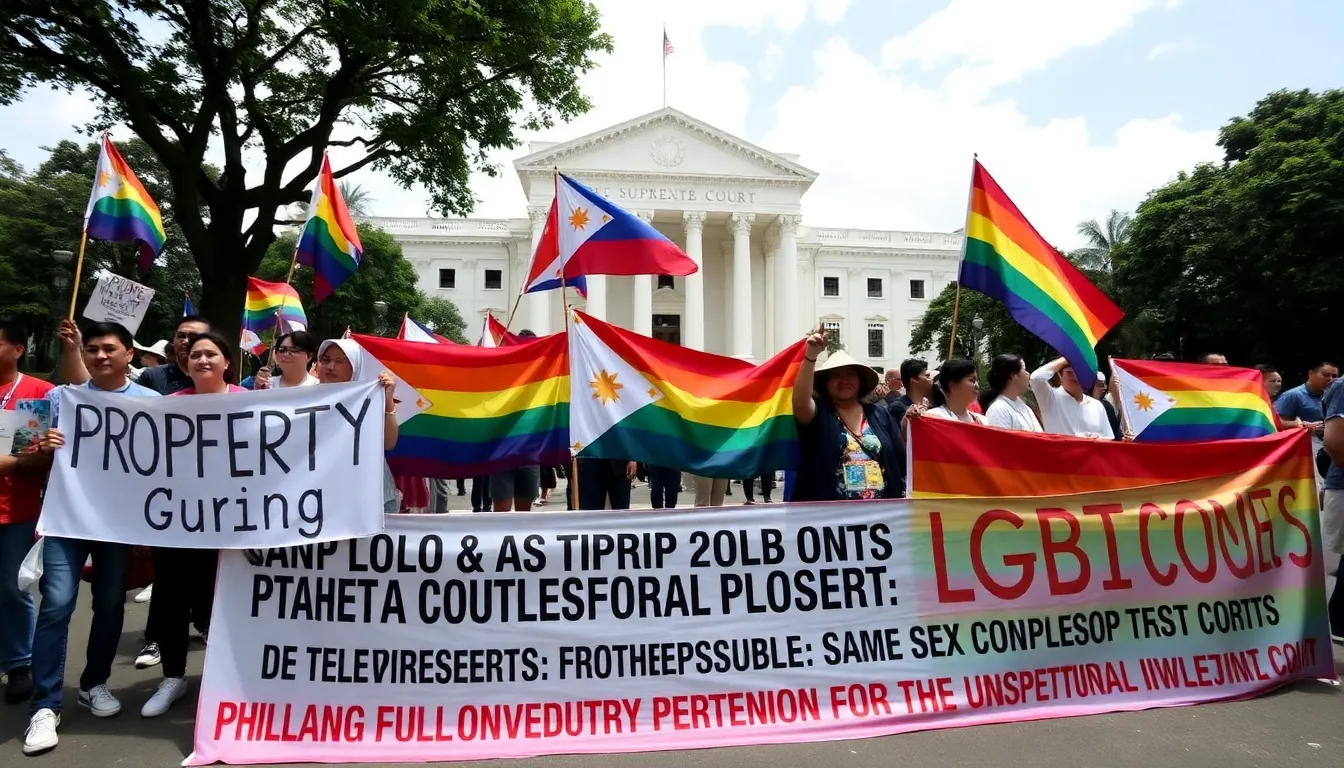
For LGBTQ+ advocacy groups, this ruling represents a critical step towards equality and recognition of same-sex relationships in a predominantly conservative society. Their interest lies in promoting further legal reforms that protect the rights of same-sex couples, potentially leading to broader discussions on marriage equality and anti-discrimination laws.
The Philippine government faces the challenge of balancing traditional cultural values with the evolving legal landscape. While this ruling may enhance the country’s international image regarding human rights, it also raises concerns among conservative factions who may oppose such changes. This conflict highlights the ongoing struggle between progressive legal reforms and entrenched societal norms.
Property developers and the real estate market may also experience shifts due to this ruling. The potential increase in property ownership among same-sex couples could stimulate demand in certain sectors of the housing market. However, developers must navigate the complexities of new legal frameworks that accompany this change, including ensuring compliance with anti-discrimination policies.
- Increased property market activity: The ruling may lead to a surge in property transactions among same-sex couples.
- Legal complexities: Developers and legal entities may need to adapt to new regulations surrounding property ownership.
- Cultural pushback: The decision may provoke resistance from conservative groups, leading to potential social tensions.
- Advocacy momentum: This ruling could energize advocacy efforts for further legal protections for LGBTQ+ individuals.
- International perception: The ruling may enhance the Philippines’ reputation as a progressive nation in terms of human rights.
Potential impacts on same-sex couples and the real estate market
The recent ruling by the Philippine top court allowing same-sex couples to co-own property marks a significant milestone for LGBTQ+ rights in the country. This decision primarily affects same-sex couples, providing them with legal recognition and the ability to jointly invest in real estate. The ruling empowers these couples to secure their financial future together, fostering a sense of stability and belonging within their communities.
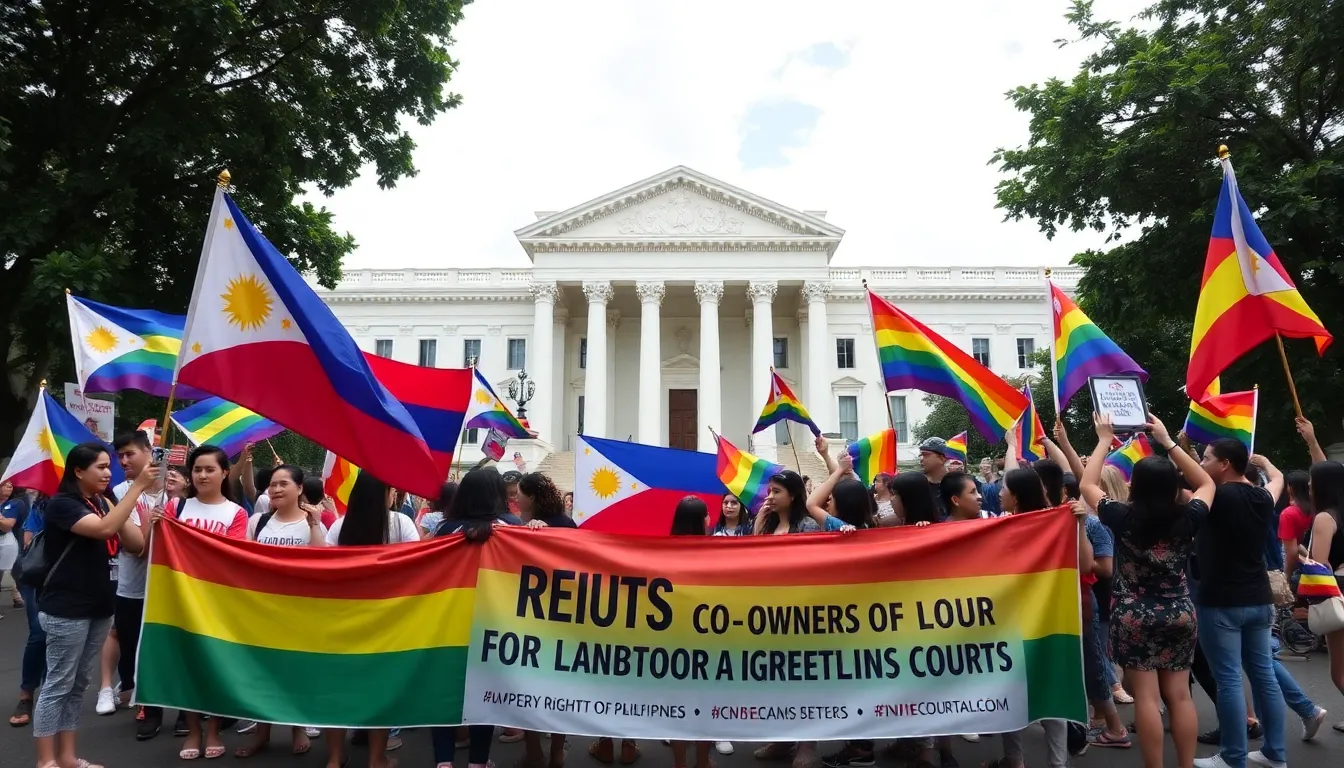
In the short term, the real estate market may experience an uptick in demand as same-sex couples seek to purchase property together. This could lead to increased activity in urban areas where LGBTQ+ populations are concentrated. Real estate agents and developers might need to adapt their marketing strategies to appeal to this newly recognized demographic, potentially leading to a more inclusive market environment.
Mid-term impacts may include shifts in housing policies and practices as local governments and institutions adjust to this legal recognition. Property developers could see opportunities to create more inclusive housing options, catering to diverse family structures. However, there are risks involved as well; backlash from conservative groups could lead to political challenges or attempts to undermine the ruling.
- Increased property ownership: Same-sex couples can now invest in real estate, enhancing their economic stability.
- Market growth: Real estate sectors may see a surge in demand, particularly in urban centers.
- Policy shifts: Local governments may need to revise housing policies to ensure compliance with the ruling.
- Potential backlash: Conservative factions may resist changes, impacting the social climate.
Overall, this ruling not only transforms the lives of same-sex couples but also has far-reaching implications for the real estate market and societal norms in the Philippines. As acceptance grows, the landscape for property ownership and investment becomes more inclusive, paving the way for a more equitable society.
A: The ruling allows same-sex couples to co-own property, granting them legal recognition in property matters. This decision is expected to enhance their rights and protections under the law. A: This ruling may lead to amendments in existing property laws to accommodate same-sex couples. It signifies a shift towards more inclusive legal frameworks in the Philippines. A: While the ruling allows co-ownership, it does not automatically grant other rights such as marriage recognition. Further legal reforms may be needed for comprehensive equality. A: Public reaction has been mixed, with supporters celebrating the progress in LGBTQ+ rights, while some conservative groups express opposition. The ruling has sparked discussions nationwide. A: Same-sex couples can now engage in property transactions together. They may also seek legal advice to understand how this ruling impacts their rights and responsibilities.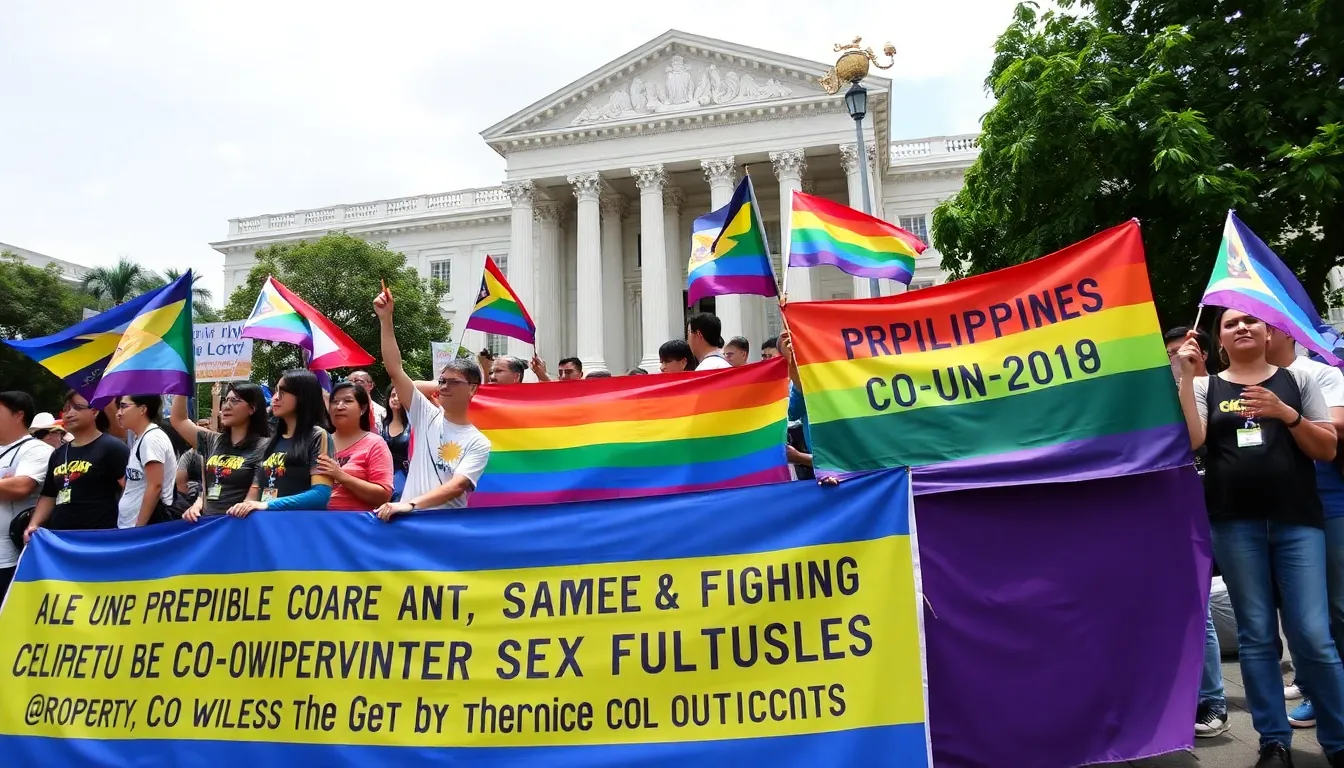
Frequently asked questions about the ruling
Outlook on LGBTQ+ rights and property ownership in the Philippines
The recent ruling by the Philippine Supreme Court recognizing the right of same-sex couples to co-own property marks a significant advancement in LGBTQ+ rights within the country. This decision not only affirms the legal standing of same-sex partnerships but also sets a precedent for further discussions on equality and recognition of diverse family structures in the Philippines.
As societal attitudes shift and legal frameworks evolve, this ruling could catalyze further reforms in the realm of LGBTQ+ rights, potentially influencing areas such as marriage equality and anti-discrimination laws. Observers will be keen to see how this landmark decision impacts the lives of same-sex couples and the broader implications for LGBTQ+ advocacy in the region.
- The ruling may encourage same-sex couples to invest in property, leading to increased economic participation and stability within the community.
- Legal recognition of property co-ownership could prompt discussions around other rights, such as inheritance and parental rights for same-sex couples.
- Increased visibility of LGBTQ+ issues may lead to greater societal acceptance and support for further legislative changes.
- This decision could inspire similar legal challenges in other Southeast Asian countries, potentially influencing regional human rights movements.
- Real estate markets may see new dynamics as same-sex couples seek to secure their financial futures through property ownership.