
Recent studies have shown that seagrass meadows can reduce wave energy by up to 50%, thereby lessening the impact of coastal storms. For instance, a report published in 2023 by the International Union for Conservation of Nature (IUCN) emphasized that restoring and conserving these ecosystems could save coastal communities billions of dollars in damage costs associated with extreme weather events.
In 2022, the United Nations launched a global initiative aimed at restoring 15 million hectares of seagrass by 2030, recognizing the urgent need to protect these ecosystems. This initiative is supported by various countries and organizations, underscoring the growing consensus on the importance of seagrass meadows in climate resilience strategies.
Despite their benefits, seagrass meadows are under threat from human activities such as coastal development, pollution, and climate change. According to the Global Ocean Observing System, approximately 30% of the world’s seagrass has been lost over the past century, prompting calls for immediate action to safeguard these vital ecosystems.
Recommended Articles
Exploring the ecological importance of seagrass meadows in marine ecosystems
Seagrass meadows are vital components of coastal marine ecosystems, providing numerous environmental benefits. Historically, these underwater plants have been overlooked in favor of more charismatic marine species, yet they play a crucial role in supporting biodiversity. Seagrass meadows serve as nurseries for various fish species, offering shelter and food for juvenile marine life. Additionally, they contribute to the overall health of the ocean by stabilizing sediments, improving water quality, and sequestering carbon, which is increasingly important in the context of climate change.
The significance of seagrass meadows has gained recognition over the past few decades, particularly as coastal communities face rising sea levels and increased storm intensity. Political initiatives, such as the United Nations’ Sustainable Development Goals, have emphasized the need for protecting marine ecosystems, including seagrass meadows. This shift in focus is partly due to scientific research highlighting the economic value of these ecosystems, which provide services worth billions of dollars annually through fisheries, tourism, and coastal protection.
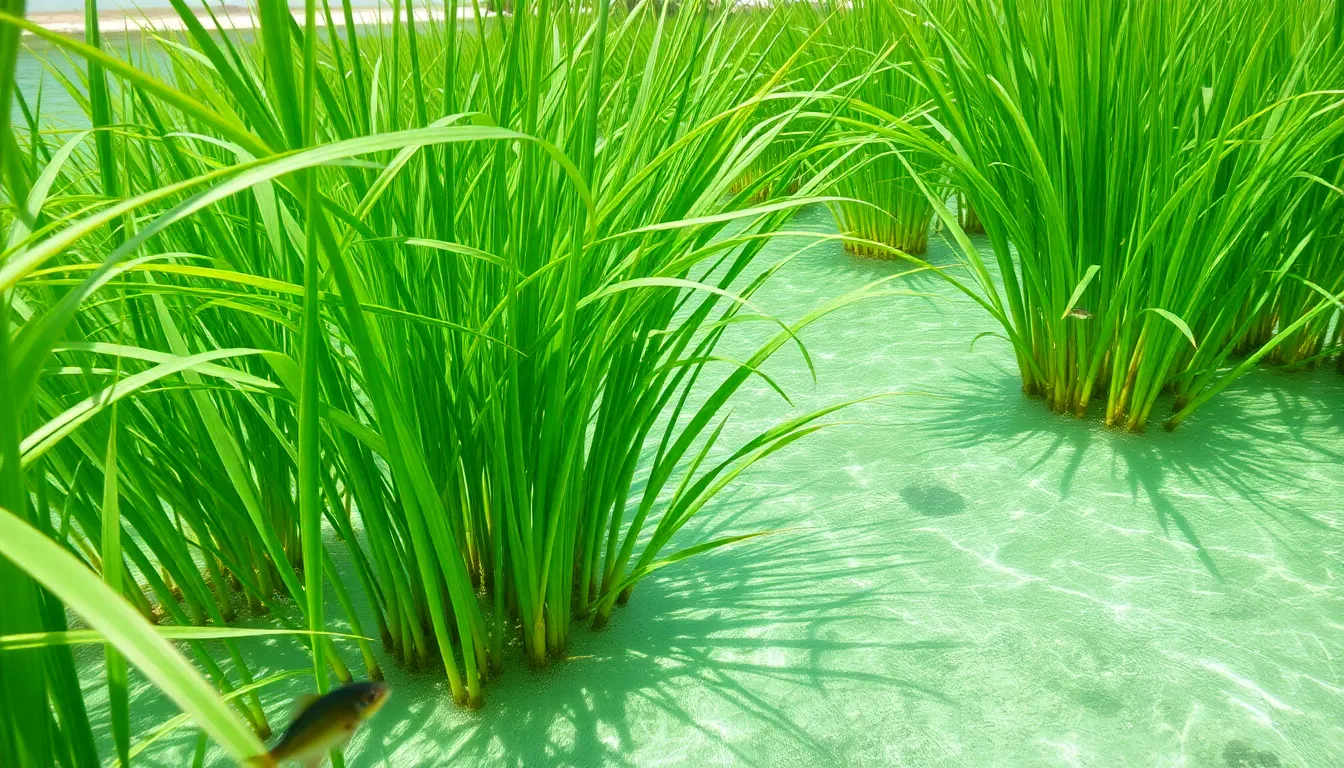
Several key milestones have marked the journey toward greater awareness and protection of seagrass meadows. In the early 2000s, the first comprehensive assessments of seagrass distribution and health were conducted, revealing alarming declines in many regions due to human activities such as coastal development, pollution, and climate change. These findings prompted international collaborations aimed at restoring seagrass habitats, with projects launched in various countries that have successfully rejuvenated degraded meadows.
The socio-economic implications of seagrass conservation
Conserving seagrass meadows is not only an environmental imperative but also a socio-economic necessity. Communities dependent on fishing and tourism are increasingly advocating for the protection of these ecosystems, recognizing that healthy seagrass meadows can bolster local economies. Furthermore, the restoration of seagrass habitats has been shown to enhance resilience against coastal erosion and flooding, making them a strategic asset in climate adaptation efforts. As awareness grows, it is clear that safeguarding seagrass meadows is integral to both ecological health and economic stability.
Key stakeholders involved in the conservation of seagrass habitats
The conservation of vast seagrass meadows involves a diverse array of stakeholders, each with distinct interests and motivations. These include local communities, environmental organizations, governmental bodies, and private sector players. Understanding their roles is crucial for addressing the challenges and opportunities associated with seagrass conservation.
Local communities are often the first line of defense in protecting seagrass habitats. Their livelihoods may depend on healthy marine ecosystems for fishing and tourism. As such, they have a vested interest in sustainable practices that promote the health of seagrass meadows. However, conflicts may arise when economic development initiatives threaten these habitats, leading to tensions between conservation efforts and local economic interests.
Environmental organizations play a pivotal role in advocating for the protection of seagrass ecosystems. They often conduct research, raise awareness, and mobilize public support for conservation initiatives. However, their efforts can sometimes be met with resistance from industries that rely on coastal development, which may view conservation as a hindrance to economic growth.
Governmental bodies are crucial in the regulatory framework surrounding seagrass conservation. They are responsible for creating and enforcing policies that protect these habitats. Nonetheless, the effectiveness of these regulations can vary significantly, often influenced by political agendas and the economic pressures of coastal development. The challenge lies in balancing environmental protection with economic development, which can lead to trade-offs where one interest may be prioritized over another.

- Local Communities: Depend on seagrass for fishing and tourism, but may face conflicts with development.
- Environmental Organizations: Advocate for conservation but may encounter resistance from industries.
- Governmental Bodies: Create policies for protection, facing challenges in enforcement and political influence.
- Private Sector: May see seagrass conservation as a barrier to development, leading to potential conflicts.
- Researchers: Provide essential data and insights that inform conservation strategies but may struggle to get their findings implemented in policy.
The potential benefits of seagrass meadows for local communities and biodiversity
Vast seagrass meadows play a crucial role in protecting coastlines and supporting various ecosystems. Local communities, particularly those in coastal regions, are directly affected by the health of these underwater habitats. Fishermen, tourism operators, and environmental organizations are among the key groups that stand to gain from the preservation and expansion of seagrass meadows.
In the short term, the presence of healthy seagrass meadows can enhance local fisheries by providing essential habitats for juvenile fish and other marine species. This can lead to increased fish populations, benefiting local fishermen and boosting the seafood industry. Additionally, the tourism sector may experience a surge in visitors drawn to healthier marine ecosystems, thereby stimulating local economies.
In the mid-term, policies aimed at protecting seagrass meadows could emerge, influencing land use and coastal development regulations. This could lead to stricter controls on pollution and coastal construction, which may initially pose challenges for developers and industrial activities. However, these regulations also present opportunities for sustainable development practices, encouraging investment in eco-friendly projects and restoration initiatives.
- Fisheries: Increased fish populations and improved catch rates.
- Tourism: Growth in eco-tourism and recreational activities.
- Coastal Protection: Reduced erosion and storm damage to coastal infrastructure.
- Policy Changes: New regulations promoting sustainable coastal management.
While there are undeniable benefits, risks such as potential conflicts over land use and resource allocation may arise. It’s crucial for stakeholders to engage in collaborative discussions to balance economic interests with environmental conservation. By doing so, communities can harness the full potential of seagrass meadows while safeguarding their livelihoods and natural resources.
A: Seagrass meadows are underwater ecosystems formed by seagrass, which are flowering plants that grow in shallow coastal waters. They provide habitat for various marine species and play a vital role in maintaining water quality. A: Seagrass meadows help stabilize sediments, reducing coastal erosion and protecting shorelines from storm surges. They act as natural barriers, absorbing wave energy and minimizing the impact of extreme weather events. A: Seagrass meadows are threatened by pollution, coastal development, and climate change. These factors lead to habitat loss and degradation, impacting their ability to provide essential ecosystem services. A: Conservation efforts include reducing pollution, implementing sustainable coastal development practices, and restoring damaged seagrass habitats. Community engagement and awareness are also crucial for successful conservation. A: Yes, seagrass meadows support fisheries, enhance tourism, and contribute to carbon sequestration, providing significant economic benefits to coastal communities.
Frequently asked questions about seagrass meadows and coastal protection
Future outlook on the role of seagrass meadows in climate resilience
As the impacts of climate change become increasingly evident, the importance of natural coastal defenses like seagrass meadows cannot be overstated. These underwater ecosystems not only provide crucial habitat for marine life but also play a significant role in mitigating coastal erosion and enhancing carbon sequestration. The growing recognition of their value highlights the need for conservation and restoration efforts to ensure that these meadows thrive in the face of environmental challenges.
Looking ahead, stakeholders from local communities to global organizations must prioritize the protection of seagrass habitats. Increased awareness and investment in sustainable practices will be essential for maximizing the benefits these ecosystems offer. Monitoring and research will also be vital to adapt strategies that support both biodiversity and climate resilience.
- Conservation Efforts: Strengthening policies and funding for seagrass restoration initiatives will be crucial for maintaining coastal health.
- Community Engagement: Involving local communities in conservation efforts can enhance stewardship and increase awareness of seagrass benefits.
- Research and Monitoring: Continued scientific studies will help track the health of seagrass meadows and their effectiveness in combating climate change.
- Integration with Coastal Management: Incorporating seagrass protection into broader coastal management strategies can enhance resilience against climate impacts.
- Education and Awareness: Promoting understanding of the ecological and economic value of seagrass meadows can drive support for their preservation.