
The couple, who were reportedly caught in a raid, faced the public caning as part of their sentence, which has drawn attention both locally and internationally. The incident underscores the ongoing debate about the implementation of Islamic law in Indonesia, particularly in areas where it is strictly enforced, such as in Aceh.
Human rights organizations have condemned the punishment, arguing that such corporal punishment is inhumane and violates international human rights standards. The case has reignited discussions about the balance between cultural practices and individual rights within Indonesia’s diverse society.
As Aceh continues to uphold its unique legal system, this incident serves as a reminder of the challenges faced by individuals in navigating the intersection of traditional values and modern human rights. The global response to this event may influence future discussions on legal reforms in the region.
Understanding the legal framework in Indonesia
Indonesia, the world’s largest Muslim-majority nation, has a complex legal system that intertwines secular law with Islamic principles, particularly in regions governed by Sharia law. The implementation of Sharia in certain provinces, such as Aceh, has led to the establishment of strict regulations regarding morality, including prohibitions against alcohol consumption and extramarital sexual relations. These laws are enforced through public caning and other corporal punishments, which are seen as a means to uphold religious values and societal norms.
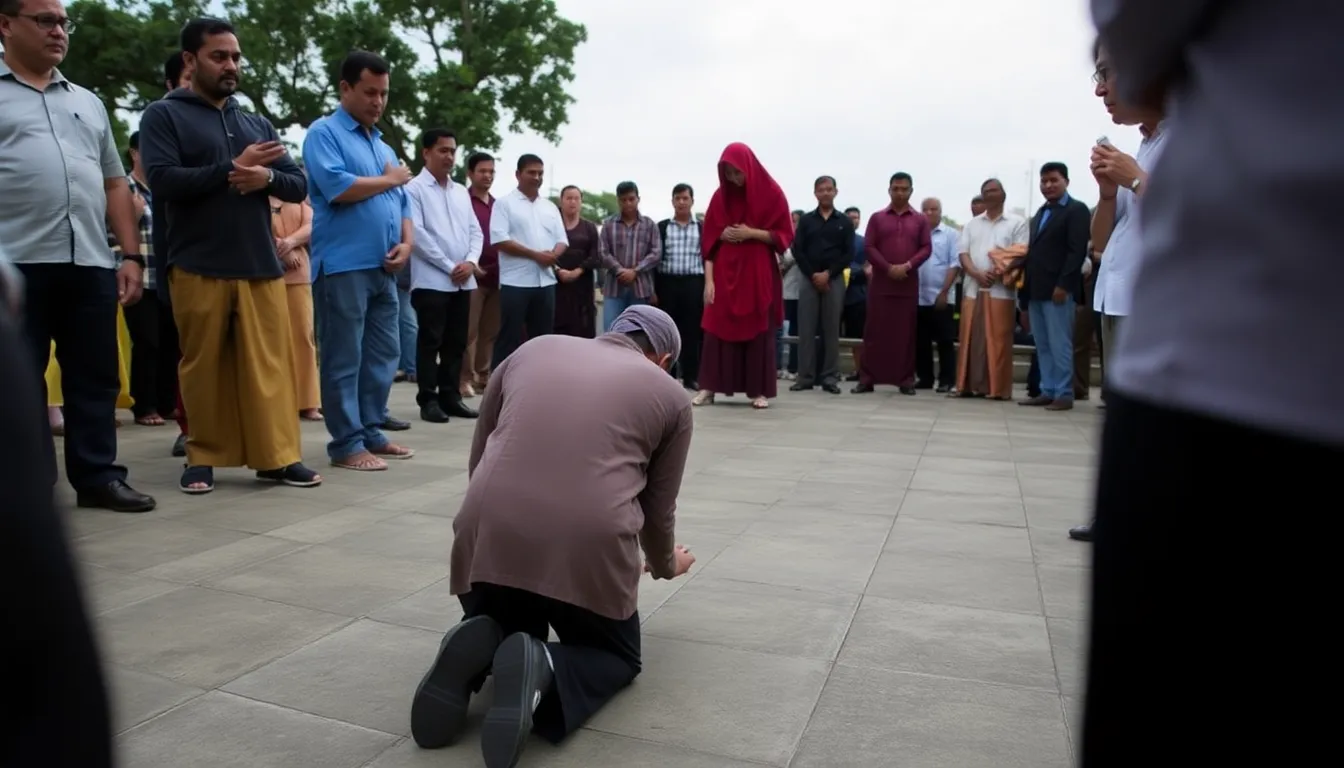
The historical roots of these laws can be traced back to the introduction of Islamic law in Aceh in the early 2000s, following a period of conflict and a desire for greater autonomy. The 2001 Law on Special Autonomy allowed Aceh to implement its own legal system, leading to a strict interpretation of Islamic teachings. This shift not only marked a significant change in the region’s governance but also set a precedent for the enforcement of similar laws in other parts of the country.
Societal attitudes towards morality and law in Indonesia have evolved over the years, influenced by a combination of cultural, religious, and political factors. The rise of conservative Islamic groups in the late 20th century has contributed to a growing acceptance of harsh penalties for moral offenses. This shift is often framed as a response to perceived moral decay, with advocates arguing that such measures are necessary to maintain social order and discipline.
Key milestones in the enforcement of Sharia law
One of the significant milestones in the enforcement of Sharia law in Indonesia was the 2006 implementation of the Aceh Qanun, a set of regulations that codified Islamic law in the province. This law allowed for the punishment of offenses such as adultery and alcohol consumption, paving the way for public caning as a form of punishment, similar to measures taken in other regions.
Exploring the implications of strict laws on society
The recent case of an Indonesian couple receiving 140 lashes for alleged violations related to sex and alcohol has sparked significant discourse among various stakeholders, including governmental bodies, human rights organizations, and local communities. The enforcement of such stringent laws raises critical questions about the balance between cultural values and individual rights.
At the forefront of this issue are the Indonesian authorities, who argue that these laws are essential for maintaining public morality and social order. The government’s stance reflects the influence of conservative Islamic values prevalent in certain regions of Indonesia, particularly in Aceh, where Sharia law is implemented. This has led to a polarized society where traditional beliefs clash with modern perspectives on human rights and personal freedoms.
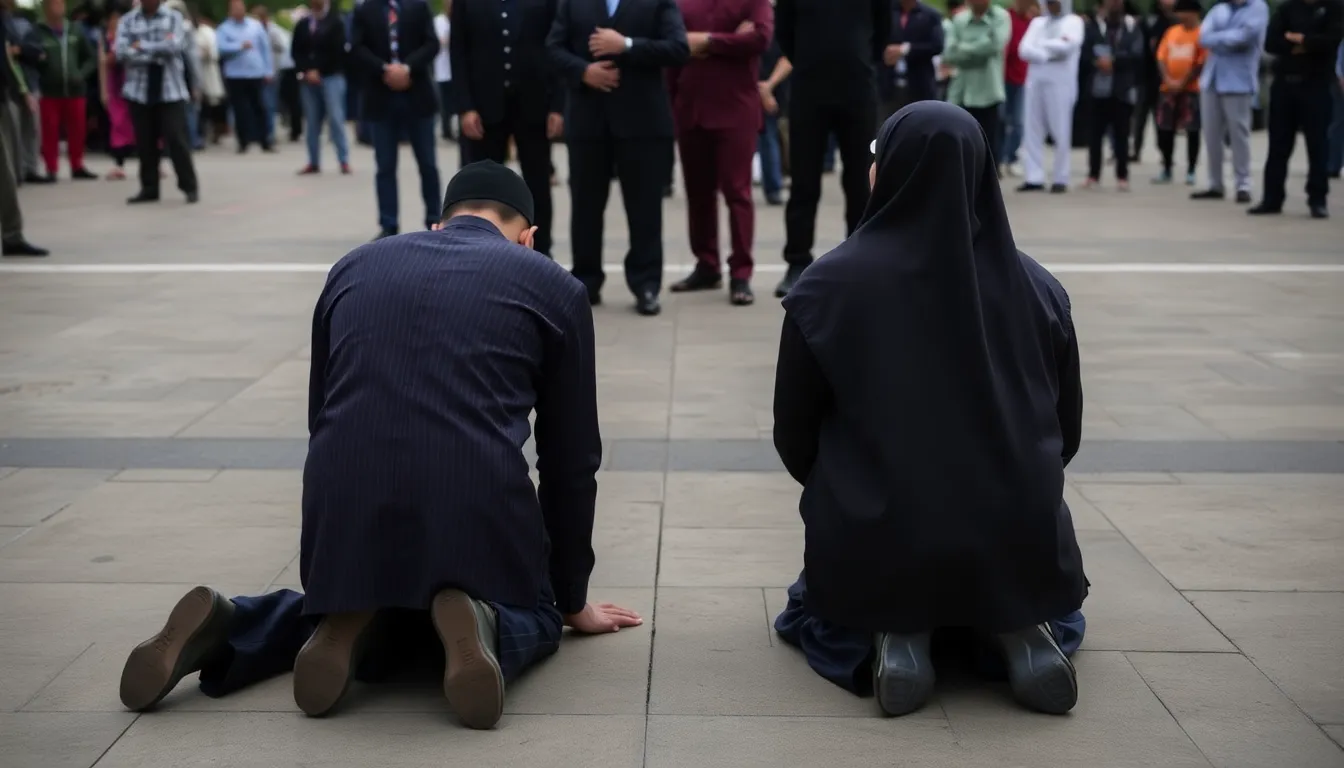
Human rights organizations, both local and international, have condemned the punishments as inhumane and excessive. They argue that such practices not only violate basic human rights but also perpetuate a culture of fear and repression. This conflict between the state’s legal framework and the advocacy for human rights presents a significant challenge for policymakers.
- Legal Implications: The enforcement of Sharia law raises questions about the compatibility of local laws with national and international human rights standards.
- Economic Impact: Strict laws may deter tourism and foreign investment, affecting local economies that rely on these sectors.
- Social Dynamics: The harsh penalties may exacerbate societal divisions, leading to increased tensions between progressive and conservative factions within the community.
- Public Opinion: There is a growing divide in public sentiment, with some supporting strict laws for moral reasons, while others advocate for reform and modernization.
- Global Reputation: Indonesia’s image on the international stage may suffer as global scrutiny intensifies regarding its human rights record.
In summary, the case of the Indonesian couple highlights the complex interplay between cultural traditions, legal frameworks, and human rights. As various stakeholders navigate these challenges, the broader implications for society remain significant and multifaceted.
The societal and psychological effects of corporal punishment
The recent case of an Indonesian couple receiving 140 lashes for sexual and alcohol-related offences underscores the profound societal implications of corporal punishment. This incident particularly affects individuals within conservative regions of Indonesia where Sharia law is enforced, creating a chilling effect on personal freedoms and behaviors, similar to discussions surrounding legal enforcement in various contexts.
Various groups are impacted by such punitive measures, including local businesses, human rights organizations, and the tourism industry. Small businesses may experience a decline in patronage as fear of public punishment deters individuals from engaging in behaviors perceived as risky. Additionally, human rights advocates may ramp up their efforts, leading to increased scrutiny of local laws and practices.
In the short term, the immediate impact on daily life includes heightened anxiety among residents regarding their personal choices and freedoms. This can lead to a culture of self-censorship, where individuals alter their behavior to avoid punishment. In the mid-term, we may see policy shifts as local governments respond to both domestic and international pressures regarding human rights practices.
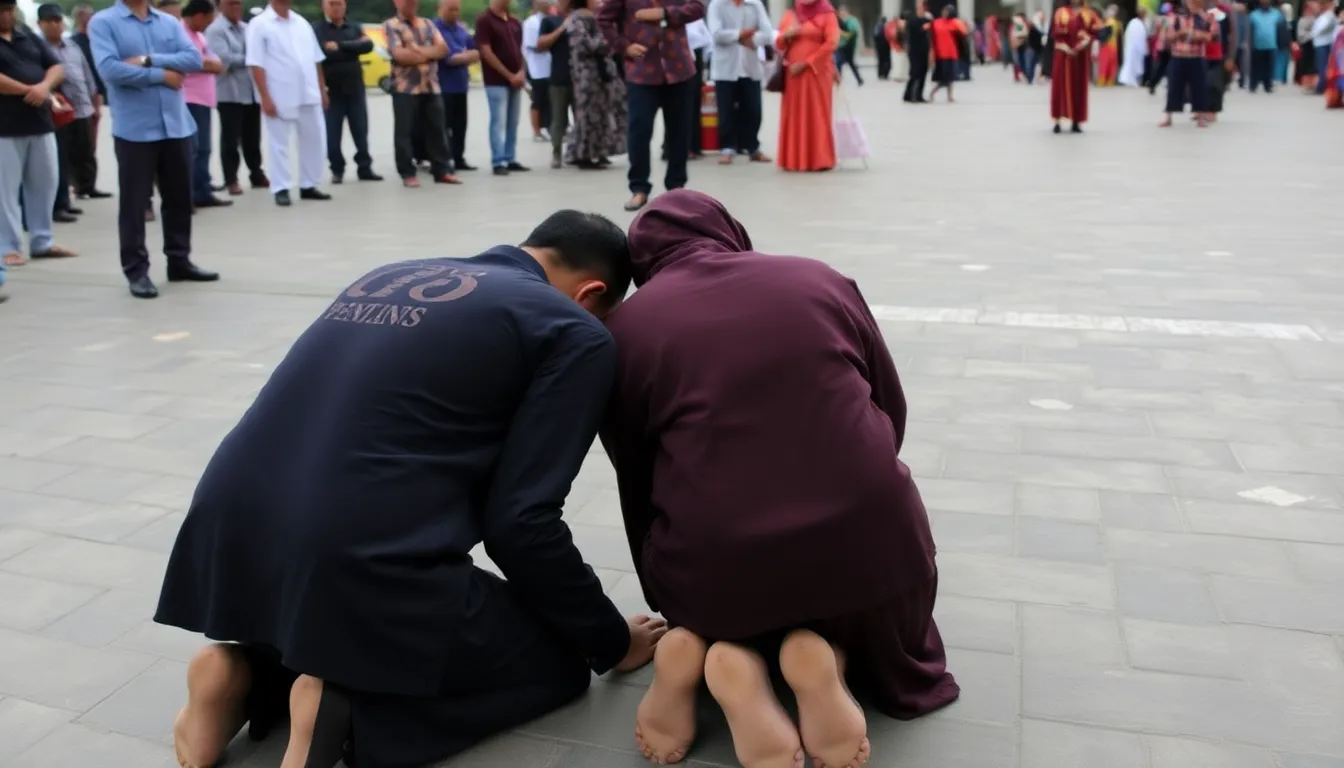
- Increased surveillance and policing in conservative areas.
- Potential decline in tourism due to negative perceptions of human rights.
- Strengthened advocacy efforts from local and international human rights groups.
While the risks are significant, there may also be opportunities for dialogue around reforming laws that govern personal conduct. This incident could catalyze discussions on human rights and lead to potential changes in legislation that promote more progressive values, ultimately reshaping the societal landscape in Indonesia.
A: The couple was charged with engaging in premarital sex and consuming alcohol, both of which are violations of local laws in Indonesia. A: Corporal punishment in Indonesia is administered as a form of legal penalty for certain offenses, particularly in regions that enforce Sharia law. A: Human rights organizations have condemned the use of corporal punishment, arguing that it violates basic human rights and dignity. A: While corporal punishment is not universally applied across Indonesia, it is more prevalent in regions that adhere to Islamic law. A: The couple may face significant psychological trauma and social stigma as a result of their punishment, impacting their future lives.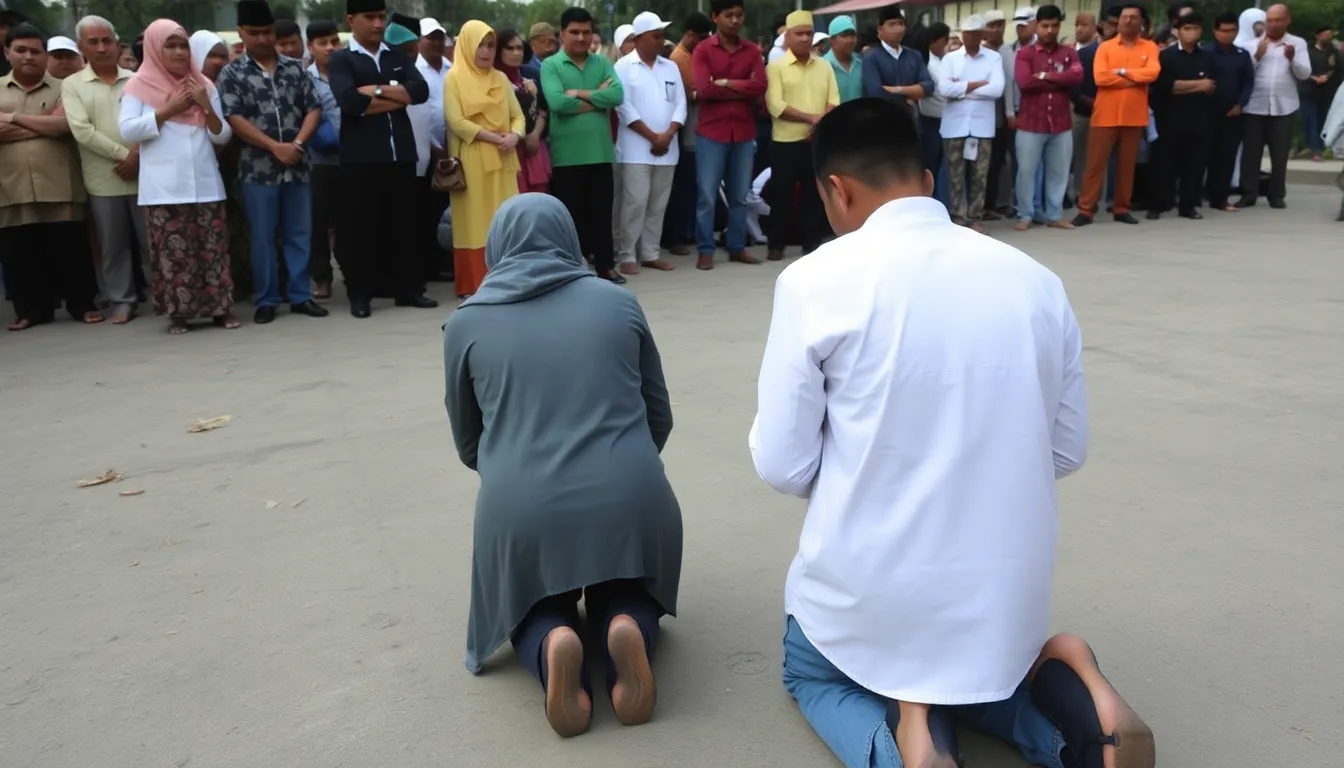
Frequently asked questions about the case
Key takeaways and future outlook on legal practices
The recent case of an Indonesian couple receiving 140 lashes for engaging in consensual sex and consuming alcohol highlights the ongoing tensions between traditional legal practices and modern societal values. This incident not only underscores the strict enforcement of Sharia law in certain regions of Indonesia but also raises questions about human rights and the treatment of individuals under such legal frameworks.
As Indonesia navigates its diverse cultural landscape, the implications of this case may influence public discourse around legal reforms and the balance between religious laws and individual freedoms. Observers should consider how this event may affect both domestic and international perceptions of Indonesia’s legal system moving forward.
- Increased scrutiny on the application of Sharia law in Indonesia could lead to calls for legal reforms.
- Potential for heightened public debate regarding human rights and personal freedoms in conservative regions.
- International reactions may impact Indonesia’s diplomatic relations, especially with countries prioritizing human rights.
- Similar cases may provoke discussions about the role of traditional practices in modern governance.
- Monitoring local and international advocacy efforts aimed at protecting individual rights in the face of stringent laws.