
The strikes were reportedly aimed at militant infrastructure, but the high civilian toll has raised concerns among international observers and human rights organizations. For more information on international responses to such events, see Israel challenges Trump’s selections for Gaza Board of Peace executives. The presence of journalists among the casualties highlights the dangers faced by media professionals in conflict zones.
The Israeli military has stated that these operations are part of its efforts to neutralize threats posed by militant groups. However, the impact on civilians and non-combatants has sparked widespread condemnation and calls for accountability.
This incident underscores the precarious situation in Gaza, where the humanitarian crisis continues to deepen. Access to essential services and safety remains a significant challenge for the population, exacerbated by the ongoing conflict.
Understanding the ongoing conflict between Israel and Gaza
The conflict between Israel and Gaza has deep historical roots, stemming from a complex interplay of territorial disputes, religious significance, and national identity. The establishment of the State of Israel in 1948 led to the displacement of hundreds of thousands of Palestinians, an event known as the Nakba, or “catastrophe.” This pivotal moment set the stage for decades of tension and violence, with multiple wars and uprisings shaping the current landscape.
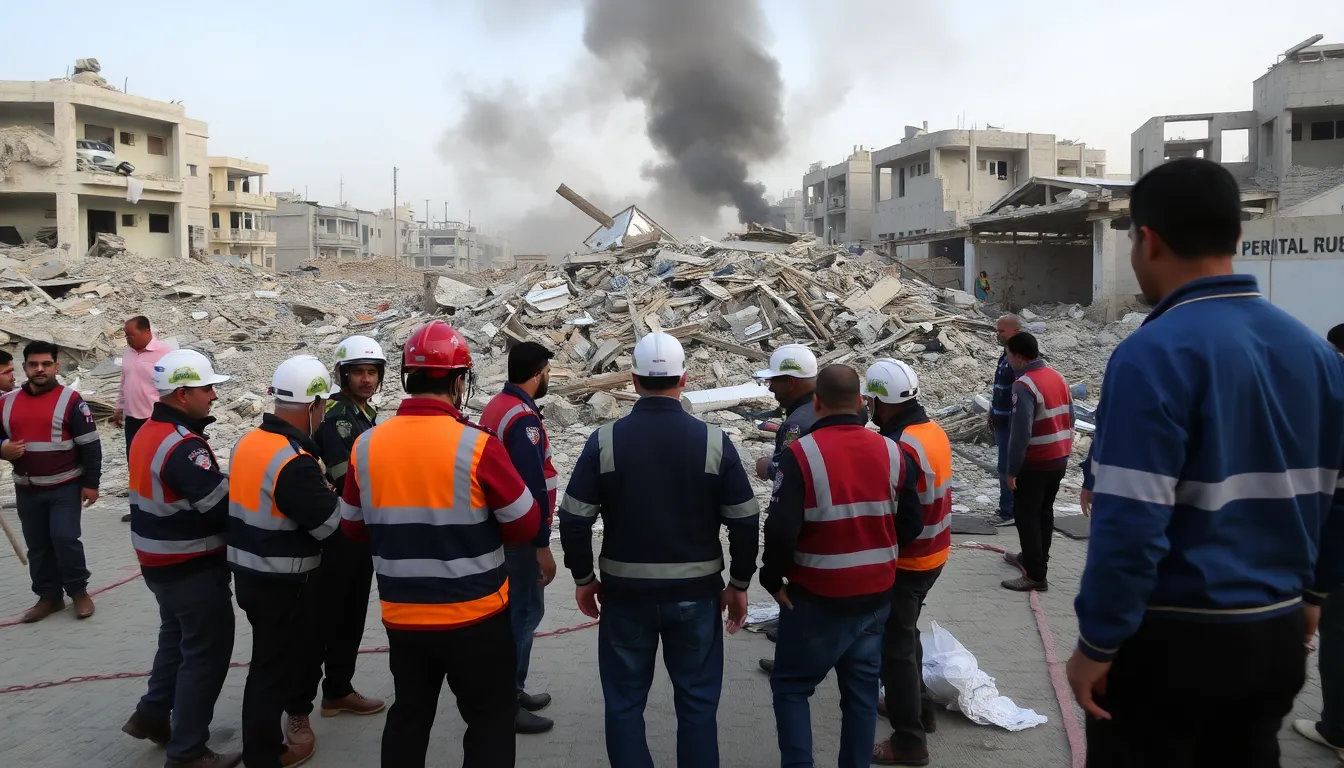
Over the years, various peace efforts have been made, including the Oslo Accords in the 1990s, which aimed to establish a framework for resolving the conflict. However, these efforts have often faltered due to ongoing violence, settlement expansion in the West Bank, and disagreements over key issues such as the status of Jerusalem and the right of return for Palestinian refugees. The rise of Hamas, an Islamist militant group, in Gaza has further complicated the situation, as it rejects Israel’s right to exist and has engaged in armed conflict with Israeli forces.
The Role of Media in the Conflict
Journalists covering the conflict often find themselves in perilous situations, particularly in Gaza, where military operations can lead to significant civilian casualties. The recent Israeli strikes that killed 11 individuals, including three journalists, highlight the dangers faced by media personnel in conflict zones. The targeting of journalists raises concerns about press freedom and the protection of those who strive to report the truth amidst chaos. For a broader context on human rights implications, A Venezuelan Political Prisoner Returns Home offers insights into how media is affected in different regional conflicts.
The economic situation in Gaza has also deteriorated significantly due to a blockade imposed by Israel and Egypt, which restricts the movement of goods and people. This has led to high unemployment rates and a humanitarian crisis, exacerbating tensions within the region. The combination of economic hardship, political instability, and ongoing military confrontations creates a volatile environment that complicates any prospects for lasting peace.
As the conflict continues to evolve, the international community remains divided on how to approach the situation. Various countries and organizations have called for ceasefires and negotiations, yet the cycle of violence persists, leaving many to question whether a resolution is possible in the near future. Understanding the historical context and the current dynamics is crucial for comprehending the ongoing tragedies that unfold in this region.
Key stakeholders and issues surrounding the airstrikes
The recent Israeli airstrikes in Gaza that resulted in the deaths of 11 individuals, including three journalists, have reignited tensions and highlighted the complex web of stakeholders involved in the ongoing conflict. Key actors include the Israeli government, Palestinian authorities, international human rights organizations, and media entities. This interconnectedness mirrors trends seen in other global crises, such as those discussed in How Wall Street Turned Its Back on Climate Change, which underscores the impact of political decisions on various sectors.
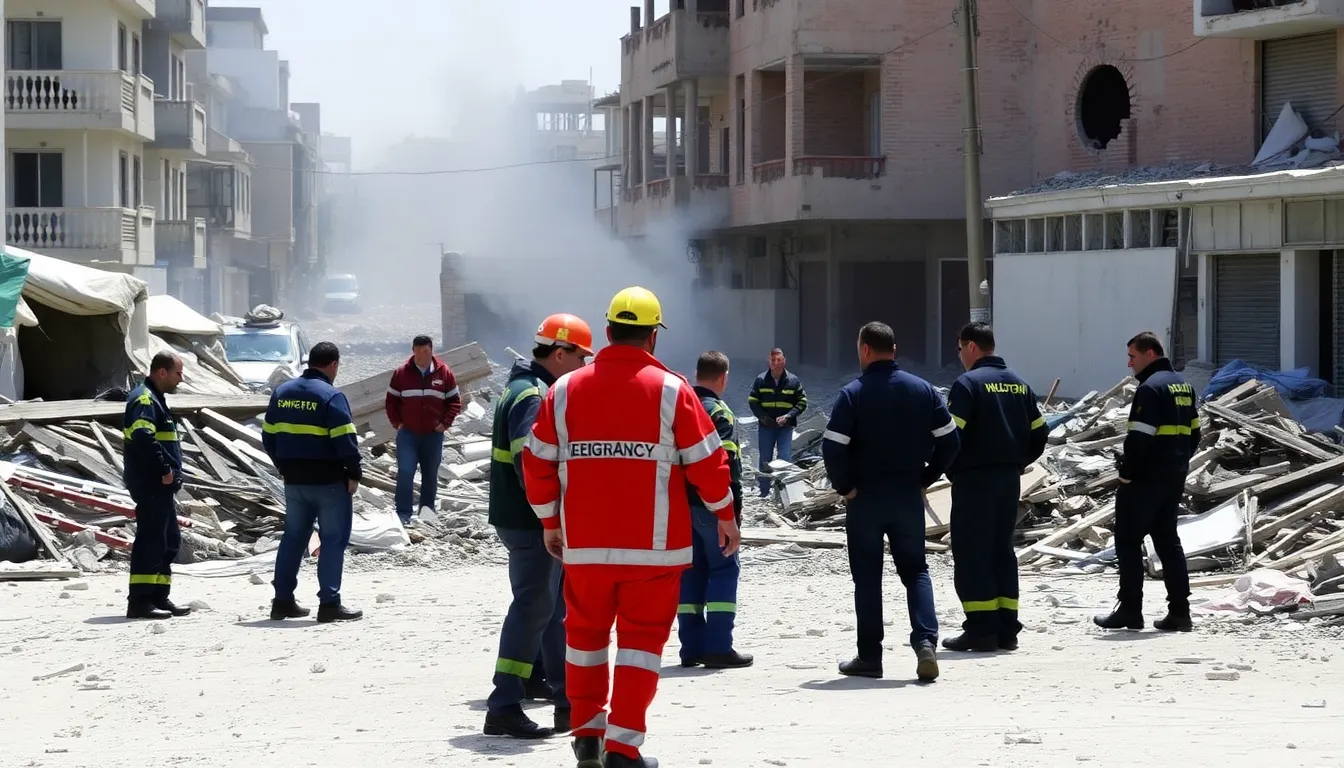
The Israeli government, led by Prime Minister Benjamin Netanyahu, asserts that its military operations are aimed at neutralizing threats from militant groups such as Hamas. Their primary interest lies in national security and the prevention of attacks against Israeli citizens. However, this approach raises significant ethical and legal questions regarding the proportionality of their military response and the collateral damage inflicted on civilians.
On the Palestinian side, the Palestinian Authority and various militant factions are focused on resisting Israeli military actions while advocating for the rights and safety of their citizens. The deaths of journalists, who are often seen as the eyes and ears of the international community, further complicate the narrative and bring attention to the plight of civilians caught in the crossfire.
International organizations, including the United Nations and various human rights groups, are concerned about the implications of these strikes on press freedom and civilian safety. Their interests include advocating for accountability and adherence to international law, particularly regarding the protection of non-combatants during armed conflicts.
- Escalation of violence and its impact on civilian populations.
- Legal implications surrounding the targeting of journalists in conflict zones.
- The role of international diplomacy in mediating the conflict.
- Public perception and media coverage of the airstrikes.
- The potential for renewed peace negotiations amidst ongoing hostilities.
The impact of the strikes on civilians and the media
The recent Israeli strikes in Gaza, which resulted in the tragic loss of 11 lives, including three journalists, have far-reaching consequences for various groups and industries. The immediate impact is felt most acutely by the civilian population in Gaza, who face not only the loss of life but also the destruction of homes and infrastructure. This violence exacerbates an already dire humanitarian crisis, with essential services such as healthcare and education severely disrupted.
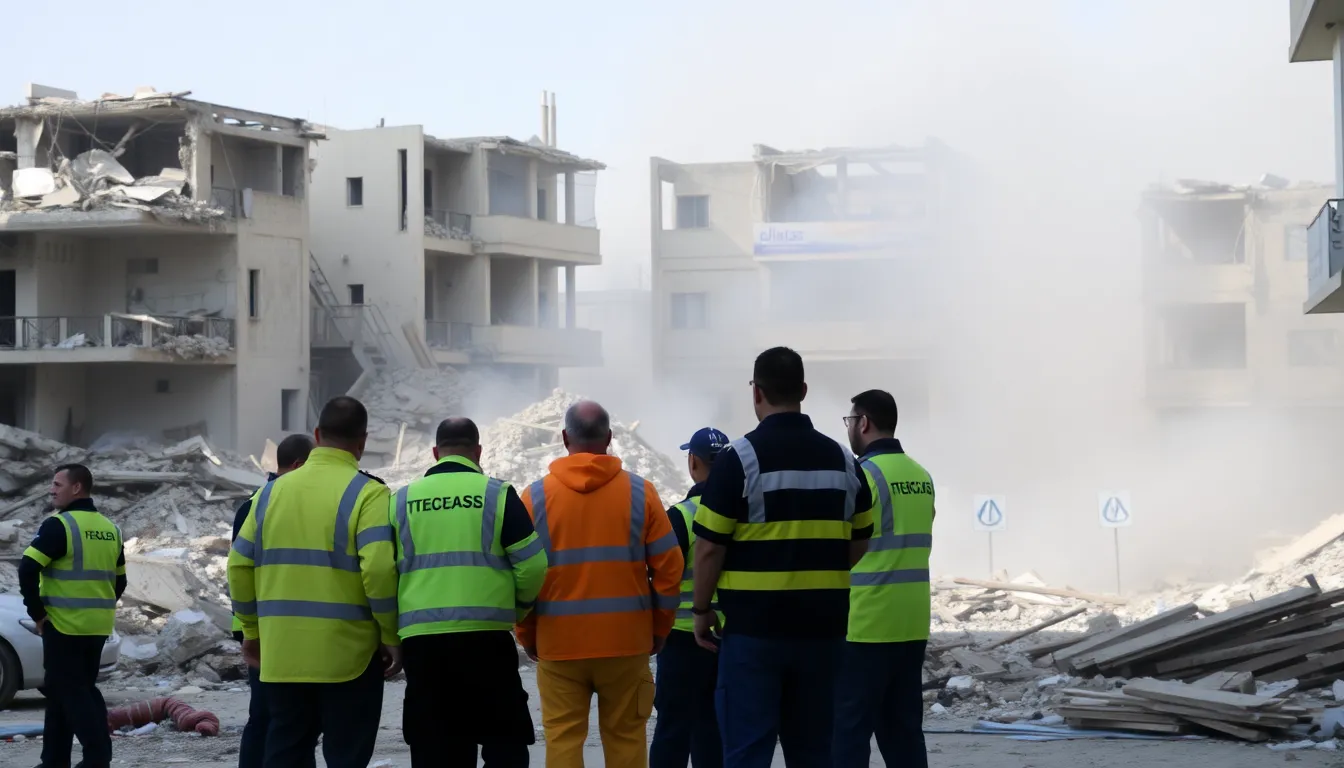
In addition to civilians, the media industry is significantly affected. The targeting of journalists raises concerns about press freedom and the safety of media professionals in conflict zones. This incident may lead to increased scrutiny and potential changes in policies regarding the protection of journalists, both on the ground and in international discussions about conflict reporting.
Short-term impacts include heightened fear and trauma among the population, as well as disruptions to daily life. Businesses in Gaza are likely to experience immediate economic downturns due to instability and the destruction of commercial properties. In the mid-term, ongoing violence may deter foreign investment and humanitarian aid, further crippling the local economy.
- Civilians: Increased casualties and displacement.
- Media: Heightened risks for journalists and potential policy changes.
- Businesses: Economic downturn and disruption of services.
- Humanitarian Aid: Possible reduction in support due to instability.
While the situation presents significant risks, there may also be opportunities for international organizations to advocate for improved protections for journalists and civilians in conflict zones. This could lead to greater awareness and potential reforms in international law regarding the conduct of war and the safeguarding of human rights.
A: The Israeli government stated that the strikes were aimed at militant targets in response to ongoing rocket fire from Gaza. However, the strikes have raised significant concerns about civilian casualties. A: The recent airstrikes have resulted in the deaths of three journalists, highlighting the dangers faced by media professionals in conflict zones. A: The international community has expressed deep concern over the loss of civilian lives and the safety of journalists, calling for restraint from both sides. A: Various organizations are advocating for stronger protections and safety protocols for journalists operating in conflict zones to prevent such tragedies. A: The escalation of violence complicates the already fragile peace process and raises questions about the future of negotiations between Israel and Palestinian authorities.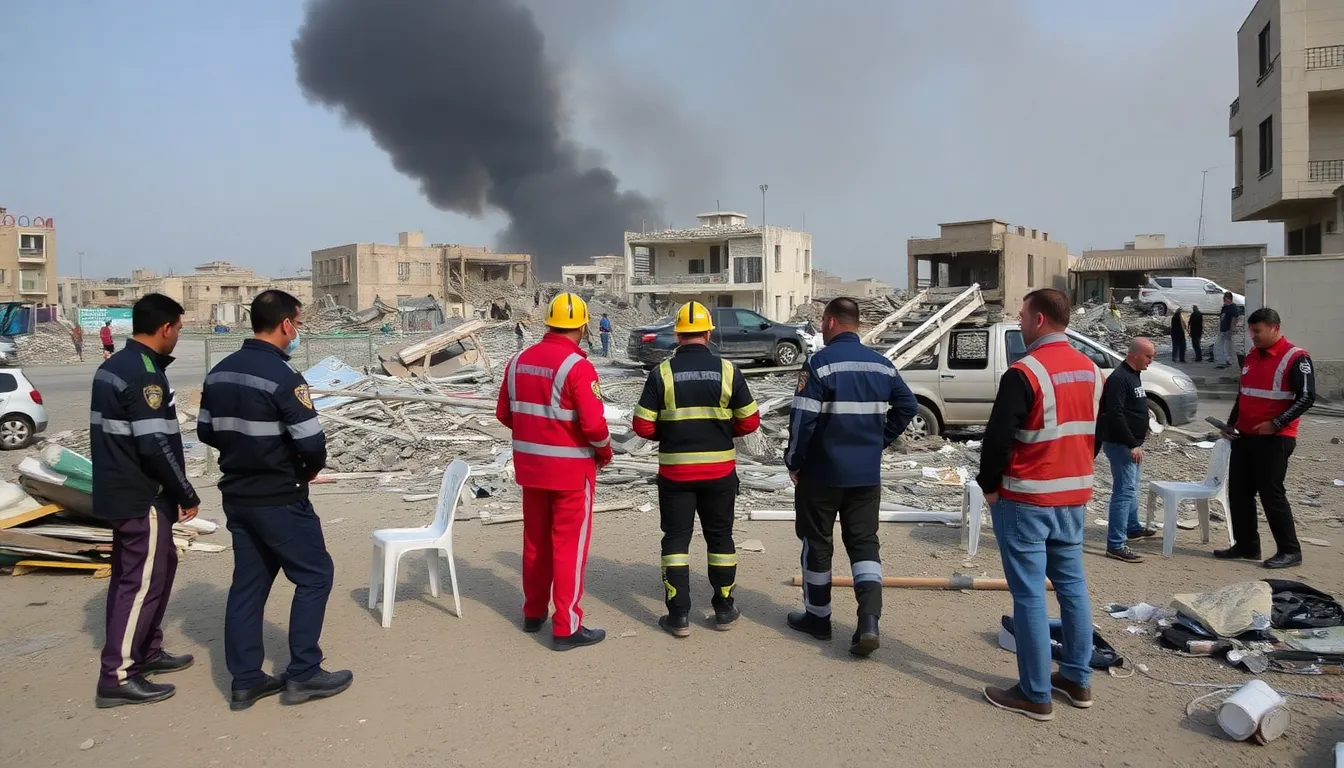
Frequently asked questions regarding the airstrikes
Key takeaways and future outlook on the situation
The recent Israeli airstrikes in Gaza, which resulted in the tragic loss of 11 lives including three journalists, underscore the ongoing volatility in the region. This incident not only highlights the persistent risks faced by media personnel in conflict zones but also raises questions about the broader implications for press freedom and civilian safety amidst military operations. As tensions continue to escalate, the international community is urged to respond with a focus on protecting human rights and promoting dialogue.
Looking ahead, the situation remains fluid, and several factors will be critical in shaping the next steps for both the Israeli government and Palestinian authorities. Monitoring the responses from global leaders and organizations will provide insight into potential shifts in policy or intervention strategies aimed at de-escalation.
- The impact of civilian casualties on international public opinion and diplomatic relations.
- The potential for increased scrutiny and calls for accountability regarding military actions in populated areas.
- Future safety measures for journalists operating in conflict zones and the implications for media coverage.
- The role of international organizations in mediating tensions and advocating for peace initiatives.
- Possible shifts in regional alliances and their effect on the ongoing conflict dynamics.