
The political landscape in Venezuela has been fraught with tension, especially since the government of Nicolás Maduro has faced increasing criticism for its treatment of dissenters. For more insights into the implications of Venezuela’s political situation, check our article on U.S. Refiners and Venezuelan Oil.
Key actors in this situation include international human rights advocates, local NGOs, and foreign governments, all of whom are closely monitoring the developments. The Biden administration has expressed support for the release and emphasized the need for Venezuela to respect human rights; this stance aligns with the objectives of groups like Amnesty International, which advocate for political prisoners.
This situation is critical not only for the individuals involved but also for the future of democracy in Venezuela. The ongoing plight of political prisoners serves as a stark reminder of the challenges faced by those who oppose the current regime, as highlighted by recent news of international response to human rights abuses.
Understanding the Historical Context of Political Imprisonment in Venezuela
Venezuela has a long and tumultuous history marked by political turmoil, economic instability, and social unrest. Since the late 1990s, the country has experienced a significant shift towards authoritarianism, particularly under the leadership of Hugo Chávez and his successor, Nicolás Maduro. This shift has led to the systematic suppression of dissent, where political opponents and activists have often been targeted and imprisoned on dubious charges.
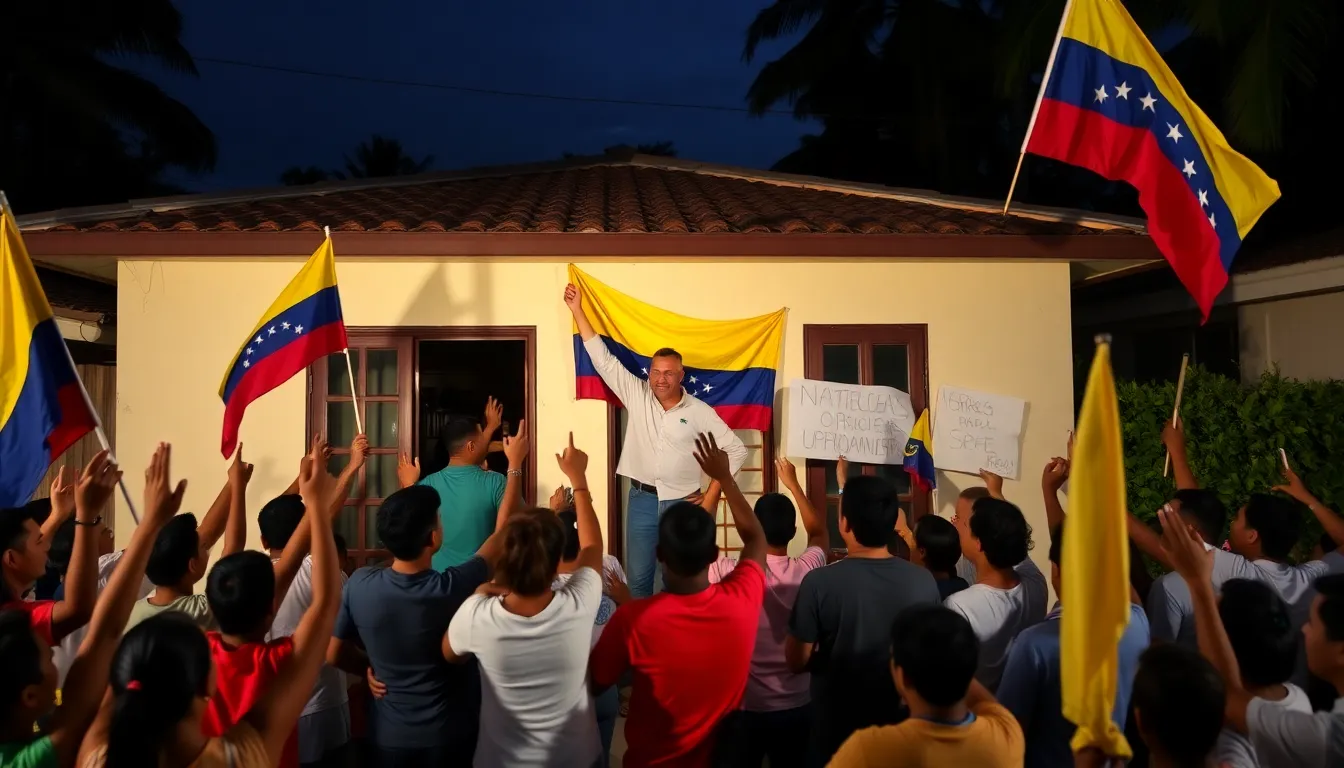
The political landscape in Venezuela began to change dramatically in 1998 when Hugo Chávez was elected president. His administration initiated a series of socialist reforms aimed at redistributing wealth and empowering the poor. However, these reforms were accompanied by increasing repression of opposition voices, setting a precedent for the political imprisonment that would follow. Political prisoners became a common theme in the years that followed, as dissent was met with harsh crackdowns.
In recent years, the situation has escalated, particularly during the economic crisis that began in the 2010s. Hyperinflation, food shortages, and a collapsing healthcare system have fueled public protests against the Maduro government. In response, the regime has intensified its campaign against dissent, leading to the arbitrary detention of hundreds of political prisoners. High-profile cases, such as that of Leopoldo López, have drawn international attention to the plight of those imprisoned for their political beliefs.
The Role of International Advocacy
International organizations and human rights advocates have played a crucial role in raising awareness about political imprisonment in Venezuela. Reports from entities like Amnesty International and Human Rights Watch have documented human rights abuses and called for the release of political prisoners. These efforts have not only highlighted the plight of individuals but have also pressured the Venezuelan government to reconsider its stance on dissent.
Key Stakeholders and Issues Surrounding the Release
The release of a prominent Venezuelan political prisoner has drawn attention from various stakeholders, each with distinct interests and implications for the political landscape in Venezuela and beyond. The main actors involved include the Venezuelan government, international human rights organizations, foreign governments, and the political prisoner’s supporters and family.
The Venezuelan government, led by President Nicolás Maduro, has a vested interest in managing the narrative surrounding political prisoners. By releasing a high-profile detainee, the government may aim to improve its international image and ease diplomatic tensions, particularly with countries that have criticized its human rights record. This strategic move could also be seen as an attempt to quell domestic dissent and showcase a willingness to engage in dialogue.
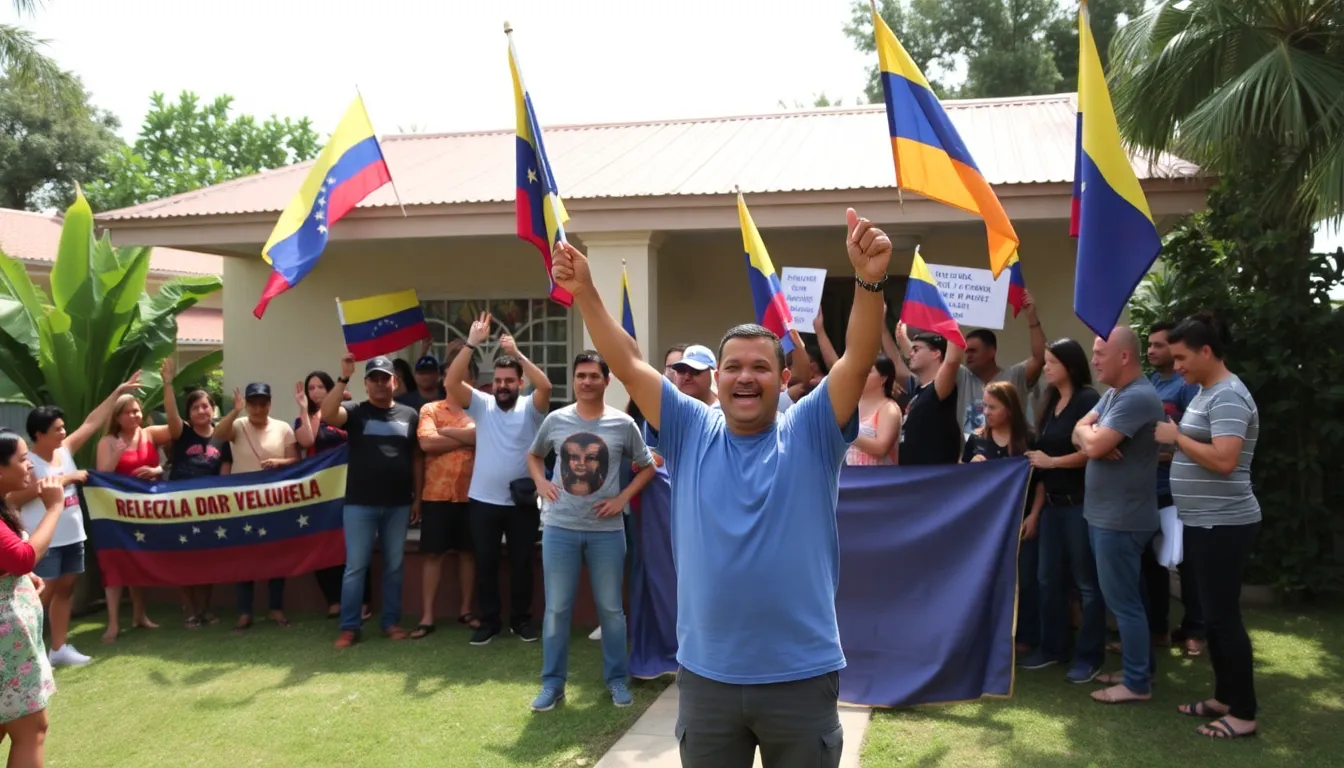
International human rights organizations, such as Human Rights Watch and Amnesty International, play a crucial role in advocating for political prisoners and monitoring the situation in Venezuela. Their interests lie in ensuring that the rights of individuals are protected and that the government is held accountable for past abuses. The release of the prisoner may be viewed as a partial victory, but these organizations will continue to press for broader reforms and the release of other detainees.
Foreign governments, particularly those in the Americas and Europe, are also key stakeholders. They must navigate the complexities of foreign policy towards Venezuela, balancing human rights concerns with geopolitical interests. The release of a political prisoner could influence diplomatic relations, trade negotiations, and sanctions policies, leading to potential shifts in how these governments engage with the Maduro administration.
- Human Rights Advocacy: Continued pressure for the release of all political prisoners and reforms to the justice system.
- Geopolitical Implications: Changes in diplomatic relations based on the Venezuelan government’s actions regarding political prisoners.
- Domestic Stability: The impact of the release on public sentiment and potential protests or support for the government.
- International Response: Reactions from global powers that could influence future engagements with Venezuela.
- Legal Ramifications: Ongoing discussions regarding human rights violations and the legal status of political prisoners.
The Impact of the Release on Venezuelan Society and Politics
The release of a prominent Venezuelan political prisoner marks a significant moment for various groups within the country. Families of political prisoners, human rights organizations, and opposition parties are directly affected, finding a renewed sense of hope and motivation in their struggles against authoritarianism. This event not only resonates within Venezuela but also captures the attention of international observers and foreign governments advocating for democracy in the region.
In the short term, the immediate impact on daily life may be felt through increased public gatherings and demonstrations as citizens express their support for the released individual and demand further political reforms. This could lead to heightened tensions between the government and opposition groups, as the latter may seek to leverage this moment to galvanize support and push for broader changes in governance.
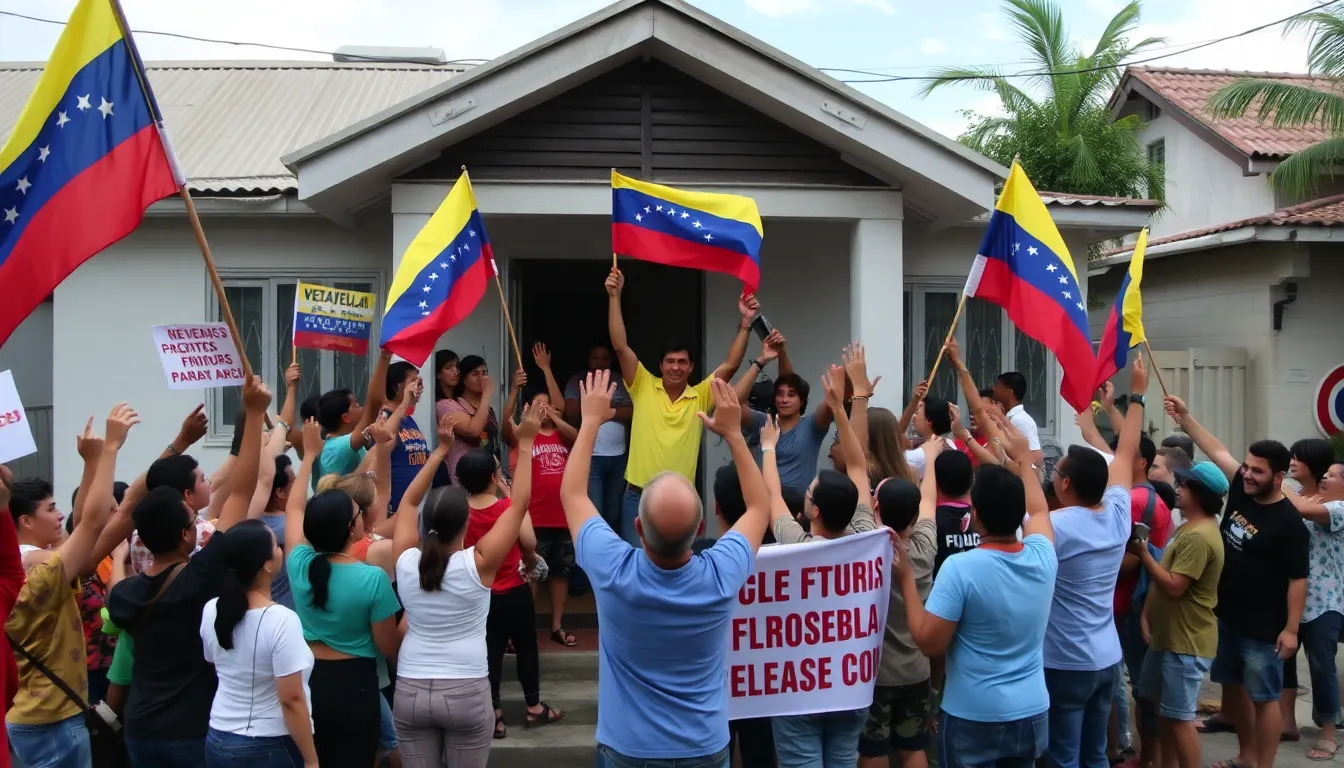
Mid-term implications could see shifts in business dynamics, particularly for industries that have been stifled by political repression. The release may encourage foreign investment as international businesses reassess the risks associated with operating in Venezuela. However, this optimism is tempered by potential backlash from the government, which might respond to increased dissent with stricter regulations or crackdowns on civil liberties.
- Positive Opportunities: Increased international attention may lead to foreign aid and investment.
- Risks: Potential government retaliation could escalate political repression.
- Social Mobilization: The event may unify various opposition factions, leading to more organized political movements.
Overall, the release of this political prisoner serves as a catalyst for potential change, but it also highlights the precarious nature of Venezuela’s political landscape, where both risks and opportunities coexist in a complex interplay of social dynamics.
A: The political prisoner is a prominent opposition leader who was detained for several years under controversial circumstances. A: The imprisonment was largely viewed as politically motivated, aimed at suppressing dissent against the current government. A: The international community has largely welcomed the release, calling it a positive step towards human rights and democracy in Venezuela. A: This release may inspire further advocacy for the release of other political prisoners and highlight ongoing human rights abuses. A: Advocacy, awareness campaigns, and international pressure on the Venezuelan government can support efforts to free political prisoners.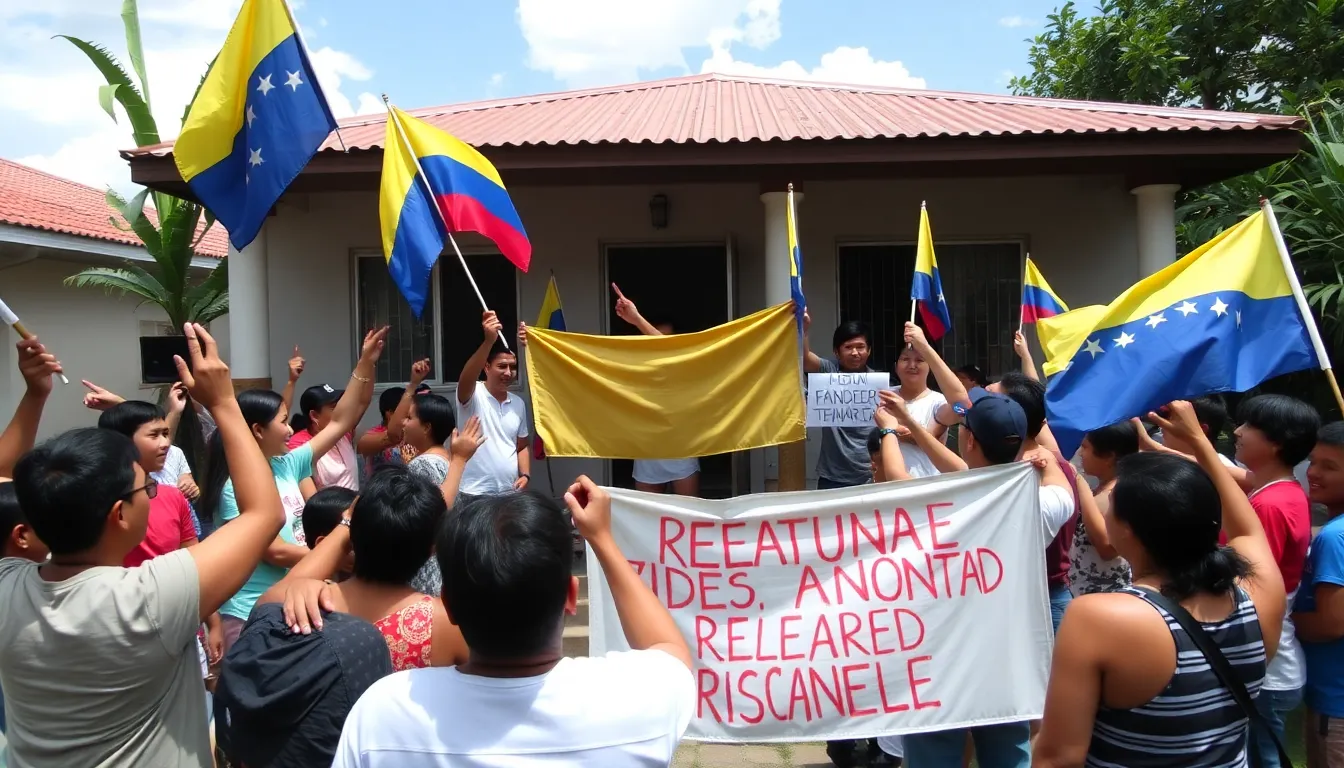
Frequently Asked Questions About the Release of the Political Prisoner
Key Takeaways and Future Outlook on Political Freedom in Venezuela
The return of a Venezuelan political prisoner marks a significant moment in the ongoing struggle for human rights and political freedom in the country. This development not only reflects the resilience of activists and supporters but also highlights the potential for change within the current political landscape. As the situation evolves, it is essential to monitor how this event influences both domestic and international responses to Venezuela’s political climate.
Looking ahead, the implications of this release could catalyze further demands for political reform and greater accountability from the government. Observers should remain vigilant regarding the actions of both the Venezuelan authorities and the international community in response to this pivotal moment.
- Increased Activism: The release may inspire more citizens to engage in activism, pushing for reforms and greater political freedoms.
- International Pressure: Expect heightened scrutiny and potential sanctions from foreign governments aimed at promoting human rights in Venezuela.
- Dialogue Opportunities: This event could open channels for dialogue between the government and opposition, fostering a more constructive political environment.
- Monitoring Human Rights: Continued attention to human rights violations will be crucial, as the situation remains fluid and complex.