
Chinh’s administration has laid out an ambitious agenda, promising to accelerate economic reforms and enhance foreign investment. This comes at a time when Vietnam is navigating global economic challenges, including supply chain disruptions and inflationary pressures, which have raised concerns about the country’s economic resilience. For insights on international relations, see the article on Japan’s nuclear plant restart.
Moreover, the Prime Minister has vowed to strengthen anti-corruption measures, a critical issue in Vietnam’s governance. His previous tenure saw significant crackdowns on corrupt officials, and he aims to continue this momentum to restore public trust and improve government accountability.
As Vietnam positions itself as a key player in the Southeast Asian region, Chinh’s leadership will be closely watched by both domestic and international observers. The effectiveness of his policies will not only impact the nation’s economic trajectory but also its geopolitical relations, particularly with major powers like the United States and China.
Understanding the political landscape in Vietnam
Vietnam’s political landscape is characterized by a single-party system led by the Communist Party of Vietnam (CPV). This structure has been in place since the reunification of North and South Vietnam in 1975, shaping the nation’s governance and policy direction. The CPV’s dominance has created a stable yet often rigid political environment, where dissent is limited, and political power is tightly controlled.
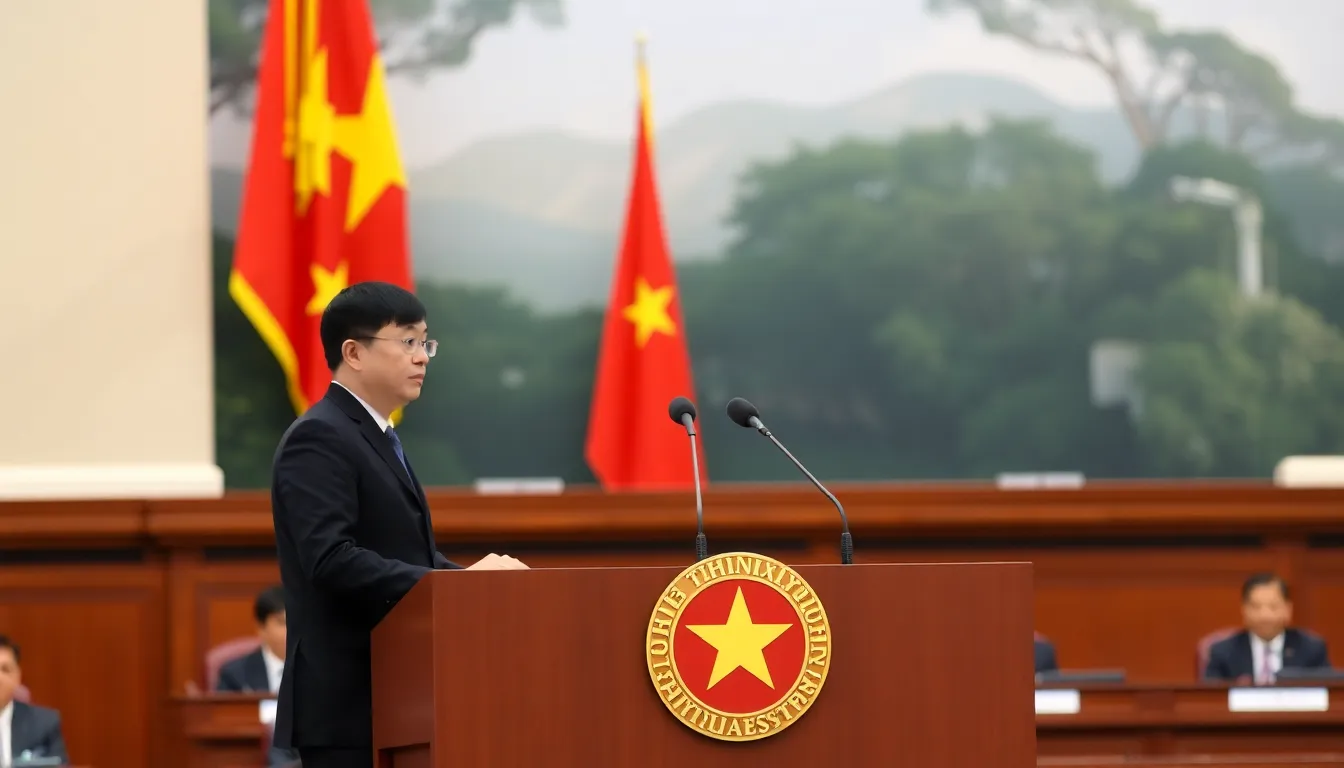
In recent years, Vietnam has experienced significant economic growth, transforming from a centrally planned economy to a socialist-oriented market economy. This shift began in the 1980s with the Đổi Mới (Renovation) reforms, which opened the country to foreign investment and trade. The economic success has led to a burgeoning middle class and increasing expectations for political reform and transparency, creating a complex interplay between economic aspirations and political realities.
The return of Vietnam’s leader, who previously held the position of General Secretary of the CPV, signals a potential shift in priorities. His bold promises to tackle corruption, enhance transparency, and promote economic development reflect the growing public demand for accountability and reform. However, the challenges of implementing these reforms within the confines of the CPV’s control remain significant, much like the complexities seen in Mexico’s political actions.
Key Milestones in Vietnam’s Political Evolution
Several key milestones have shaped Vietnam’s contemporary political landscape. The introduction of the Đổi Mới reforms in 1986 marked a turning point, allowing for economic liberalization and increased foreign investment. In 1992, a new constitution was adopted, reaffirming the CPV’s leading role while also introducing elements that allowed for some economic decentralization. More recently, the 2016 Communist Party Congress emphasized the need for anti-corruption measures, setting the stage for the current leader’s return and his ambitious agenda.
Key stakeholders and the challenges ahead
As Vietnam’s leader returns to power, several key stakeholders are poised to influence the political and economic landscape of the nation. These include the Vietnamese government, local businesses, foreign investors, and the general populace. Each group has distinct interests that could shape the effectiveness of the leader’s bold promises.
The Vietnamese government, led by the returning leader, is primarily focused on maintaining political stability and fostering economic growth. The government’s commitment to reform and modernization is crucial, especially in the face of rising global competition. However, balancing these ambitions with the need for social equity presents a significant challenge.
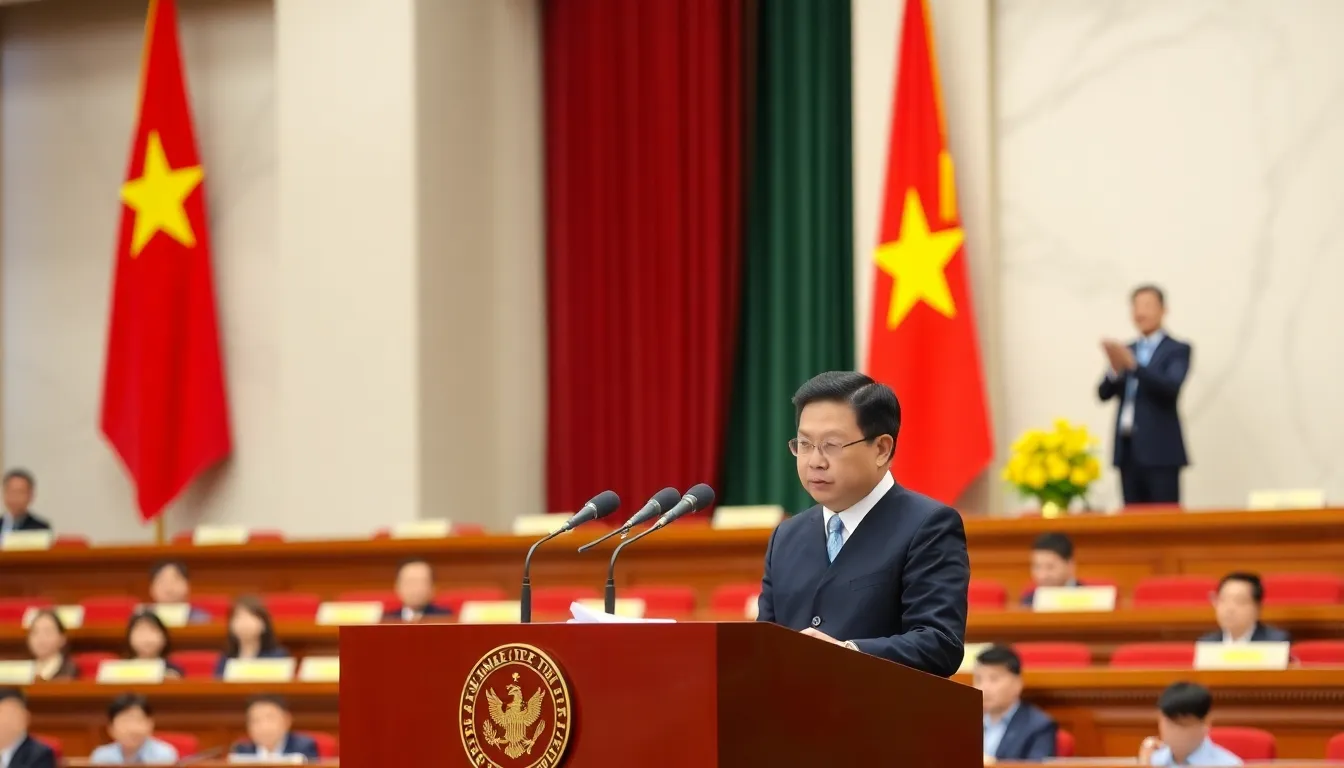
Local businesses, particularly in sectors like manufacturing and technology, are eager to capitalize on any reforms that could enhance their competitiveness. They seek a more favorable regulatory environment and better infrastructure. However, these aspirations may conflict with the government’s need to maintain control and oversight, leading to potential tensions.
- Foreign investors are looking for assurances that their investments will be protected and that Vietnam will continue to open its markets.
- Labor rights issues could arise as the government pushes for economic growth while trying to keep wages low to attract investment.
- Environmental sustainability is a growing concern, with stakeholders advocating for policies that balance economic development with ecological preservation.
The general populace, while hopeful for improvements in living standards, may be skeptical of the government’s ability to deliver on its promises. Issues such as corruption, inequality, and access to public services remain pressing concerns. The leader’s ability to navigate these complex dynamics will be crucial in determining whether his bold vision can be realized.
Who will be affected by the new policies?
Vietnam’s renewed leadership under the returning leader is set to influence various groups within the country, including government officials, business sectors, and the general populace. The policies proposed promise to reshape Vietnam’s economic landscape and governance, potentially impacting both urban and rural communities, akin to the regional dynamics observed in the article on Israeli strikes in Gaza.
In the short term, industries such as technology, agriculture, and manufacturing may experience immediate shifts. For instance, tech companies might benefit from increased investment in digital infrastructure, while agricultural sectors could face new regulations aimed at sustainability. This could lead to a faster adaptation to global market demands, but also a potential disruption for those unable to keep pace.
Mid-term impacts may include changes in employment patterns as new sectors emerge and traditional industries adapt. Urban areas could see a surge in job opportunities, while rural regions might struggle to retain workers as migration trends shift. Additionally, policy changes could affect small businesses, either providing them with new opportunities or imposing challenges through stricter regulations.
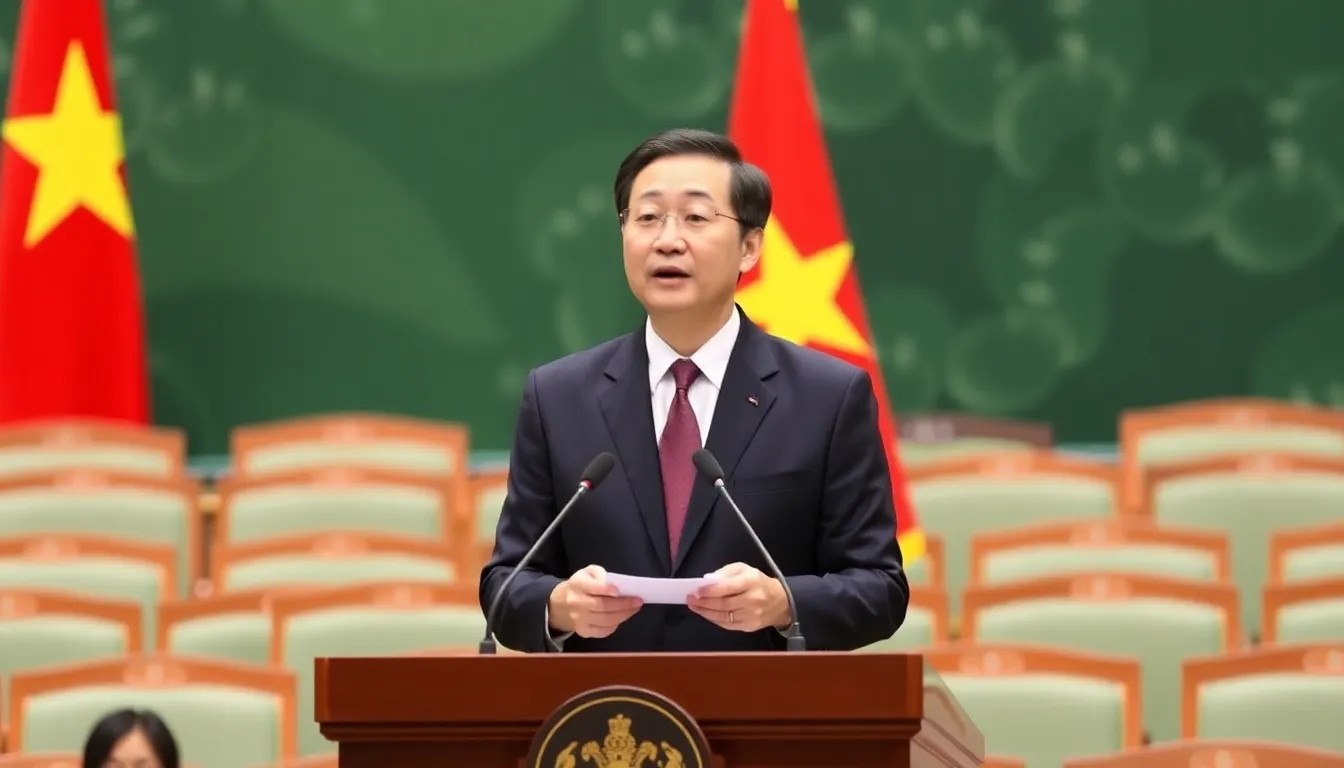
- Economic Growth: Potential for increased foreign investment and job creation.
- Social Change: Urbanization may accelerate, impacting community structures.
- Regulatory Challenges: Small businesses may face hurdles adapting to new policies.
- Environmental Initiatives: Opportunities for green technology and sustainable practices.
However, risks remain. The implementation of bold policies may lead to social unrest if not managed effectively. Disparities between urban and rural areas could widen, leading to potential dissatisfaction among those left behind. Moreover, the ambitious nature of these initiatives raises questions about feasibility and long-term sustainability.
A: The new leader has promised economic reforms, anti-corruption measures, and improvements in social welfare. These commitments aim to address the pressing issues facing the country. A: Public reaction has been mixed, with some expressing hope for positive change while others remain skeptical about the feasibility of the promises made. A: The new leader faces significant challenges including economic instability, public dissatisfaction, and the need for effective governance to implement reforms. A: If successfully implemented, the promised reforms could lead to economic growth and increased foreign investment. However, failure to deliver could result in further economic decline. A: The international community is closely monitoring the situation, with hopes that the new leadership will foster better diplomatic relations and economic partnerships.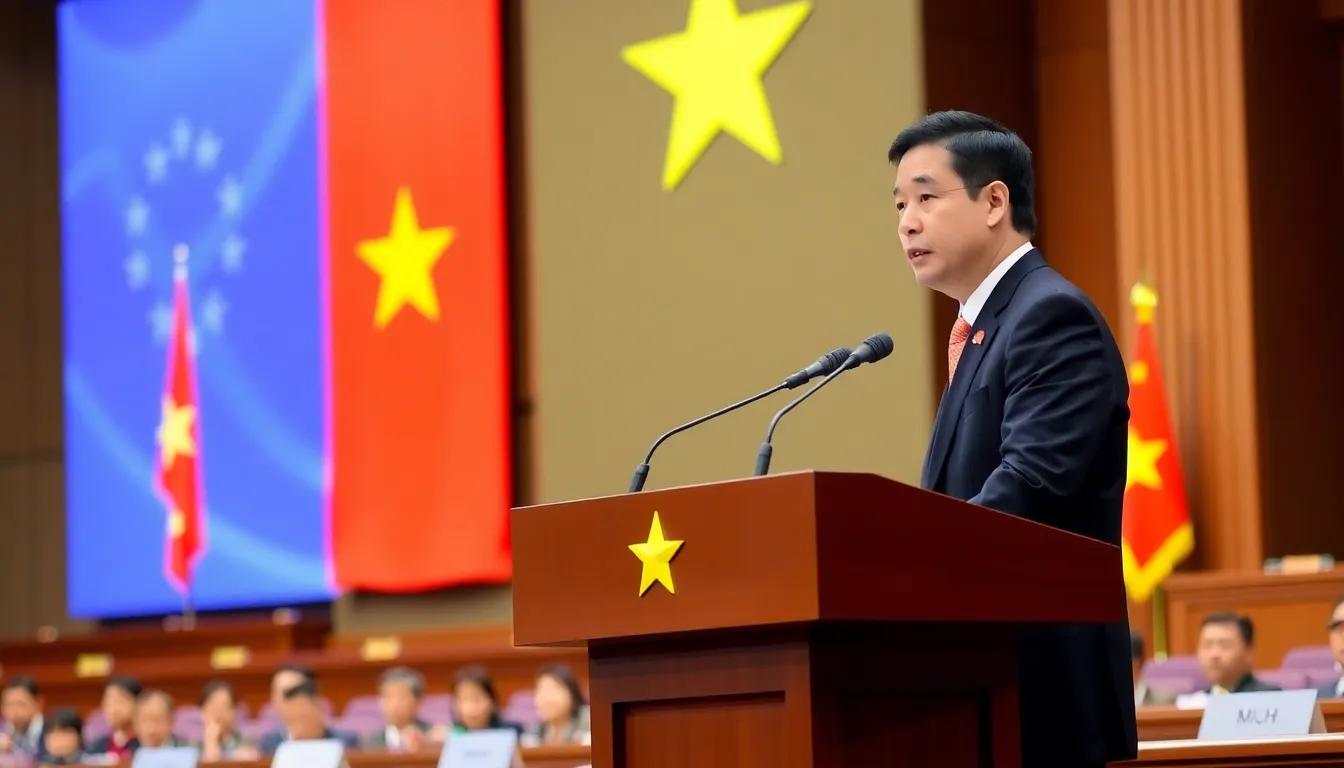
Frequently asked questions about Vietnam’s leadership
Looking ahead: Key points and future outlook
As Vietnam’s leader embarks on a new term filled with ambitious promises, the eyes of both domestic and international observers are keenly focused on the feasibility of these commitments. The political landscape is evolving, and the leader’s ability to navigate economic challenges, social expectations, and international relations will be crucial in determining the country’s trajectory. Stakeholders should remain vigilant as the government sets out to implement reforms that could reshape Vietnam’s future.
Key areas to monitor include economic revitalization efforts, the handling of public dissent, and the strengthening of diplomatic ties. Each of these factors will play a significant role in assessing the leader’s effectiveness and the overall stability of Vietnam in the coming years.
- Watch for the implementation of economic reforms aimed at boosting growth and attracting foreign investment.
- Monitor the government’s approach to managing public sentiment and dissent, particularly in response to social issues.
- Observe the development of Vietnam’s international relationships, especially with major powers in the region.
- Consider the implications of environmental policies and their impact on sustainable development.
- Evaluate the effectiveness of anti-corruption measures and their influence on governance and public trust.