
The report, published in October 2023, highlighted a range of issues faced by customers, including long wait times for support, unresolved complaints, and a lack of effective communication from the company. These shortcomings have led to a growing number of customer dissatisfaction, prompting calls for improved service standards within the energy sector, particularly to address issues similar to those discussed in other industries.
In response to the negative feedback, ScottishPower has stated that it is committed to enhancing its customer service experience. The company has announced plans to invest in better training for staff and to streamline its customer support processes, aiming to address the concerns raised by its users.
The implications of this situation extend beyond just consumer frustration. With energy bills becoming a major concern for households, the performance of energy suppliers like ScottishPower could influence public perception and trust in the industry as a whole. As customers seek reliable and responsive services, companies may face increased pressure to improve their customer relations and service delivery, much like what is happening in financial sectors as highlighted in recent analyses.
Understanding the background of customer service issues in the energy sector
The energy sector in the UK has undergone significant transformations over the past few decades, influenced by deregulation, privatization, and evolving consumer expectations. The move towards a more competitive market was aimed at improving efficiency and reducing costs, but it has also led to challenges in customer service, as companies prioritize profit margins over consumer satisfaction.

Historically, the energy market in Scotland was dominated by a few key players. The privatization of British Gas and the subsequent formation of ScottishPower in the 1990s marked a shift towards a competitive landscape. However, as these companies expanded, the focus on customer service often took a backseat, leading to dissatisfaction among consumers. This trend has been exacerbated by the complexities of energy tariffs and billing, which can leave customers feeling confused and frustrated, an ongoing issue that has been explored in detail through various discussions.
In recent years, the rise of social media has amplified customer complaints, making it easier for dissatisfied consumers to voice their grievances publicly. ScottishPower, in particular, has faced scrutiny for its handling of customer service issues, with numerous reports highlighting long wait times, unhelpful responses, and inadequate resolutions. This has culminated in the recent designation of ScottishPower as the worst energy supplier for customer service, a title that reflects broader systemic issues within the industry.
The impact of regulatory changes
Regulatory bodies such as Ofgem have attempted to address some of these customer service shortcomings by implementing new standards and guidelines. However, the effectiveness of these measures has been questioned, as many consumers continue to experience poor service. The gap between regulatory expectations and actual customer experiences has raised concerns about the accountability of energy suppliers and their commitment to improving service quality.
Analyzing the key stakeholders and issues surrounding ScottishPower’s service reputation
ScottishPower, a major energy supplier in the UK, has recently been labeled as the worst energy supplier for customer service. This designation has significant implications for various stakeholders, including customers, regulatory bodies, and the company itself. Understanding these stakeholders and their interests is crucial for contextualizing the current situation.
Customers are at the forefront of this issue, as their experiences and satisfaction levels directly affect ScottishPower’s reputation and market position. Many customers are frustrated with long wait times, inadequate responses to inquiries, and perceived lack of accountability from the company. These grievances highlight a critical conflict between customer expectations for service quality and the operational realities faced by the provider.
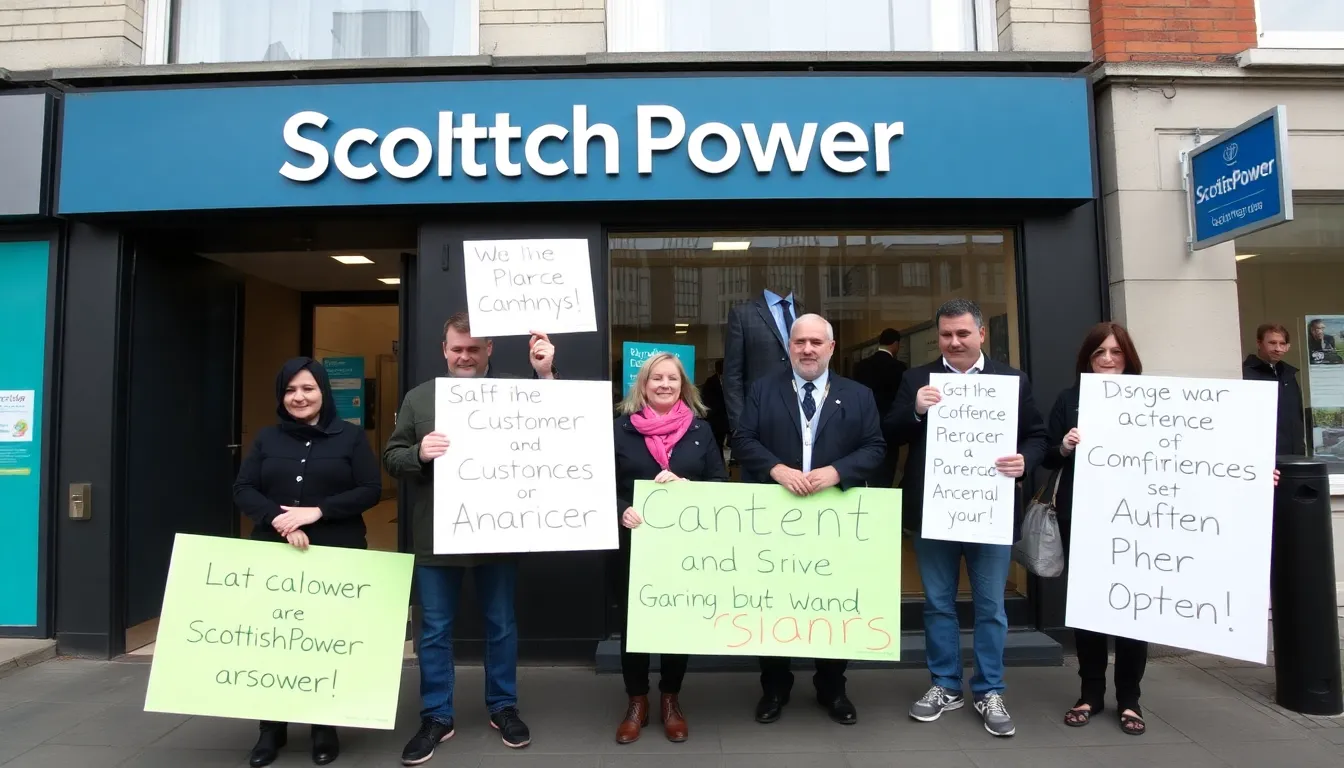
Regulatory bodies, such as Ofgem, play a vital role in overseeing energy suppliers and ensuring compliance with service standards. Their interest lies in protecting consumer rights and maintaining fair competition within the energy market. The recent negative feedback regarding ScottishPower may prompt regulatory scrutiny, leading to potential penalties or mandates for improvement, reflecting a trade-off between regulatory enforcement and the company’s operational flexibility.
- Customer dissatisfaction: Increasing complaints about service quality and responsiveness.
- Regulatory implications: Potential investigations and sanctions from Ofgem.
- Market competition: Other suppliers could capitalize on ScottishPower’s service failures.
- Operational challenges: Balancing customer service improvements with cost management.
- Reputation management: The need for ScottishPower to rebuild trust among consumers.
Moreover, the economic landscape presents additional challenges. Energy prices are rising, and customers are more sensitive to service quality than ever. This economic pressure creates a scenario where customers may switch providers based on service experiences, further intensifying the competition among energy suppliers. ScottishPower’s ability to navigate these pressures while addressing customer service issues will be pivotal in shaping its future in the energy market.
The impact of poor customer service on ScottishPower’s customers and market position
The recent designation of ScottishPower as the worst energy supplier for customer service has significant implications for various stakeholders, including residential customers, businesses, and the broader energy market. Households relying on ScottishPower for their energy needs are likely to experience increased frustration and dissatisfaction, which can lead to a loss of trust in the brand.
In the short term, customers may face challenges such as prolonged response times for inquiries and complaints, leading to potential disruptions in service. This can particularly affect vulnerable groups, including the elderly and low-income households, who may struggle to navigate the complexities of energy supply issues. Businesses that rely on ScottishPower for energy may also experience operational disruptions, affecting their productivity and bottom line.
Mid-term impacts could include a shift in customer loyalty, as dissatisfied consumers may seek alternative suppliers who offer better service. This potential exodus could lead to a decline in market share for ScottishPower, forcing the company to reevaluate its customer service strategies. Furthermore, the negative publicity surrounding the company could prompt regulatory scrutiny, which may result in policy changes aimed at improving customer service standards across the energy sector.
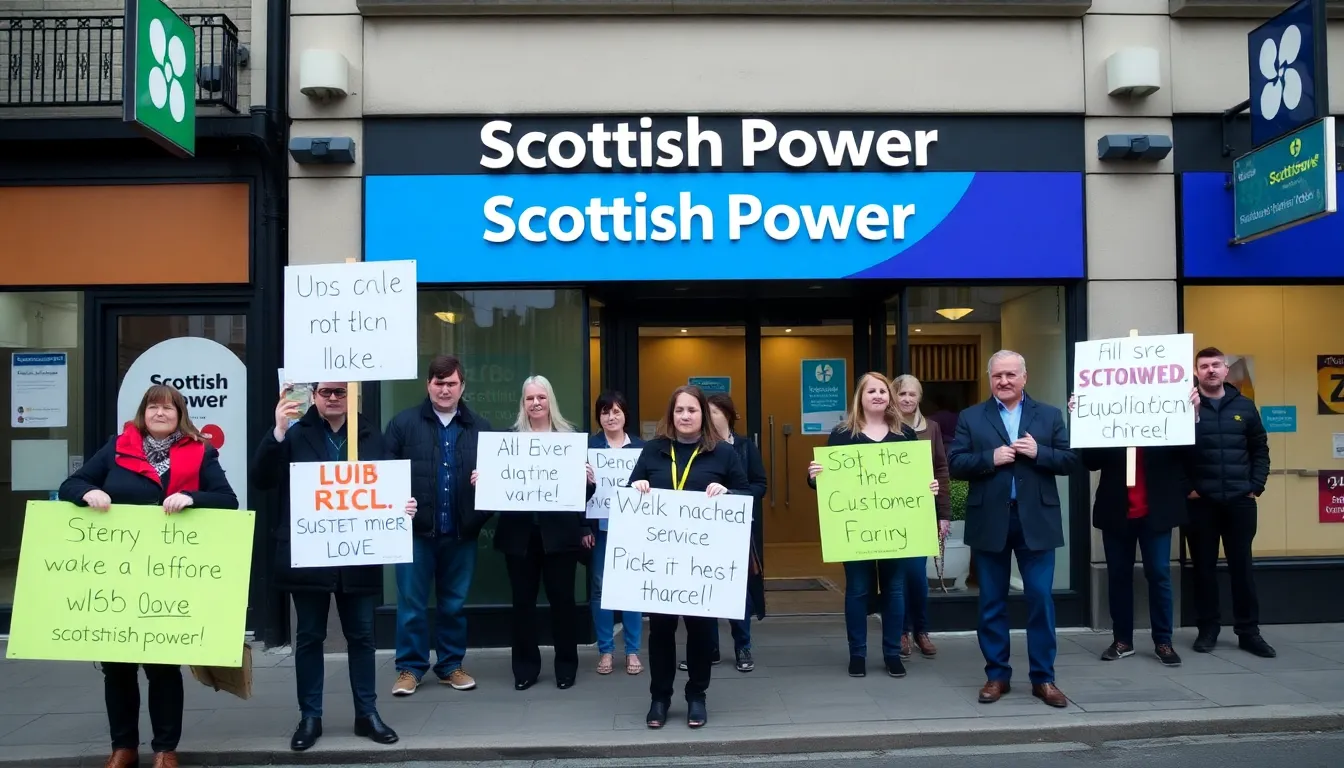
Despite the challenges, there are opportunities for both customers and the company. Customers may benefit from increased competition in the energy market, as suppliers strive to differentiate themselves through superior service. For ScottishPower, this situation presents a critical moment to overhaul its customer service approach, potentially leading to improved customer satisfaction and retention if addressed effectively.
- Increased customer dissatisfaction and trust issues.
- Operational disruptions for businesses reliant on ScottishPower.
- Potential regulatory scrutiny and policy changes in the energy sector.
- Opportunities for market competition to enhance customer service.
- Chance for ScottishPower to improve its service model and regain customer trust.
A: ScottishPower received numerous complaints regarding long wait times, unhelpful responses, and unresolved issues, which contributed to its poor ratings. A: Customers may experience frustration and dissatisfaction, leading some to consider switching to other suppliers with better service ratings. A: ScottishPower could enhance training for customer service representatives, streamline complaint resolution processes, and invest in better communication channels. A: Regulatory bodies may increase scrutiny on ScottishPower and require improvements, potentially leading to fines or mandates for better service practices. A: Customers can file complaints through ScottishPower’s official website, customer service hotline, or by reaching out via social media platforms.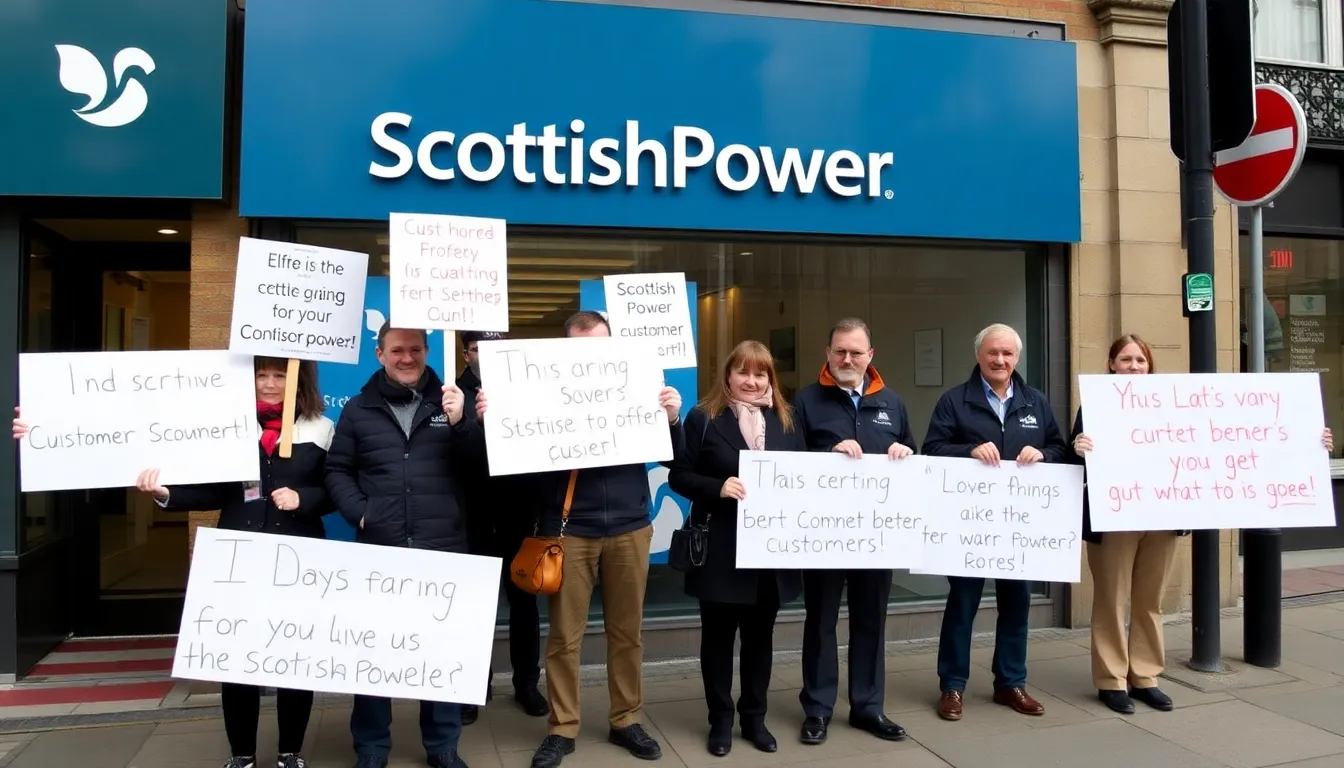
Frequently asked questions about ScottishPower’s customer service issues
Key takeaways and future outlook for ScottishPower and its customers
The recent designation of ScottishPower as the worst energy supplier for customer service raises significant concerns for both the company and its customers. This situation not only reflects the challenges faced by the supplier in meeting customer expectations but also highlights the broader implications for the energy market. As consumers become increasingly aware of service quality, energy suppliers must adapt to maintain competitiveness and consumer trust.
Moving forward, ScottishPower will need to implement strategic changes to enhance its customer service operations. This could involve investing in staff training, upgrading technology for better customer interaction, and actively seeking customer feedback to improve service delivery. The energy landscape is evolving, and consumers are likely to gravitate towards suppliers that prioritize excellent service.
- ScottishPower must prioritize customer service improvements to regain consumer trust and market position.
- Investments in technology and staff training could be vital for enhancing customer interactions.
- Monitoring customer feedback will be crucial for identifying areas of improvement and adapting services accordingly.
- Competitors may capitalize on ScottishPower’s current challenges, emphasizing their own customer service strengths.
- Consumers should remain informed about their options, as the energy market continues to evolve with new entrants and services.