
The hearings, which began on December 12, 2022, are a crucial moment for both the international community and the Rohingya population, as they seek accountability for the violence that erupted in Rakhine State in 2017. During this period, more than 700,000 Rohingya fled to neighboring Bangladesh, escaping what the United Nations described as a “textbook example of ethnic cleansing.” For more information, read our article on the Landmark Rohingya genocide case against Myanmar.
Myanmar’s legal team is arguing that the allegations are exaggerated and that the country was responding to a legitimate security threat posed by Rohingya militants. This defense is critical, as it not only impacts the ongoing legal proceedings but also shapes the international perception of Myanmar’s military-led government, which has faced widespread condemnation since the coup in February 2021.
The outcome of this case could have far-reaching implications for international law and human rights enforcement. A ruling in favor of The Gambia may set a precedent for future cases and increase pressure on Myanmar to address human rights abuses, while a dismissal could embolden the military regime and undermine efforts to hold perpetrators accountable.
Understanding the background of the genocide allegations against Myanmar
The allegations of genocide against Myanmar primarily stem from the country’s long-standing conflict with the Rohingya, a Muslim minority group. This conflict has deep historical roots, with tensions escalating significantly since the 1970s. The Rohingya have faced systematic discrimination, being denied citizenship and basic rights under the 1982 Citizenship Law, which has led to their marginalization within Myanmar’s predominantly Buddhist society. Understanding the inquiry and its implications is essential, which can be explored further in our article on Understanding The Inquiry and Its Implications.
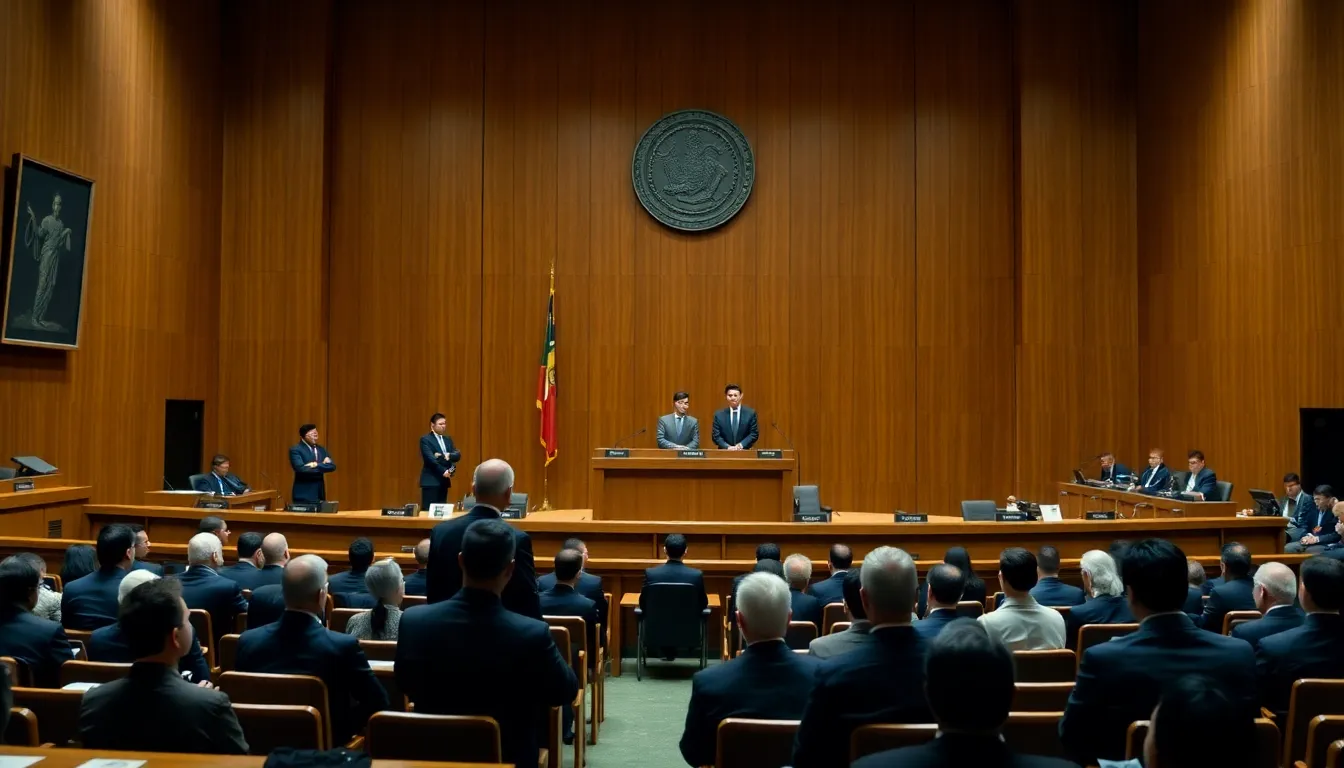
In August 2017, a military crackdown on the Rohingya was triggered by attacks on police posts by a Rohingya militant group, the Arakan Rohingya Salvation Army (ARSA). In response, the Myanmar military launched a brutal campaign that included mass killings, sexual violence, and the burning of villages, leading to a humanitarian crisis that forced over 700,000 Rohingya to flee to neighboring Bangladesh. This exodus marked one of the largest refugee crises in recent history and drew widespread international condemnation.
International Response and Legal Proceedings
The international community’s response has included various sanctions and calls for accountability. In 2019, Gambia, backed by the Organization of Islamic Cooperation (OIC), initiated proceedings against Myanmar at the International Court of Justice (ICJ), accusing it of violating the Genocide Convention. This landmark case has garnered significant attention, as it not only seeks justice for the Rohingya but also sets a precedent for how international law addresses allegations of genocide. To learn more about the background, check our piece on the Landmark Rohingya genocide case against Myanmar heard at top UN court.
Throughout the years, numerous reports from human rights organizations have documented the atrocities committed against the Rohingya, contributing to the growing body of evidence that supports the genocide allegations. The situation remains complex, with Myanmar’s military and government largely denying any wrongdoing, complicating the path towards reconciliation and justice.
Key stakeholders and issues surrounding the genocide case
The ongoing genocide case against Myanmar at the International Court of Justice (ICJ) involves several key stakeholders, each with distinct interests and perspectives. The primary actors include the Myanmar government, the Rohingya community, international human rights organizations, and various nation-states that have a vested interest in the outcome.
The Myanmar government, led by its military leadership, seeks to defend its actions and sovereignty against allegations of genocide. Their primary interest lies in maintaining control over the narrative and minimizing international scrutiny that could lead to sanctions or further isolation. The government argues that its military operations were necessary for national security and combating terrorism, framing the conflict as an internal issue rather than a humanitarian crisis.
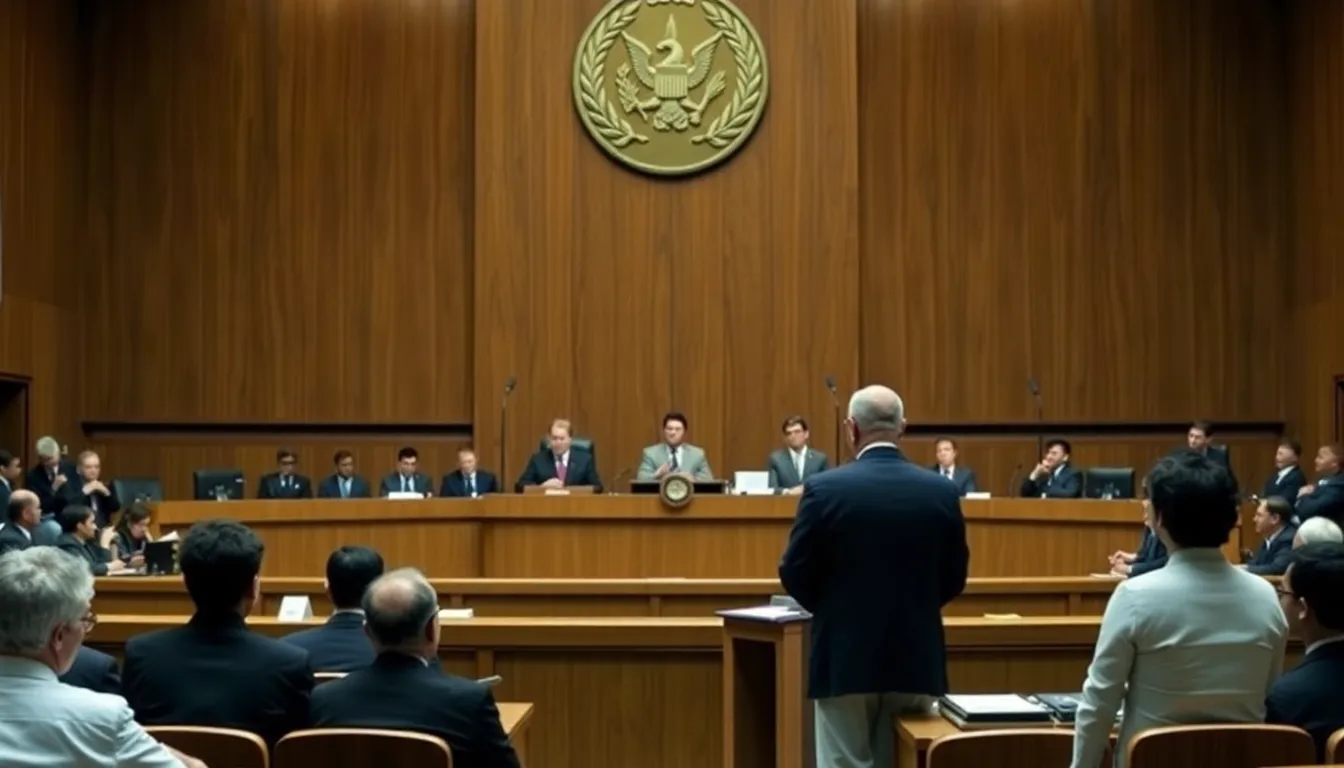
On the other side, the Rohingya community, who have faced severe persecution and violence, are represented by various human rights organizations and advocates. Their interests focus on seeking justice, accountability, and reparations for the atrocities committed against them. This community has been vocal in their demands for recognition of their rights and protection from further violence, making their plight a central issue in the case.
International organizations, such as the United Nations and human rights NGOs, play a crucial role in bringing attention to the situation. They advocate for the Rohingya and emphasize the need for accountability for human rights violations. These organizations often face challenges in balancing their humanitarian efforts with political realities, especially when dealing with a government that is resistant to external intervention.
- Legal complexities: The case raises significant legal questions about the definition of genocide and the burden of proof required to establish it.
- Geopolitical implications: The outcome may affect Myanmar’s relationships with neighboring countries and global powers, particularly in terms of trade and diplomatic ties.
- Humanitarian concerns: The ongoing situation in Myanmar continues to result in human suffering, complicating the legal proceedings with urgent humanitarian needs.
- International response: The reactions of other nations and international bodies could influence Myanmar’s future actions and policy decisions regarding the Rohingya.
The potential impact on Myanmar’s population and international relations
The ongoing genocide case at the International Court of Justice (ICJ) has significant implications for various groups within Myanmar, particularly the Rohingya population. This ethnic minority has faced severe persecution, and the proceedings may bring heightened attention to their plight, potentially influencing humanitarian efforts and international advocacy.
In the short term, the case could lead to increased scrutiny of Myanmar’s military and government actions, impacting daily life for many citizens. Businesses that rely on tourism and foreign investment may experience fluctuations as international stakeholders reassess their engagement with the country. Additionally, local communities may face heightened tensions as the case stirs nationalistic sentiments.
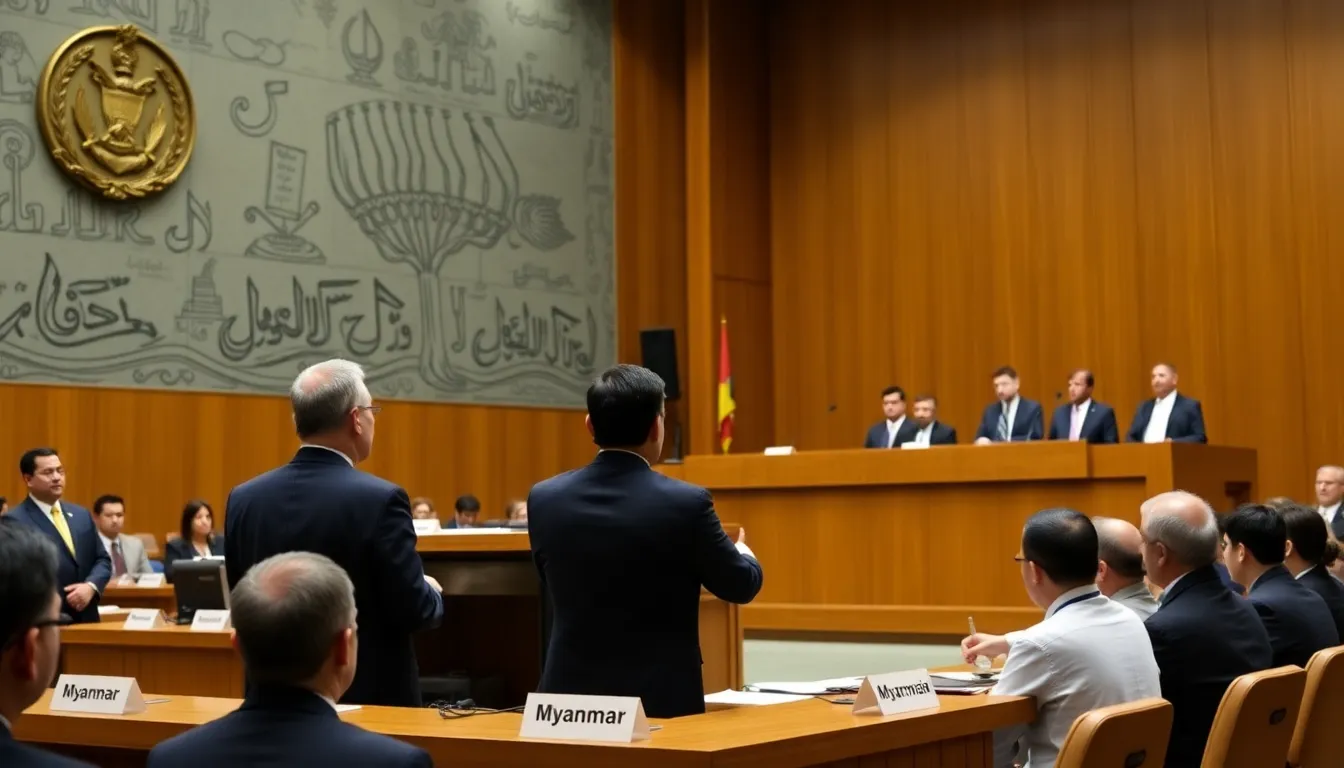
In the mid-term, the outcome of the case could prompt changes in foreign policy from countries that have historically engaged with Myanmar. Nations may impose sanctions or alter trade agreements, which could disrupt local economies and affect industries such as agriculture and textiles. Conversely, there may be opportunities for NGOs and international organizations to provide support and resources to affected populations.
- Increased international scrutiny of human rights practices.
- Potential shifts in foreign investment and trade relations.
- Heightened tensions within local communities.
- Opportunities for humanitarian aid and support initiatives.
Ultimately, the implications of this landmark case extend beyond the courtroom, influencing not only the Rohingya community but also the broader socio-economic landscape of Myanmar and its relationships on the global stage.
A: The main charges include allegations of genocide against the Rohingya population, involving systematic violence and displacement. A: The international community has shown significant concern, with various countries and organizations calling for accountability and justice for the victims. A: If found guilty, Myanmar could face international sanctions, increased isolation, and pressure to change its policies towards ethnic minorities. A: The legal process in such cases can be lengthy, potentially taking several years before a final ruling is reached. A: The UN court serves as a platform for adjudicating international disputes and ensuring justice for crimes against humanity, including genocide.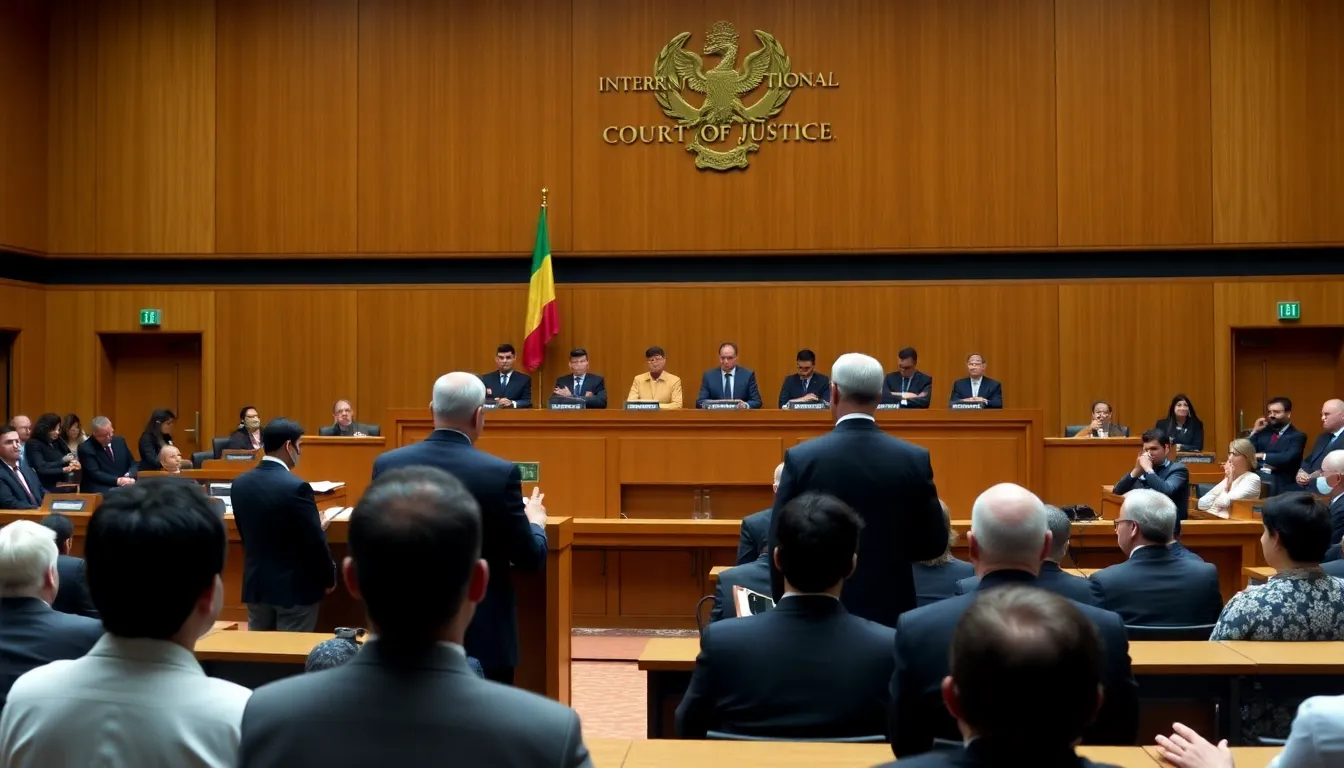
Frequently asked questions about the genocide case
Key takeaways and future outlook on the genocide case
The ongoing genocide case against Myanmar at the International Court of Justice represents a critical moment not only for the Rohingya population but also for international law and accountability. As Myanmar begins its defense, the implications of the proceedings may extend beyond the courtroom, influencing regional stability and international diplomatic relations.
<pStakeholders should closely monitor the developments in this case, as the outcomes could set precedents for how the international community addresses issues of genocide and human rights violations. The responses from both the court and Myanmar could reshape the landscape of accountability mechanisms for state actors accused of such grave offenses.
- Increased International Scrutiny: The case may lead to heightened scrutiny of Myanmar’s actions and policies, prompting other nations to reassess their diplomatic relations with the country.
- Impact on Rohingya Rights: The proceedings could significantly affect the Rohingya population’s quest for justice and reparations, influencing humanitarian efforts and international aid.
- Precedent for Future Cases: The case may establish important legal precedents regarding state responsibility for genocide, potentially impacting future cases involving other countries.
- Regional Stability Concerns: The outcome may have repercussions for regional stability in Southeast Asia, as neighboring countries react to the implications of the court’s ruling.
- Advocacy and Activism: Increased attention on the case may galvanize international advocacy efforts, encouraging more robust action against human rights abuses globally.